What a Return Idler Bracket Does on a Conveyor
The return idler bracket is the structural component that holds the return-side idler rollers in place beneath the conveyor belt. While the carrying side gets most of the attention, the return run also needs stable support so the belt tracks smoothly and the idler roller spins without vibration. In a quarry or a coal handling plant, a poorly supported return strand can cause belt sag, edge damage, and unnecessary wear on the conveyor pulley. The bracket keeps the return idler at the correct height and angle, allowing the belt to travel back to the tail pulley with minimal resistance.
Construction and Common Forms
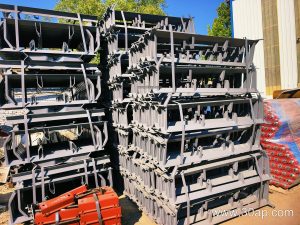
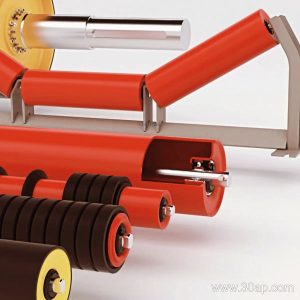
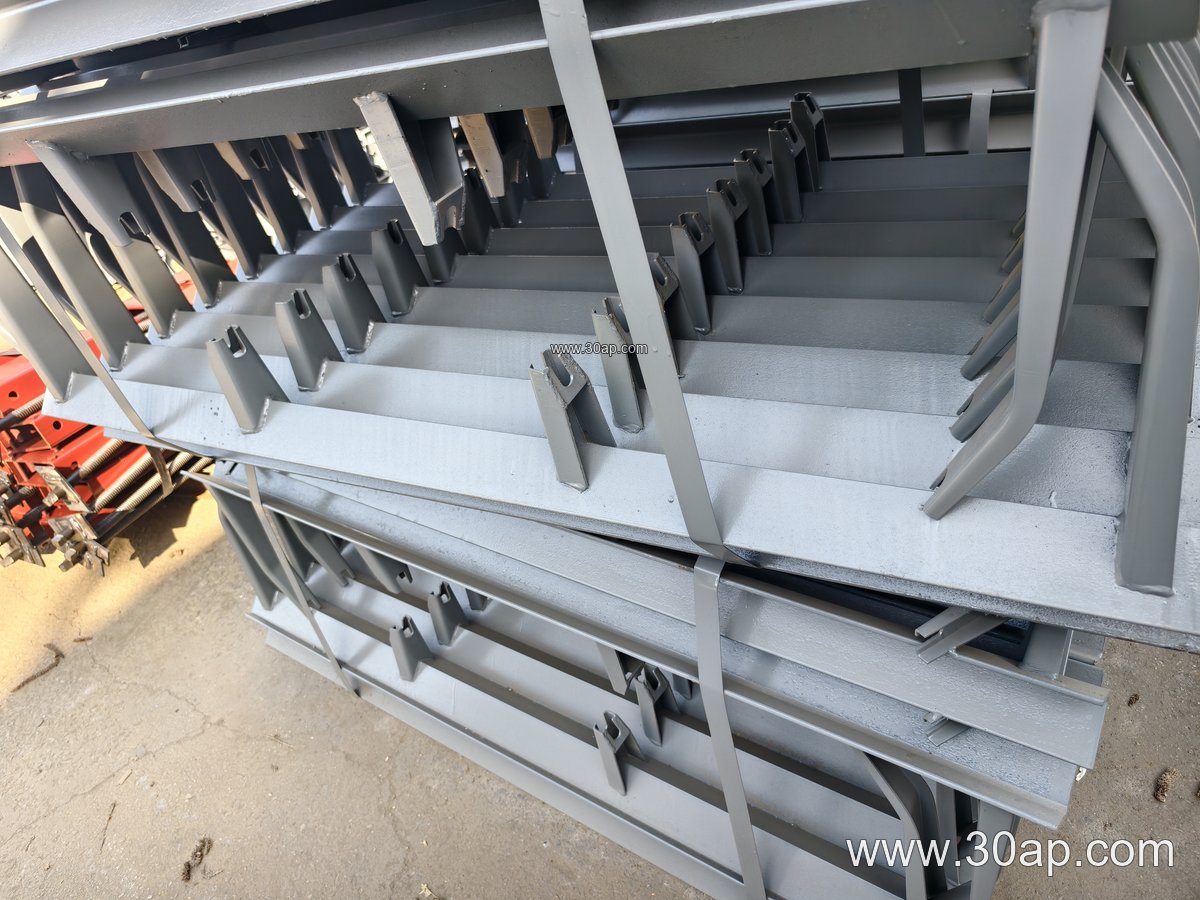
Most return idler brackets are fabricated from angle steel, channel steel, or bent steel plate. The choice depends on the load and the environment. In a cement plant or a power plant coal yard, dust and fines are constant, so brackets often have simple, open profiles that shed material rather than trap it. The bracket may be fixed or adjustable. Adjustable types let maintenance staff fine-tune the idler position to suit belt width and loading conditions. Common configurations include a flat return bracket for a single idler and a V-return bracket that uses two idlers set at an angle to help center the belt.
- Flat return bracket – supports a single return idler under the belt.
- V-return bracket – holds two idlers in a V shape for better belt tracking.
- Adjustable bracket – allows height or angle adjustment during installation.
Matching Bracket, Belt Width, and Idler Diameter
There is no single bracket size that fits every conveyor. The bracket length and mounting hole spacing usually follow the belt width and the idler diameter. For example, a B800 belt with a 35-degree trough on the carrying side might use a return bracket designed around a Ø108 idler, while a B1200 system with a 45-degree carry angle could run a Ø133 return roller. These are common reference combinations, not fixed rules. A B650 conveyor with a 30-degree trough may use a Ø89 return idler, but the final choice depends on the belt speed, material load, and the design of the conveyor frame. The bracket must align with the conveyor bracket holes on the main frame, so hole spacing is always confirmed against the actual structure.
| Belt Width (B) | Common Return Idler Diameter | Typical Bracket Form |
|---|---|---|
| B500 | Ø89 | Flat or V-return |
| B650 | Ø89 – Ø108 | Flat or V-return |
| B800 | Ø108 | Flat or adjustable |
| B1000 | Ø108 – Ø133 | V-return or adjustable |
| B1200 | Ø133 | V-return or adjustable |
| B1400 | Ø133 – Ø159 | V-return or heavy-duty |
| B1600 | Ø159 | Heavy-duty V-return |
| B1800 | Ø159 – Ø194 | Heavy-duty V-return |
These values are for reference only. The actual bracket dimensions are determined by the conveyor design, and the mounting hole distance changes with belt width and trough angle. A bracket that is too short or too long will misalign the return idler and cause belt training problems.
Where Return Idler Brackets Are Used
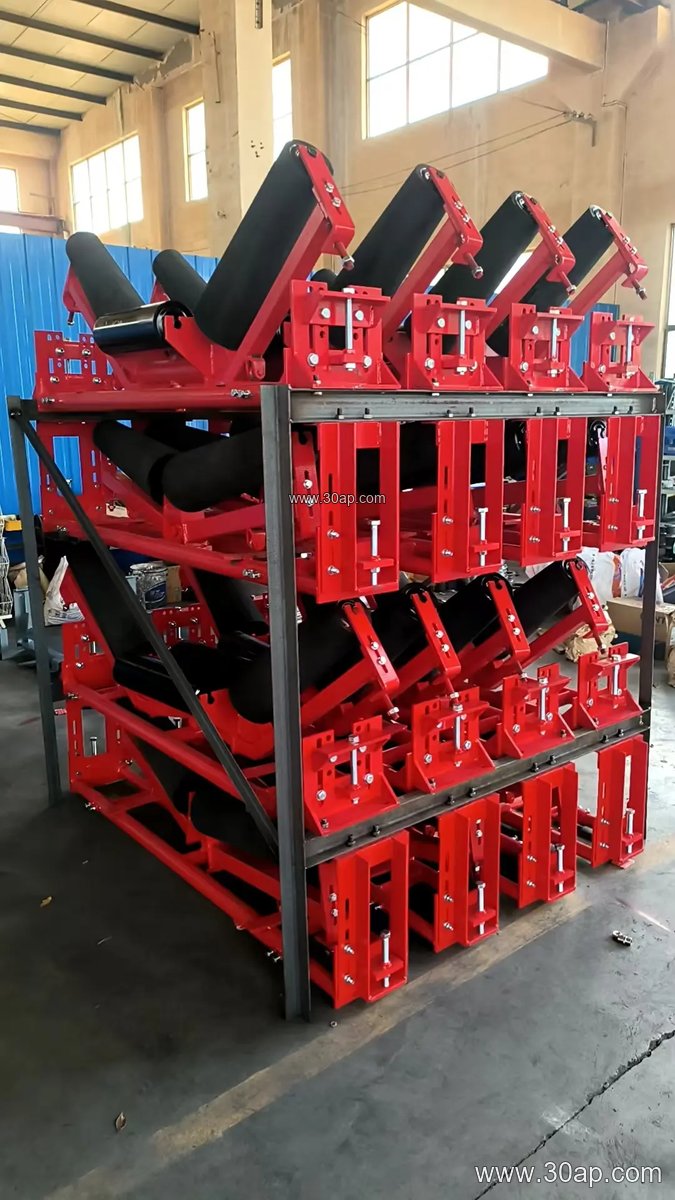
You will find return idler brackets in almost any bulk material handling line. In a limestone mine or a stone crushing plant, they support the return strand under a heavy-duty mining conveyor belt that carries coarse rock. In a coal washing plant, the bracket works with a flame retardant conveyor belt and a return idler roller that must resist fines and moisture. In a port ship loading facility, a wide conveyor belt such as a 1800mm or 2000mm belt needs a robust return bracket to keep the belt stable at high speed. The bracket also appears in steel plant sinter lines and in cement plant clinker transport, where heat resistant conveyor belt or abrasion resistant conveyor belt may be used. Each site has its own dust, moisture, and load profile, so the bracket material and coating should be selected accordingly.
Selection and Maintenance Notes for Buyers
When specifying a return idler bracket, confirm the belt width, the return idler diameter, and the mounting hole pattern on the conveyor frame. Ask whether the bracket is fixed or adjustable, and whether a flat or V-return configuration is needed for belt tracking. In a quarry or aggregate conveyor, a V-return bracket often helps keep the belt centered, while a flat bracket may be sufficient on a short transfer conveyor. Check that the bracket material matches the environment: painted steel for general use, galvanized or coated steel for wet or corrosive conditions. During maintenance, inspect the bracket for bent arms, elongated holes, or loose bolts. A damaged bracket can cause the return idler to sit unevenly, which leads to belt edge wear and premature idler failure. Replacing a worn bracket is usually faster and cheaper than replacing a damaged conveyor pulley or a section of conveyor belt.
For conveyor systems using an EP conveyor belt, a steel cord conveyor belt, or a fabric core conveyor belt, the return bracket should be matched to the belt tension and the idler load. The bracket does not carry the material load directly, but it must handle the belt weight and any dynamic forces from startup and stopping. Buyers should request a dimensional drawing before ordering, especially for wide belts such as B1800 or B2000, where small alignment errors become more noticeable. A well-chosen return idler bracket is a small but important part of keeping the whole conveyor line running smoothly.