What a Self-Aligning Idler Bracket Does
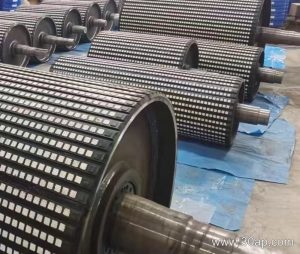
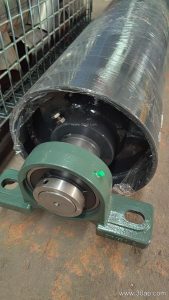
A self-aligning idler bracket is the mounting frame that holds a training idler in place and lets it pivot slightly to steer the conveyor belt back toward center. In quarry, limestone, and iron ore operations, a belt that wanders off its path can spill material, damage edges, and shut down the line. The bracket works with the idler roller to create a small corrective force whenever the belt drifts. It is not a substitute for a drive pulley, tail pulley, or bend pulley; those components transmit power and change belt direction, while the self-aligning bracket handles tracking at the carrying or return side.
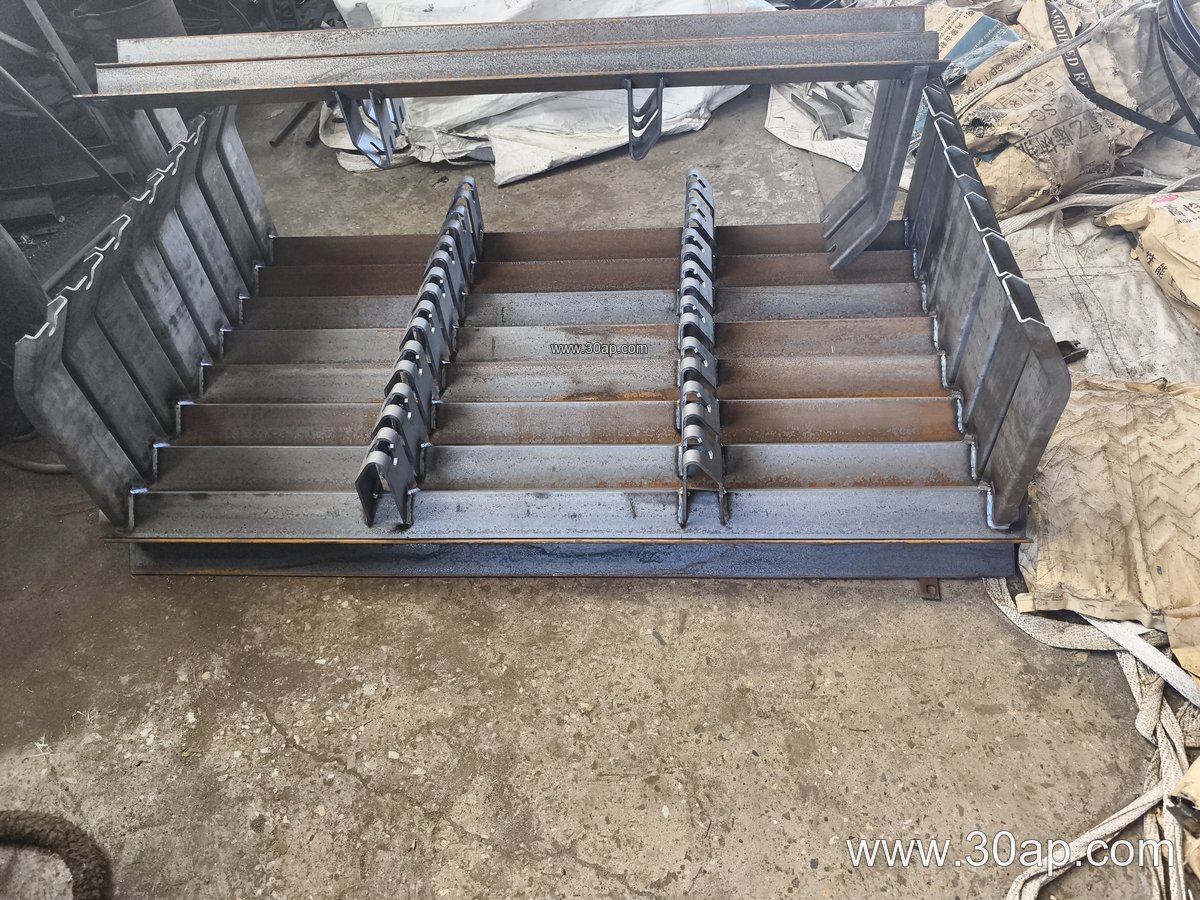
Construction and Common Mounting Positions
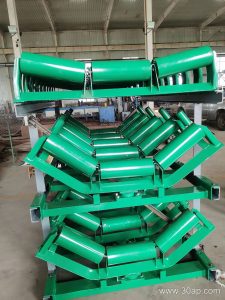
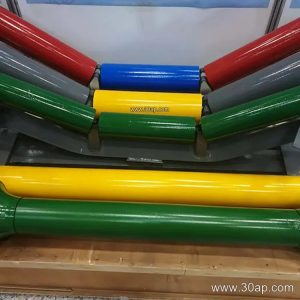
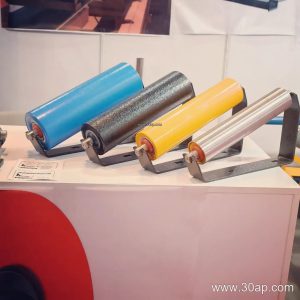
Most brackets are fabricated from angle steel, channel steel, or bent steel plate. The frame holds the idler shaft in a pivoting seat, often with a vertical pivot pin or a linkage that allows a few degrees of rotation. A self-aligning idler bracket can be placed on the carrying side as a training arrangement or on the return side to control the belt before it enters a conveyor pulley. In a cement plant or power plant coal yard, the bracket is usually bolted to the conveyor stringer, and the mounting hole spacing follows the belt width and frame design rather than a single fixed number.
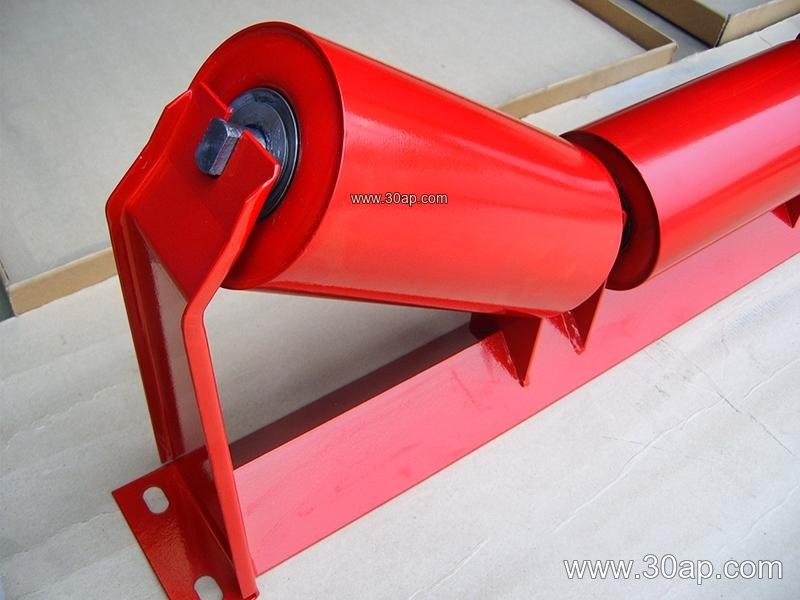
Where It Fits in Bulk Material Handling
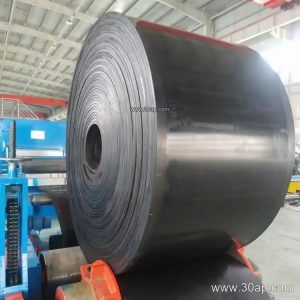
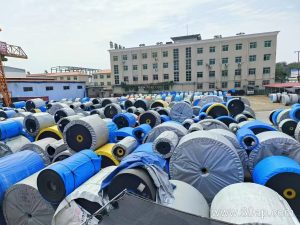
You will see this bracket in stone crushing lines, aggregate plants, and sinter or coke transport systems. It pairs naturally with a rubber conveyor belt, EP conveyor belt, or steel cord conveyor belt, depending on tension and load. A fabric core conveyor belt may need more frequent tracking attention on long transitions, while a heavy-duty mining conveyor belt benefits from a sturdy bracket that resists vibration. The bracket itself does not replace an impact idler bracket or a transition bracket; those serve different support duties. For example, a transition bracket eases the belt from flat to troughed profile, whereas the self-aligning version corrects lateral drift.
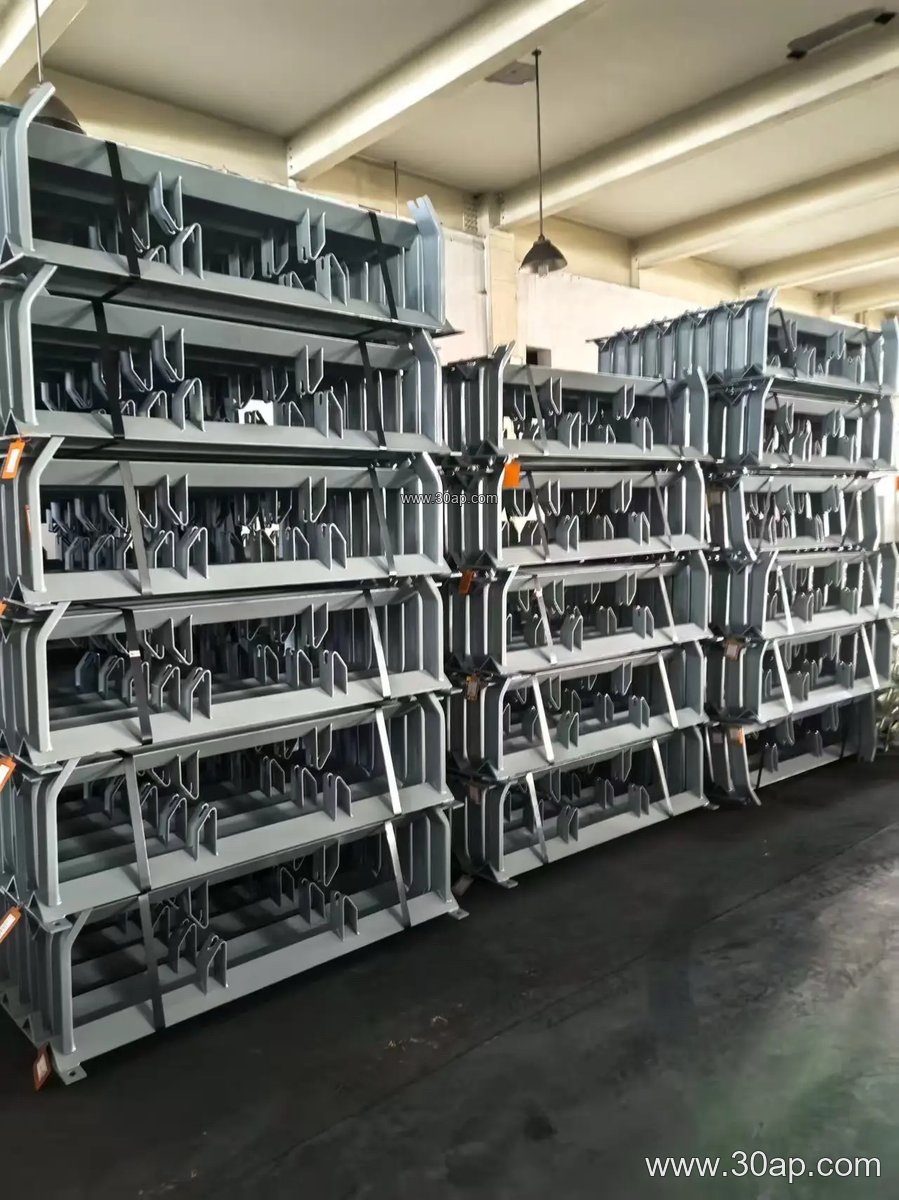
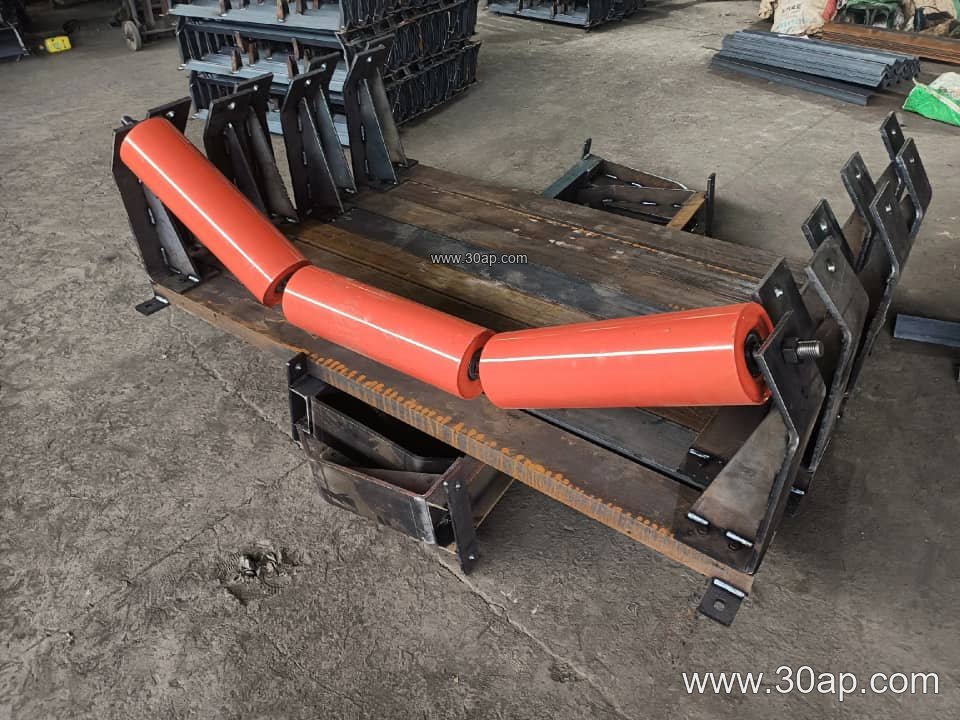
Parameters That Matter to Buyers
When specifying a self-aligning idler bracket, match the bracket to the belt width, trough angle, and idler diameter used on that conveyor. The table below shows common reference combinations; these are examples, not universal rules, and actual mounting dimensions are set by design.
| Belt Width | Trough Angle | Idler Diameter | Typical Bracket Use |
|---|---|---|---|
| B650 | 30 degrees | Ø89 | Light aggregate or sand line |
| B800 | 35 degrees | Ø108 | Quarry or cement plant |
| B1000 | 35 degrees | Ø133 | Iron ore or coal handling |
| B1200 | 45 degrees | Ø133 | Heavy mining conveyor belt |
| B1400 | 45 degrees | Ø159 | Power plant coal conveyor |
Adjustable brackets allow the trough angle to be set between common values such as 20, 30, 35, and 45 degrees. Forward tilt of about 1.5 to 2 degrees is sometimes built into the training idler arrangement. Buyers should confirm the bracket material, pivot clearance, and whether the frame is fixed or adjustable. A fixed bracket is simpler and lower maintenance, while an adjustable self-aligning idler bracket lets maintenance crews fine-tune tracking after belt installation.
Selection and Maintenance Notes
Check that the bracket suits the conveyor bracket hole pattern on your stringer and that the pivot moves freely without binding. On a pipe conveyor belt or a corrugated sidewall conveyor belt, tracking forces differ from a flat belt, so the bracket position and idler type should follow the conveyor designer’s layout. Keep the pivot area clean; dust from limestone, coal, or clinker can stiffen the movement. Pair the bracket with well-balanced idler rollers and inspect belt edges for wear. If the belt still drifts after bracket adjustment, check pulley alignment and loading conditions before changing the bracket.