What a Ceramic Rubber-Lined Pulley Is
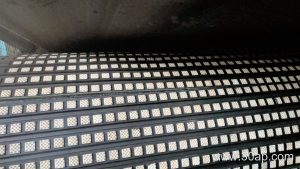
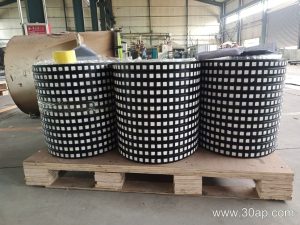
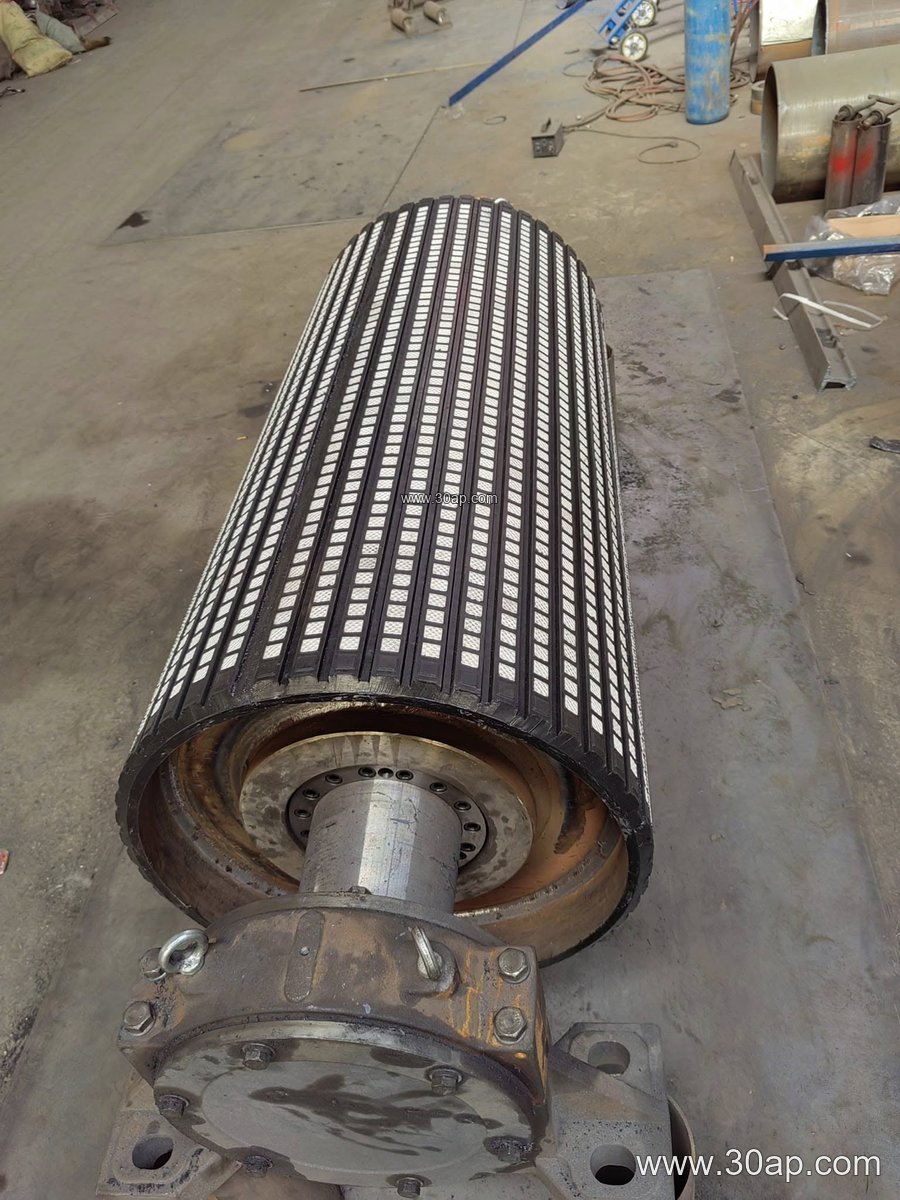
A ceramic rubber-lined pulley is a conveyor pulley whose shell is covered with rubber that contains embedded ceramic tiles. The rubber holds the ceramic elements in place, while the ceramic provides the actual wear surface. This combination is used where a standard rubber lagging would wear through too quickly, especially at drive positions where slip and abrasive dust act together. In many plants the same component is called a ceramic lagged pulley or ceramic pulley lagging, and both names describe the same product.
The pulley itself is a welded steel drum with shaft, bearing housings and end discs. What makes it different is the covering: a rubber layer bonded to the shell, with ceramic tiles set into the rubber in a regular pattern. The tile pattern and rubber thickness influence grip and wear life, so buyers should treat the covering as an engineered part rather than a simple accessory.
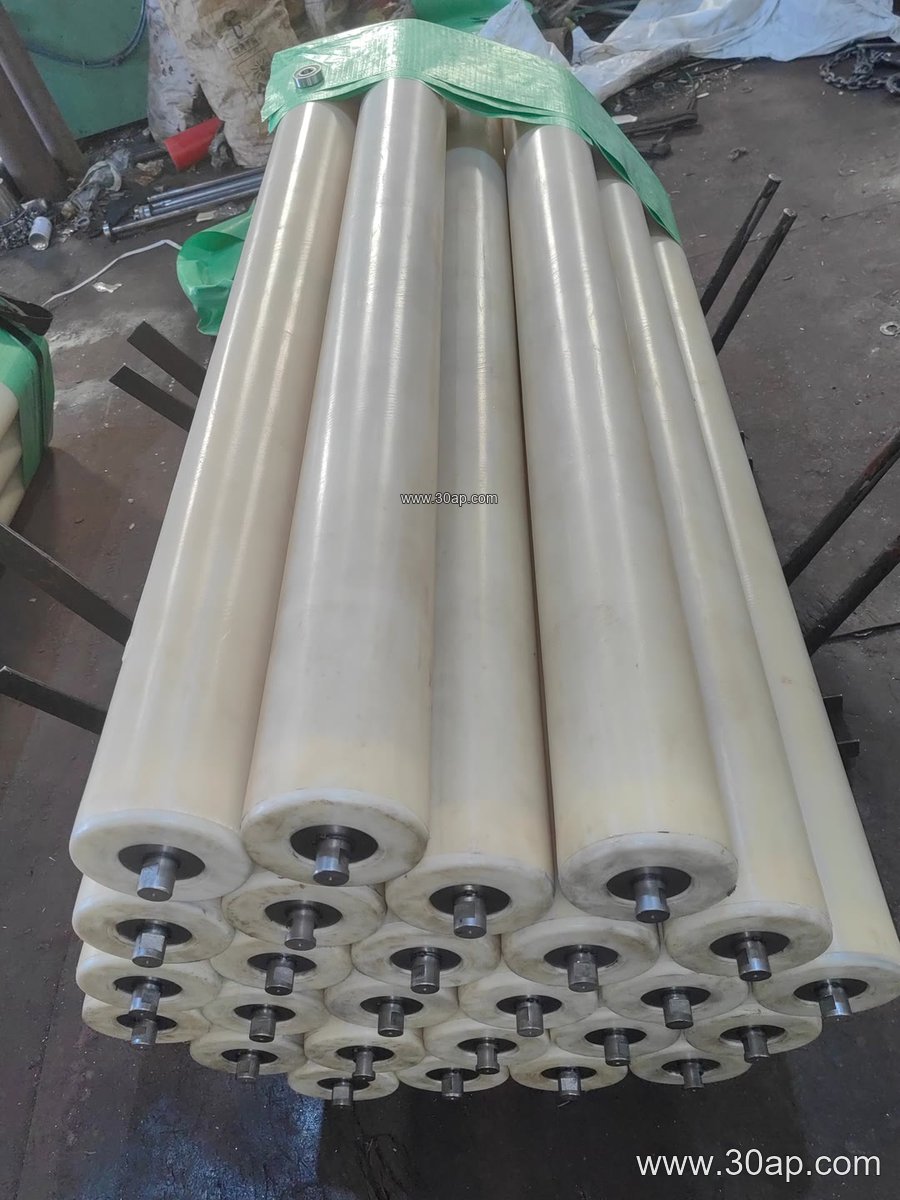
How the Lining Is Built
Most ceramic rubber-lined pulleys use a rubber base that is either hot vulcanized or cold bonded to the pulley shell. Ceramic tiles are then embedded so that their tips sit slightly above the rubber surface. The exposed ceramic touches the conveyor belt and takes the abrasion, while the rubber between the tiles provides flexibility and helps shed fines.
- Rubber base: commonly 8, 10, 12, 15 or 20 mm thick, selected according to duty.
- Ceramic tiles: small blocks arranged in rows, diamonds or staggered patterns.
- Bonding method: hot vulcanized for heavy duty, cold bonded for field replacement.
- Surface form: plain ceramic, grooved or patterned layouts depending on grip requirements.
Because the ceramic is hard and the rubber is resilient, the lining handles both sliding wear and impact from lumpy material. It is not a substitute for a bend pulley or a tail pulley; those positions have their own design priorities, and the ceramic lining is chosen mainly for drive or high-wear contact points.
Where It Fits in a Conveyor
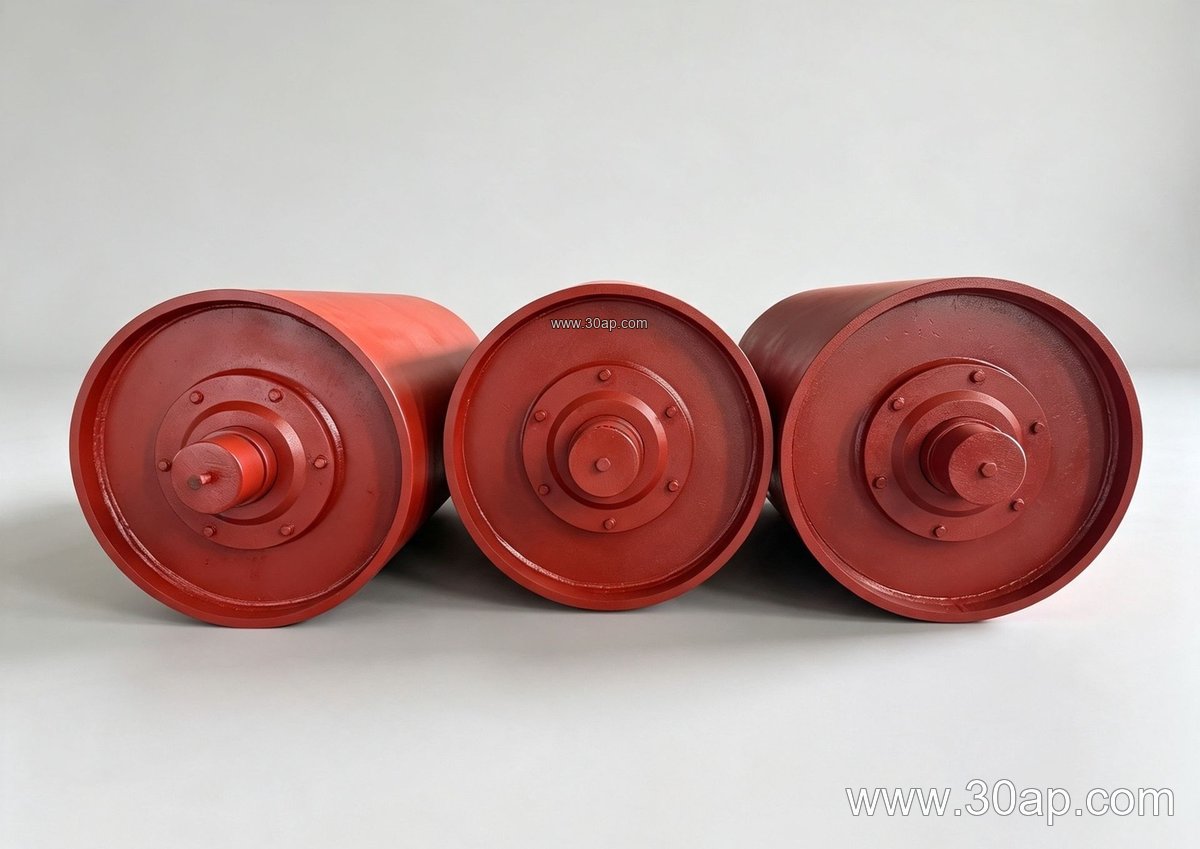
The most common position is the drive pulley, where torque transfer and belt slip create heat and wear. It also appears on head pulleys in dusty circuits and on some tension pulleys where abrasive carryback collects. Typical industries include limestone quarries, iron ore plants, cement clinker lines, coal washing plants, power station coal handling and sand and aggregate yards.
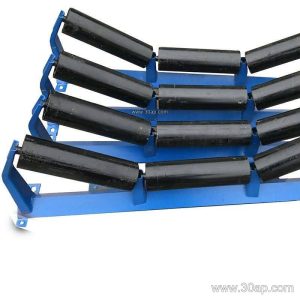
In a quarry line, a ceramic rubber-lined pulley on the head end can outlast plain rubber lagging when the belt carries sharp stone dust. In a cement plant, the same pulley benefits from the rubber’s ability to tolerate fine alkaline dust. The lining does not replace the need for a proper conveyor bracket, alignment and take-up; those parts still determine how evenly the belt tracks.
Matching the Pulley to Belt and Duty
Selection starts with belt width, belt tension and the amount of abrasive material present. Pulley face width is usually a little wider than the belt, for example a B800 belt commonly runs on a face around 950 mm, and a B1200 belt on a face around 1400 mm. Diameter is chosen from torque and belt wrap, not from width alone. A B800 × Ø500 and a B1200 × Ø1000 are both reasonable combinations in different duties, and a B1400 × Ø800 may suit a low-tension tail or snub position. None of these are fixed pairings.
| Reference item | Common range | Note |
|---|---|---|
| Belt width | B400 to B2400 | Face width usually slightly larger |
| Pulley diameter | Ø200 to Ø1800 | Set by torque and wrap angle |
| Lining thickness | 8 to 20 mm | Thicker for high abrasion |
| Shaft diameter | Ø50 to Ø200 | Calculated from load, not width |
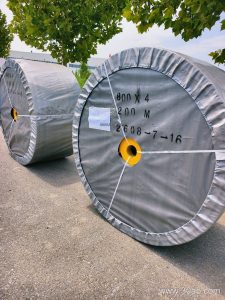
For a heavy-duty mining conveyor belt carrying ore, a larger diameter and thicker lining reduce bending stress in the belt. For a lighter aggregate conveyor belt, a smaller drum with 10 mm lining may be enough. The belt type matters too: an abrasion resistant conveyor belt and a heat resistant conveyor belt place different demands on the lagging, and a steel cord conveyor belt needs a drum diameter that respects its cord construction.
Buyer Checklist
- Confirm the pulley position: drive, head, tension or snub, since each has different wear patterns.
- State belt width, belt type and maximum tension so the supplier can size the shell and shaft.
- Ask for the lining thickness and ceramic pattern, not just “ceramic lagging”.
- Check that the pulley face width suits the belt and that the conveyor bracket interface is defined.
- Plan inspection of tile loss and rubber wear during scheduled shutdowns.
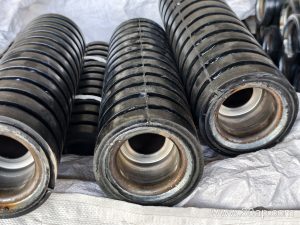
Ceramic lining adds grip and wear resistance, but it also adds weight and cost. It pays back where abrasive fines and slip are constant, and it is often paired with a well-chosen conveyor pulley, idler roller and belt cleaning system. Buyers comparing options can weigh it against plain rubber or diamond lagging using actual belt tension, material size and expected service interval. For plants running an EP conveyor belt or a multi-ply fabric core conveyor belt in dusty service, the ceramic version is worth considering wherever the current lagging fails early.