What the EP1000 1200mm Conveyor Belt Is
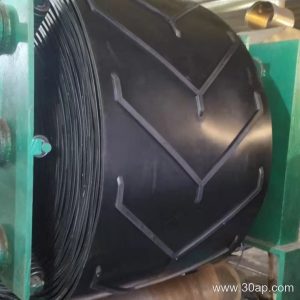
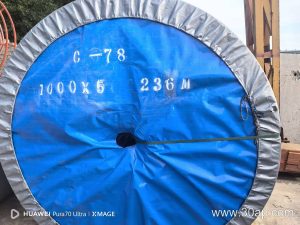
The EP1000 1200mm conveyor belt is a heavy-duty fabric-core belt built on polyester-polyamide (EP) carcass plies. The designation indicates a nominal tensile strength of 1000 N/mm per ply and an overall belt width of 1200 mm. This combination places it in the high-strength segment of EP conveyor belting, suitable for moving large tonnages over long distances in mining, cement, steel, and power plant operations.
As a fabric-core belt, it differs from a steel cord conveyor belt, which relies on steel wires for tension. The EP1000 grade is often chosen where impact resistance and flexibility around smaller pulleys are important, and where the belt will run on conventional three-roll idler stations.
Construction and Material Build
The carcass typically consists of multiple EP fabric plies, commonly two to six layers depending on the required strength and safety factor. Rubber covers protect the carcass from abrasion, impact, and environmental attack. Cover thickness is usually specified as top cover plus bottom cover, with common combinations such as 4+2 mm, 5+2 mm, or 6+2 mm for heavy-duty service.
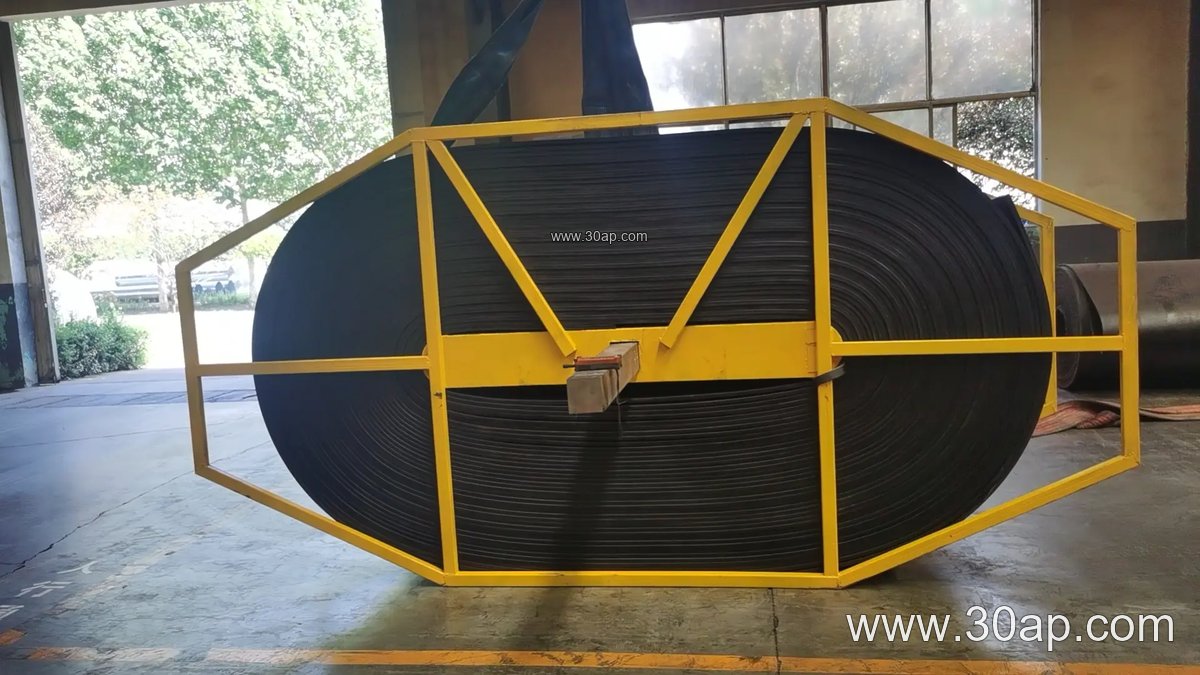
Buyers can specify cover compounds for specific conditions. An abrasion resistant conveyor belt is common in quarry and aggregate duty, while a heat resistant conveyor belt suits cement clinker or sintered ore. For underground coal mining, a flame retardant conveyor belt or anti-static conveyor belt may be required by site rules.
Typical Applications
The 1200 mm width is a workhorse size in bulk material conveyor systems. It appears in primary crushing circuits, stockyard conveyors, and ship loading lines. In a copper ore or iron ore operation, the EP1000 belt may feed a cone crusher or carry screened product to a stacker. In a cement plant, it can move limestone, clinker, or additives between process stages.
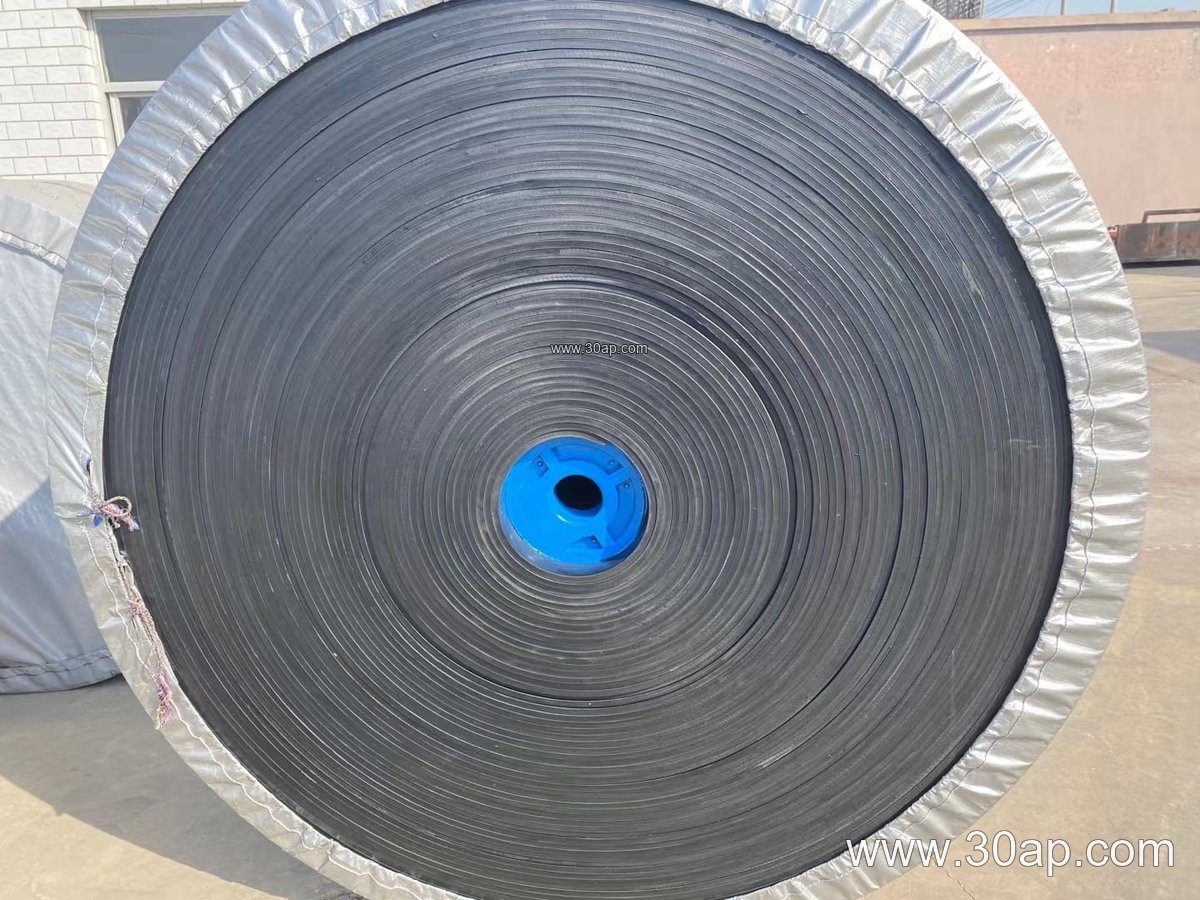
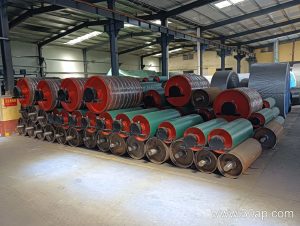
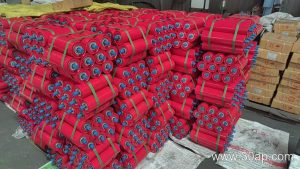
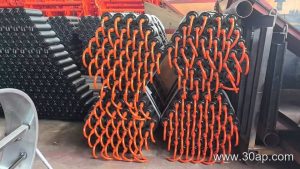
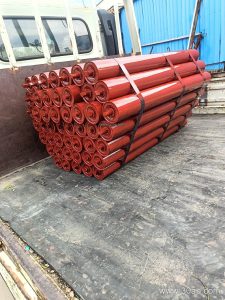
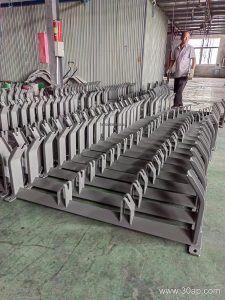
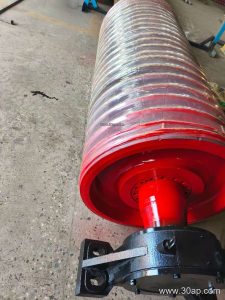
Because of its width, the belt matches well with 1200 mm wide conveyor pulley faces, troughing idler roller sets, and conveyor bracket assemblies designed for that belt width. The belt does not dictate a single pulley diameter; drive, tail, and bend pulleys are selected by the conveyor designer based on tension, wrap angle, and shaft loads.
Key Specifications to Confirm
When specifying an EP1000 1200mm conveyor belt, several parameters should be agreed with the supplier. The table below lists common reference values, not universal guarantees.
| Parameter | Common Reference |
|---|---|
| Belt width | 1200 mm (B1200) |
| Nominal strength | EP1000 (1000 N/mm per ply) |
| Carcass plies | 2 to 6 layers, by design |
| Top cover thickness | 4 mm, 5 mm, 6 mm, or 8 mm |
| Bottom cover thickness | 1.5 mm, 2 mm, or 3 mm |
| Cover compound | Abrasion, heat, oil, flame retardant, anti-static, as needed |
| Belt edge | Cut edge or molded edge |
Other EP strength grades in the same family include EP200, EP400, EP630, EP800, and EP1250. The choice depends on the calculated belt tension and the required safety factor, not on belt width alone.
Selection and Use Notes
An EP1000 belt is not automatically the right choice for every 1200 mm conveyor. The conveyor designer should check the maximum operating tension, take-up travel, pulley diameters, and idler spacing. A belt with higher strength than needed may be stiff and costly, while an under-strength belt risks ply separation and edge damage.
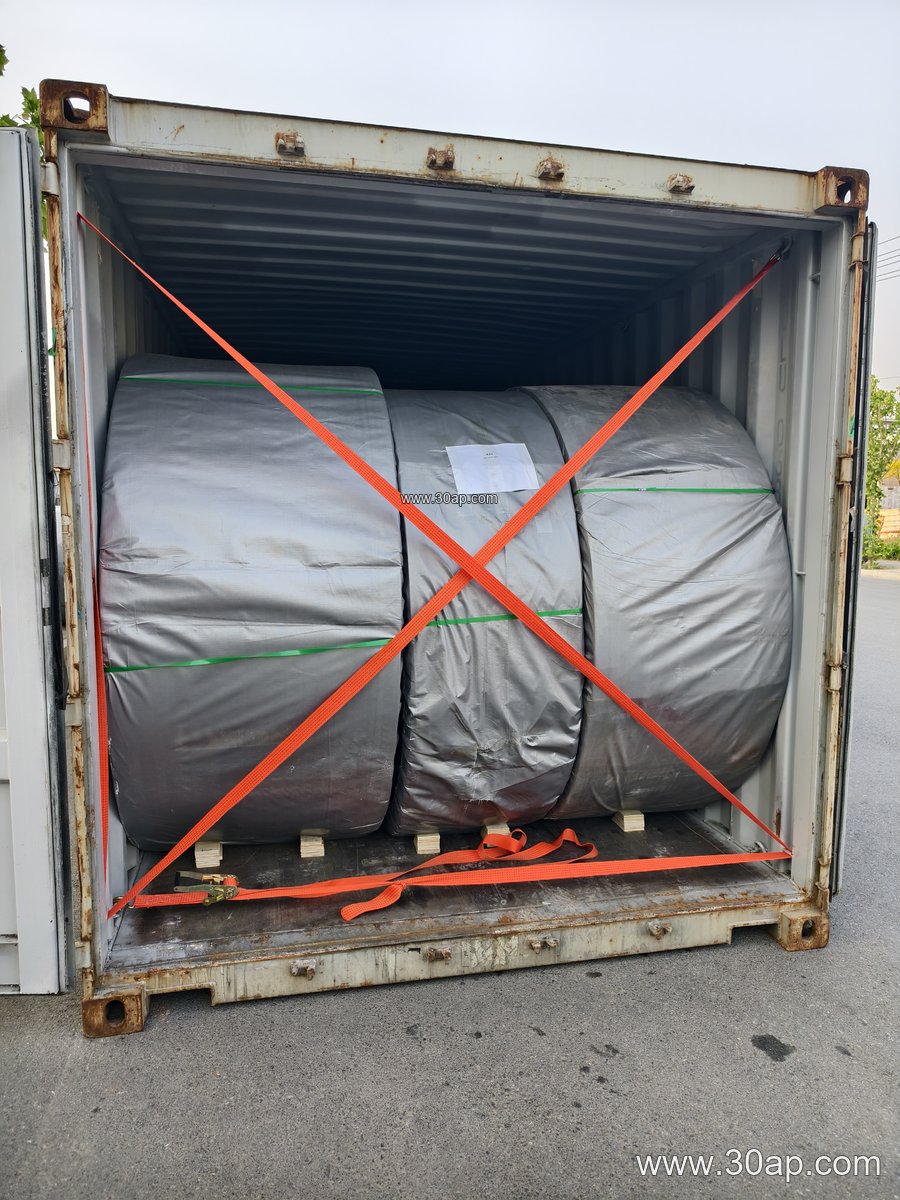
For abrasive rock, a high abrasion resistant conveyor belt grade is worth considering. For hot materials, verify the actual material temperature and choose a suitable high temperature conveyor belt compound. In cold climates, a cold resistant conveyor belt may be needed to prevent cover cracking.
Installation matters as much as the belt specification. Correct alignment of the conveyor pulley and idler roller frames, proper belt tension, and clean skirtboard clearance help prevent edge wear and mistracking. Spare belts should be stored flat, away from sunlight and ozone sources.
Buyer Checklist
- Confirm the required belt strength and safety factor with the conveyor designer.
- State the material type, lump size, temperature, and any oil or chemical exposure.
- Specify cover thickness and compound based on the duty.
- Provide pulley diameters and idler spacing so the belt can be matched to the system.
- Ask for the manufacturer’s data sheet for the exact EP1000 1200mm conveyor belt construction.
Used with the right conveyor pulley, idler roller, and bracket arrangement, this belt can serve as a reliable component in demanding bulk handling circuits.