What a Motor-Driven Pulley Does
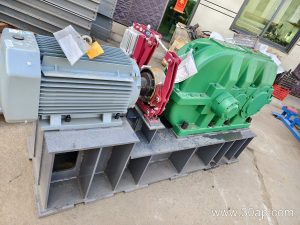
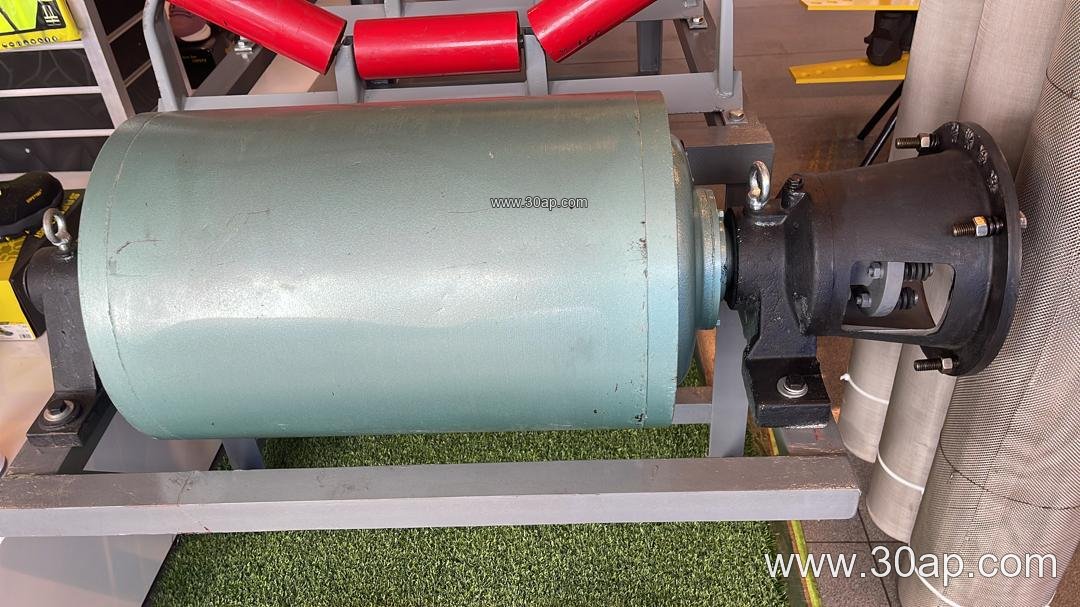
A motor-driven pulley is a conveyor pulley with an integrated motor and gearbox inside the drum shell. Instead of an external drive unit coupled to the shaft, the power train sits within the pulley body, making the unit compact and well protected. This design is often called a drum motor or motorized pulley, and it is used to drive the conveyor belt directly at the head or discharge end. In aggregate plants, cement lines, and power station coal handling, this integrated drive helps save space and reduces exposure of moving parts to dust and water.
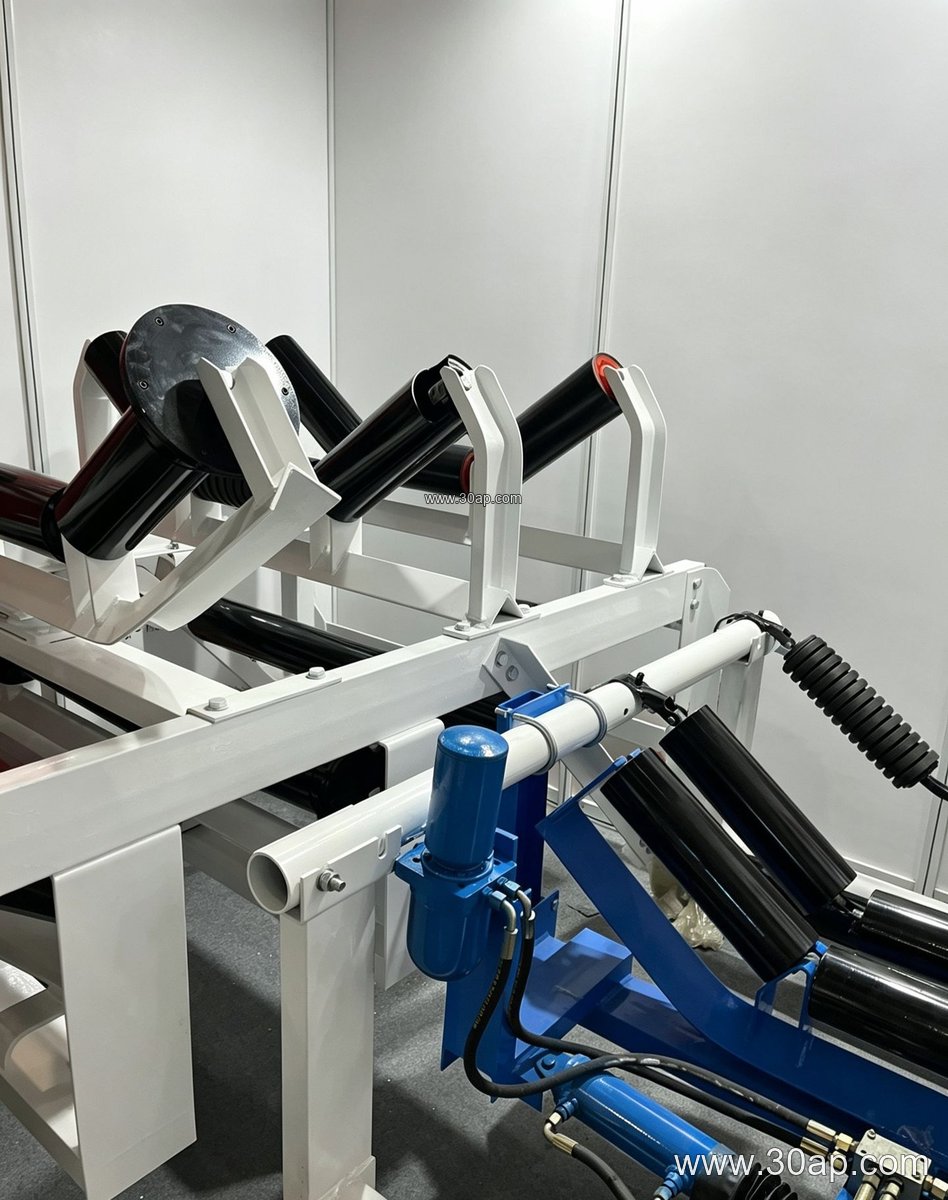
The pulley works together with the conveyor belt, idler rollers, and conveyor brackets to form a complete conveyor system. The belt wraps around the motorized drum, and friction between the lagged surface and the belt cover transmits the driving force. Proper belt tension and alignment are essential for reliable operation.
Construction and Key Components
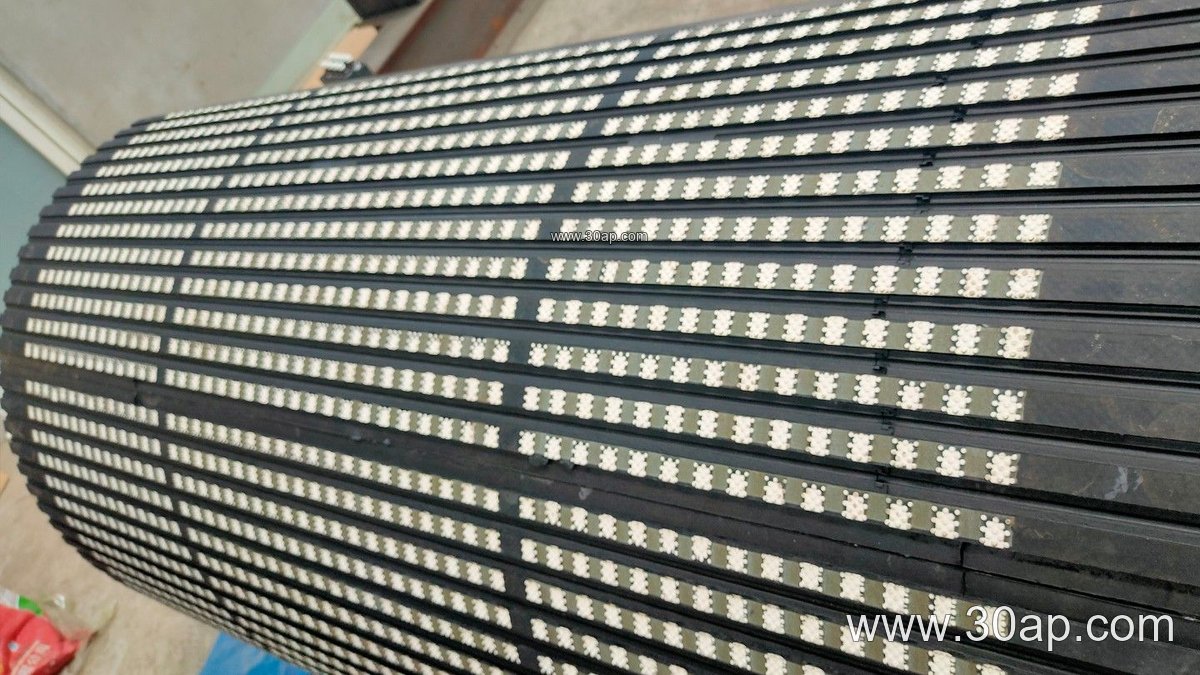
Inside the shell, a motor and a multi-stage gear reducer are mounted on a fixed shaft. The shell rotates on bearings, and the reaction torque is taken by a torque arm or a fixed shaft end. The shell is usually machined from steel tube and may be lagged with rubber, ceramic, or other materials to improve grip. Common surface options include plain, diamond lagging, herringbone lagging, and ceramic lagging. Lagging thickness often ranges from 8 mm to 20 mm, depending on the duty.
The pulley diameter and face width are selected according to belt width and power requirements. For example, a B800 belt may use a pulley face width around 950 mm, while a B1200 belt may use about 1400 mm. Diameters such as Ø500, Ø630, or Ø800 are common, but the final choice depends on belt speed, torque, and the desired wrap angle. Shaft diameter is determined by torque and load, not simply by belt width.
Where It Fits in the Conveyor
Motor-driven pulleys are frequently installed at the head of the conveyor as the drive pulley, but they can also serve as a tail pulley in some compact systems. They are less common as bend pulleys or take-up pulleys, because those positions usually use non-driven rollers. In a quarry or a sand and gravel line, a motorized head pulley can simplify the drive arrangement and reduce the number of exposed rotating parts. In underground coal mining, flame retardant conveyor belt and anti-static properties are important, and the motorized pulley must be selected with suitable protection for the environment.
When compared with a conventional drive pulley and external gearbox, the motor-driven type offers a smaller footprint and easier installation. However, it requires careful consideration of heat dissipation and maintenance access. In a cement plant or a steel plant, where dust and high temperatures may be present, the pulley should be specified with adequate cooling and sealing.
Matching the Pulley to the Belt and Load
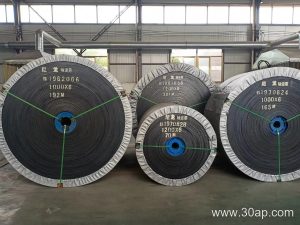
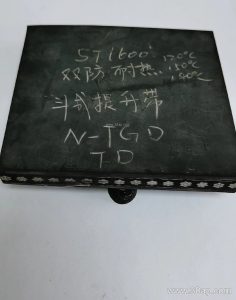
The motor-driven pulley must match the conveyor belt in width and tension rating. A heavy-duty mining conveyor belt, such as a steel cord conveyor belt or a multi-ply fabric core conveyor belt, may require a larger pulley diameter to reduce bending stress. For a EP conveyor belt or NN conveyor belt, the recommended minimum pulley diameter is usually related to the number of plies and the cord construction. The table below gives some common reference combinations, but these are examples only and not fixed rules.
| Belt Width | Typical Pulley Face Width | Example Diameter Range |
|---|---|---|
| B500 | 600 mm | Ø250–Ø400 |
| B650 | 750 mm | Ø315–Ø500 |
| B800 | 950 mm | Ø400–Ø630 |
| B1000 | 1150 mm | Ø500–Ø800 |
| B1200 | 1400 mm | Ø630–Ø1000 |
| B1400 | 1600 mm | Ø800–Ø1250 |
Belt speed and material characteristics also matter. An abrasion resistant conveyor belt used for iron ore or copper ore may need a robust lagging to prevent slip. A heat resistant conveyor belt in a sinter plant or a foundry may require a pulley designed to withstand radiant heat. For food grade or cold resistant applications, special rubber compounds and surface finishes are available.
Buyer Checklist
- Confirm the required power, belt speed, and starting torque.
- Check the belt width and the recommended pulley diameter for the belt type, such as EP1000 or ST1600.
- Select lagging type and thickness based on grip and wear: diamond, herringbone, or ceramic.
- Verify the shaft diameter and bearing life for the actual load.
- Consider environmental factors: dust, water, temperature, and fire safety.
- Plan for maintenance access and spare parts availability.
Whether you are upgrading a conveyor in a limestone mine, a coal washing plant, or a port bulk terminal, the motor-driven pulley can be a space-saving solution when specified correctly. Work with your conveyor belt supplier and pulley manufacturer to ensure the drive, belt, and idler rollers form a compatible system. For more information on conveyor pulleys and related components, visit our site at www.example.com/conveyor-pulley and www.example.com/motor-driven-pulley.