What a High Wear-Resistant Lagged Pulley Does
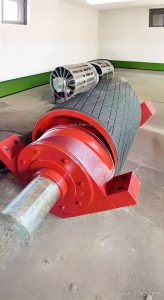
A high wear-resistant lagged pulley is a conveyor pulley whose shell is covered with a tough rubber or ceramic layer to protect both the drum face and the belt. The lagging raises friction between the pulley and the conveyor belt, reduces slip, and shields the shell from abrasive material that would otherwise grind it thin. It is most often seen on drive pulleys, where torque transfer matters, but the same wear-resistant coating can be applied to a tail pulley or a bend pulley when the duty is harsh. On a quarry conveyor or an ore conveyor, this component often outlasts a plain steel drum by a wide margin.
The product name is descriptive rather than a single standard part number. Buyers typically specify the pulley type, shell diameter, face width, shaft size, and lagging material together, so a high wear-resistant lagged pulley is always configured for a specific conveyor.
How the Lagging Is Built
The core is a welded steel shell with end discs and a shaft, machined so the lagging sits flat. Several surface forms are common, and the choice affects grip and release of material:
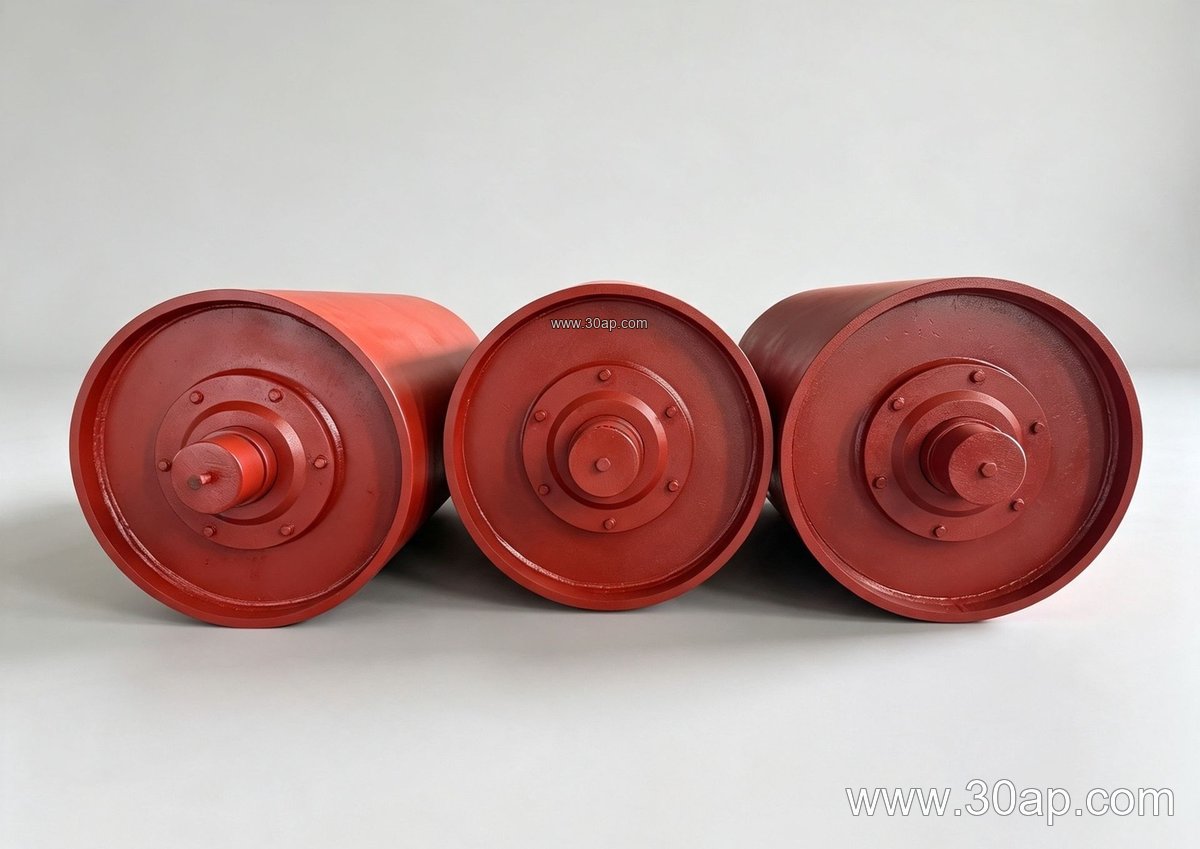
- Plain rubber lagging for general grip
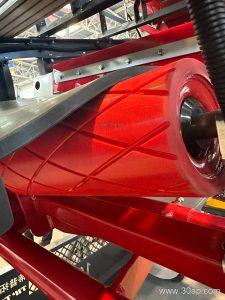
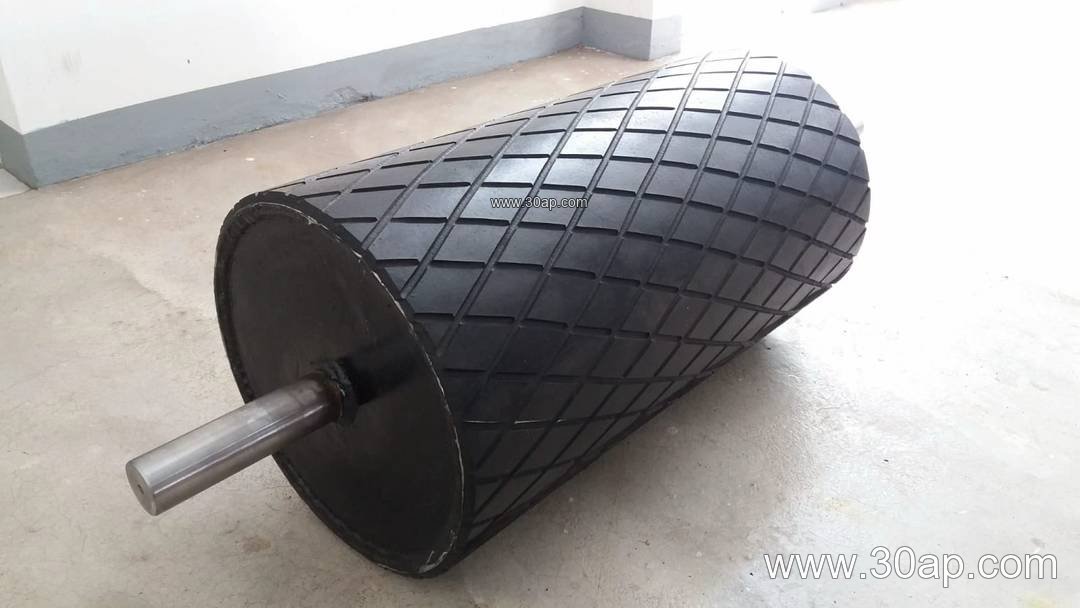
- Diamond pattern lagging to shed water and fines
- Herringbone lagging for better traction in one direction
- Ceramic lagging for the most abrasive duty
Rubber can be bonded by hot vulcanization or cold vulcanization, and both are used where the pulley must resist wear without losing its grip. Thickness usually ranges from 8 mm to 20 mm; thicker covers suit coarse, sharp rock, while thinner covers keep weight and cost down on lighter service. Ceramic tiles set in a rubber matrix are chosen when the lagging faces sharp ore or sinter. A high wear-resistant lagged pulley is not the same as a bald drum, and it should not be confused with a bend pulley used only to change belt direction.
Where It Fits on the Conveyor
The most common location is the drive pulley at the head of the conveyor, where the belt wraps the drum and the lagging carries the pull. In a coal mining conveyor or a power plant coal handling line, the drive drum works in dust and moisture, so a diamond or ceramic cover helps keep the belt from slipping. In a limestone quarry or aggregate line, the same wear-resistant lagging protects the shell from grit that lodges between belt and drum.
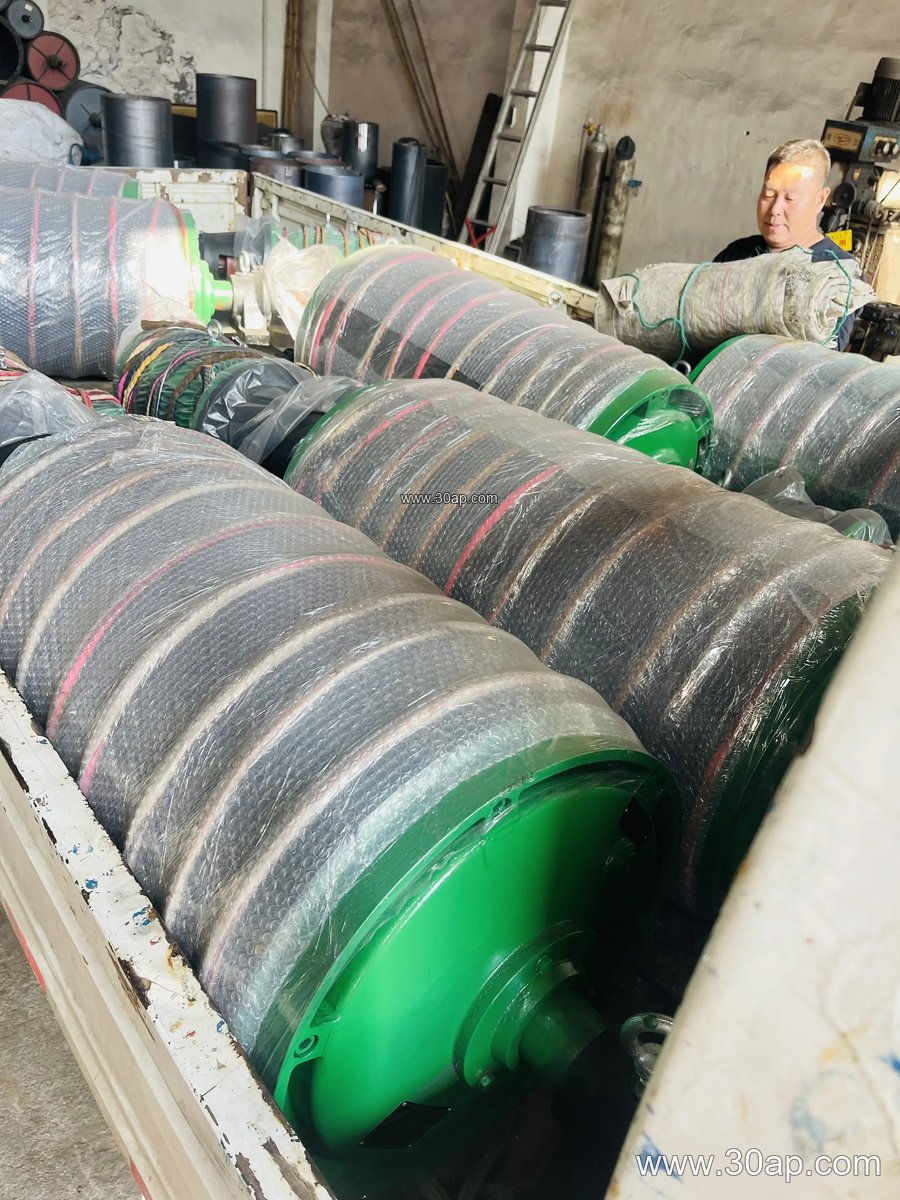
A tail pulley can also be supplied with lagging when the belt is heavily loaded and needs extra traction at the return end. A bend pulley rarely needs a heavy cover, since it only redirects the belt, but a wear-resistant surface can still be useful where abrasive dust settles. Understanding the difference between drive, tail, and bend positions matters when ordering, because each position sees different loads and different wear patterns.
Linking Pulley and Belt Choice
The lagging and the conveyor belt work as a pair. A heavy-duty mining conveyor belt with a thick cover, such as an abrasion resistant conveyor belt or a steel cord conveyor belt, needs a pulley face that can grip without cutting the belt. For long overland lines, a steel cord or high strength conveyor belt may run over a large drive pulley, and the lagging must match the belt’s stiffness and the torque it carries.
In coal mines, a flame retardant conveyor belt or a PVG conveyor belt is often paired with a lagged drive drum, and the lagging should be chosen with the same fire-safety expectations in mind. In cement plants, a heat resistant conveyor belt may pass near hot clinker, so the pulley cover should tolerate warmth without softening. Where fines are wet and sticky, a chevron conveyor belt or a corrugated sidewall conveyor belt may need a pulley that releases material cleanly, which makes pattern choice important.
Typical Sizes and Selection Notes
Pulleys are built around belt width and shaft load, not around a single fixed formula. Common combinations include B800 × Ø500, B1200 × Ø1000, and B1400 × Ø800. Face width is usually a little wider than the belt, for example B650 with about 750 mm face, B1000 with about 1150 mm, and B1600 with about 1800 mm. Shaft diameter follows torque and bearing load; Ø80, Ø100, Ø120, and Ø160 are common, but the final figure is set by design.
When specifying, give the conveyor belt width, the pulley position, the belt speed, the material, and the ambient conditions. State whether the site needs a diamond, herringbone, plain, or ceramic surface, and note the lagging thickness you expect. A high wear-resistant lagged pulley is a long-term investment in uptime, and matching it to the belt and the duty is more important than picking a size from a table.
Maintenance and Buyer Checks
Check lagging wear at each shutdown. Worn grooves, exposed ceramic, or a polished surface all signal that grip is dropping. Keep the pulley clean and confirm that the conveyor bracket and bearing housing are secure, since a loose drum accelerates wear. Pair the pulley with well-aligned conveyor idler rollers and a properly tensioned belt to avoid slip and edge damage. For spare parts planning, record the shell diameter, face width, shaft size, and lagging type so a replacement matches the original design.