What a Welded Pulley Is and Why It Matters
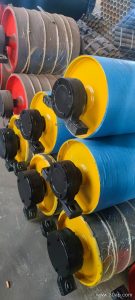
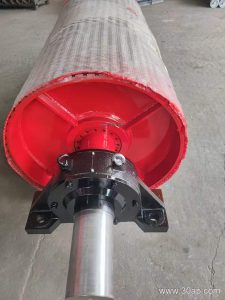
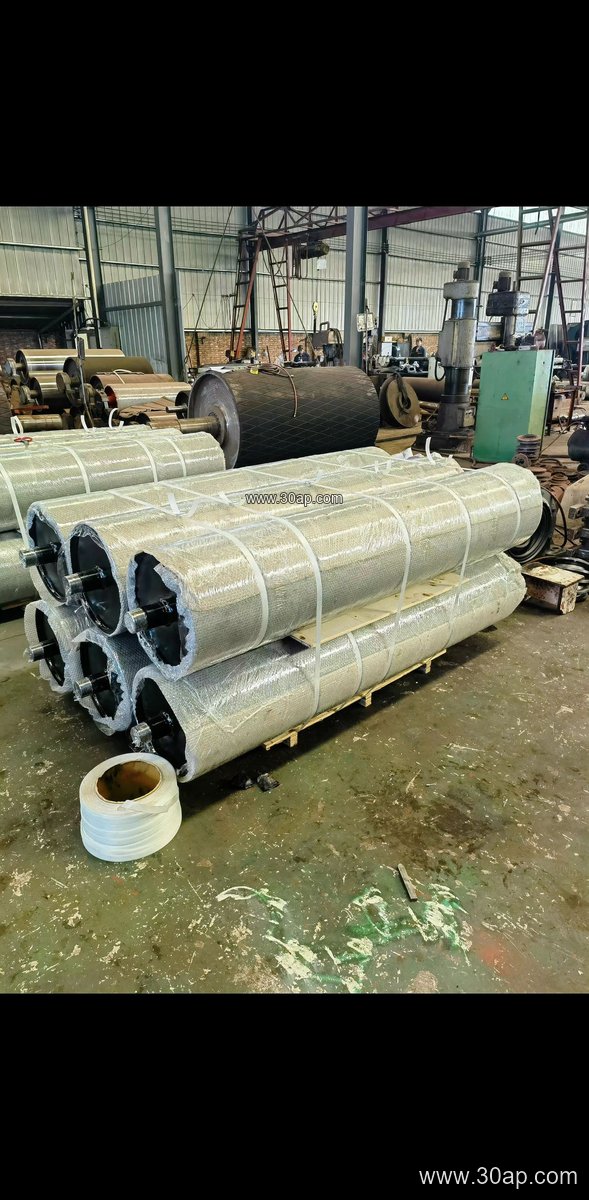
A welded pulley is a conveyor pulley whose shell, end discs, and hub are joined by welding rather than by casting or bolting. In aggregate and cement plants, this construction is common for head, tail, and bend positions where the pulley must handle abrasive dust, moderate shock loads, and continuous operation. The welded pulley is often referred to as a welded conveyor pulley, and it serves the same role as any conveyor pulley: supporting and driving the conveyor belt while maintaining alignment and tension.
Unlike a drive pulley or a tail pulley, which are position-specific, the welded pulley can be built for different duty points. A bend pulley, for example, changes belt direction and may use a lighter shell, while a drive pulley needs a heavier hub and shaft connection. These are not interchangeable names, and a welded pulley should be specified for its actual location on the conveyor.
Construction Details That Affect Performance
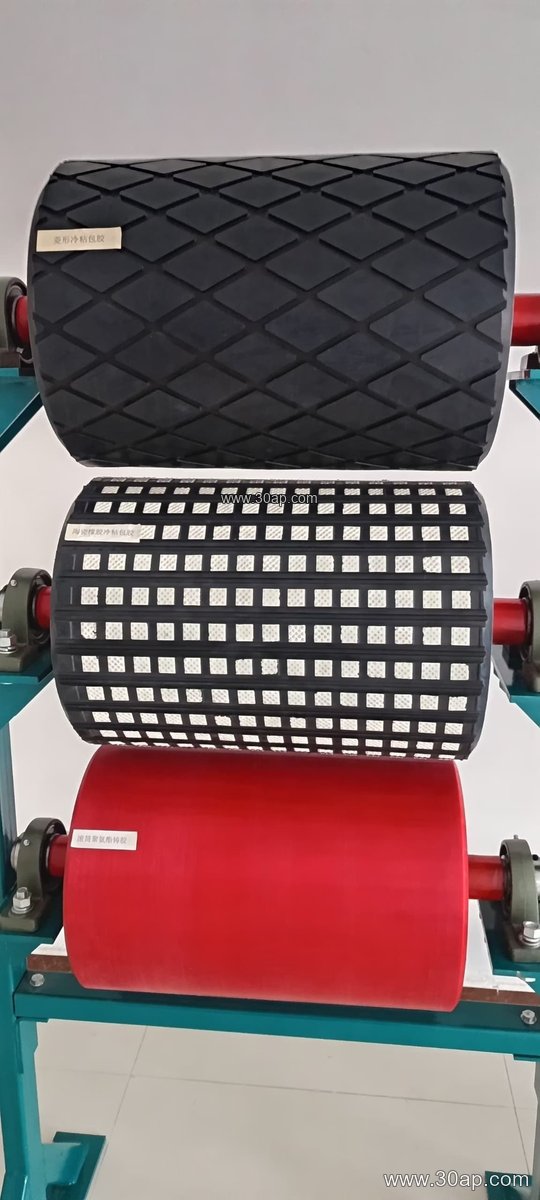
The shell is usually rolled from steel plate, with end discs welded to both ends. The hub is welded to the end disc and machined to accept the shaft. For larger diameters, internal stiffening rings may be added. Surface options include plain finish, cast rubber, cold-bonded rubber, hot vulcanized rubber, diamond grooving, herringbone grooving, and ceramic lagging. Lagging thickness commonly ranges from 8 mm to 20 mm, depending on the belt and material handled.
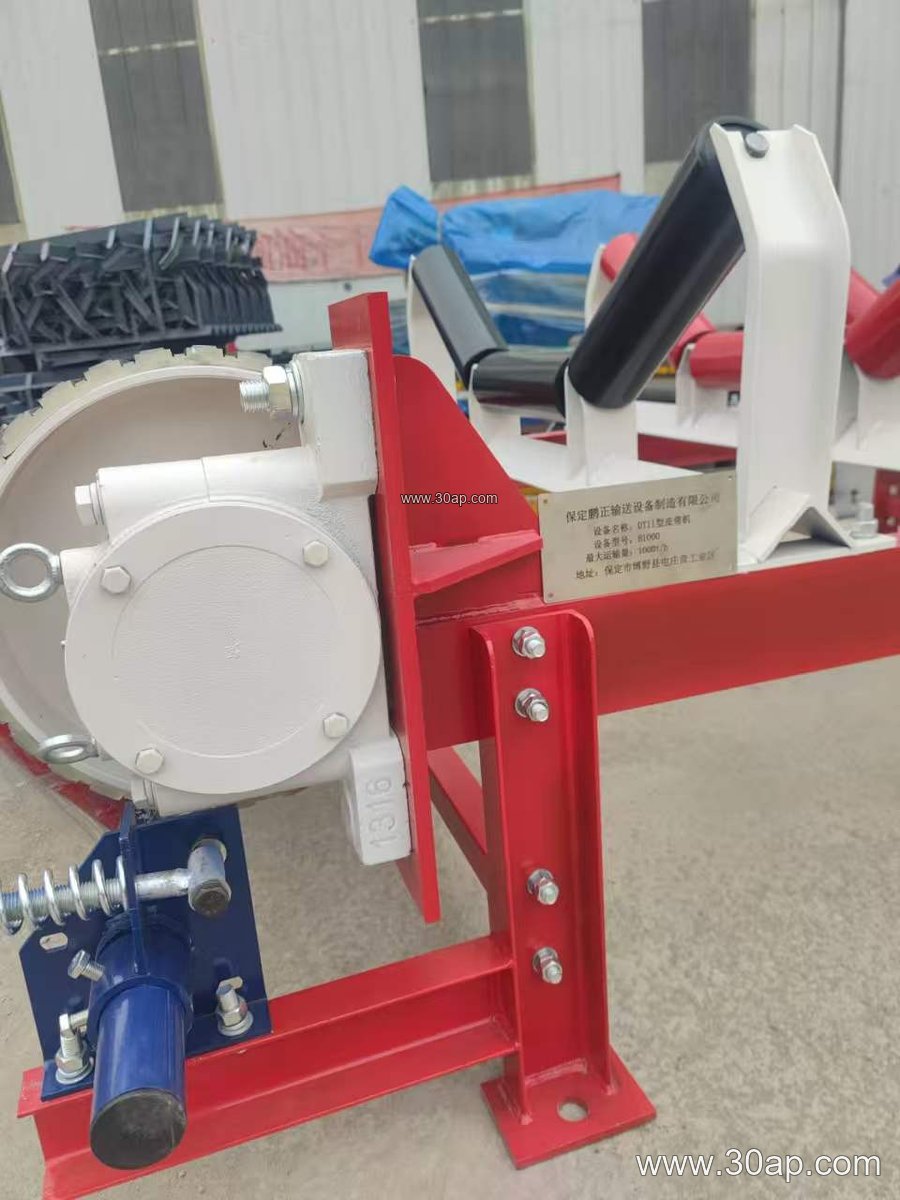
Common belt widths include B400, B500, B650, B800, B1000, B1200, B1400, B1600, B1800, B2000, B2200, and B2400. The pulley face width is usually slightly wider than the belt; for example, B800 often corresponds to about 950 mm face width, and B1200 to about 1400 mm. Diameters commonly range from Ø200 to Ø1800, with combinations such as B800 × Ø500 or B1200 × Ø1000 appearing in plant layouts. Shaft diameters are typically Ø50 to Ø200, selected by torque and load rather than by belt width alone.
Where Welded Pulleys Are Used
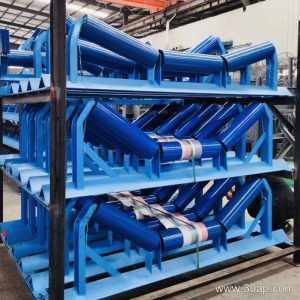
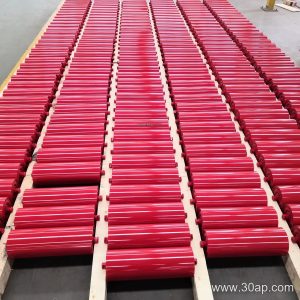
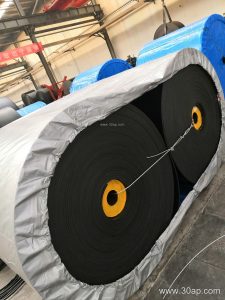
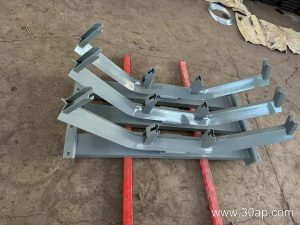
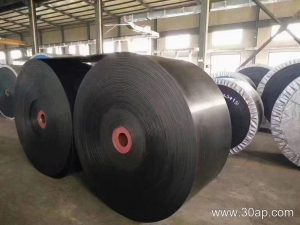
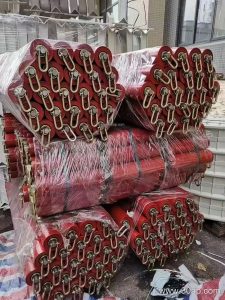
In a cement plant, welded pulleys are found on clinker transport, raw meal feed, and limestone handling lines. In an aggregate quarry, they support crusher discharge belts and screen feed conveyors. Power plants use them in coal handling systems, and steel plants apply them in sinter and coke transport. The welded pulley works alongside idler rollers, conveyor brackets, and the conveyor belt itself, and it must be matched to the belt type—whether that is an abrasion resistant conveyor belt, a heat resistant conveyor belt, or a flame retardant conveyor belt for coal mining conveyors.
For heavy-duty mining conveyor belts and steel cord conveyor belts, the pulley shell and shaft must be sized for higher tension. In sand and gravel lines, a welded pulley with rubber lagging helps maintain grip on a fabric core conveyor belt or EP conveyor belt. The same pulley design can be used at a bend position to guide an endless conveyor belt without altering the belt path drastically.
Buyer Checklist for Welded Pulleys
Before ordering, confirm the pulley position—drive, tail, bend, or take-up—because the load profile differs. Check the belt width and pulley face width, then verify the shaft diameter against the actual torque requirement. Specify the lagging type and thickness if the pulley will operate in wet or dusty conditions. For coal mining or underground mining conveyors, flame retardant and anti-static properties may be required for the belt, and the pulley should be compatible with the belt splice and tracking needs.
- Belt width and pulley face width
- Pulley diameter and shaft diameter
- Lagging type and thickness
- Bearing type and housing
- Balance and runout requirements
- Corrosion protection for outdoor or wet service
Welded pulleys are not a one-size-fits-all component. A pulley for a 500mm conveyor belt in a small aggregate line will differ from one for a 1800mm wide conveyor belt in a port bulk terminal. Buyers should provide the conveyor layout, belt tension, and material characteristics so the pulley can be built for the duty. Whether the plant handles iron ore, copper ore, limestone, or clinker, the welded pulley remains a practical choice when the design is matched to the application.