What a Loading Point Impact Idler Does
A loading point impact idler is a heavy-duty roller assembly installed directly beneath the chute or transfer point where bulk material first lands on the conveyor belt. Unlike standard carrying idlers that support the belt along its length, this idler absorbs the kinetic energy of falling rock, ore, coal, or aggregate. The impact forces at a loading zone can be several times the weight of the material itself, so a dedicated impact idler protects both the belt and the idler frame from premature damage. In a quarry conveyor belt line or a coal mining conveyor belt system, the loading point is often the single most punishing location on the entire run.
The product is also known as a buffer idler or impact roller, but its function remains the same: cushion the belt at the point of material impact while maintaining proper belt support. It is not a substitute for a troughing idler on the carrying side, nor does it replace a bend pulley or drive pulley at the head or tail of the system.
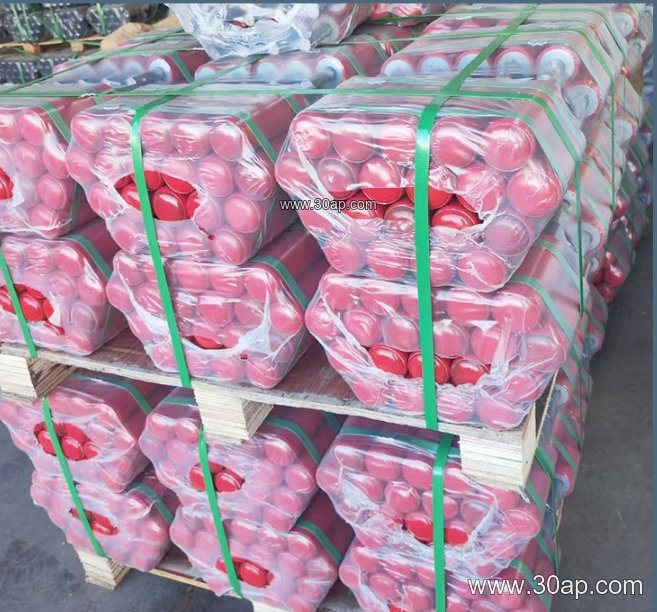
Construction and Key Components
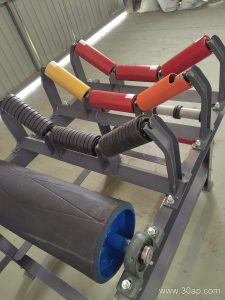
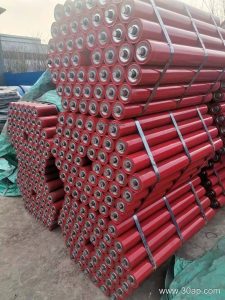
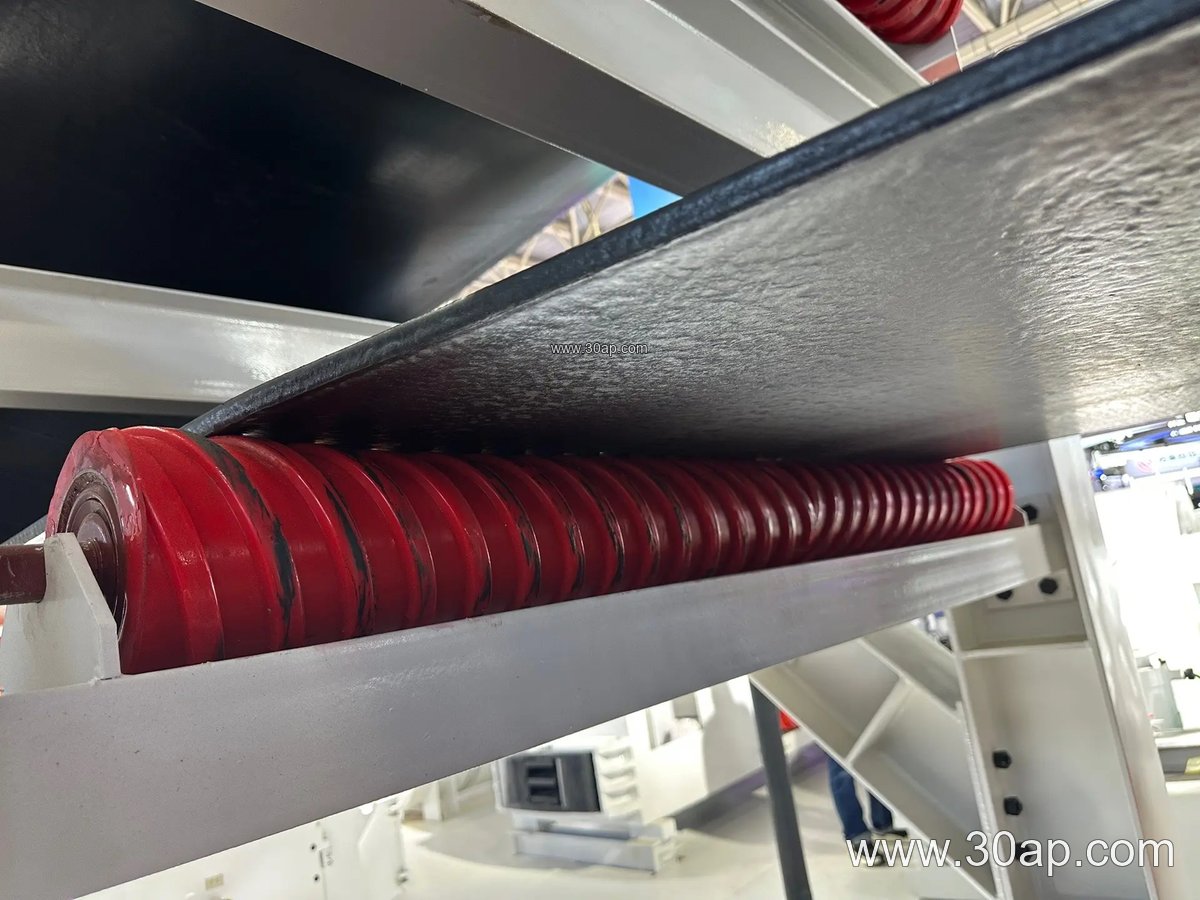
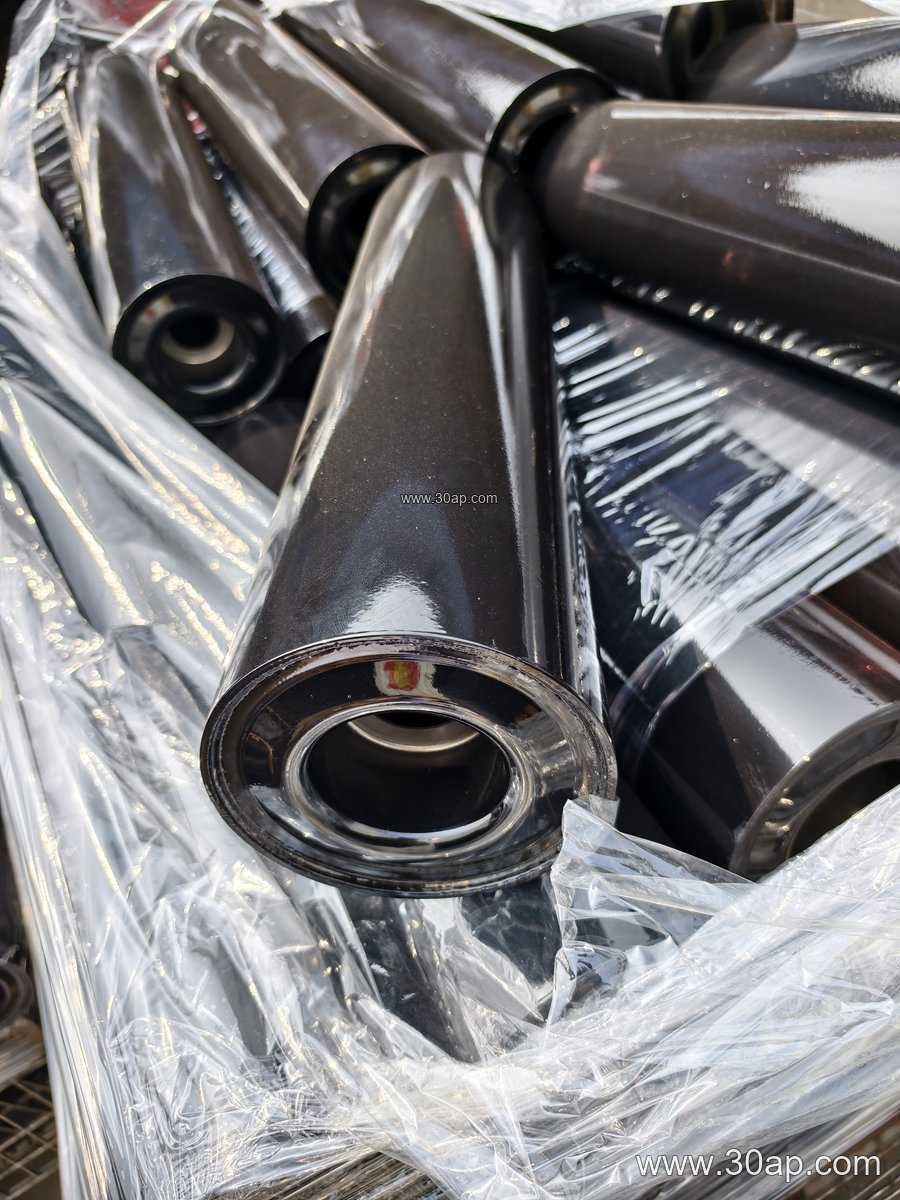
A typical impact idler uses a steel tube body fitted with a series of rubber rings or discs along its length. These rubber rings are the primary energy-absorbing element. The roller shaft runs through sealed bearings, usually housed in a pressed steel end cap. Common bearing sizes for this type include 6205, 6305, and 6308, though the correct bearing is selected according to load and roller diameter rather than belt width alone.
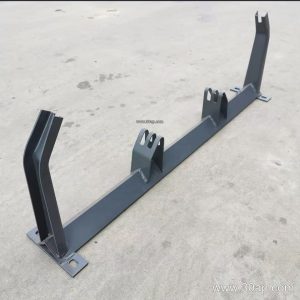
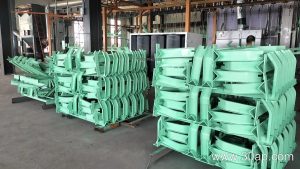
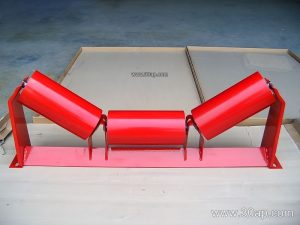
The idler is mounted in a conveyor bracket or frame that may be fixed or spring-loaded. Some designs use a three-roll troughing arrangement with impact rings on the center roll and side rolls, while others use a single heavy-duty roll. Roll diameters commonly range from Ø89 to Ø159 for impact service, with larger diameters used where lump size and drop height are significant.
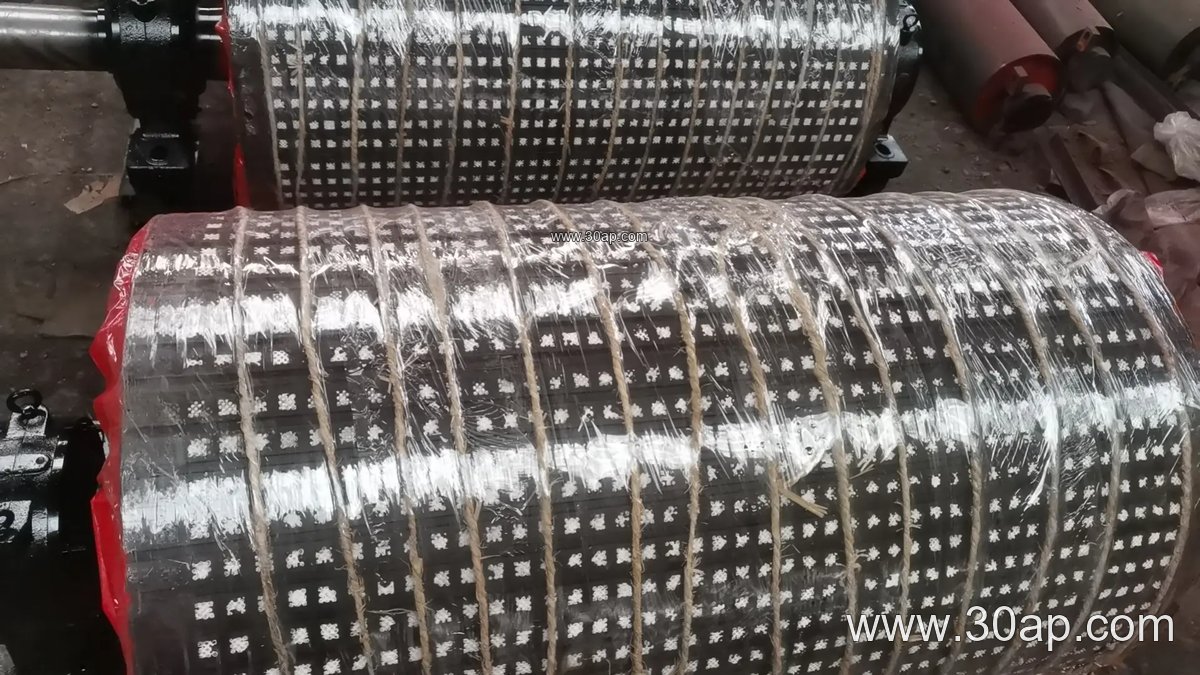
- Rubber ring thickness and hardness affect cushioning performance.
- Sealed bearing housing resists dust and water ingress.
- Heavy-gauge steel tube resists bending under repeated shock loads.
- Mounting brackets must match the existing conveyor frame dimensions.
Where It Fits in the Conveyor System
Impact idlers are placed at the receiving point of a conveyor, often just downstream of the tail pulley and loading chute. In a crusher conveyor belt discharge area, the material may fall several meters before hitting the belt, making impact idlers essential. They are also used in cement plant conveyor belts, power plant coal handling systems, and port ship loading conveyors where large lumps are transferred.
The impact idler works together with the conveyor belt, not in isolation. A heavy-duty mining conveyor belt with adequate cover thickness and an impact resistant conveyor belt construction will perform better over impact idlers than a thin, general-purpose belt. For highly abrasive materials, an abrasion resistant conveyor belt is often paired with rubber-ring impact idlers to extend service life.
Selection and Sizing Notes
Buyers should consider belt width, material lump size, drop height, and throughput when specifying an impact idler. The table below shows common reference values; actual dimensions are determined by the conveyor design.
| Parameter | Common Range | Notes |
|---|---|---|
| Belt width (B) | B500 to B2000 | Matches conveyor frame width |
| Roll diameter | Ø89 to Ø159 | Larger for heavier impact |
| Roll length (three-roll trough) | 200 mm to 750 mm | Varies with belt width and trough angle |
| Trough angle | 20°, 30°, 35°, 45° | Affects material containment |
| Bearing size | 6205, 6305, 6308 | Selected by load rating |
| Rubber ring hardness | Shore A 50–70 | Softer for cushioning, harder for wear |
For a 1200mm wide conveyor belt, a three-roll impact idler set might use a center roll length around 465 mm, but this is not a fixed rule. The side rolls and trough angle also influence the final dimensions. Do not assume that a given belt width dictates a single shaft diameter; shaft size depends on the load and the idler manufacturer’s design.
Maintenance and Buyer Checklist
Impact idlers should be inspected for worn or missing rubber rings, seized bearings, and bent shafts. In a dusty stone crushing conveyor belt environment, bearing seals are the first line of defense. Greaseable designs require periodic lubrication, while sealed-for-life units need replacement when play develops.
When purchasing, confirm the mounting bracket dimensions, the roll diameter and length, the bearing type, and the rubber ring specification. Ask whether the idler is designed for the specific drop height and lump size at your loading point. For coal mining conveyor belt systems, a flame retardant conveyor belt may be required, and the impact idler should be compatible with that belt construction. In a cement plant or aggregate conveyor belt line, an abrasion resistant conveyor belt is often the best match for impact idler service.
Finally, remember that the loading point impact idler is one part of a larger conveyor system. Correct alignment with the conveyor pulley, proper belt tension, and suitable idler spacing all contribute to reliable performance. A well-chosen impact idler reduces belt damage, spillage, and downtime at the most vulnerable point of the conveyor.