What a Guide Idler Does on a Conveying Line
A conveyor belt guide idler is a small but decisive component in the alignment system of a belt conveyor. It sits close to the belt edge, usually just ahead of a transition point, a loading zone, or a curve, and gently steers the belt back toward the centre line. Unlike a full training set, the guide idler works with light contact, so it corrects drift without adding heavy drag or damaging the belt edge. In a quarry, a cement plant, or a power plant coal yard, a well-placed guide idler often prevents the edge wear and spillage that lead to unplanned stops.
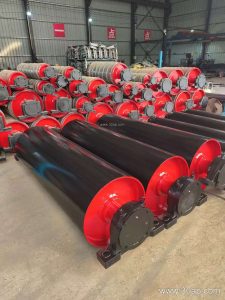
The same function appears under several equivalent names. Buyers may see it listed as a belt guide roller, an edge guide idler, or a self-aligning guide roller. These describe the same product family. It should not be confused with a drive pulley, a tail pulley, or a bend pulley, which transmit power or change the belt path rather than guide it laterally.
Construction and Common Surface Forms
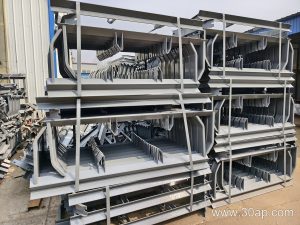
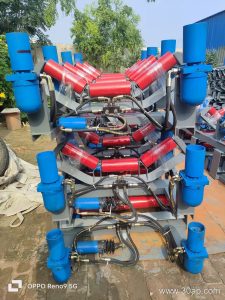
A typical unit uses a steel tube body with welded end discs, a sealed bearing housing, and a shaft that mounts to a conveyor bracket or a small adjustable frame. The bearing size is chosen by load and shaft design, not by belt width alone; common bearings include 6204, 6205, 6305, 6306, and 6308. Roll diameters often fall in the range of Ø63, Ø76, Ø89, Ø102, Ø108, and Ø127, with larger sizes used where the belt is wide and the load is heavy.
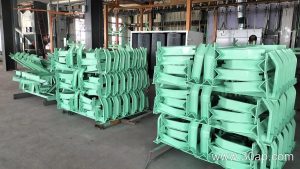
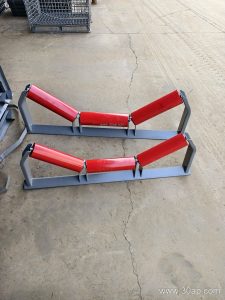
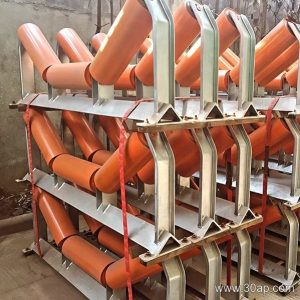
Surface options matter for belt life. A plain steel tube is the economical choice. A nylon sleeve reduces friction and noise. A rubber ring surface gives extra grip when the belt tends to wander on a slightly crowned or uneven structure. Ceramic lagging is sometimes selected for very abrasive service. The guide idler is only one part of the alignment picture, so it is often installed together with a return idler roller, a troughing set, and a sturdy conveyor bracket.
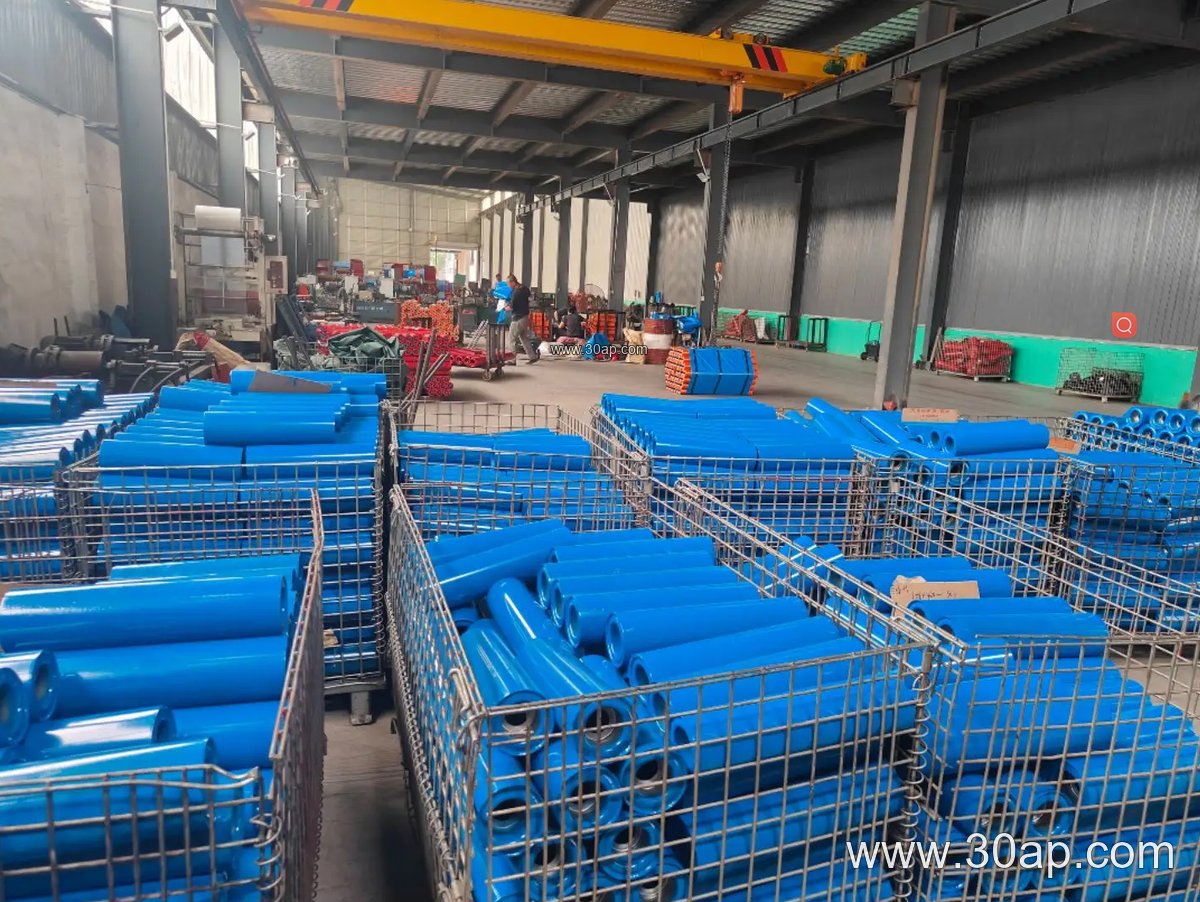
Reference dimensions at a glance
The table below gives common examples only. Actual roller length and shaft size are set by belt width, trough angle, and frame design.
- B500 belt: roller length around 200 mm
- B650 belt: roller length around 250 mm
- B800 belt: roller length around 315 mm
- B1000 belt: roller length around 380 mm
- B1200 belt: roller length around 465 mm
- B1400 belt: roller length around 530 mm
- B1600 belt: roller length around 600 mm
- B1800 belt: roller length around 670 mm
- B2000 belt: roller length around 750 mm
These figures are typical for three-roll troughing sets. Side rollers and centre rollers can differ, and a guide idler is frequently shorter than a standard carrying idler because it acts only on the belt edge zone.
Where Guide Idlers Fit in Real Plants
In a limestone quarry or an aggregate line, belt drift is common after a crusher discharge where the material lands off-centre. A guide idler placed just downstream of the skirted loading point helps the belt settle before the first full troughing station. In a coal handling system at a power plant, the same component protects the belt edge on long inclined runs and reduces the chance of misalignment at the head end.
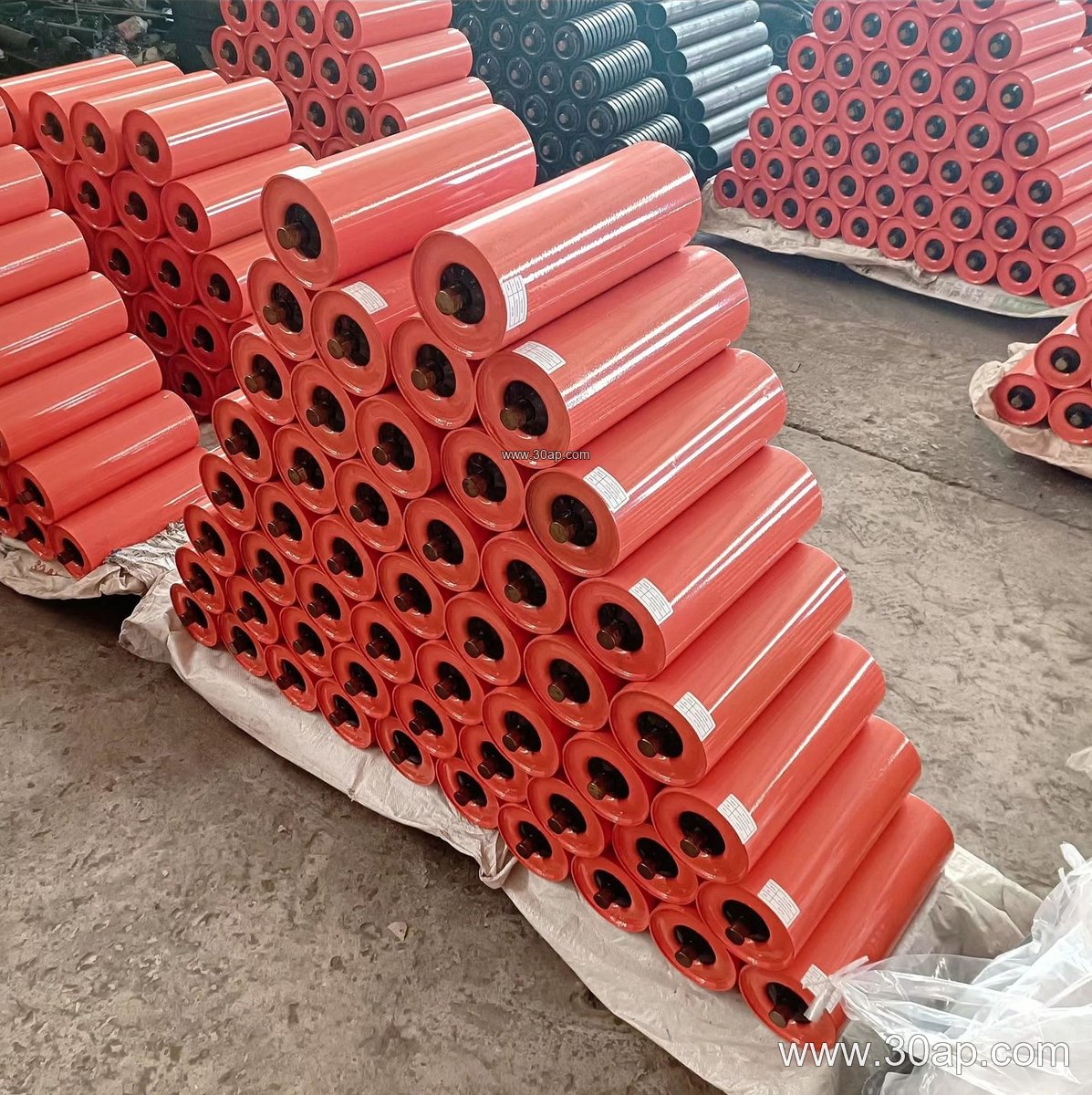
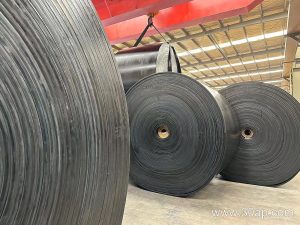
The belt itself also influences the choice. A heavy-duty mining conveyor belt with a thick cover behaves differently from a lighter EP conveyor belt or a fabric core conveyor belt. A steel cord conveyor belt is stiff and less tolerant of sharp edge contact, so the guide idler should be set with a small clearance and checked regularly. On chevron conveyor belt or corrugated sidewall conveyor belt installations, the guide idler must be positioned so that cleats and sidewalls do not rub against the roller.
What to Check Before Ordering
Buyers should confirm five things: the belt width, the mounting position, the roller diameter, the shaft and bearing arrangement, and the surface type. A guide idler for a 650mm conveyor belt is not the same as one for a 1200mm conveyor belt, and a unit intended for a reversing belt needs a different mounting angle from a one-way line. Ask for the drawing of the conveyor bracket as well, because hole spacing and adjustment travel vary between frames.
Maintenance is simple but should not be skipped. Check for a seized bearing, a worn rubber ring, or a bent shaft at each scheduled inspection. A guide idler that stops turning becomes a fixed rubbing point and can wear through the belt edge quickly. Keeping a small stock of the most common sizes, such as Ø89 and Ø108 units, helps reduce downtime in a busy sand and gravel plant or a cement kiln line.
For matching belts and rollers, the team at ccsbelt.com can review your conveyor layout, and ccsbelt.com supplies related items such as conveyor belt, idler roller, and conveyor pulley to complete the same project.