Why the Right Conveyor Belt Matters
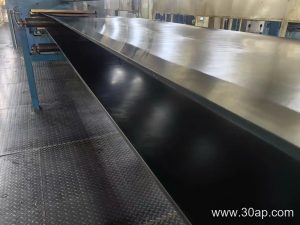
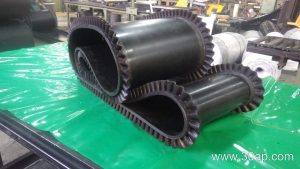
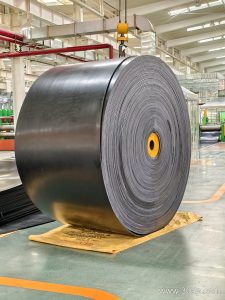
The conveyor belt is the most critical component in any automated material flow system. A poorly chosen belt causes downtime, product damage, and inflated energy costs. This guide focuses purely on conveyor belt fundamentals for industrial buyers.
Key Conveyor Belt Types
- PVC/PU belts – best for general packaging and light assembly; resistant to oils and easy to clean.
- Rubber belts – ideal for heavy-duty mining, aggregate, and high-impact loads with abrasive surfaces.
- Modular plastic belts – offer open or closed mesh for drainage, cooling, or food processing.
- Metal wire belts – withstand extreme heat or cold, suited for ovens, freezers, and chemical washdowns.
Purchasing Advice: Match the Belt to the Task
First, calculate your load weight per linear meter and belt speed in meters per second. Then verify belt thickness and splice method. For food or pharmaceutical lines, demand FDA or EU-compliant materials. Always request a fabric or carcass strength rating (e.g., EP400/3) from the supplier.
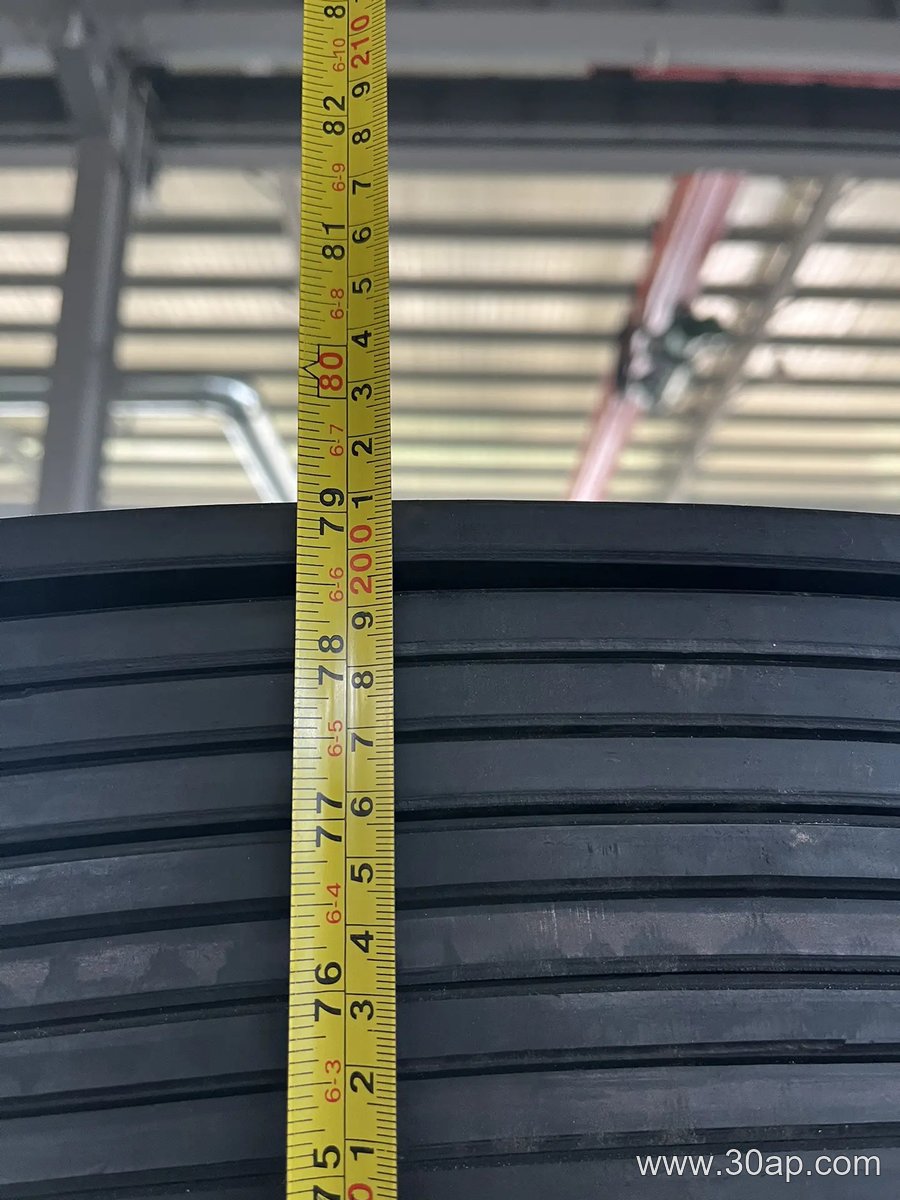
Consider belt tracking – a crowned pulley or self-tracking guide reduces misalignment. Finally, order spare belts with the same width and thickness, and confirm the minimum pulley diameter to avoid premature cracking. Test a sample on your actual conveyor frame before committing to volume production.
Idler Roller Essentials for Conveyor Systems
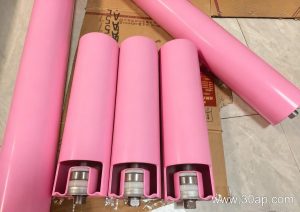
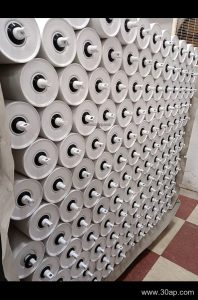
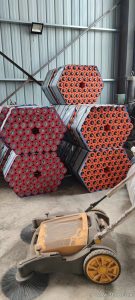
The idler roller is the backbone of any bulk material handling conveyor, supporting the belt and cargo while minimizing friction. Choosing the right idler roller directly impacts operational uptime, belt life, and energy consumption.
Key Selection Criteria
- Load rating: Match the roller’s dynamic load capacity to your peak material weight, not just average tonnage.
- Sealing and lubrication: For dusty or wet environments, opt for labyrinth or triple-lip seals to prevent contamination and reduce maintenance.
- Roller diameter and shell thickness: Larger diameters reduce belt wear and require lower rotational speed, while thicker steel shells resist impact at loading zones.
- Bearing type: Deep-groove ball bearings are standard, but consider tapered rollers for heavy impact or misalignment conditions.
Purchasing Advice
When buying idler rollers, verify the manufacturer’s compliance with CEMA (Conveyor Equipment Manufacturers Association) standards, and request test data for runout and radial load. Always compare the total cost of ownership—including energy savings and replacement frequency—against the initial unit price. For extreme temperatures or corrosive materials, specify stainless steel or polymer-coated shells to prevent premature failure.
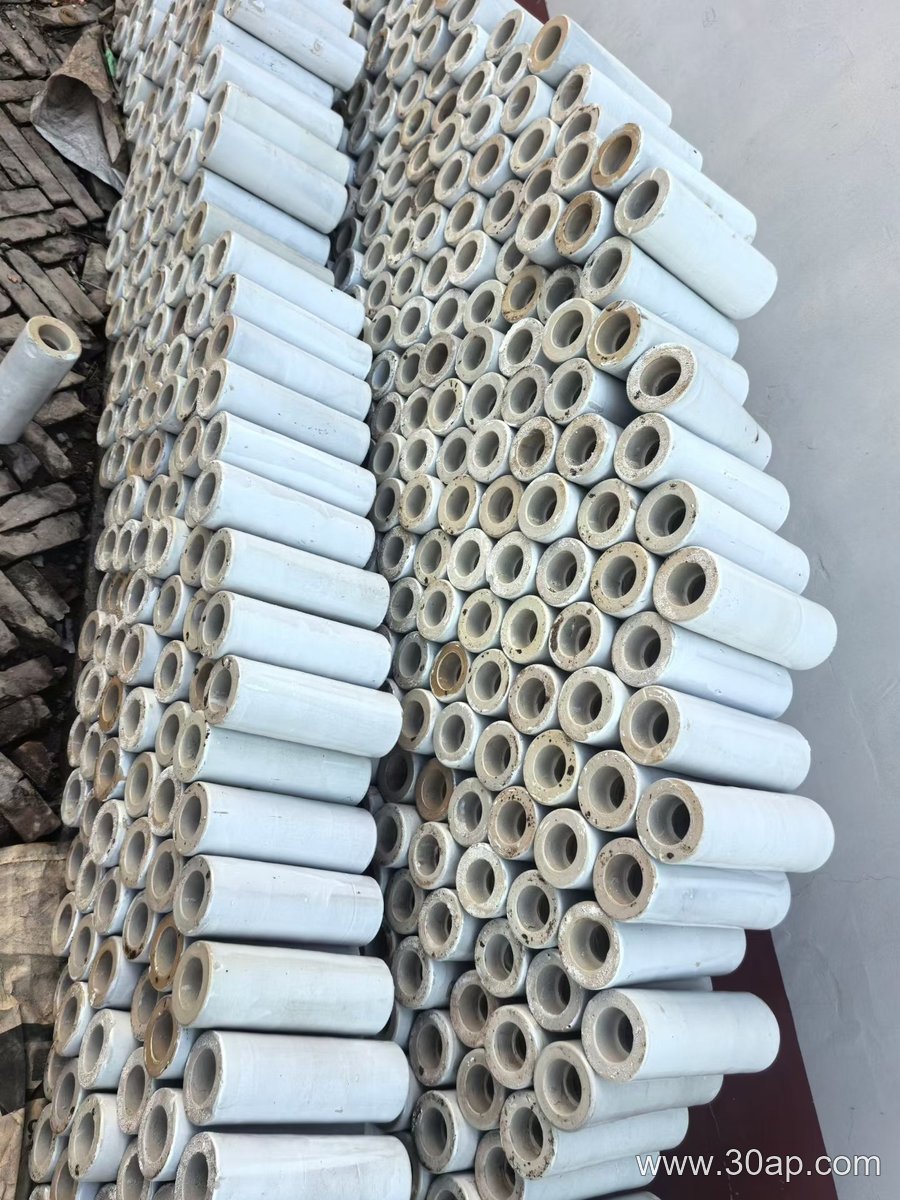
Properly selecting idler rollers reduces downtime and extends belt service life, making it a critical investment for any conveyor operation.
Why the Conveyor Pulley Dictates System Efficiency
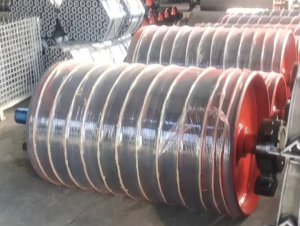
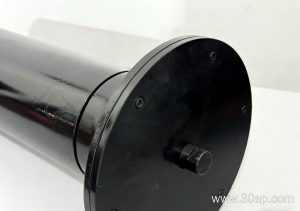
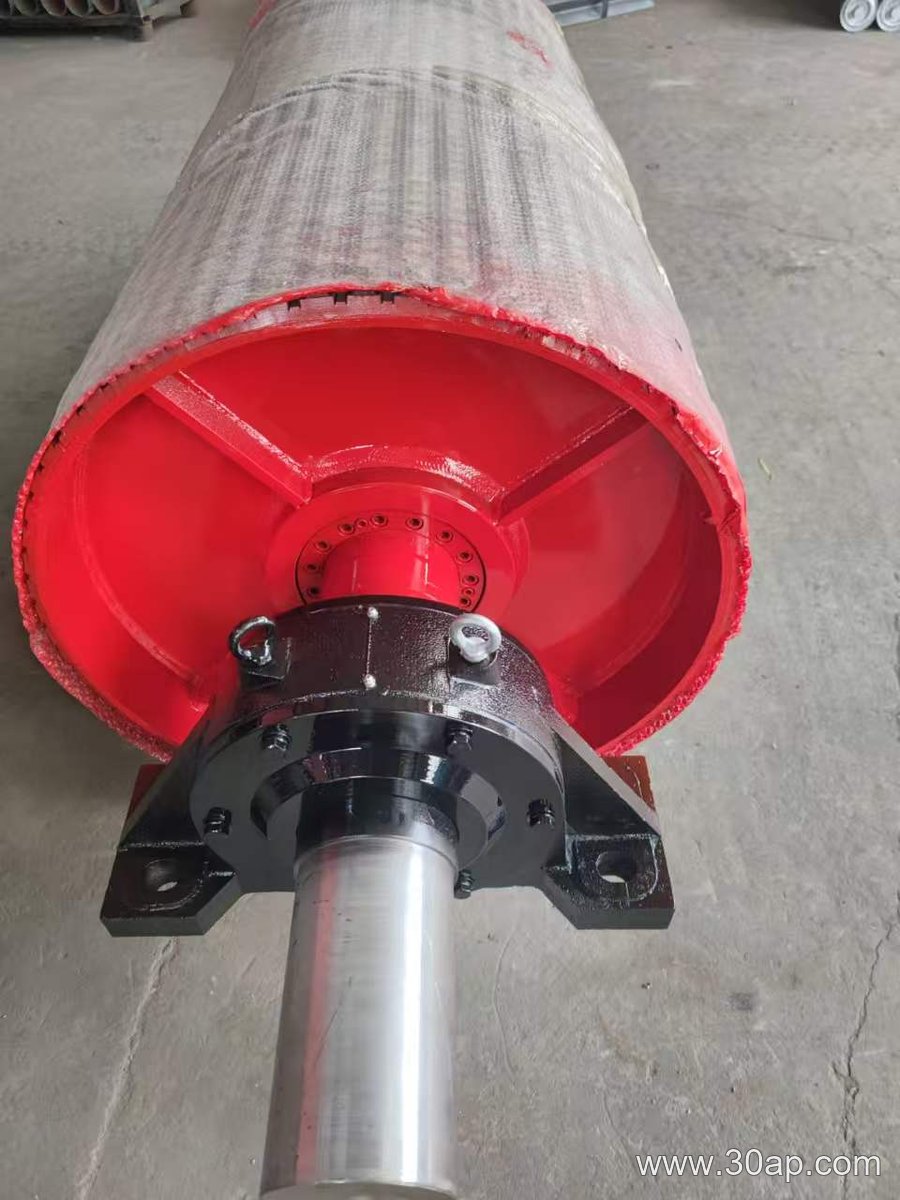
The conveyor pulley is not just a rotating cylinder; it is the mechanical heart that drives belt tension, tracking, and torque transmission. A poorly chosen pulley leads to belt slippage, misalignment, and premature wear across the entire conveyor line.
Key Types and Their Applications
- Drive pulley – installed at the discharge end, transfers motor power to the belt; requires lagging for wet or high-load conditions.
- Bend pulley – changes belt direction, usually at the tail or take-up area; needs smaller diameter to minimize space.
- Snub pulley – increases belt wrap angle on the drive pulley to boost traction without adding motor power.
Critical Selection Criteria
- Shaft load calculation – verify dynamic tension (tight side + slack side) against the pulley’s rated load capacity.
- Diameter vs. belt flexibility – larger diameters reduce belt bending stress but require more space; match to minimum recommended pulley diameter for your belt type.
- Lagging material – use ceramic lagging for high friction and wet environments; rubber for general service; plain steel only for low-speed, dry operations.
- Crown or straight face – crowned pulleys assist self-centering, while straight faces are better for reversing or high-tension belts.
Purchasing and Inspection Advice
Always request the pulley’s static and dynamic balancing grade (ISO 1940) to avoid vibration. Inspect weld seams, hub-to-shaft fit, and bearing clearance before installation. For critical applications, specify a removable shaft extension or taper-lock hub to simplify maintenance. Finally, confirm the pulley’s shell thickness and end-disc design against your abrasive material – a thicker shell reduces deflection and extends service life.
Understanding the Role of a Conveyor Bracket
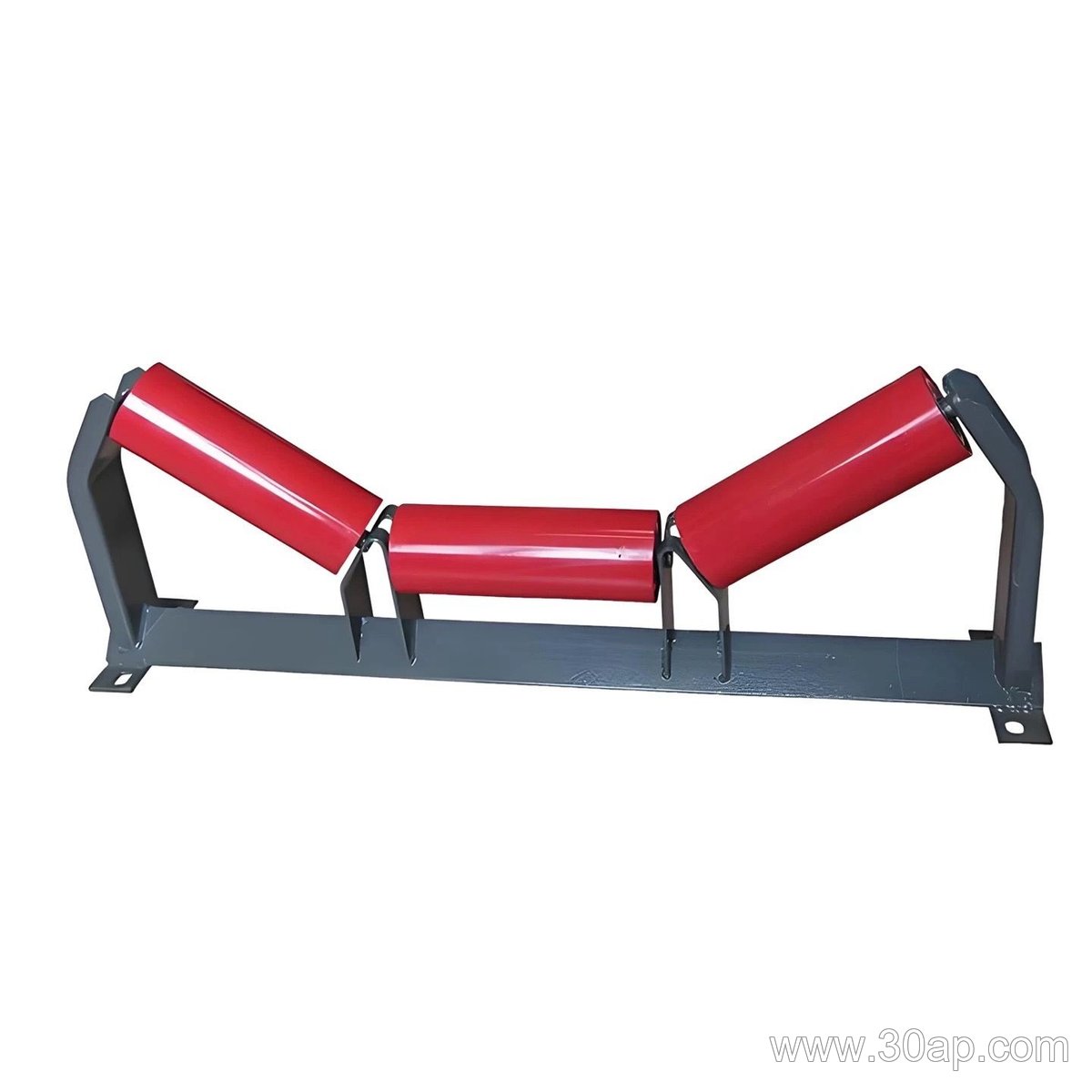
A conveyor bracket is a load-bearing component that secures rollers, idlers, or frames to the conveyor structure. It directly influences alignment, vibration, and belt tracking. Without a correctly rated bracket, even the best belt will fail prematurely.
Key Selection Criteria
- Material compatibility: Choose galvanized steel for outdoor or corrosive environments; stainless steel for food or chemical plants.
- Load rating: Match the bracket’s static and dynamic capacity to your maximum belt load, including surge conditions.
- Adjustability: Slotted or bolt-adjustable brackets allow precise idler height and angle tuning, reducing belt edge wear.
- Weld vs. bolt-on: Welded versions suit permanent installations; bolt-on types ease maintenance and retrofits.
Purchasing Advice
Always verify the bracket’s center distance and hole pattern against your existing conveyor rails. Request a sample under full production load. Inspect for burrs or uneven weld seams that cause roller wobble. Buy from suppliers who provide engineering drawings and load test certificates—this protects your uptime and safety compliance.