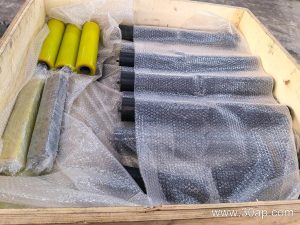
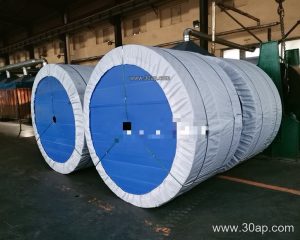
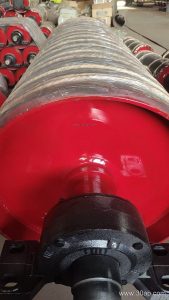
What a Double-Row Return Idler Does
A Double-Row Return Idler is a lower-strand support unit that carries the empty side of a conveyor belt on two rows of rollers instead of one. It sits under the return run, where the belt has already discharged its load and needs steady support without the deep troughing used on the carrying side. The double-row layout spreads contact across more rolling surface, which helps on wide belts and on installations where the return belt tends to sag or wander.
This return idler roller assembly is often chosen when a single flat roller would leave too much unsupported span between frames. Two parallel rows shorten the effective gaps and keep the belt tracking more evenly, especially where the return strand passes through a transfer point or a bend in the conveyor line.
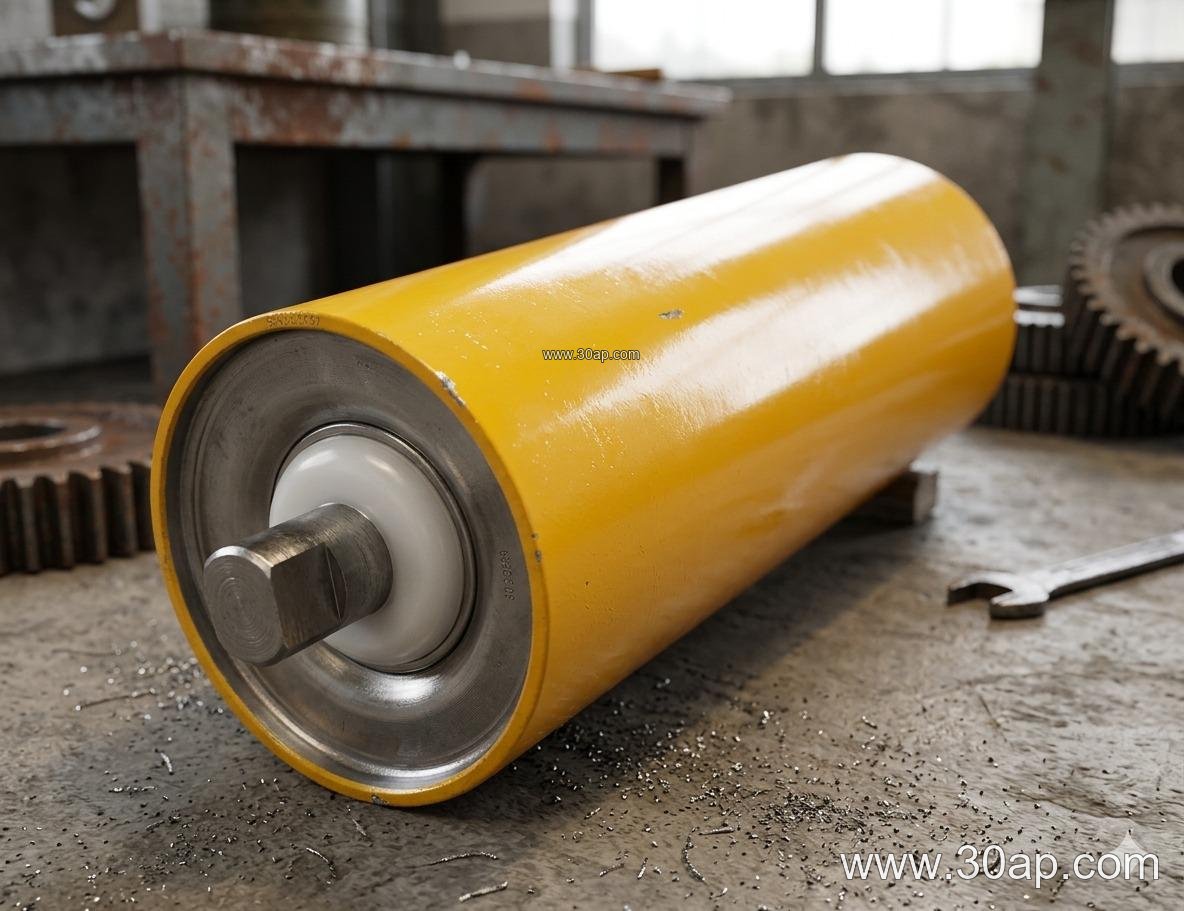
How the Assembly Is Built
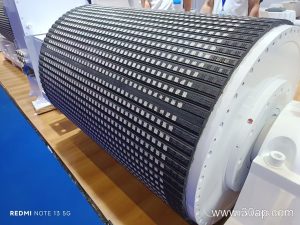
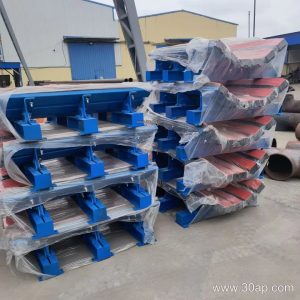
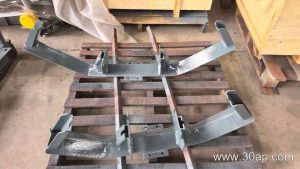
The frame usually consists of a fabricated steel base with two bearing housings or bracket seats arranged in parallel. Each row carries its own idler roller, and the two rows are spaced so the belt rests on both. Rollers commonly use steel tube shells, with nylon, rubber ring or ceramic surfaces available where abrasion, build-up or noise is a concern. Sealed bearings protect the rotating parts from dust and moisture.
Typical roller diameters for this kind of lower support include Ø89, Ø108, Ø127, Ø133 and Ø159, with larger sizes such as Ø178 or Ø194 used on heavy-duty frames. Bearing selection normally follows the load and shaft design rather than the belt width alone; common bearing sizes include 6204, 6205, 6305, 6306, 6308 and 6310. The correct shaft diameter should always be confirmed against the frame drawing and the actual load case.
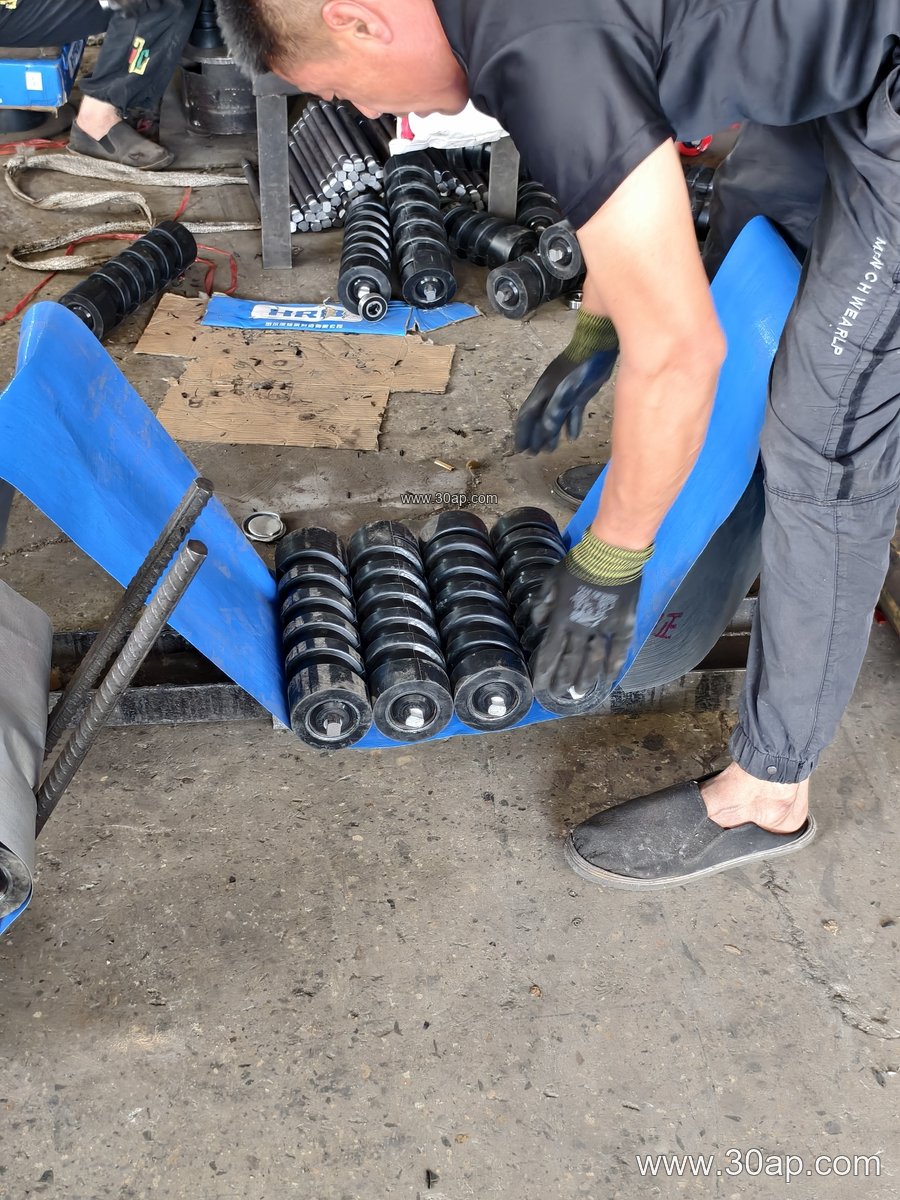
| Reference item | Common range |
|---|---|
| Roller diameter | Ø89 to Ø194 |
| Belt width served | B500 to B2400 |
| Roller surface | Steel, nylon, rubber ring, ceramic |
| Bearing options | 6204, 6205, 6305, 6306, 6308, 6310 |
These values are reference examples. A Double-Row Return Idler for a B800 line and one for a B1800 line will differ in frame length, roller length and mounting hole pattern, so the bracket and conveyor bracket dimensions must be matched to the existing structure.
Where It Fits on the Line
Return-side support matters in any plant that moves bulk material continuously. In a coal handling system feeding a power plant, the return strand can pick up fine dust and needs rollers that shed material rather than trap it. In a limestone quarry or an aggregate conveyor line, the lower run often carries grit that has clung to the belt, so a two-row arrangement with good sealing helps keep rotation free.
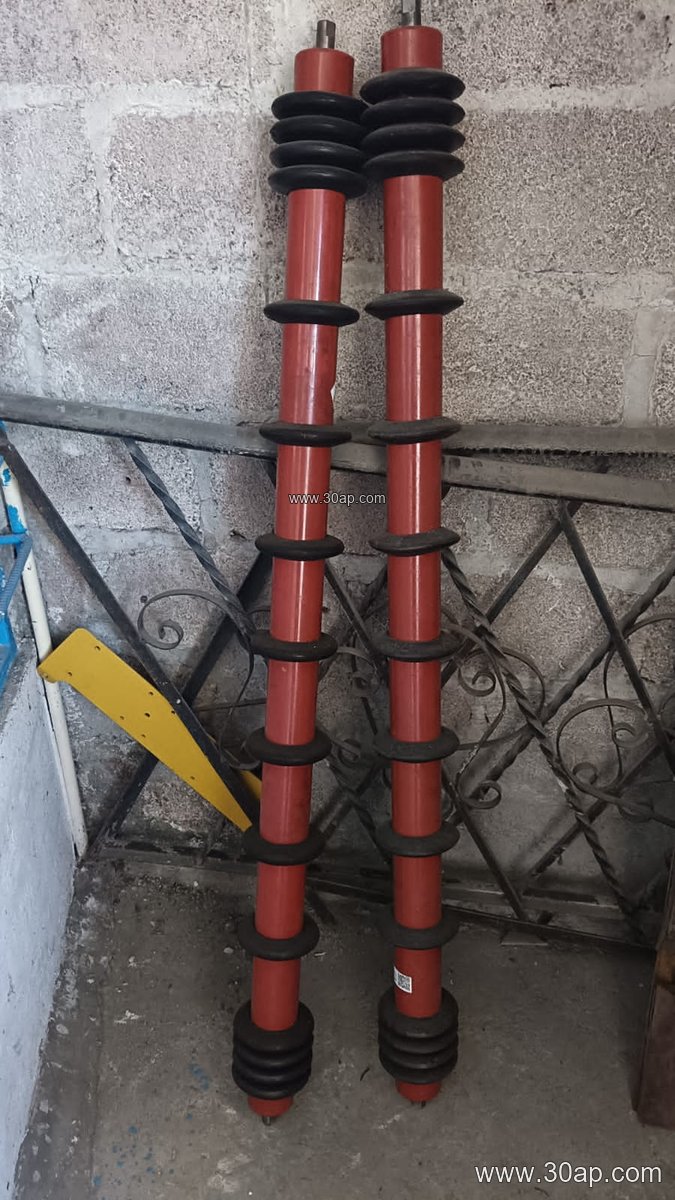
The same principle applies in cement plants, steel works and port loading facilities. A heavy-duty mining conveyor belt returning from the head end may be wide and stiff, and a double-row return idler gives it a broader, flatter support than a single roller. On a pipe conveyor belt or a corrugated sidewall conveyor belt, the return geometry is different, and the idler must be selected for that specific belt profile.
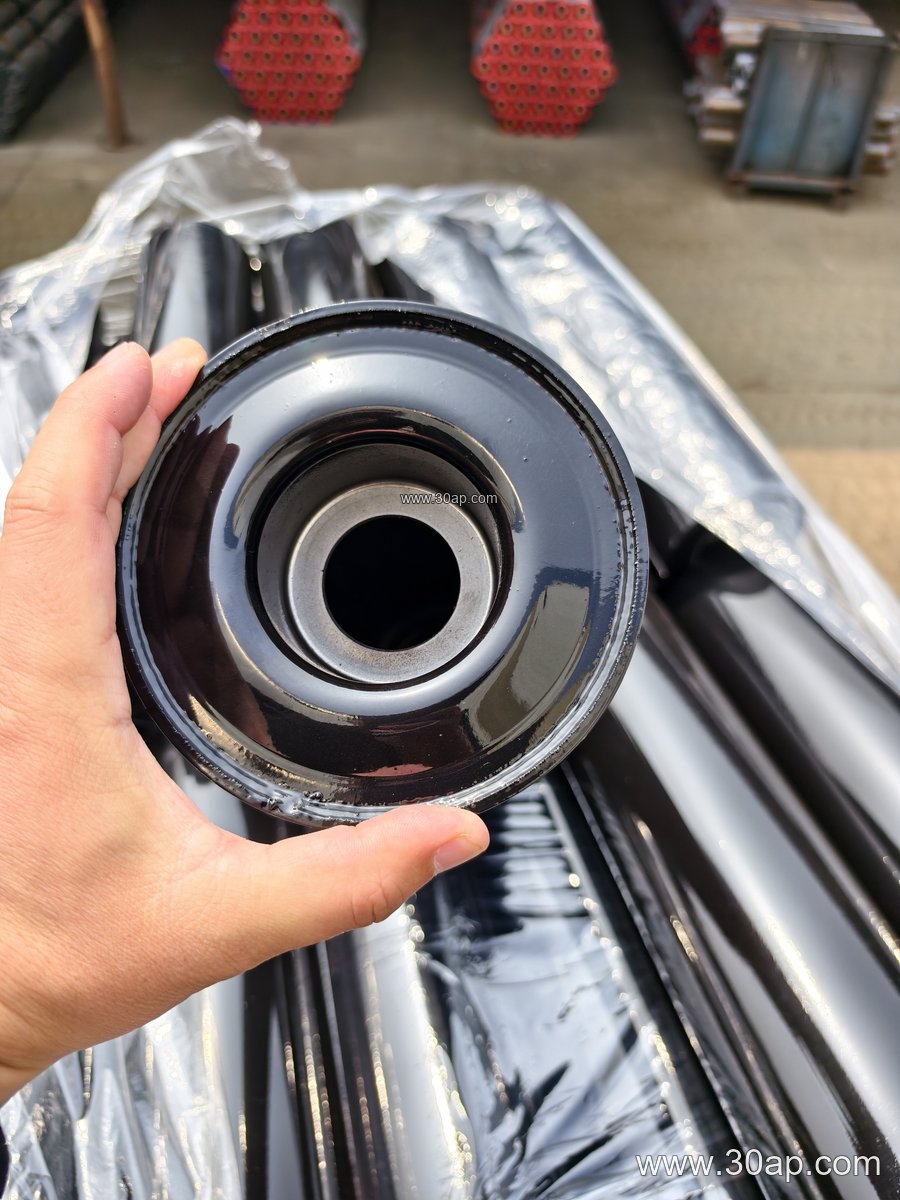
Where the belt carries hot clinker or sinter, a heat resistant conveyor belt may be running on the same structure, and the return idler should be positioned far enough from the hot zone to avoid bearing damage. In cold climates, a cold resistant conveyor belt can stiffen on the return run, so roller spacing and turning resistance deserve a second look.
Selection Points for Buyers
- Confirm the belt width and the return frame spacing before choosing roller length.
- Check whether the existing structure uses a two-row frame or a single flat return roller position.
- Match the bracket hole pattern and shaft ends to the conveyor bracket already installed.
- Choose the roller surface according to the material: rubber ring for impact and noise, ceramic for severe abrasion, steel or nylon for general service.
- Ask for the bearing size and sealing arrangement, since dust ingress is the main cause of seized return rollers.
- For flame retardant conveyor belt installations underground, confirm that the idler materials and any rubber parts meet the site’s fire safety requirements.
Installation and Maintenance Notes
Alignment is the first check after mounting. Both rows should sit at the same height and square to the belt centerline, otherwise the return belt will run to one side and wear the roller edges. Lubrication-free sealed bearings are common, but the seals should be inspected during scheduled shutdowns, particularly in cement and coal dust environments.
Listen for uneven rolling and look for flat spots on the shell. A return idler roller that stops turning will polish the belt back and can damage the cover. Replacing a worn double-row unit before the frame or belt is affected is usually the cheaper path. For plants running an abrasion resistant conveyor belt on the carrying side, the return side often wears more slowly, but it still deserves the same inspection routine.
Finally, keep spare rollers for the sizes actually installed. Mixing roller diameters within one double-row frame is not recommended, because the belt will contact only the larger row and the load will shift.