What an Abrasion Resistant Conveyor Belt Is
An abrasion resistant conveyor belt is a rubber conveyor belt engineered to withstand the cutting, gouging, and scraping action of sharp or gritty bulk materials. In mines, quarries, cement plants, power stations, and sand and gravel yards, the belt surface is constantly attacked by rock, clinker, coke, or ore. A standard belt may wear through quickly, but an abrasion resistant conveyor belt uses a tougher cover compound and a robust carcass to extend service life and reduce downtime.
This product is also called a high abrasion resistant conveyor belt or wear resistant conveyor belt. It is not a replacement for a heat resistant conveyor belt or a flame retardant conveyor belt, although some belts combine properties. The focus here is on wear resistance for aggressive mechanical rubbing and impact.
How the Belt Is Built
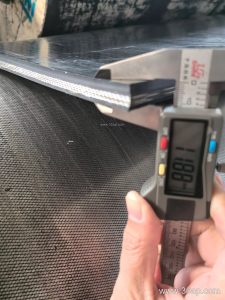
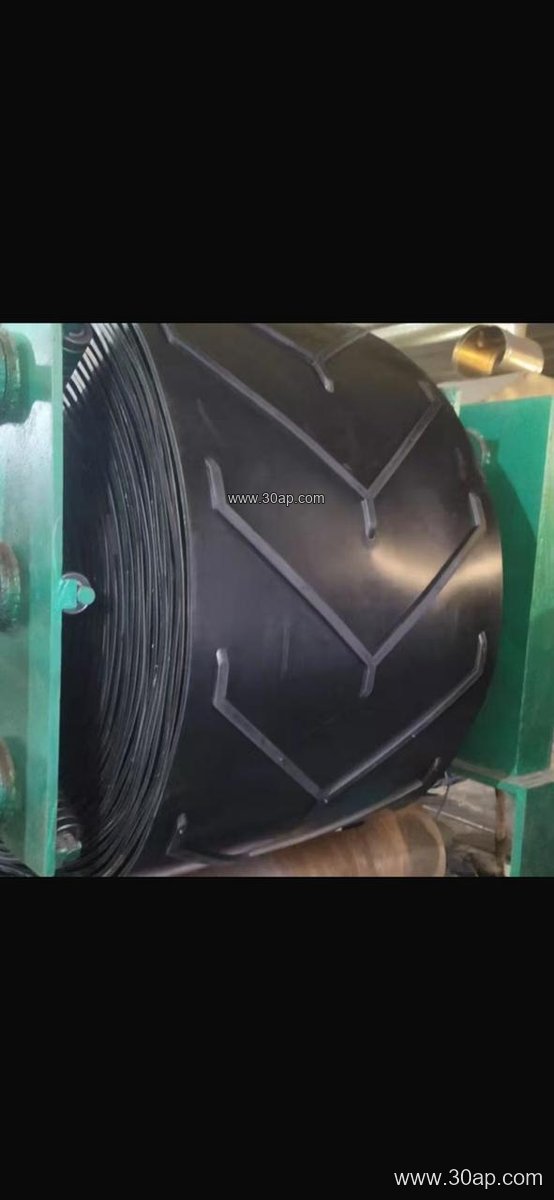
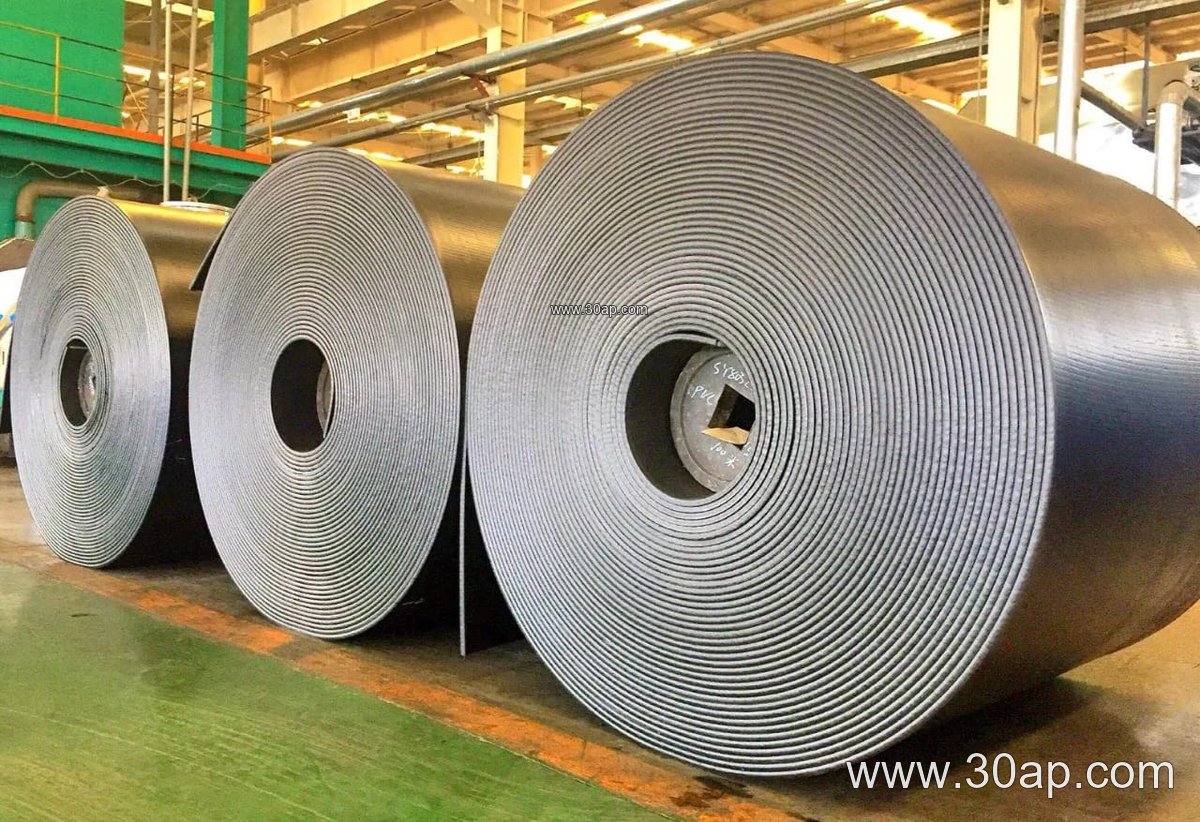
The construction usually includes a fabric core or steel cord carcass, a top cover, and a bottom cover. For abrasive duty, the cover rubber is formulated with natural rubber or blends that resist cutting and chipping. Common cover thicknesses include 4+2 mm, 5+2 mm, 6+2 mm, and 8+3 mm, where the first number is the top cover and the second is the bottom cover. The carcass may be EP (polyester-nylon) fabric, NN (nylon-nylon) fabric, or steel cord, depending on tension and impact requirements.
Typical EP conveyor belt grades such as EP200, EP315, EP400, EP500, EP630, EP800, EP1000, EP1250, EP1600, and EP2000 are often selected for abrasion resistant belts. Multi-ply fabric core conveyor belts with 2 to 6 plies are common. Steel cord conveyor belt constructions like ST1000 to ST3150 may be used where high strength and low elongation are needed. The belt edge, splice, and cover quality all affect wear life.
Where It Is Used
Abrasion resistant conveyor belts are found in mining conveyor systems, quarry conveyor lines, cement conveyor plants, power plant coal handling, and aggregate conveyor belts. They carry crushed stone, iron ore, copper ore, gold ore, clinker, limestone, and other bulk material conveyor loads. In a crushing circuit, a crusher conveyor belt or rock conveyor belt must handle sharp edges and drop impact. The same belt type is used on ship loading conveyor belts at ports and in recycling conveyor belts where glass or metal scrap is present.
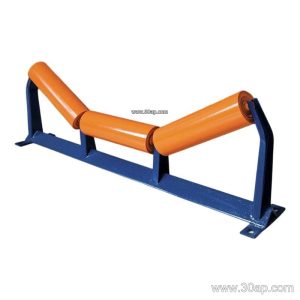
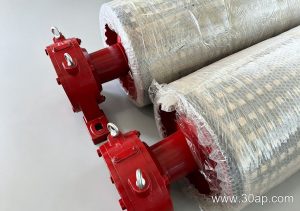
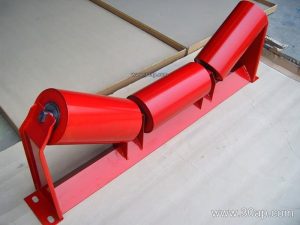
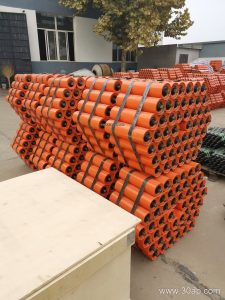
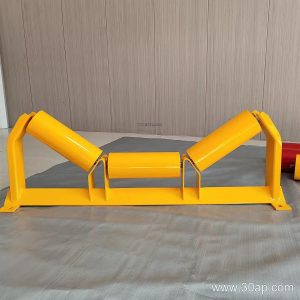
Supporting equipment matters too. Idler rollers, conveyor pulleys, and conveyor brackets should be aligned and maintained to prevent edge damage and mistracking that accelerate wear. Drive pulleys, tail pulleys, and bend pulleys each play a different role and are not interchangeable; correct pulley selection and lagging help the belt run true.
Common Specifications and Selection
Belt width is chosen to suit the conveyor design and material size. Common widths include B500, B650, B800, B1000, B1200, B1400, B1600, B1800, and B2000. Wider belts such as 1200mm, 1400mm, or 1800mm are common in high-capacity mining and port applications. Strength grade, cover thickness, and carcass type should be matched to the duty.
| Parameter | Typical Options |
|---|---|
| Strength grade | EP200, EP315, EP400, EP500, EP630, EP800, EP1000, EP1250, EP1600, EP2000 |
| Belt width | B500, B650, B800, B1000, B1200, B1400, B1600, B1800, B2000 |
| Cover thickness | 3+1.5 mm, 4+2 mm, 5+2 mm, 6+2 mm, 8+3 mm |
| Carcass | 2 to 6 plies fabric, or steel cord |
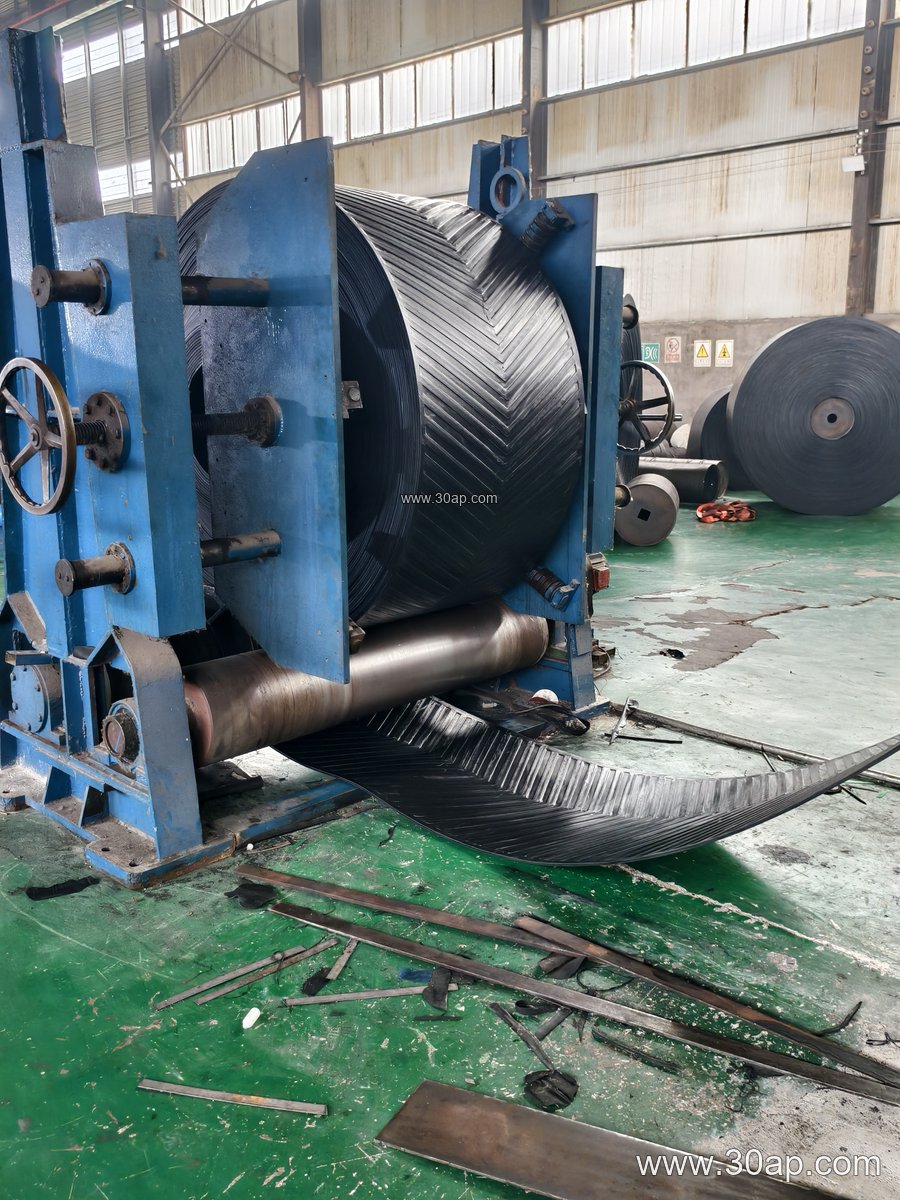
For comparison, a chevron conveyor belt or corrugated sidewall conveyor belt may be needed on steep inclines, but those are different designs for different problems. An abrasion resistant belt is selected primarily for wear life on flat or gently inclined runs.
Buyer Checklist
- Confirm the material type, lump size, drop height, and moisture level.
- Check the required tensile strength and whether an EP conveyor belt or steel cord conveyor belt is more suitable.
- Specify cover thickness and grade based on abrasion severity.
- Consider environmental factors such as oil, heat, or fire risk, which may call for an oil resistant conveyor belt or flame retardant conveyor belt.
- Review pulley and idler roller condition, since poor alignment shortens belt life.
- Ask for the manufacturer’s data sheet rather than assuming fixed values.
An abrasion resistant conveyor belt is a practical choice for mines, quarries, cement works, power plants, and sand and gravel operations where wear is the main enemy. Matching the belt to the duty and maintaining the conveyor components will deliver the best service life.