What an EP Conveyor Belt Is
An EP Conveyor Belt is a fabric-core rubber belt built around polyester (E) and nylon (P) warp and weft yarns. This EP fabric core gives the belt high strength, low elongation and good resistance to fatigue, making it a practical choice for long conveying lines in mines, cement works, power stations and aggregate quarries. The product is often called an EP rubber conveyor belt or EP fabric core conveyor belt, and it belongs to the wider family of fabric core conveyor belts.
Unlike a steel cord conveyor belt, which relies on steel wires for tension, an EP conveyor belt uses multi-ply fabric. It is also distinct from an NN conveyor belt, where both warp and weft are nylon; the polyester warp in EP reduces stretch under load, which helps keep take-up travel and belt tracking stable. For very high tension or very long single flights, a steel cord conveyor belt may be compared, but it is not a substitute for the EP type in most medium-duty circuits.
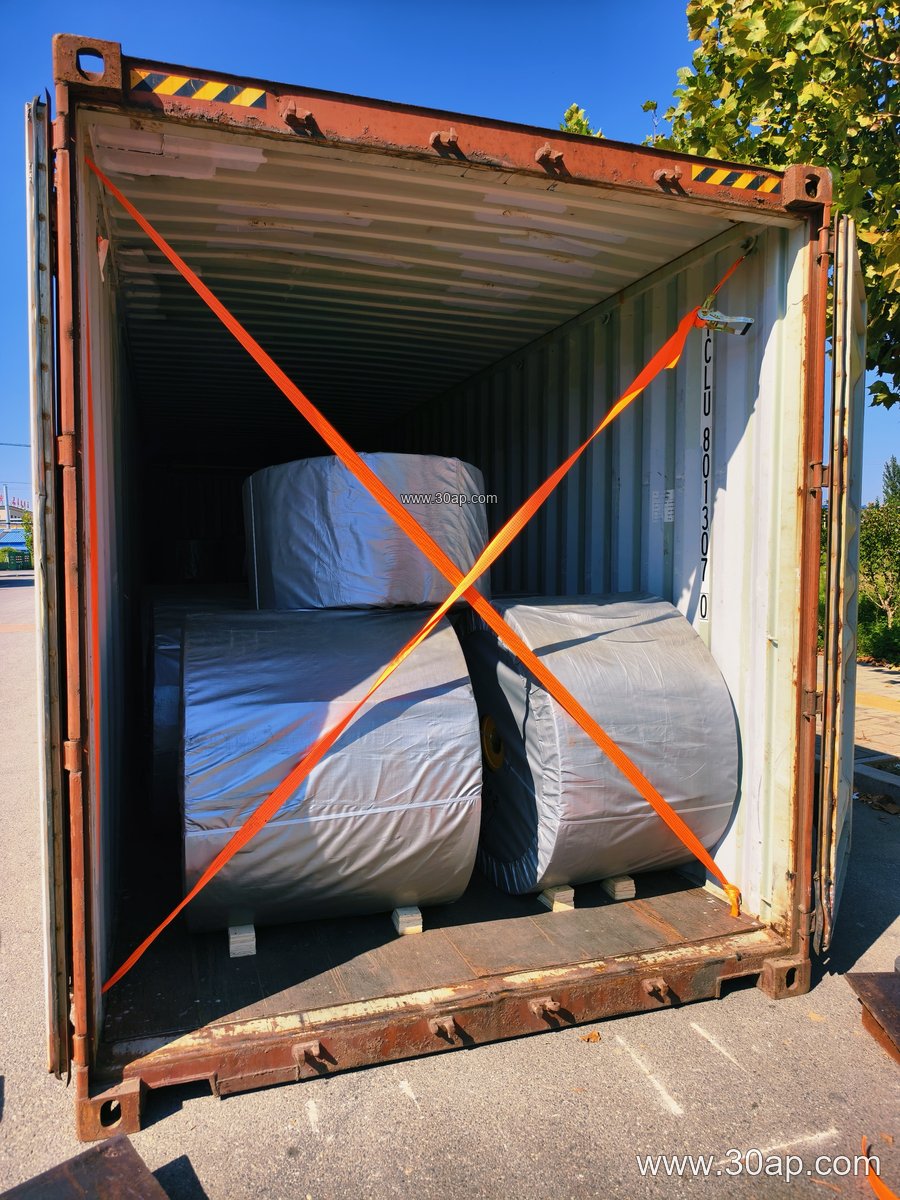
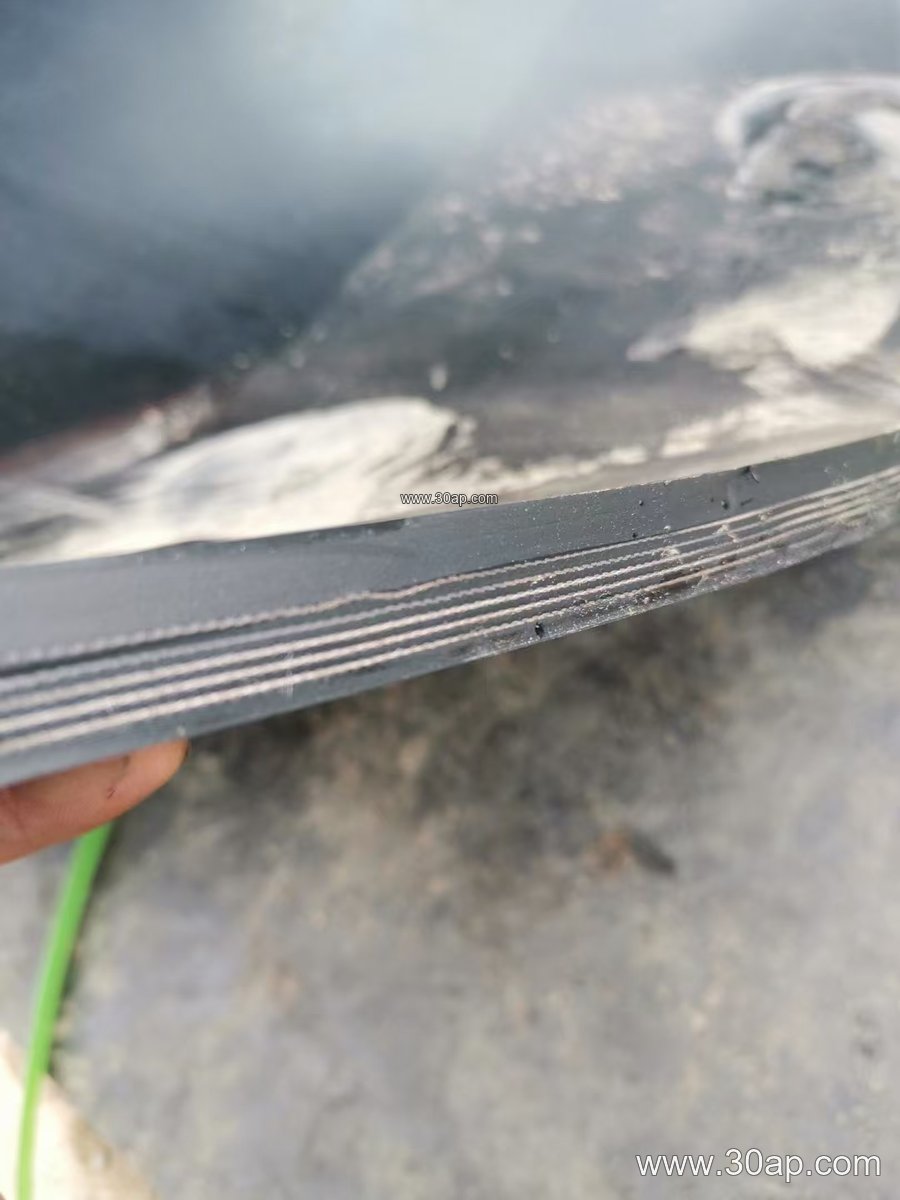
Construction and Common Grades
A typical EP conveyor belt has two to six fabric plies, top and bottom rubber covers, and optional breaker or edge protection. Cover thickness is usually quoted as top plus bottom, for example 4+2 mm, 5+2 mm, 6+2 mm or 8+3 mm, and the right combination depends on impact, abrasion and loading conditions. Buyers often see strength grades such as EP200, EP315, EP400, EP500, EP630, EP800, EP1000, EP1250, EP1600 and EP2000. These figures describe the fabric’s tensile class and are not a promise that every plant stocks every grade.
| Parameter | Common reference range |
|---|---|
| Strength grade | EP200 to EP2000 |
| Belt width | B500, B650, B800, B1000, B1200, B1400, B1600, B1800, B2000 |
| Fabric plies | 2 to 6 |
| Cover thickness | 3+1.5, 4+2, 5+2, 6+2, 8+3 mm |
Special constructions are available for difficult duty. A heat resistant conveyor belt uses a cover compound for hot clinker or sinter, while a flame retardant conveyor belt and fire resistant conveyor belt are chosen for coal handling and underground mining. An abrasion resistant conveyor belt suits sharp rock and ore, an oil resistant conveyor belt handles oily scrap or machined parts, and a cold resistant conveyor belt is used in low-temperature yards.
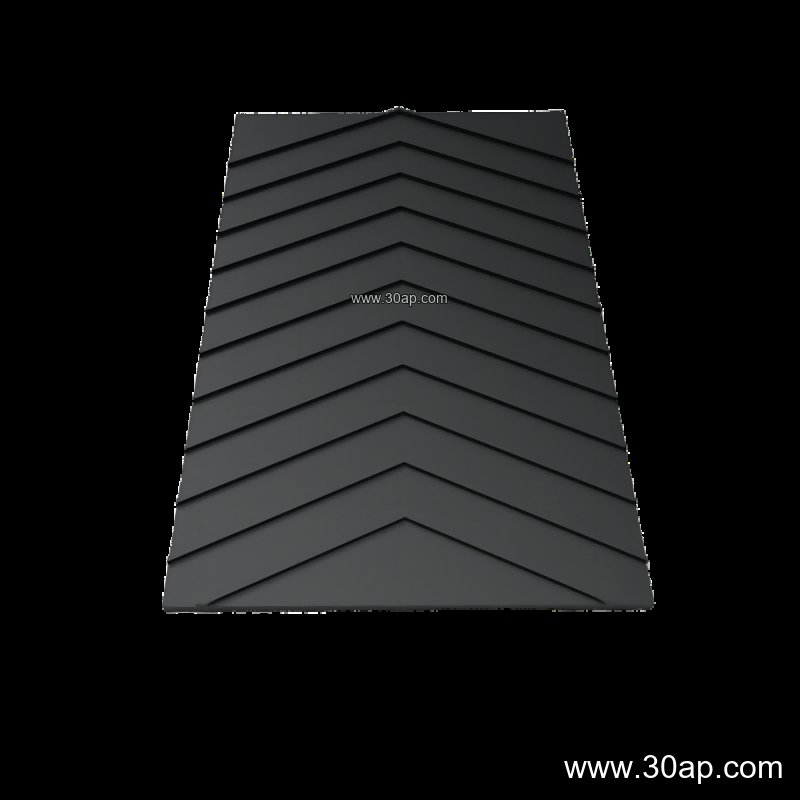
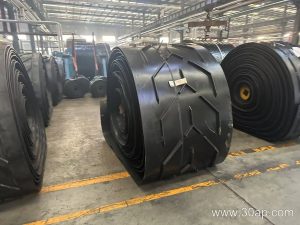
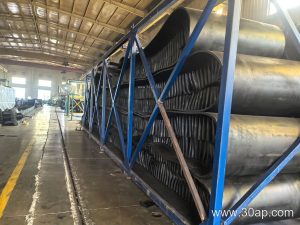
Where material must be contained on steep inclines, a chevron conveyor belt, skirted conveyor belt or corrugated sidewall conveyor belt may be considered. For enclosed routes, a pipe conveyor belt can be compared, and for food or clean handling, a food grade conveyor belt is a separate specification. An anti-static conveyor belt is often requested alongside flame retardant grades in coal mining conveyor belt applications.
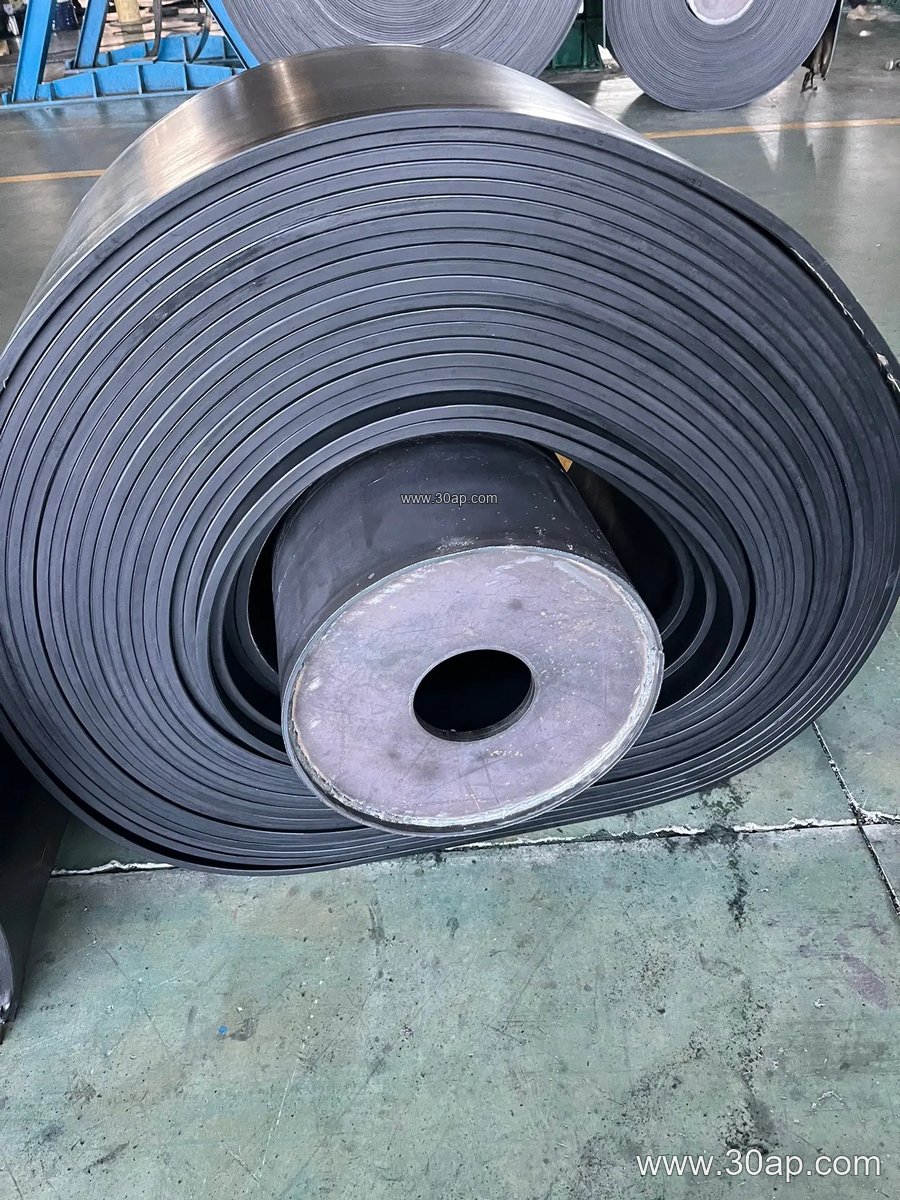
Where EP Belts Are Used
The EP conveyor belt is common in crushing and screening plants, cement kiln feed lines, coal yards, power plant coal handling, port loading systems and sand making plants. In a quarry conveyor belt circuit, it carries crushed stone from a crusher conveyor belt to stackers; in an iron ore or copper ore terminal it moves bulk material conveyor belt loads over long distances. A mining conveyor belt in an underground coal mining conveyor belt system usually needs flame retardant and anti-static properties, while a heavy-duty mining conveyor belt on the surface may prioritise abrasion resistance and impact resistance.
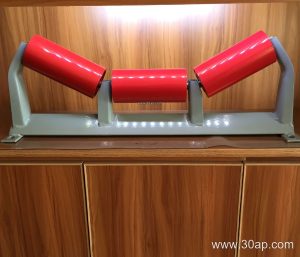
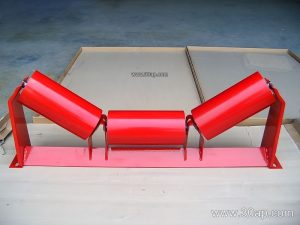
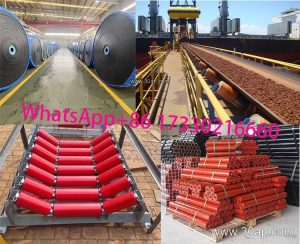
Supporting equipment matters as much as the belt. A conveyor pulley at the head and tail, idler roller sets along the carry side, and a conveyor bracket holding the idlers all affect belt life. Misaligned idlers or a worn conveyor pulley can damage the belt edge even when the EP fabric itself is sound.
Buyer Checklist
- Confirm the duty: abrasive rock, hot cement, oily material, coal or food.
- Match the strength grade and ply count to the calculated tension, not to a catalogue default.
- Select cover thickness from impact and abrasion data; 4+2 mm and 5+2 mm are common starting points, but heavy impact may call for 6+2 mm or 8+3 mm.
- Check belt width against the conveyor frame and pulley face; widths from B500 to B2000 are referenced, and a wider belt is not automatically better.
- Ask for the splice method and edge condition, since a poorly spliced endless conveyor belt can fail before the fabric does.
Finally, request the manufacturer’s data sheet for the exact EP conveyor belt grade, because cover compounds, ply adhesion and tolerances vary between suppliers. The values above are reference data, not verified universal specifications, and final selection should follow the conveyor design.