Why the Conveyor Pulley Matters
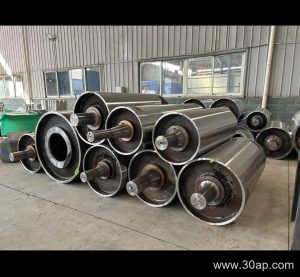
The conveyor pulley is the driving and redirecting component that dictates belt tension, tracking, and overall system efficiency. Selecting the wrong pulley leads to belt slippage, premature wear, and costly downtime.
Key Types and Applications
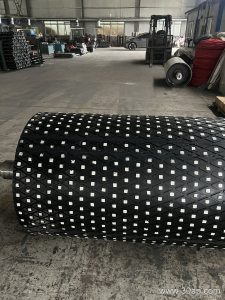
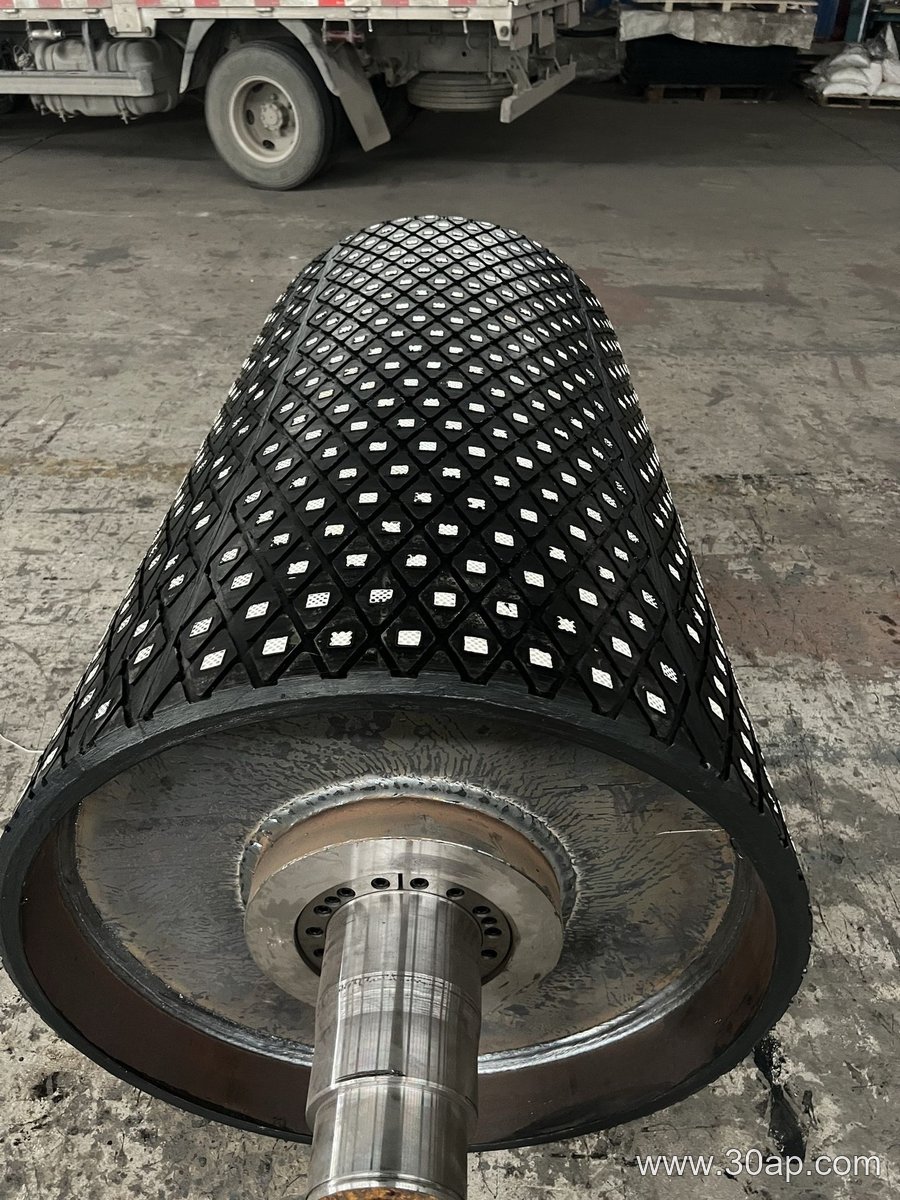
- Drive pulleys: Mounted on the motor shaft; high-friction lagging (ceramic or rubber) improves grip.
- Bend pulleys: Used to change belt direction with minimal load, often on the return side.
- Snub pulleys: Increase the wrap angle on the drive pulley for higher traction without adding length.
- Tension pulleys: Maintain consistent belt slack using take-up frames or gravity systems.
Critical Selection Factors
Match the pulley diameter to belt speed and carcass flexibility to avoid fatigue. For heavy loads, choose steel shafts with keyed hubs and check crown profile (lagged or straight) for self-centering. Always verify face width is 100–150 mm wider than the belt.
Purchasing Advice
- Request dynamic balancing certificates for pulleys above 500 RPM.
- Specify lagging hardness (Shore A 60–70) for abrasive materials.
- Confirm bolt-on or vulcanized lagging – vulcanized is better for wet or oily conditions.
- Ask for a finite element analysis (FEA) report on shaft deflection for long spans.
Invest in a pulley with sealed bearings and easy-to-replace bushings. A correct conveyor pulley reduces energy consumption and extends belt life by up to 30%.
Why the Conveyor Bracket Demands Your Attention
The conveyor bracket is the structural interface between your belt or roller system and the supporting framework. Even a premium conveyor will fail prematurely if its brackets are misaligned, under-specified, or fabricated from the wrong alloy. This component governs load distribution, belt tracking, and vibration dampening.
Selecting the Right Conveyor Bracket
Evaluate three factors before purchasing:
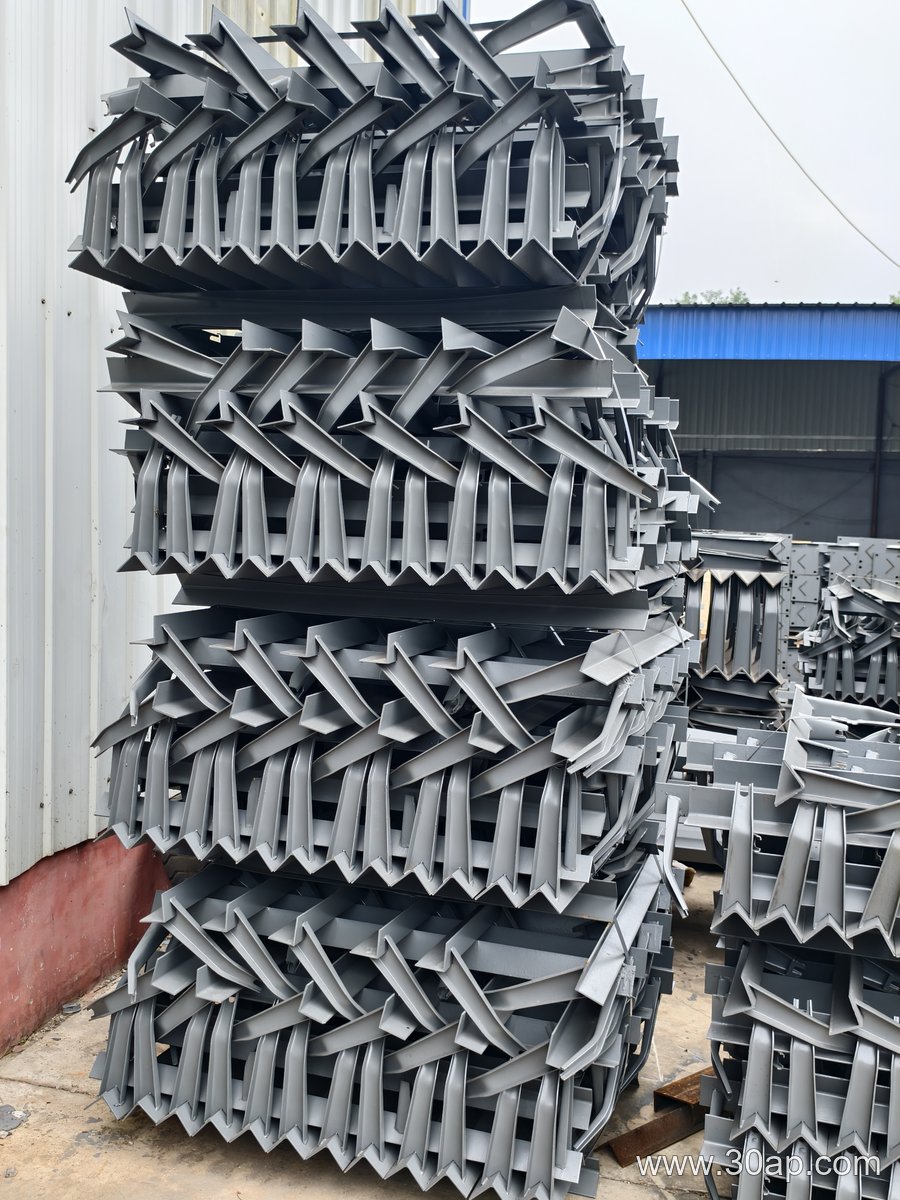
- Load rating: Calculate dynamic peak load, not just average weight, to avoid fatigue cracking at weld points.
- Material environment: Use galvanized or stainless steel for washdown or corrosive zones; powder-coated carbon steel suffices for dry indoor lines.
- Adjustability: Slotted or modular brackets allow quick belt tension alignment without cutting or shimming.
Purchasing Advice for Industrial Buyers
Request dimensional drawings in DXF format and verify hole spacing matches your existing stringers. Order 5% spare brackets for critical spares, and always specify whether you need left-hand, right-hand, or reversible units. For high-speed conveyors above 2 m/s, choose brackets with integrated rubber cushions to reduce noise and impact transfer. Inspect the coating thickness—minimum 60 microns for outdoor use—and check that threaded inserts are TIG-welded, not spot-welded, for longevity.
Understanding the Conveyor Belt as a Core Component
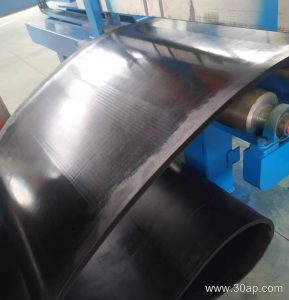
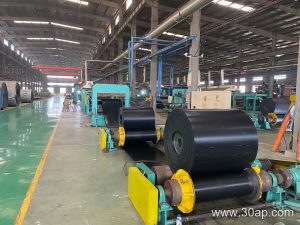
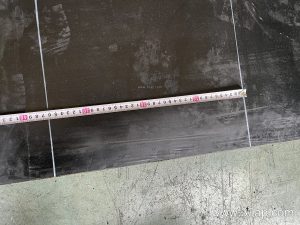
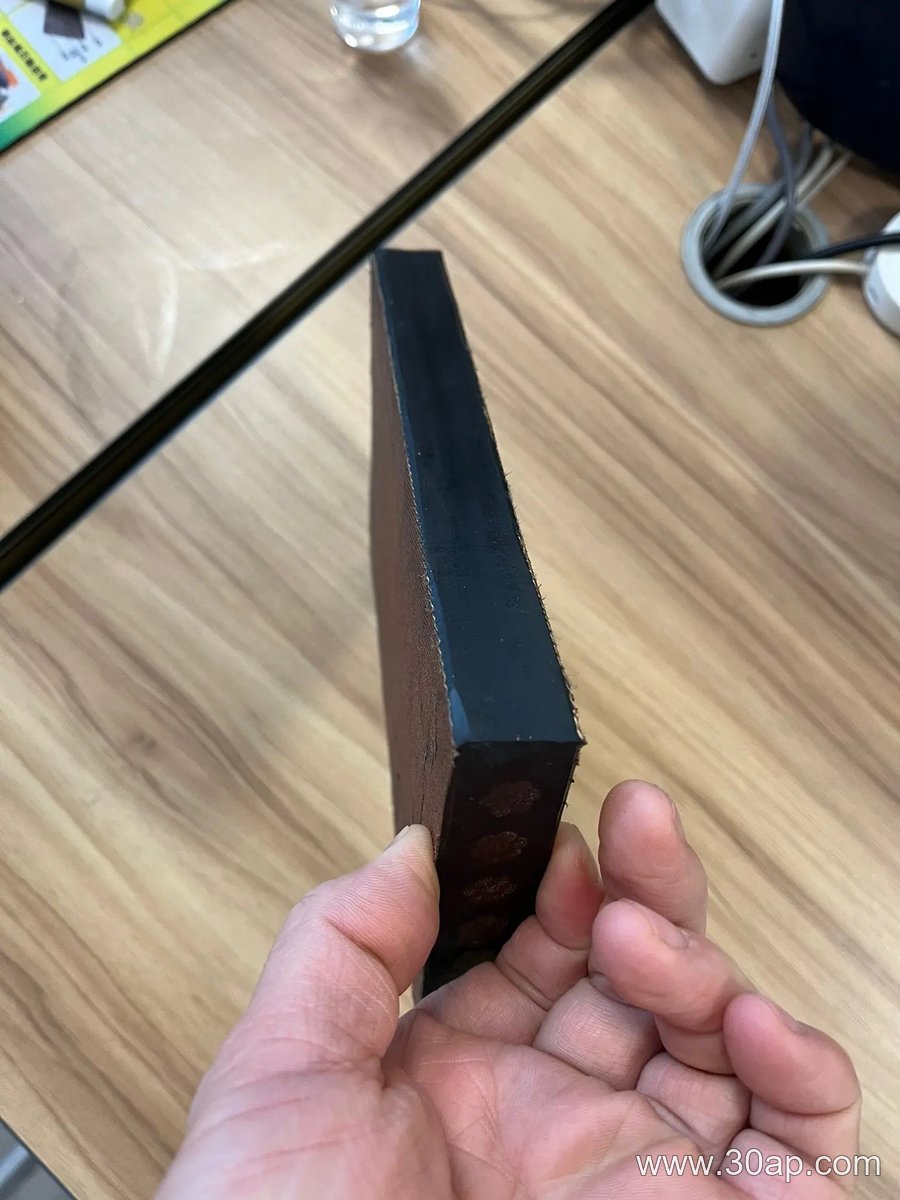
Every automated production line or warehouse distribution network depends on a reliable conveyor belt. This continuous loop of material—whether rubber, PVC, or metal—transfers goods between workstations with minimal labor and consistent speed. Selecting the correct belt is not a secondary decision; it directly affects uptime, product damage, and energy costs.
Key Factors in Conveyor Belt Selection
- Material compatibility: Match the belt surface to your product—food-grade belting for edibles, heat-resistant compounds for hot loads, and oil-resistant covers for machining environments.
- Load and tension: Calculate peak weight per linear meter, plus starting and stopping forces, to avoid premature stretch or edge fraying.
- Environment: Consider humidity, temperature extremes, and chemical exposure; choose a carcass (polyester, nylon, or steel cord) that withstands these conditions.
- Tracking and maintenance: Look for crowned pulleys, self-aligning idlers, and easy splice options to reduce daily adjustment time.
Purchasing Advice for Long-Term Performance
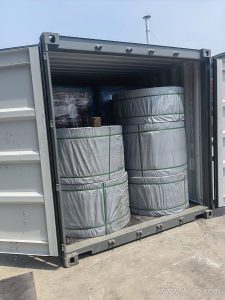
When ordering, always supply the belt width, length, and belt thickness. Request a sample for abrasion testing if your abrasive loads are severe. Verify that the vendor offers endless splicing on site or provides pre-made endless belts for fast installation. Finally, compare total cost of ownership—a slightly higher initial price often means longer service life and fewer production interruptions.
Idler Roller: The Backbone of Your Conveyor System
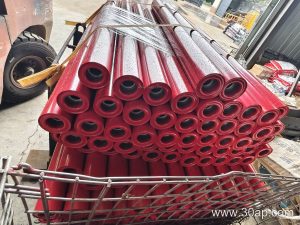
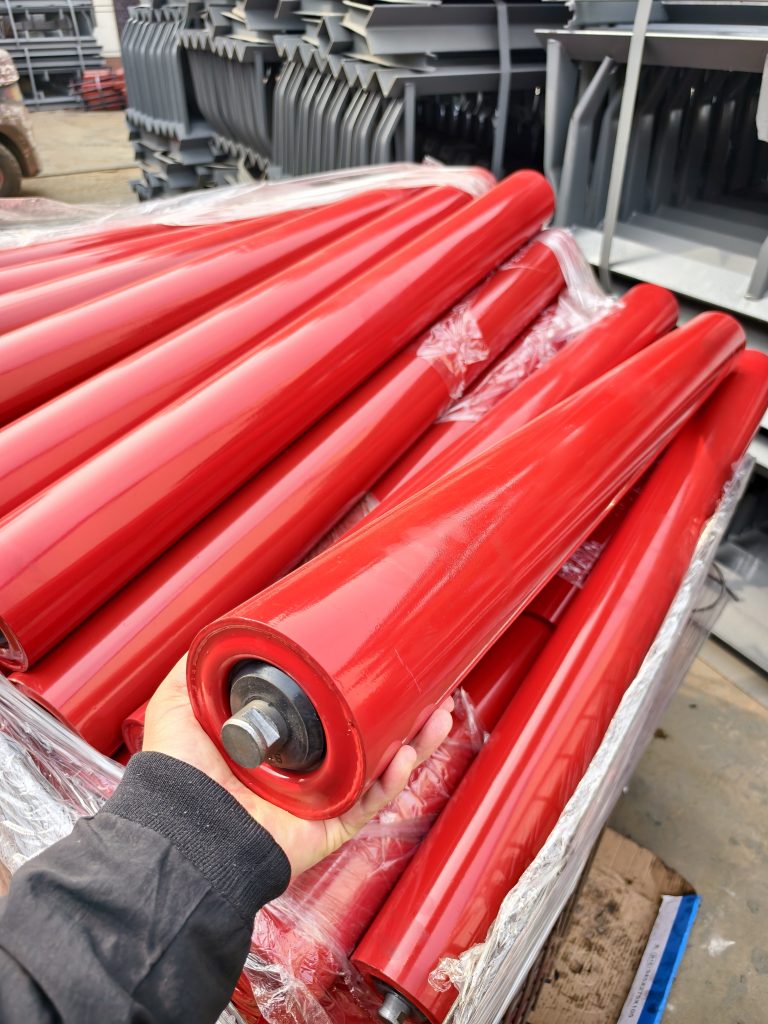
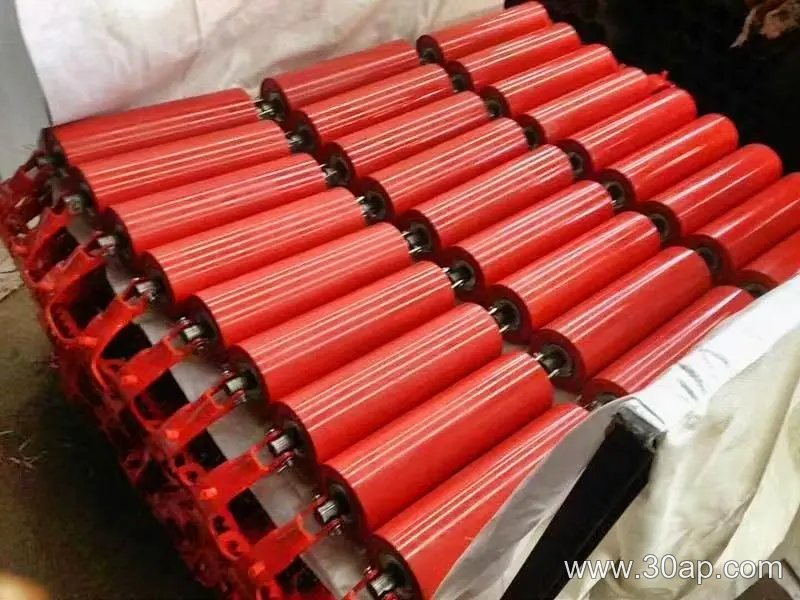
An idler roller is a cylindrical component that supports the conveyor belt and the material load along its path. While often overlooked, its design directly impacts belt tracking, energy consumption, and component lifespan. Selecting the correct idler roller prevents costly downtime and premature belt wear.
Key Selection Factors
- Load rating: Match the roller’s dynamic capacity to your peak material weight, not just average throughput.
- Belt speed: Higher speeds require precision-balanced rollers with low runout to minimize vibration.
- Environment: For dusty, wet, or corrosive conditions, choose sealed bearings and corrosion-resistant shells (e.g., HDPE or stainless steel).
- Trough angle: Standard 20°, 35°, or 45° troughs must align with your belt’s natural catenary curve.
Purchasing Advice
Always verify the roller’s outer diameter, shaft diameter, and mounting frame compatibility. Request a sample for a trial run on your actual conveyor. Prioritize manufacturers that offer rubber lagging options for high-friction zones, and ensure spare parts are readily available. Investing in quality idler rollers reduces maintenance frequency and improves overall belt alignment, leading to lower operational costs.