What a Ceramic-Lined Pulley Is
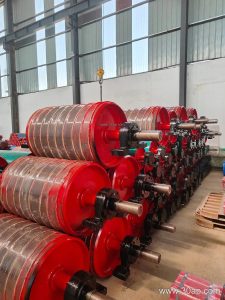
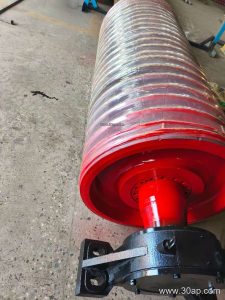
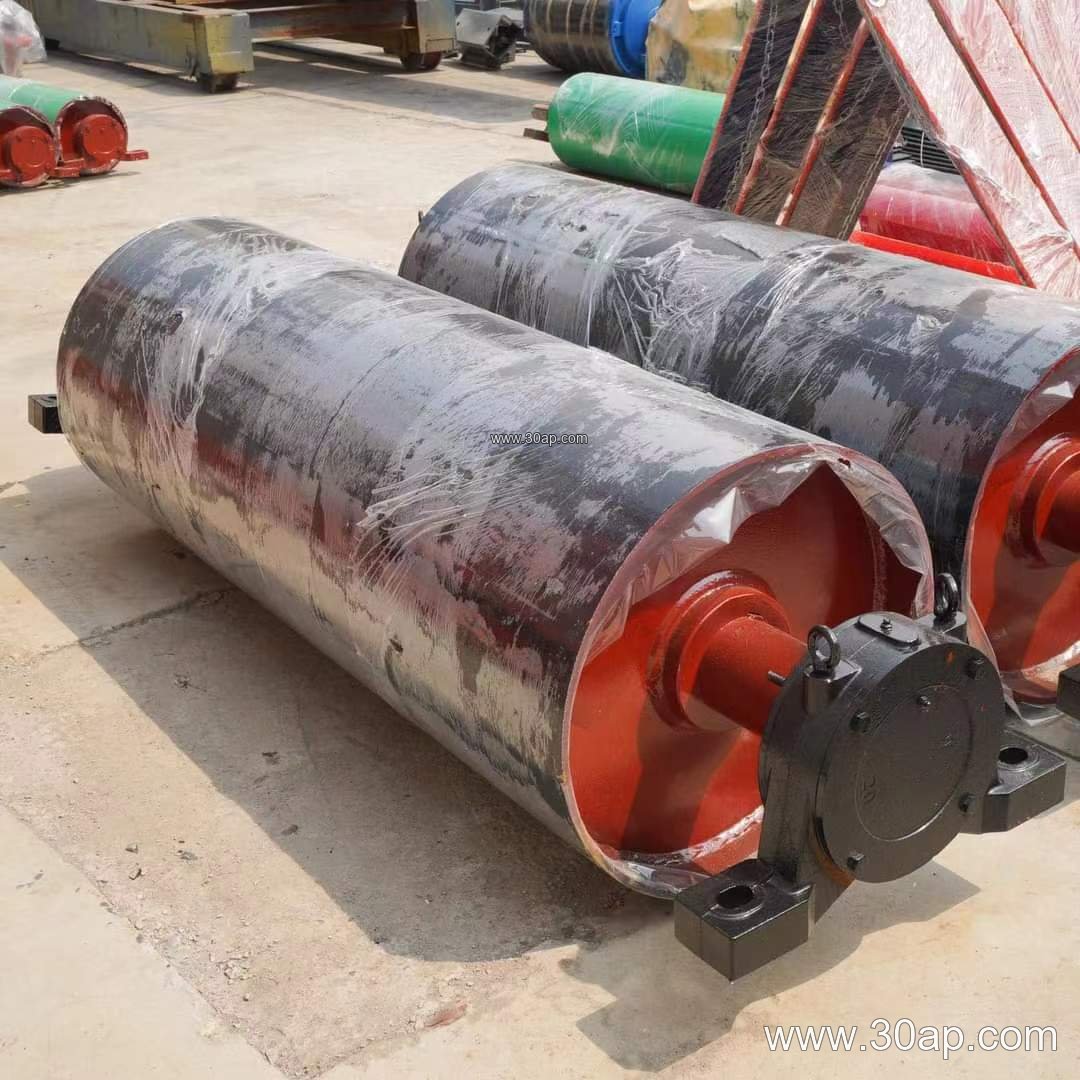
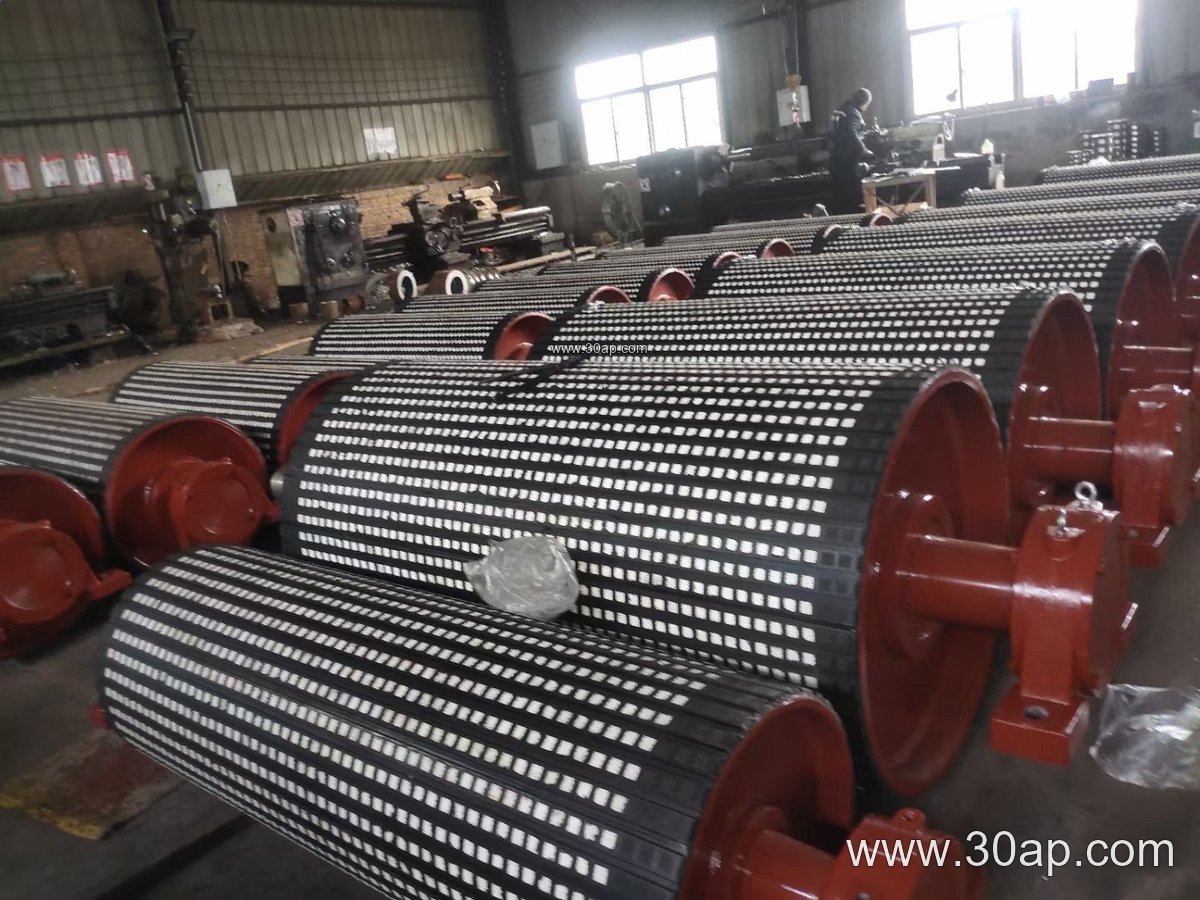
A ceramic-lined pulley is a conveyor pulley whose shell surface is protected by ceramic tiles bonded into a rubber or epoxy matrix. This wear-resistant lagging is designed for drive pulleys that operate under high tension and abrasive conditions. While standard rubber lagging works well in many applications, the ceramic composite offers significantly longer service life when the pulley surface is subjected to continuous abrasion from the conveyor belt and carried material. This makes it a practical choice for heavy-duty mining conveyor belts and other bulk handling systems where reliability is critical.
Construction and Surface Options
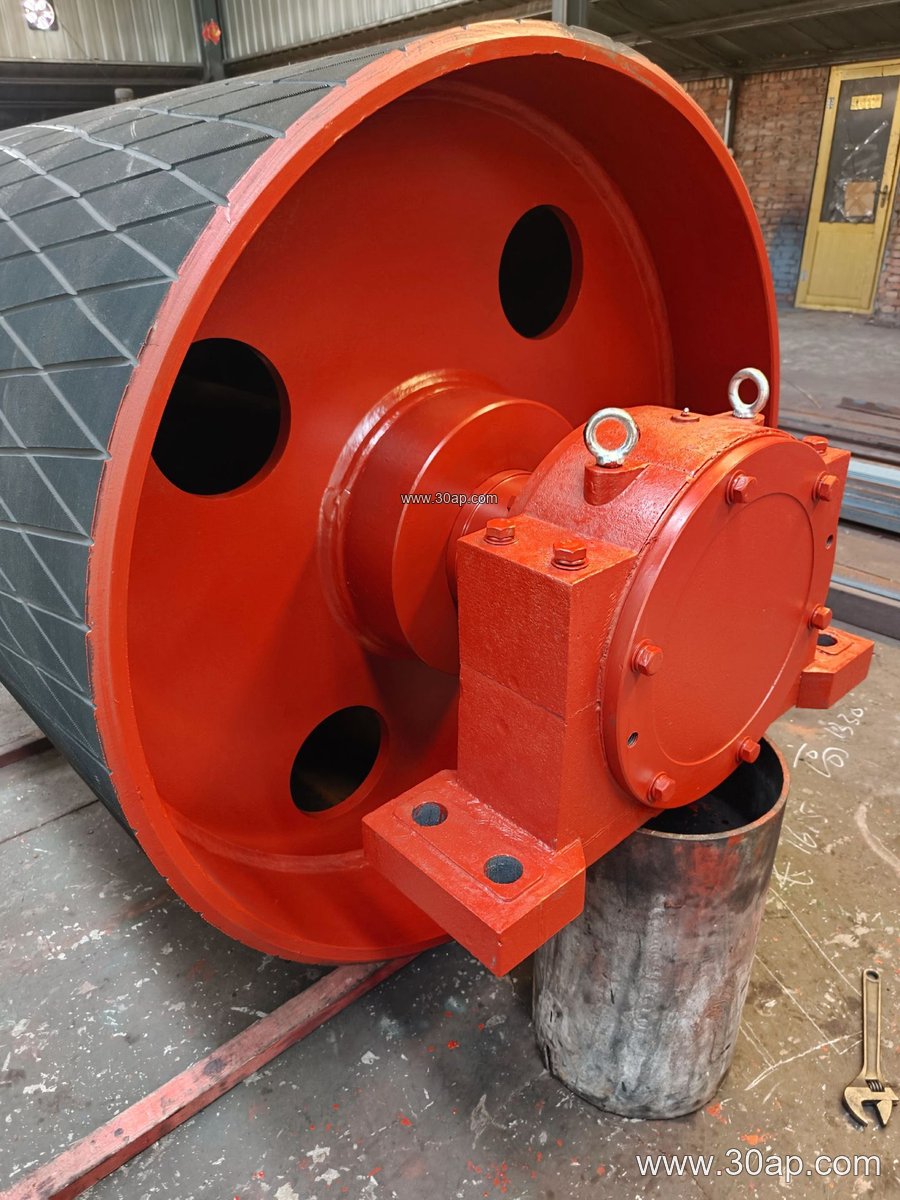
The ceramic lining is typically applied as individual tiles with raised dimples or studs, embedded in a tough rubber backing. The tiles provide a hard, wear-resistant contact surface, while the rubber layer absorbs impact and flexes with the pulley shell. Common surface forms for ceramic lagging include plain tiles and dimpled patterns; the dimpled design helps improve grip and allows debris to escape. For comparison, a standard rubber-lagged pulley may use flat or diamond-grooved rubber, but it lacks the ceramic’s resistance to sharp, abrasive particles. The pulley itself can be a drive pulley, head pulley, or tail pulley, but the ceramic lining is most often specified for drive pulleys where slip and wear are highest.
Typical Pulley Dimensions
Ceramic-lined pulleys are available in a range of diameters and face widths to match conveyor belt widths. The table below shows common combinations, but final selection depends on the specific load and torque requirements. These values are for reference only and should be confirmed with the pulley manufacturer.
| Belt Width (mm) | Pulley Face Width (approx. mm) | Common Pulley Diameter (mm) |
|---|---|---|
| B500 | 600 | Ø250, Ø315, Ø400 |
| B650 | 750 | Ø315, Ø400, Ø500 |
| B800 | 950 | Ø400, Ø500, Ø630 |
| B1000 | 1150 | Ø500, Ø630, Ø800 |
| B1200 | 1400 | Ø630, Ø800, Ø1000 |
| B1400 | 1600 | Ø800, Ø1000, Ø1250 |
Larger diameters such as Ø1250 and Ø1400 are also available for high-tension applications. Shaft diameters are determined by torque and load, not by belt width alone; common shaft sizes range from Ø80 to Ø200 mm depending on the design.
Where Ceramic-Lined Pulleys Are Used
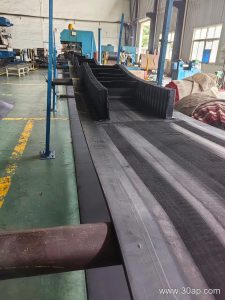
These pulleys are often found in quarry and aggregate operations, where crushed stone and sand cause rapid wear on standard lagging. They are also used in iron ore and copper ore handling, cement plants, and coal-fired power stations. In a typical quarry conveyor, the drive pulley must transmit high torque while resisting abrasion from fines that become embedded in the belt. A ceramic-lined pulley can outlast rubber lagging by a considerable margin in such environments. The hard ceramic surface also helps maintain friction between the pulley and the conveyor belt, reducing slip even when the belt is slightly wet or dusty. For underground mining conveyor belts, flame-retardant rubber lagging may be required, and ceramic tiles can be combined with fire-resistant rubber to meet both wear and safety needs.
Selection and Maintenance Pointers
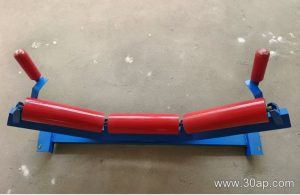
When choosing a ceramic-lined pulley, consider the belt width, the pulley’s location (drive, tail, or bend), and the material being conveyed. A bend pulley may not require ceramic lining if it only changes belt direction, but a drive pulley handling abrasive ore will benefit greatly. The ceramic tiles are bonded to the pulley shell, and the bond quality is critical; poorly bonded tiles can detach and damage the conveyor belt. Regular inspection should check for missing or cracked tiles and for wear on the rubber matrix. Re-lagging with new ceramic tiles is possible, but it requires specialized service. Always match the pulley diameter to the belt’s minimum bend radius and the required torque; do not assume a fixed relationship between belt width and diameter. For example, a B800 belt might use a Ø500 pulley in one conveyor and a Ø630 pulley in another, depending on the drive power and belt tension. Working with a knowledgeable pulley supplier ensures the ceramic lining, shaft, and bearing assembly are correctly specified for the application.