What a Head Bend Pulley Does
A head bend pulley is a direction-change pulley mounted near the head of a conveyor, where it guides the returning belt into a new path before or after the head drive arrangement. It is a specific member of the bend pulley family, not a drive pulley and not a tail pulley. The drive pulley transmits torque to the belt, the tail pulley closes the loop at the loading end, and the bend pulley simply changes belt direction while carrying tension. Treating these three as interchangeable is a common source of misapplication, because each has a different duty, shaft design and surface requirement.
In many head-end layouts, the belt leaves the head pulley, passes over or under a head bend pulley, and is routed toward a take-up or a gravity tower. The pulley therefore sits in a high-tension zone and must keep the belt tracking squarely while resisting abrasion from the dirty side of the belt.
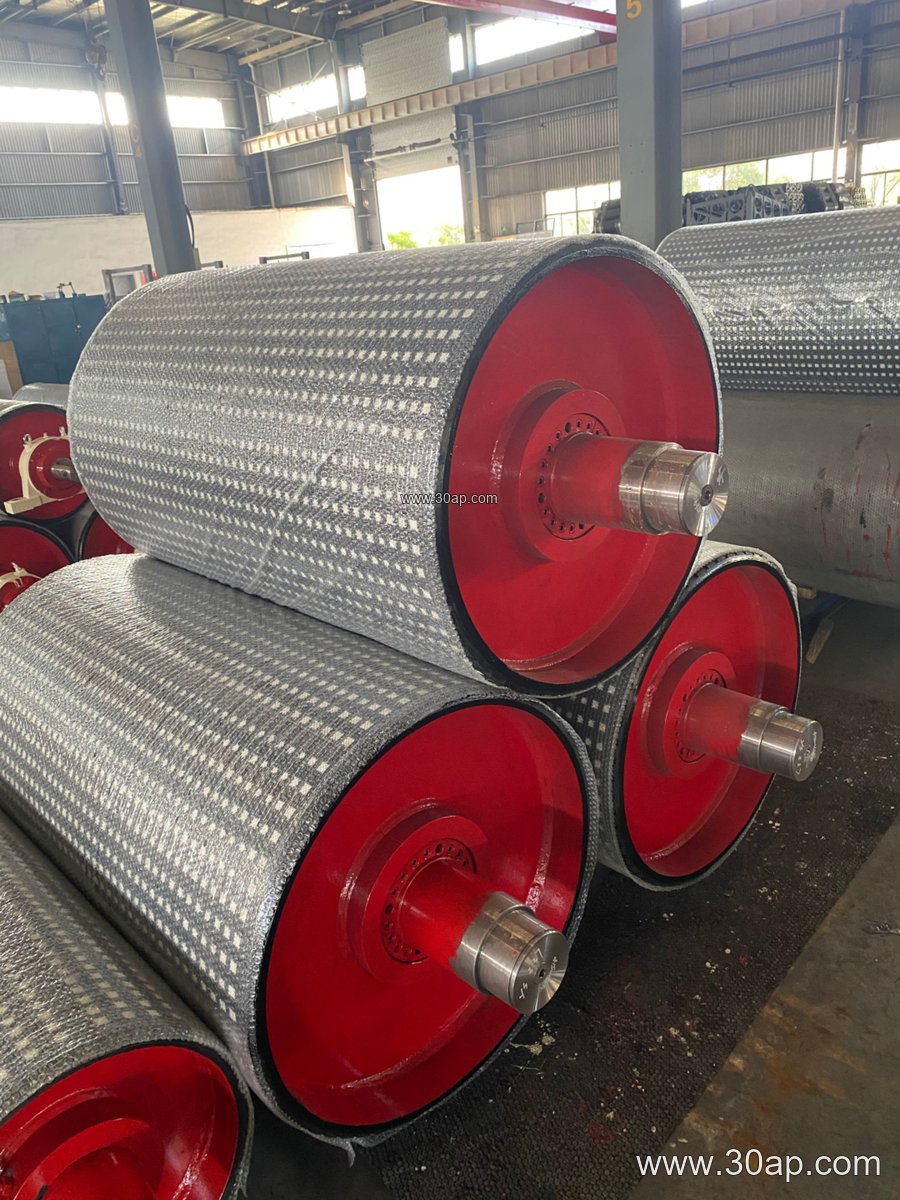
Construction and Surface Options
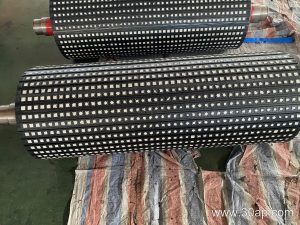
The body is normally a welded steel drum with a machined face, supported by a through shaft in bearing housings. For abrasive service such as a quarry conveyor belt line or a cement plant clinker circuit, the face is often lagged. Common surface forms include plain, cold-bonded rubber, hot-vulcanized rubber, diamond grooving and ceramic lagging, with lagging thickness commonly 8, 10, 12, 15 or 20 mm. Diamond lagging helps shed fines and water; ceramic tiles suit very abrasive bulk material where belt slip at the bend must be limited.
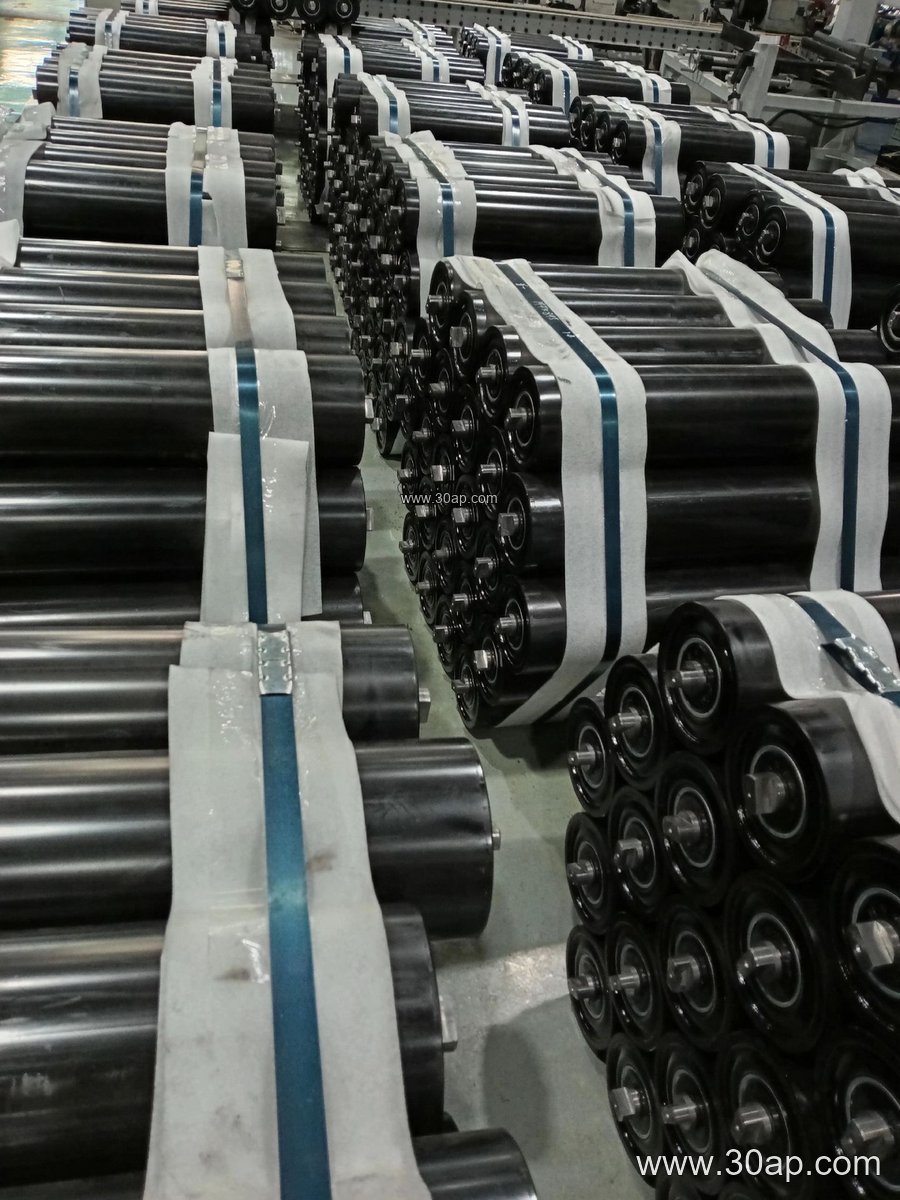
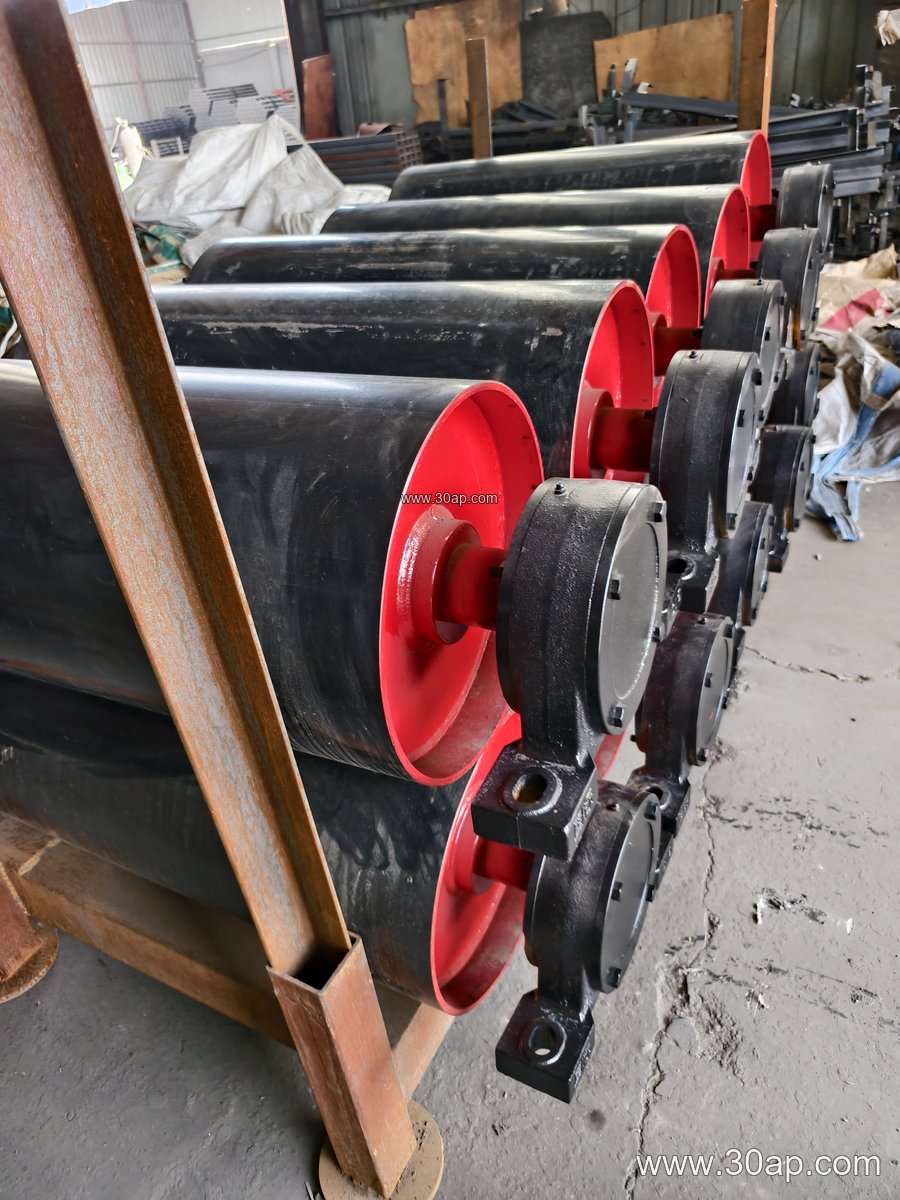
Bearing selection and shaft diameter follow the calculated tension and torque, not the belt width alone. Shafts are commonly supplied in steps such as Ø80, Ø100, Ø120 or Ø140, but the final size is determined by the conveyor designer. The pulley face is usually a little wider than the belt, for example about 1400 mm of face for a B1200 belt or about 950 mm for B800.
Typical Sizes and Combinations
Head bend pulleys are built to match the belt and the available space. Reference combinations include B800 × Ø500, B1200 × Ø1000 and B1400 × Ø800, but a given belt width can work with more than one diameter depending on wrap angle and tension. Larger diameters reduce bending stress in the carcass, which matters when a steel cord conveyor belt or a heavy-duty mining conveyor belt runs at high tension.
| Belt width | Typical pulley face | Common diameter range |
|---|---|---|
| B650 | about 750 mm | Ø315 to Ø630 |
| B800 | about 950 mm | Ø400 to Ø800 |
| B1000 | about 1150 mm | Ø500 to Ø1000 |
| B1200 | about 1400 mm | Ø630 to Ø1250 |
| B1400 | about 1600 mm | Ø800 to Ø1400 |
These are reference values, not fixed pairings. The wrap angle, belt modulus and take-up position all influence the final selection.
Where It Fits in the Plant
In a coal washing plant or a power plant coal yard, a head bend pulley is often used to route the return strand beneath the head station, keeping the belt clear of the chute and the conveyor bracket structure. In an iron ore or copper ore concentrator, the same component may be lagged to handle wet, gritty return belt. It is also found in ship loading booms at ports, where space at the head is tight and the belt must turn sharply.
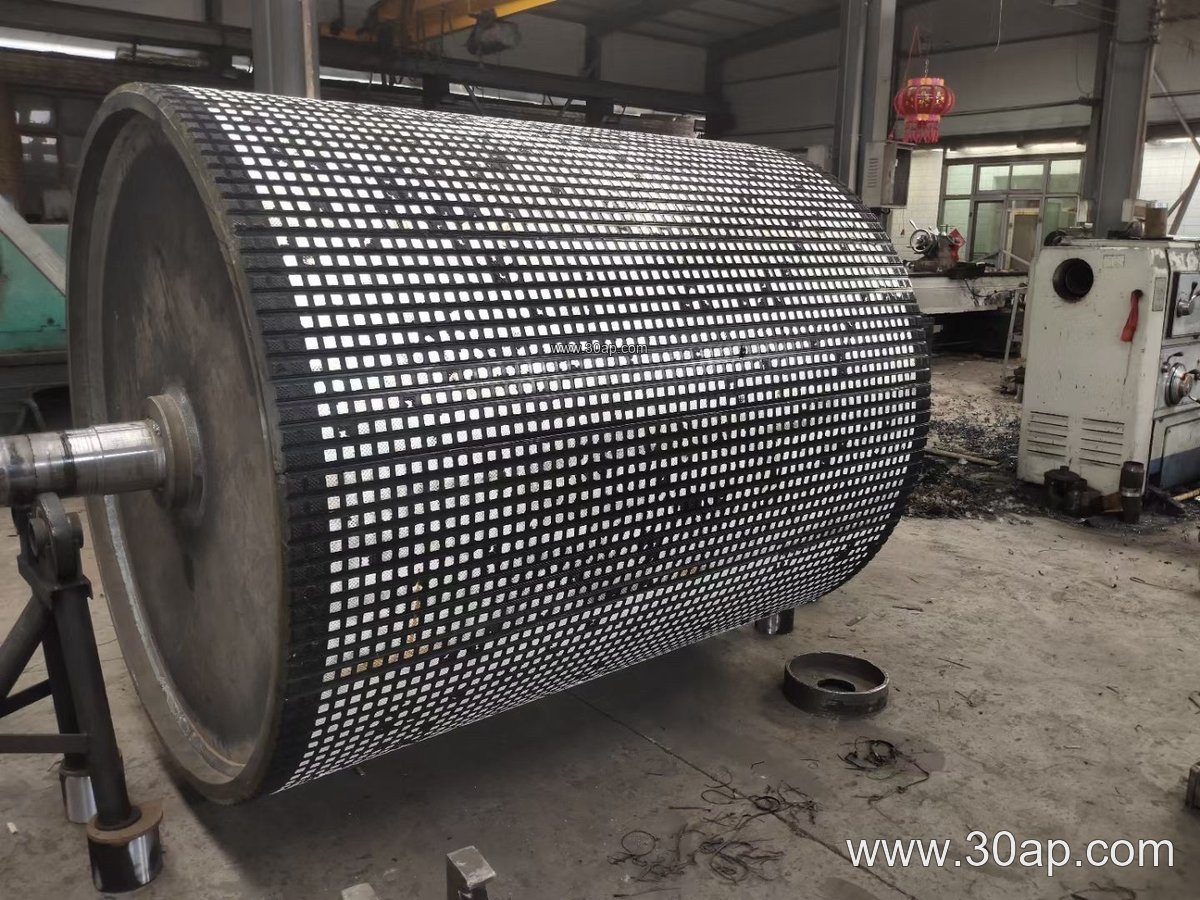
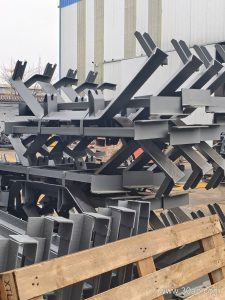
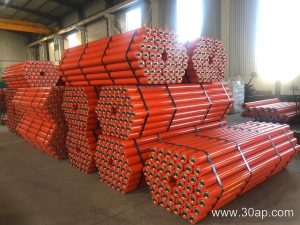
The pulley works together with the conveyor belt, the idler roller sets on the carrying side and the return idlers, and the frame brackets that hold the bearings. Misalignment at this point quickly shows as edge wear, so mounting accuracy matters as much as the pulley itself.
Buyer Checklist
- Confirm the position and wrap angle, and state whether the pulley is a bend, drive or tail unit.
- Specify belt width, belt type and calculated tension so the shaft and bearings can be sized correctly.
- Choose lagging to match the material: plain for clean service, rubber or ceramic for abrasive ore and aggregate.
- Check face width, bearing centers and shaft extension against the existing conveyor bracket.
- Ask for dynamic balancing where high speed is expected.
For matching belts and components, buyers often review options such as an EP conveyor belt or a flame retardant conveyor belt alongside the pulley order. Further details on drum and roller selection are available at www.bendpulley-info.com, and related conveyor pulley data can be found under www.bendpulley-info.com/conveyor-pulley.