What a Coal Conveyor Pulley Does
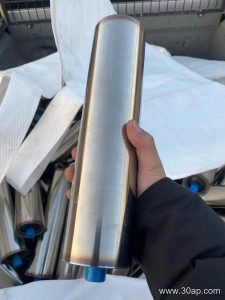
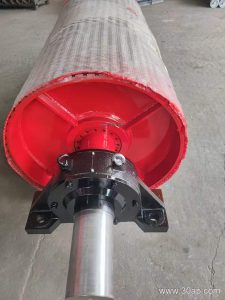
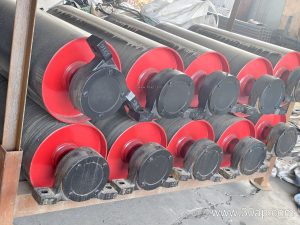
A coal conveyor pulley is the rotating drum that carries and drives the belt on a coal handling conveyor. At the discharge end it transfers motion to the belt through friction between the lagged shell and the belt cover; at the tail it redirects the returning belt; at take-up and bend stations it guides the belt through the required path. In coal preparation plants, power station coal yards and port coal terminals, these drums sit in dusty, often wet conditions, so shell strength, lagging grip and bearing sealing all matter more than on a clean-duty conveyor.
Because the pulley is part of the same drive train as the conveyor belt and the conveyor pulley assembly, small mismatches in diameter, face width or lagging show up quickly as belt wander, slip or edge wear.
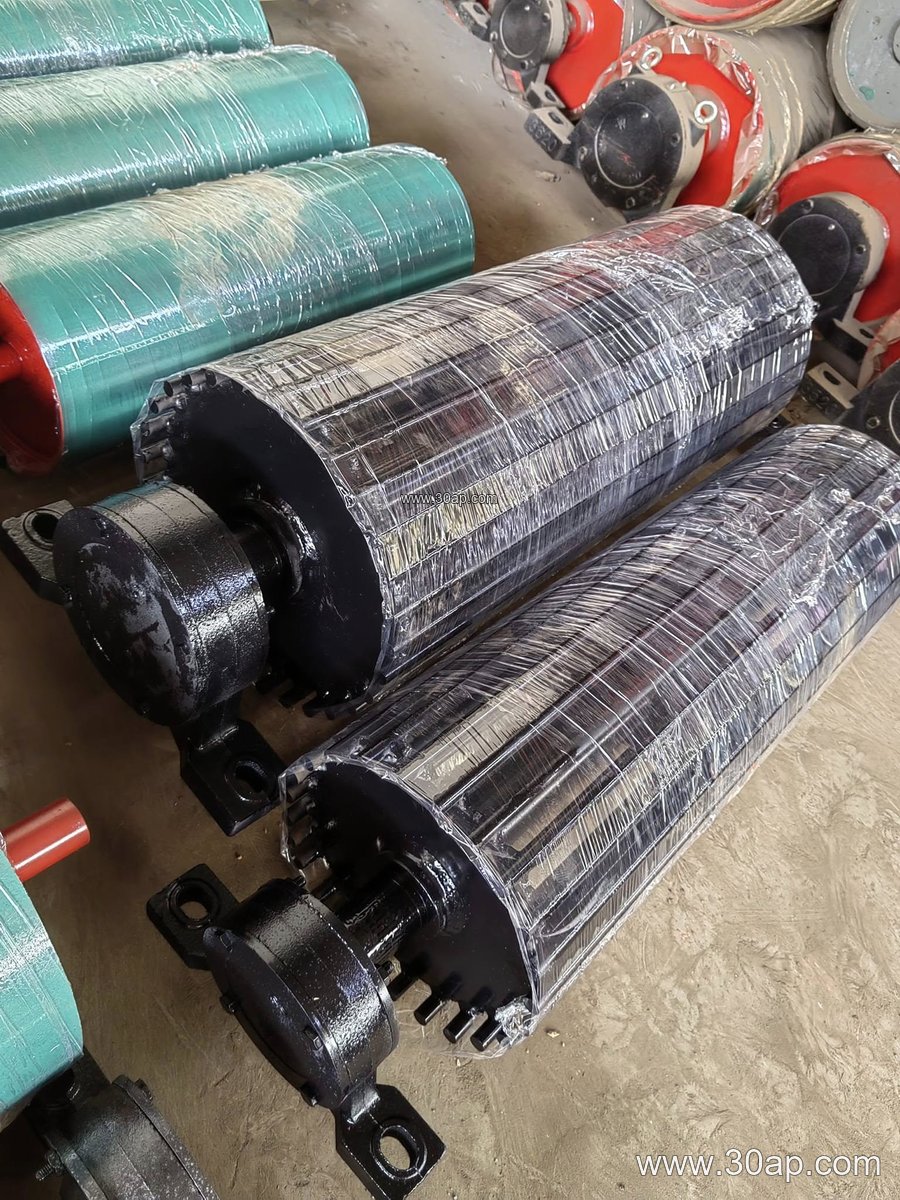
Construction Details That Affect Service Life
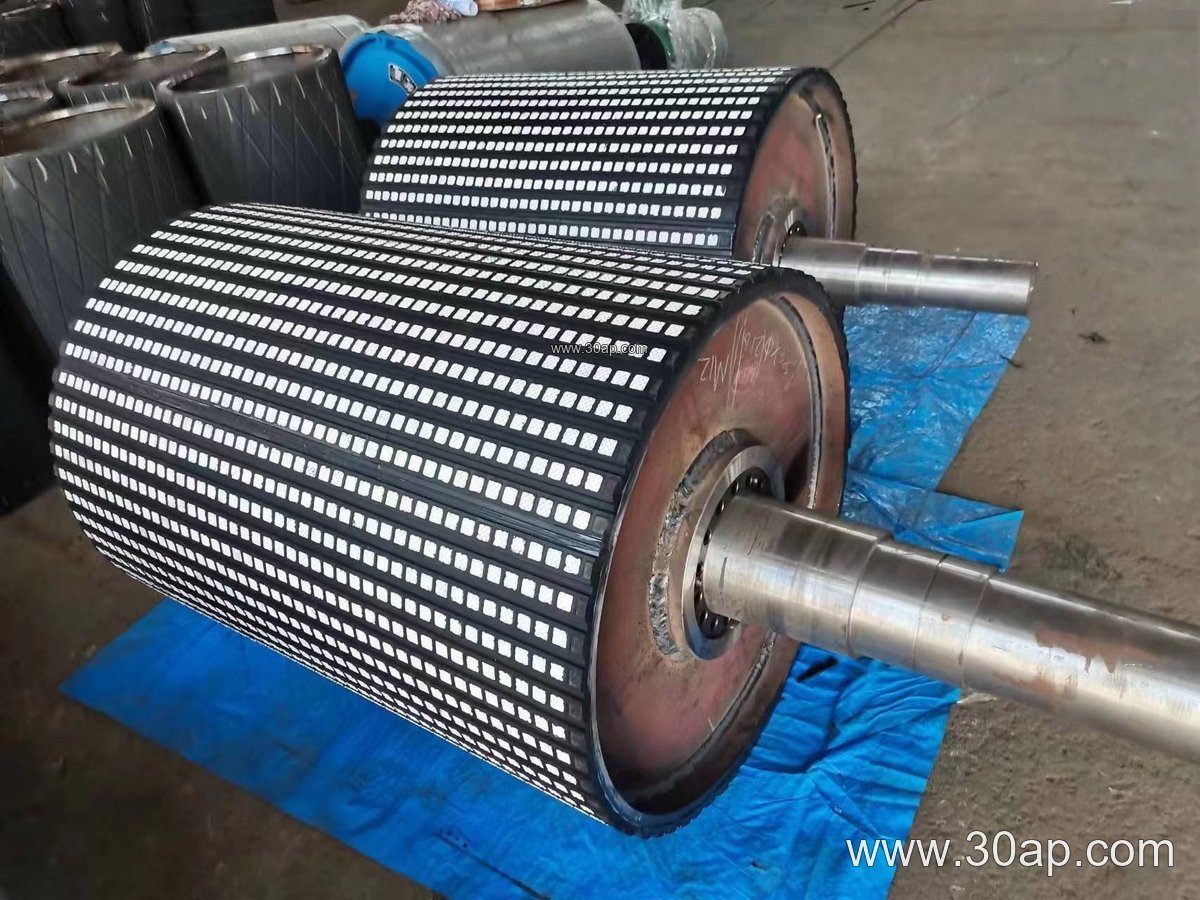
The main body is usually a rolled steel shell welded to end discs, with a shaft pressed or keyed through the hubs. Common designs include welded hub, keyless locking assembly and shrink-disc hubs, each chosen around torque and ease of removal. Coal duty favors fully sealed, greased-for-life bearing housings, labyrinth seals and replaceable lagging.
- Shell: rolled plate, machined face, often with a crown for belt training.
- Lagging: plain, rubber lagged, diamond grooved, herringbone grooved or ceramic tile, usually 8 to 20 mm thick.
- Shaft: sized by torque and bending load, commonly Ø80 to Ø200 on medium and large coal conveyors.
- Bearings: spherical roller type in pillow block housings, protected against coal dust and washdown.
Face Width, Diameter and Belt Matching
Face width is normally a little wider than the belt so the belt stays supported across its full width. Typical relationships used in layout work are shown below; these are reference values, not fixed pairings, and the final diameter follows belt tension, wrap angle and shaft load.
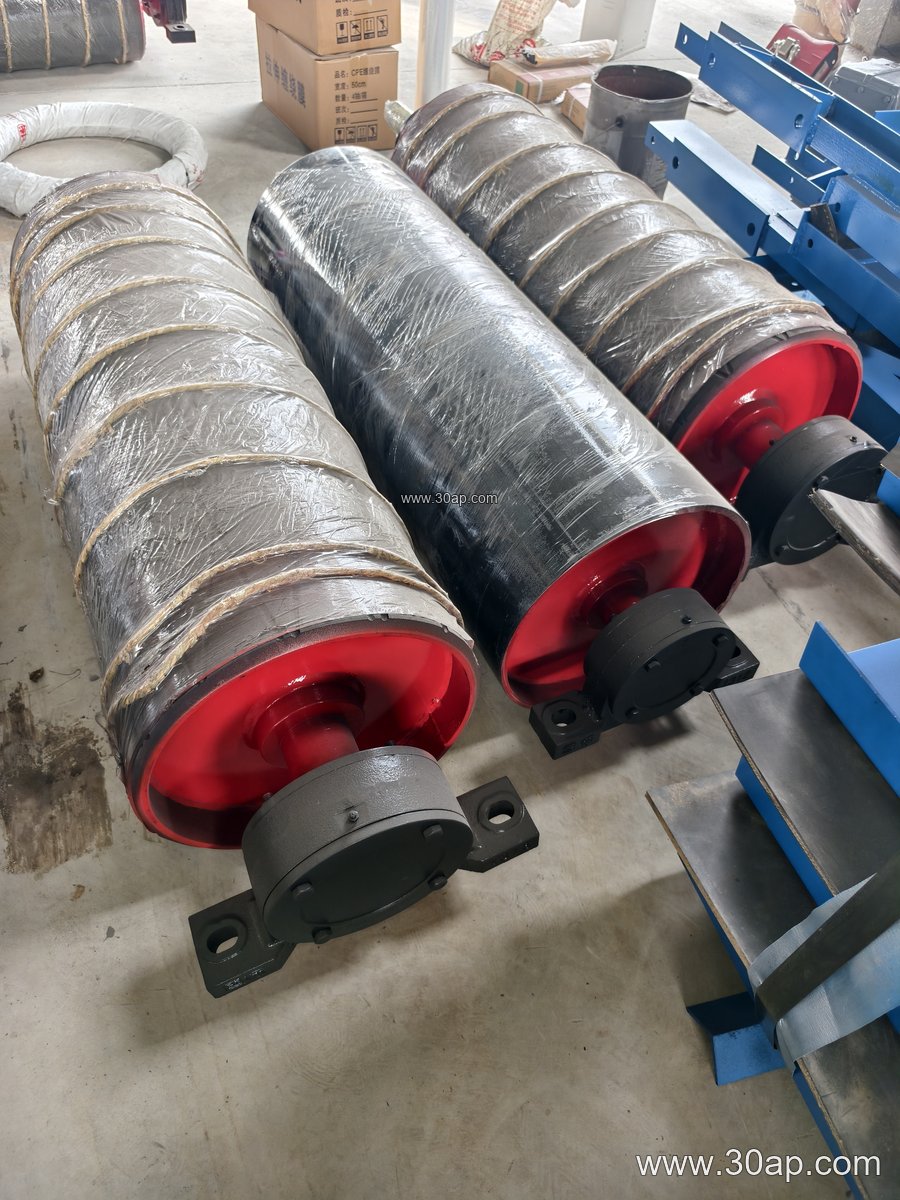
| Belt width | Typical pulley face width | Example drum size |
|---|---|---|
| B650 | about 750 mm | B650 x Ø500 |
| B800 | about 950 mm | B800 x Ø500 |
| B1000 | about 1150 mm | B1000 x Ø630 |
| B1200 | about 1400 mm | B1200 x Ø1000 |
| B1400 | about 1600 mm | B1400 x Ø800 |
| B1800 | about 2000 mm | B1800 x Ø1250 |
One belt width can accept several diameters, so selection should be confirmed by the conveyor designer rather than copied from a table. For heavy coal flows, a larger drum reduces belt bending stress and improves lagging life; for tight head rooms, a smaller drum with adequate shaft size may be the only fit.
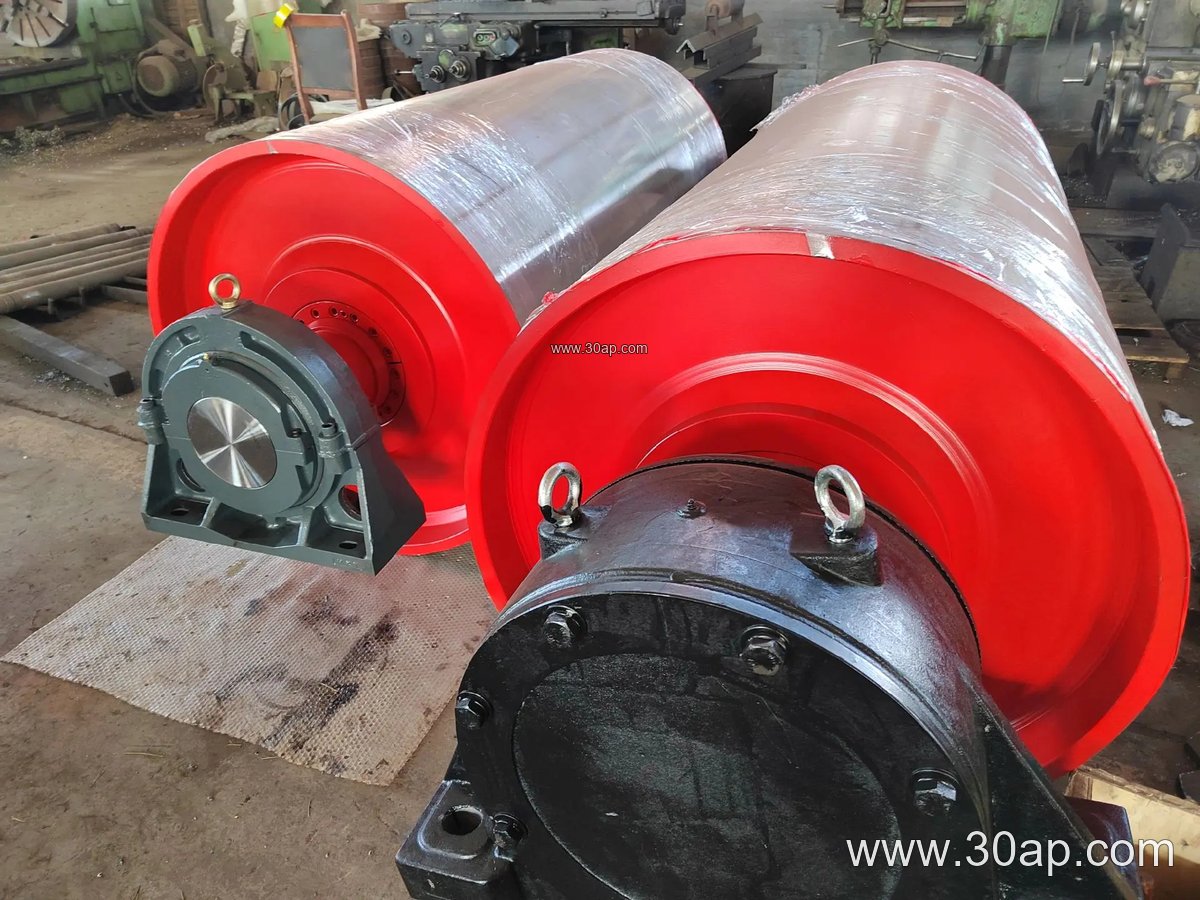
Where It Fits in Coal Handling
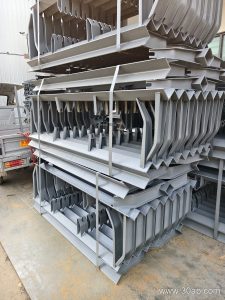
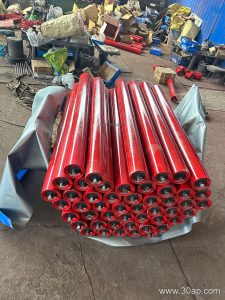
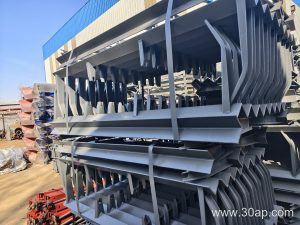
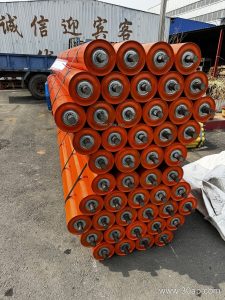
In a coal washing plant, the head pulley discharges onto a transfer chute while the tail pulley keeps the return strand aligned. In a power station coal yard, bend pulleys route the belt around take-up towers, and a snub pulley increases wrap angle on the drive. Similar drums serve limestone and clinker lines in cement works, and quarry conveyors feeding a crusher. In all these locations the drum works alongside idler roller sets, conveyor brackets and the belt itself, so alignment across the whole frame matters.
Coal service often calls for a flame retardant conveyor belt and anti-static conveyor belt to reduce fire and spark risk, and abrasion resistant conveyor belt where coal or coke is sharp. A rubber conveyor belt with fabric core is common on shorter runs, while steel cord conveyor belt handles long overland lines and high tension. Matching the drum lagging to the belt cover, for example a diamond pattern against a smooth cover, helps keep friction predictable.
Buyer Checklist
- Confirm belt width, drum diameter, face width and shaft diameter from the conveyor drawing.
- State the duty: raw coal, washed coal, coke breeze or blended fuel, plus dust and moisture levels.
- Choose lagging: plain for light duty, rubber or ceramic for wet and abrasive coal, grooved where water drainage is needed.
- Ask for bearing type, sealing arrangement and lubrication method.
- Check balance grade, runout and welding inspection requirements.
- Plan lifting points and access for lagging replacement.
At www.bulkconveyorparts.com we regularly discuss these points with maintenance teams, and the same questions apply whether the drum serves a mine, a port stockyard or a boiler feed line. A well specified coal conveyor pulley, correctly matched to its belt and frame, is one of the cheapest ways to keep a coal conveyor running without unplanned stops.