What the ST2500 Conveyor Belt Is
The ST2500 Conveyor Belt is a steel cord conveyor belt with a nominal breaking strength of 2500 N/mm per unit width. It sits in the upper-middle range of the steel cord family, above ST2000 and below ST3150, and is chosen where a single long flight must carry heavy bulk material without an intermediate transfer point. In plant language it is often called an ST2500 steel cord belt or simply an ST2500 belt; both refer to the same product. It is not a fabric belt, and it is not interchangeable with an EP or NN construction.
Typical duty is high tension over long centre distances: main trunk conveyors at a mine, raw material transport in a cement plant, coal handling in a power station, and boom or yard belts at a port. Engineers also specify it for ore and overland lines where a Steel Cord Conveyor Belt offers lower elongation than multi-ply fabric and reduces the number of splice points.
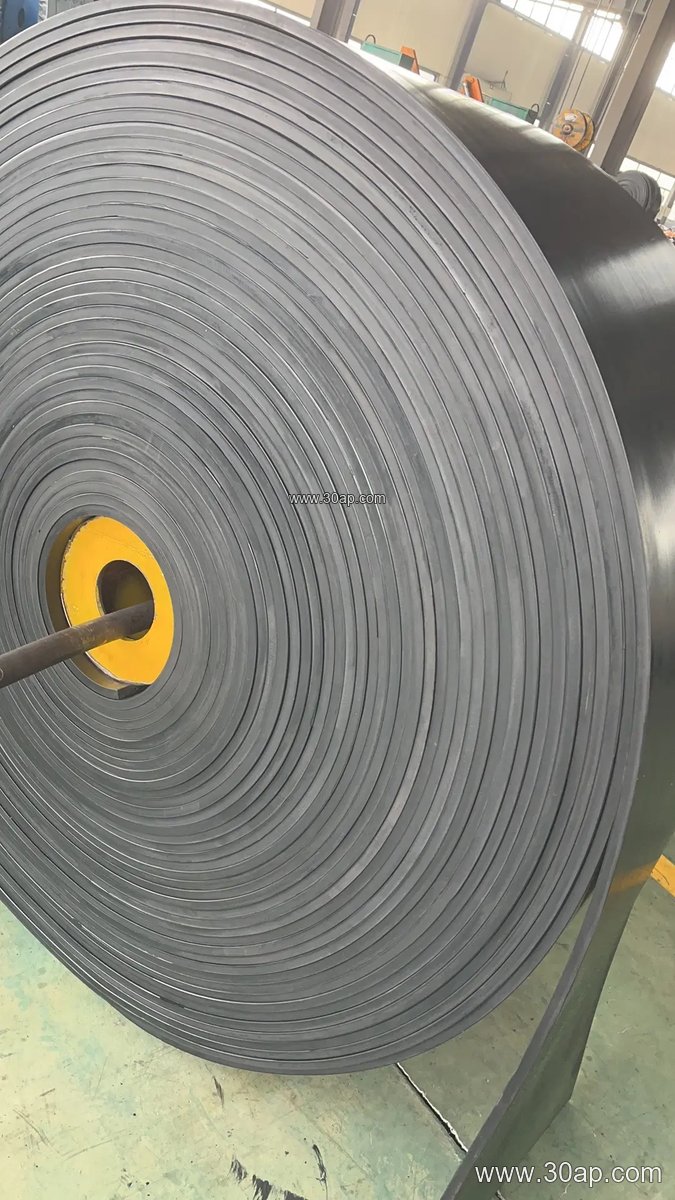
How the Belt Is Built
The carcass is a single layer of high-carbon steel cords, brass-coated for adhesion, laid parallel and spaced according to the manufacturer’s design. Rubber compound is calendered around the cords, and top and bottom cover rubber is applied before vulcanisation. The result is a belt with very low stretch under load and good resistance to impact and troughing.
- Carcass: parallel steel cords, one layer, tension matched to the ST grade.
- Top cover: selected for abrasion, heat, oil or flame resistance as the duty requires.
- Bottom cover: usually a thinner abrasion-resistant grade for pulley contact.
- Edges: cut or moulded, depending on whether the belt will be spliced on site.
Cover thickness is stated as top plus bottom, for example 6+2 mm or 8+3 mm, and is set by the abrasion and impact conditions rather than by the cord strength alone. A belt can be ordered as an Abrasion Resistant Conveyor Belt for crushed rock, or with a Heat Resistant Conveyor Belt cover for clinker and sinter, while keeping the same ST2500 carcass.
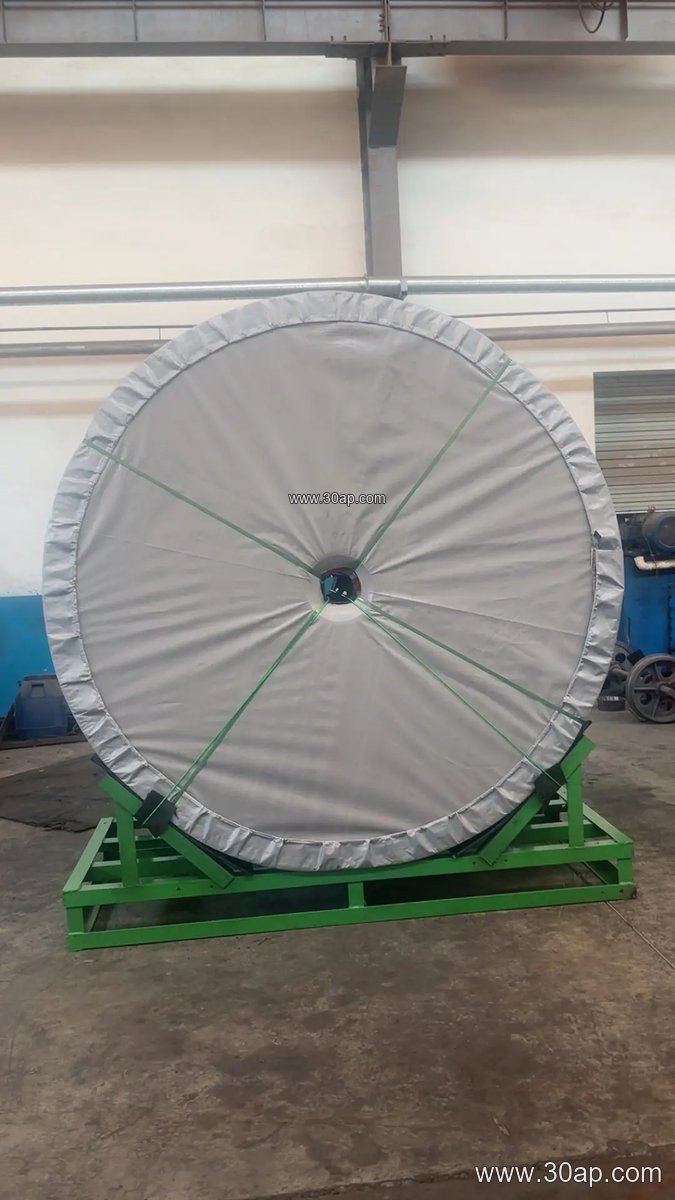
Reference Dimensions
The figures below are common reference values, not a fixed catalogue. Actual cord pitch, cover gauge and splice design are confirmed by the supplier against the conveyor layout.
| Parameter | Common reference range |
|---|---|
| Belt width | B800, B1000, B1200, B1400, B1600, B1800, B2000 |
| Nominal strength | ST2500 (2500 N/mm) |
| Cover thickness | 4+2, 5+2, 6+2, 8+3 mm |
| Cover grades | abrasion resistant, heat resistant, flame retardant, anti-static, oil resistant |
| Typical service | long overland and mainline conveying |
Belt width and pulley diameter are matched by conveyor design, not by a single rule; a 1200 mm ST2500 belt may run on different pulley sizes in two different plants. Shaft diameter follows the calculated torque and the pulley manufacturer’s design, so it should never be assumed from belt width alone.
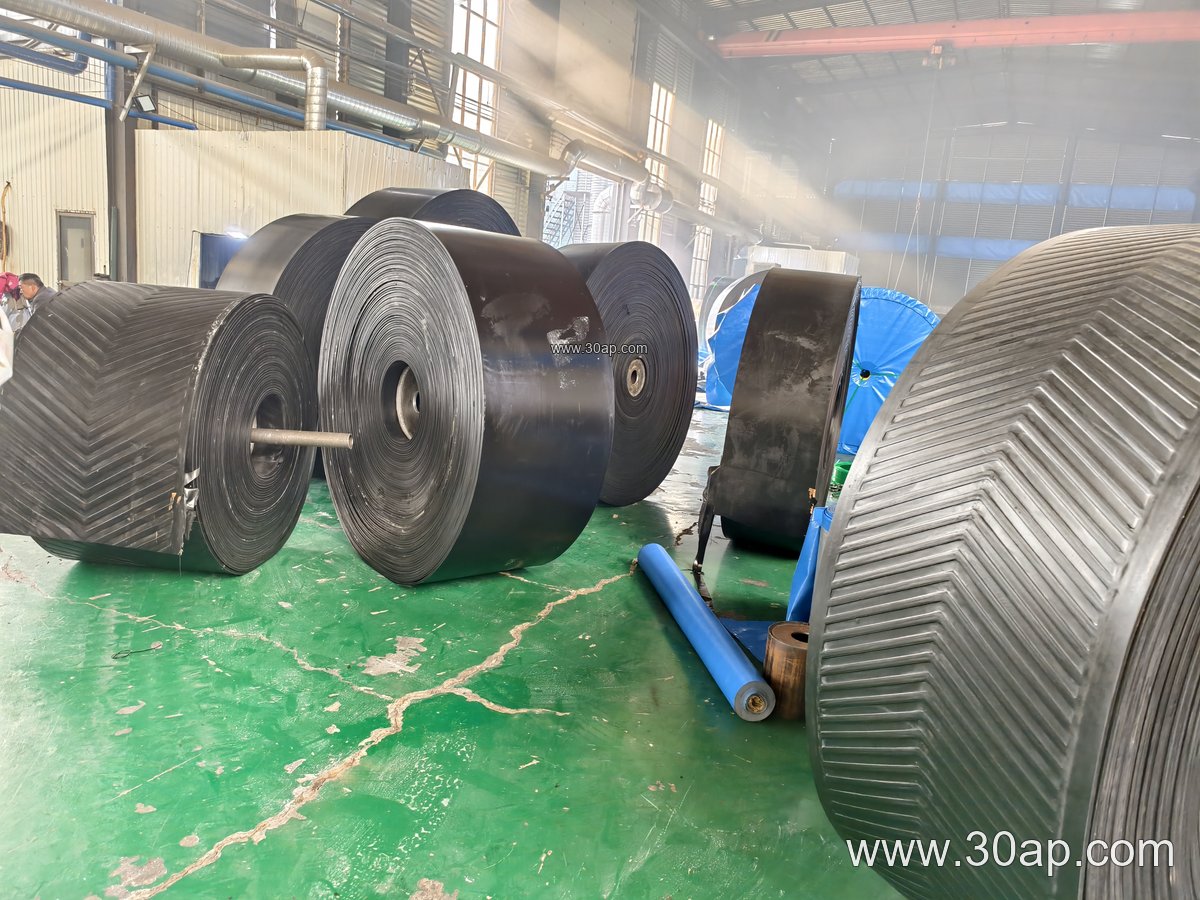
Where It Fits in the Plant
Steel cord belts of this grade appear across mining and heavy industry. In an underground coal mine, a flame retardant and anti-static version is normally required; in a quarry or sand making plant, a high abrasion resistant cover is the usual choice; in a cement works, heat resistant covers handle clinker while standard covers move limestone and gypsum. Power plants use them on coal yard and limestone lines, and steel plants on ore and coke transport.
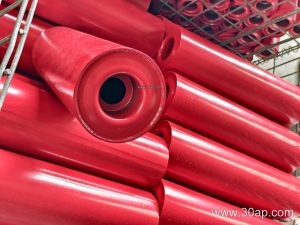
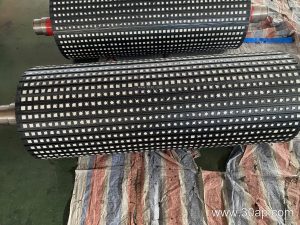
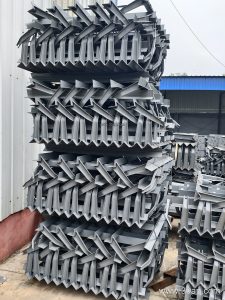
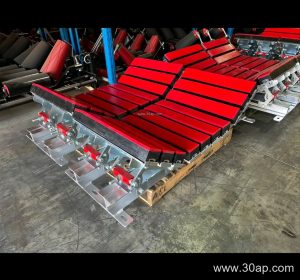
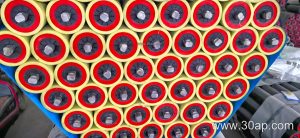
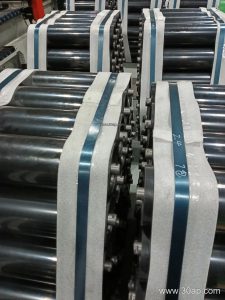
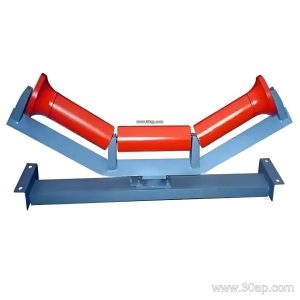
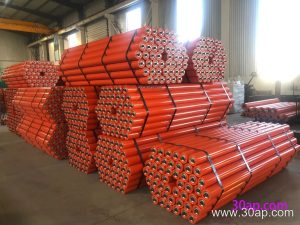
The belt works together with the rest of the conveyor: idler rollers support the trough, the drive pulley transmits tension, the tail pulley returns the belt, and bend pulleys route it through take-up. Conveyor brackets and frames hold these components in alignment. A mismatch between belt stiffness and pulley or idler layout shows up quickly as edge damage or tracking problems, so the whole system is designed together. For curves and steep inclines, a Chevron Conveyor Belt or a Corrugated Sidewall Conveyor Belt may be considered, but those are different constructions and are not substitutes for a flat ST2500 line.
Selection and Maintenance Notes
- Confirm the calculated maximum tension and safety factor before fixing the ST grade; ST2500 is a strength class, not a universal answer.
- State the material, lump size, temperature and presence of oil or chemicals so the cover compound is correct.
- For underground coal, specify flame retardant and anti-static properties together.
- Plan the splice: steel cord belts are usually spliced by vulcanisation, and splice length depends on cord pitch and belt tension.
- Check pulley lagging, idler rotation and alignment during routine inspections; a seized idler roller can damage a cover in a short time.
- Keep the belt tracking centred, and inspect edges after any structural work on the conveyor bracket or frame.
Buyers should ask for the cord construction, cover gauge and grade, splice data and recommended pulley diameters in writing, and should treat any quoted size as project-specific until the conveyor design is confirmed. Troughability, impact resistance and cover life all depend on matching the ST2500 belt to the actual duty rather than to a generic specification sheet.