Understanding the Ø180 Conveyor Idler
The Ø180 conveyor idler, also known as a 180 mm diameter idler roller, is a heavy-duty component designed for conveyor systems that handle high loads and abrasive materials. Its larger diameter compared to standard idlers allows for greater load capacity, reduced belt stress, and improved rotation efficiency. This makes it a common choice in industries such as mining, coal preparation, cement production, and power plant coal handling.
Conveyor idlers are essential for supporting the conveyor belt and the material being transported. The Ø180 idler is typically used in the carrying side (upper run) of the conveyor, where it supports the loaded belt. It can also be employed in return side applications with appropriate configurations. The robust construction of this idler ensures reliable performance even in harsh environments.
Construction and Key Components
A Ø180 conveyor idler is built with a sturdy steel tube shell, precision bearings, and effective sealing to protect against dust and moisture. The roller surface may be plain steel, or it can be fitted with rubber rings for impact absorption in buffer idler applications. The shaft is typically made of cold-drawn steel and extends through the roller to mount on conveyor brackets.
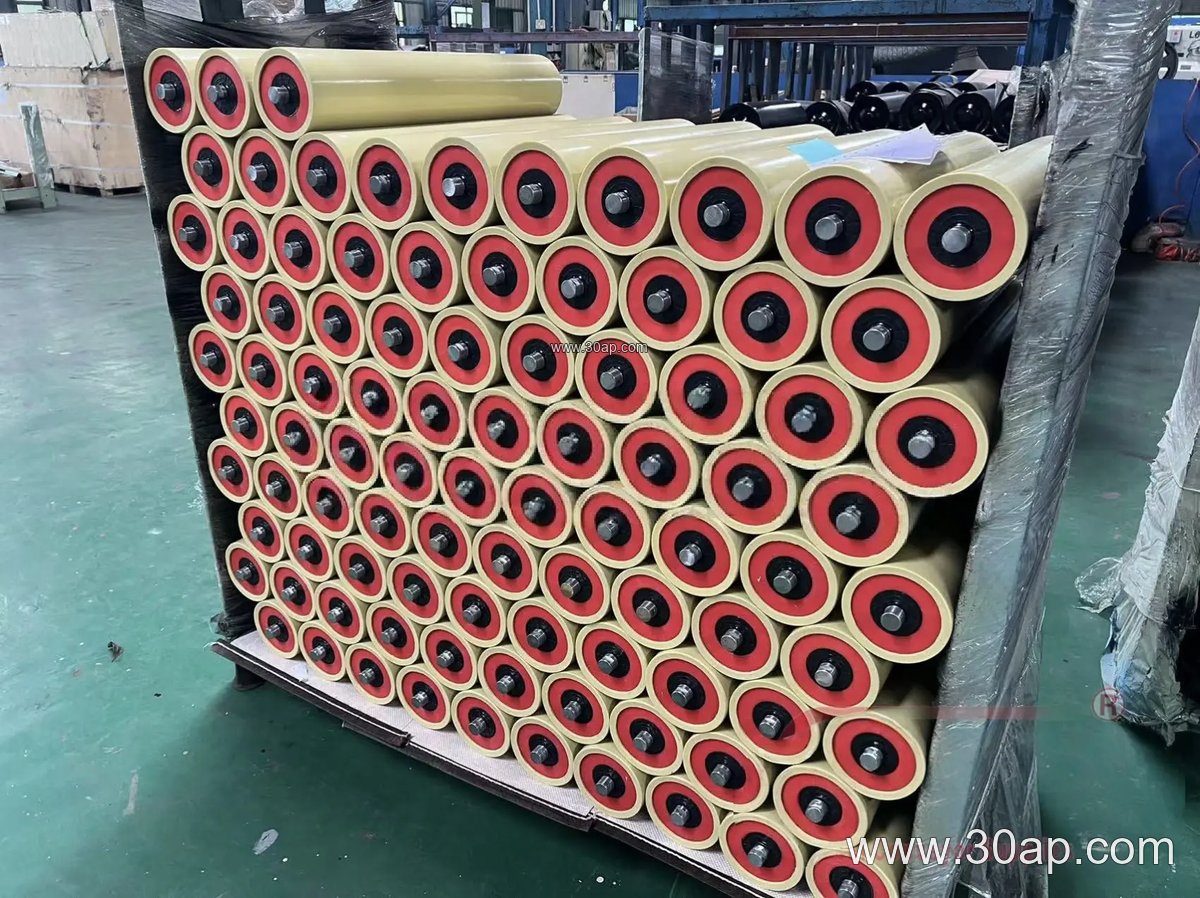
Common bearing sizes used with this diameter include 6305, 6306, and 6308, depending on the load requirements and manufacturer design. The sealing system is crucial for longevity, especially in dusty conditions like those found in quarries, coal mines, and cement plants. Many Ø180 idlers feature labyrinth seals or contact seals to prevent contaminants from entering the bearing cavity.
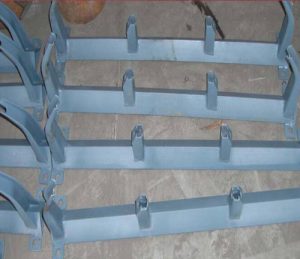
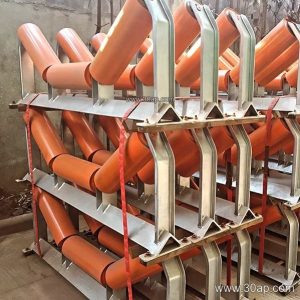
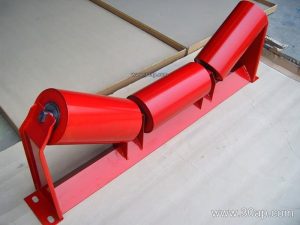
The idler is often part of a three-roll troughing set with a trough angle of 30° or 35°, which helps to center the belt and increase capacity. The roll length varies with belt width and trough angle; for example, a three-roll set for a 1200 mm wide belt might use rolls of approximately 465 mm length, but this is a common reference and should be confirmed by design.
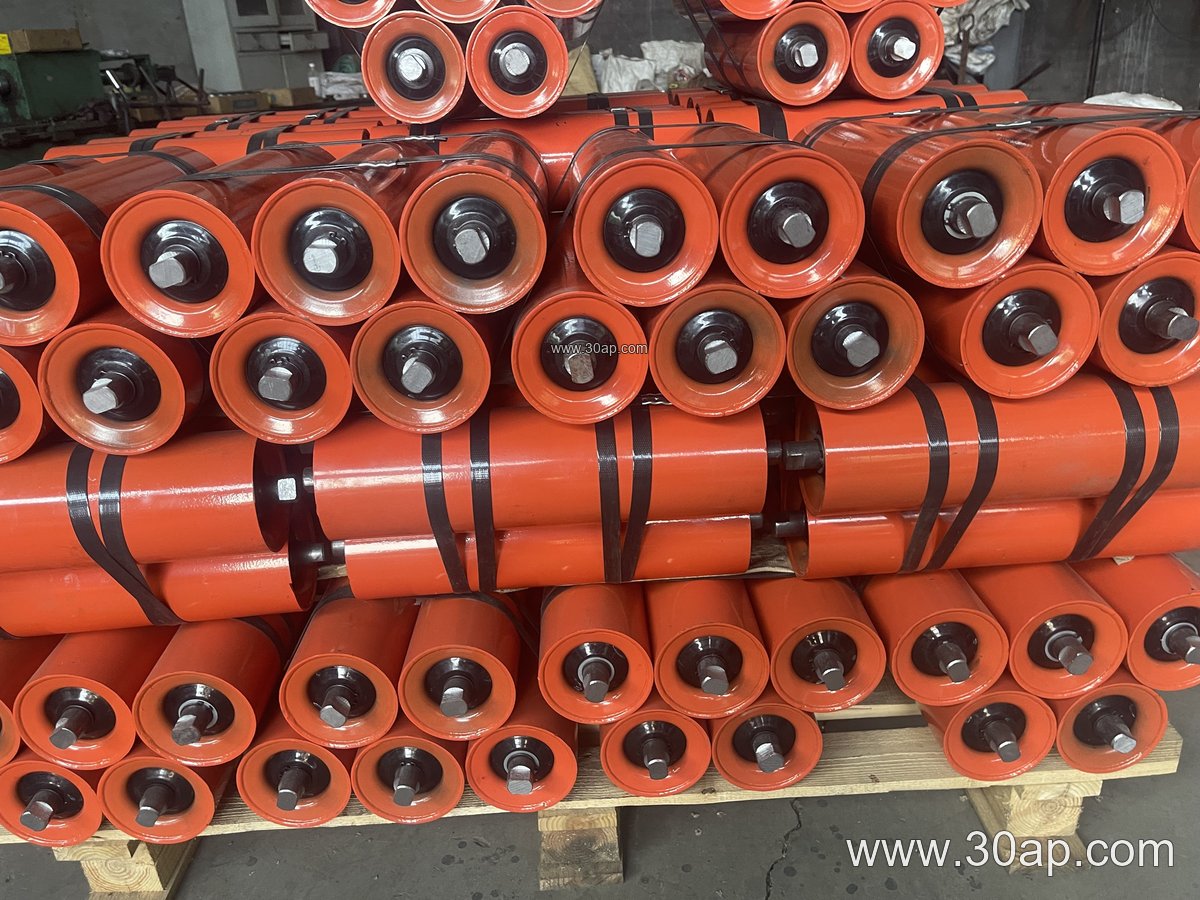
Typical Applications in Heavy Industry
The Ø180 conveyor idler excels in demanding environments where standard idlers may wear out quickly. In coal mining and coal preparation plants, it supports conveyor belts carrying coal and gangue, often paired with flame retardant conveyor belt to meet safety requirements. In cement plants and limestone quarries, it handles abrasive materials like clinker and crushed stone, where high abrasion resistant conveyor belt is also used to extend service life.
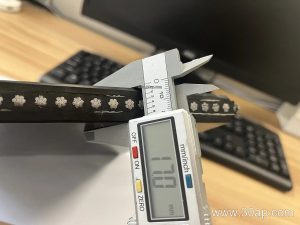
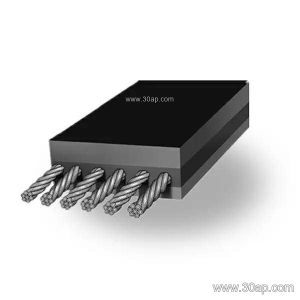
In power plant coal handling systems, the Ø180 idler ensures smooth operation of long overland conveyors. Its larger diameter reduces indentation rolling resistance, which can lead to energy savings. The idler is also suitable for iron ore and copper ore operations, where heavy-duty mining conveyor belt and steel cord conveyor belt are common. The robust design withstands the impact of large lumps and the abrasive nature of ore.
Selection and Sizing Considerations
When selecting a Ø180 conveyor idler, several factors must be considered to ensure optimal performance and longevity. The belt width, trough angle, and load weight dictate the required roll length and bearing capacity. The table below provides common examples of roll lengths for three-roll troughing sets, but these are not fixed combinations and should be verified with the conveyor design.
| Belt Width (mm) | Common Roll Length (mm) | Trough Angle (degrees) |
|---|---|---|
| B500 | 200 | 30-35 |
| B650 | 250 | 30-35 |
| B800 | 315 | 30-35 |
| B1000 | 380 | 30-35 |
| B1200 | 465 | 30-35 |
| B1400 | 530 | 30-35 |
| B1600 | 600 | 30-35 |
| B1800 | 670 | 30-35 |
| B2000 | 750 | 30-35 |
For transition zones or impact areas, buffer idlers with rubber rings may be used to absorb shock. In return runs, V-type return idlers or flat return idlers of Ø180 can be employed. The choice of roller surface (steel, nylon, ceramic, or rubber) depends on the material being conveyed and environmental conditions. For instance, ceramic lagging may be chosen for high abrasion, while rubber rings are used for impact absorption.
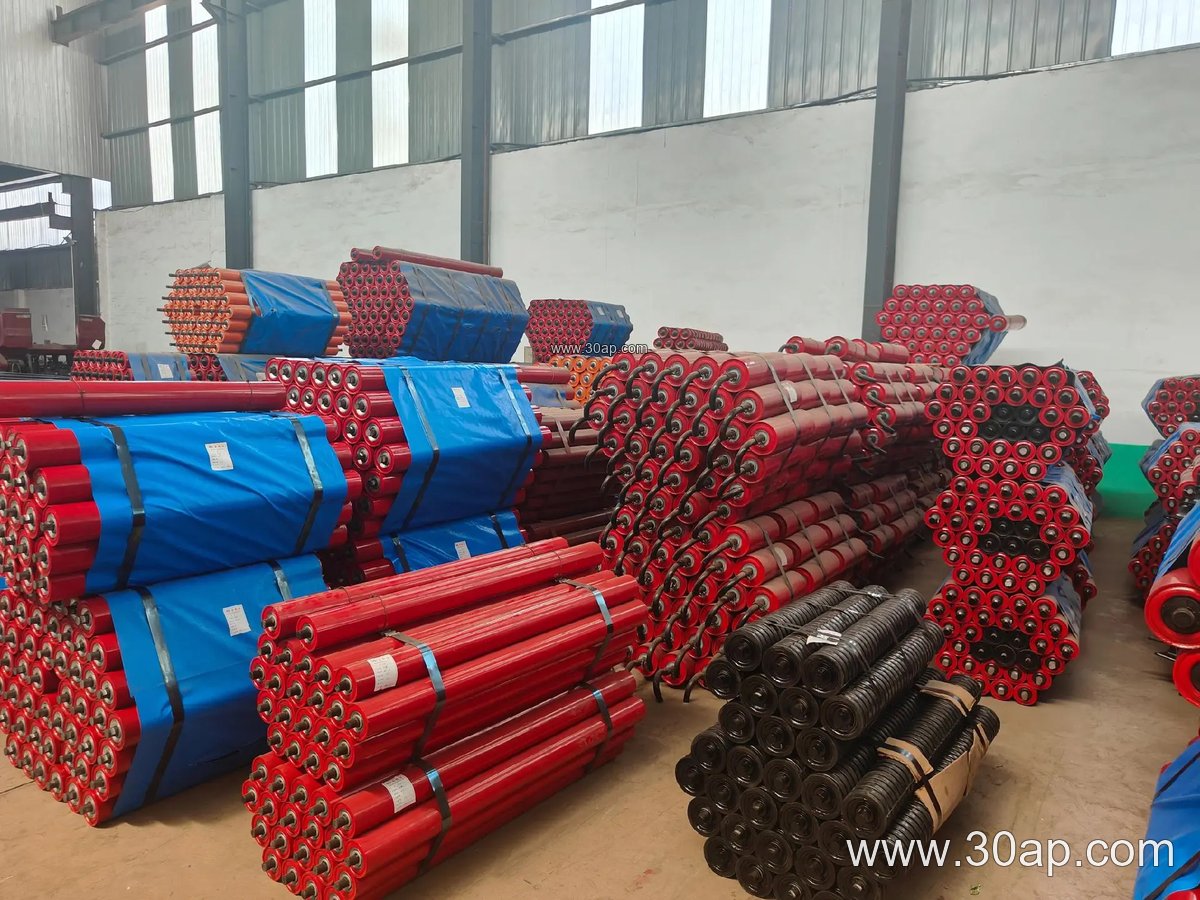
Buyers should also consider the operating environment. In food processing or grain handling, food grade conveyor belt may be used, but the idler itself should be cleanable and corrosion-resistant. In cold climates, cold resistant conveyor belt may be paired with idlers that have low-temperature grease. Anti-static properties are important in coal mines to prevent spark hazards.
Maintenance and Operational Tips
Regular inspection of Ø180 conveyor idlers is essential to prevent belt misalignment and premature wear. Check for free rotation, listen for abnormal noise, and look for material buildup on the roller surface. Lubrication should follow manufacturer recommendations; many modern idlers are sealed for life and require no maintenance. However, in extremely dusty conditions, periodic cleaning may be necessary.
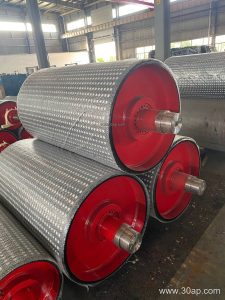
Proper alignment of idlers and pulleys (such as drive pulley, tail pulley, and bend pulley) ensures even belt tracking and reduces edge damage. When replacing idlers, use the same diameter and roll length to maintain belt support. The Ø180 idler is a reliable choice for heavy-duty conveyors, and with correct selection and care, it contributes to efficient material handling in mining, cement, power, and port facilities.