What a 2000mm Conveyor Belt Is
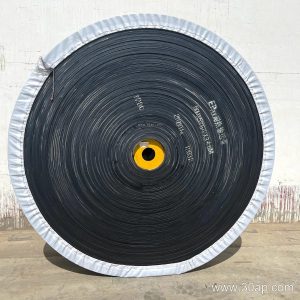
A 2000mm conveyor belt is a wide conveyor belt built with a nominal belt width of 2000 millimeters, roughly two meters across the carcass. Belts at this width are chosen when a single conveyor line has to carry a large volumetric flow of bulk material, or when the material itself is bulky and needs a wide, stable carrying surface. In plant layouts, a 2000mm wide conveyor belt often appears on main trunk lines rather than on small transfer conveyors, because the structure, pulleys and support frames must all be sized for the extra width and weight.
The belt is still a normal fabric or steel cord belt in construction; the width is what changes the engineering around it. Buyers usually describe it as a 2000mm conveyor belt, a 2000mm wide conveyor belt, or simply a B2000 belt in specification sheets.
Construction and Common Configurations
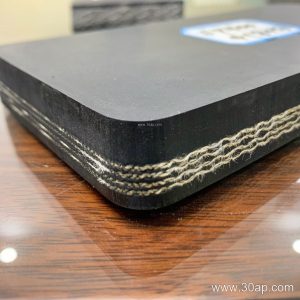
A wide belt of this size is typically built from a carcass, a top cover and a bottom cover. The carcass carries the tension and may be fabric based, such as an EP Conveyor Belt or an NN Conveyor Belt, or steel cord based for long, heavily loaded lines. Multi-ply fabric cores with two to six plies are common in general duty, while steel cord designs suit high tension routes in mines, ports and cement plants.
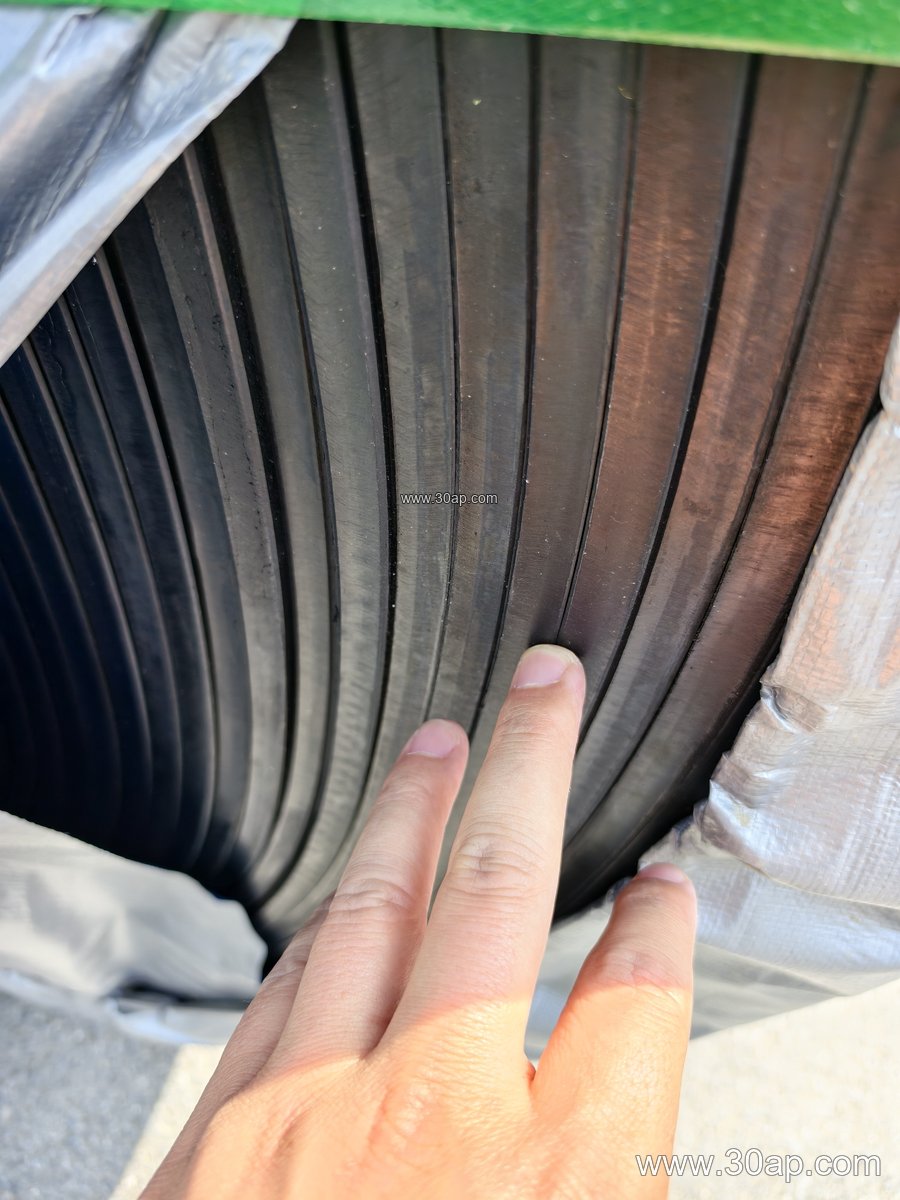
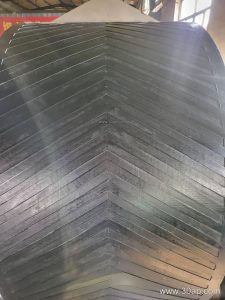
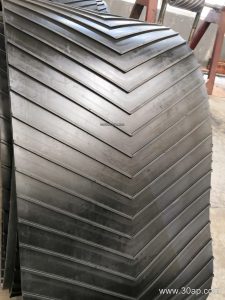
Cover rubber is selected for the duty: abrasion resistant grades for crusher and quarry duty, heat resistant compounds near clinker or sinter, flame retardant and anti-static grades for coal mining, and oil resistant or cold resistant covers where the environment demands it. Corrugated sidewall and skirted designs can be supplied at this width for steep inclines, and chevron or patterned surfaces help on gradients. A pipe conveyor belt is a different concept and is not a substitute for a flat 2000mm belt.
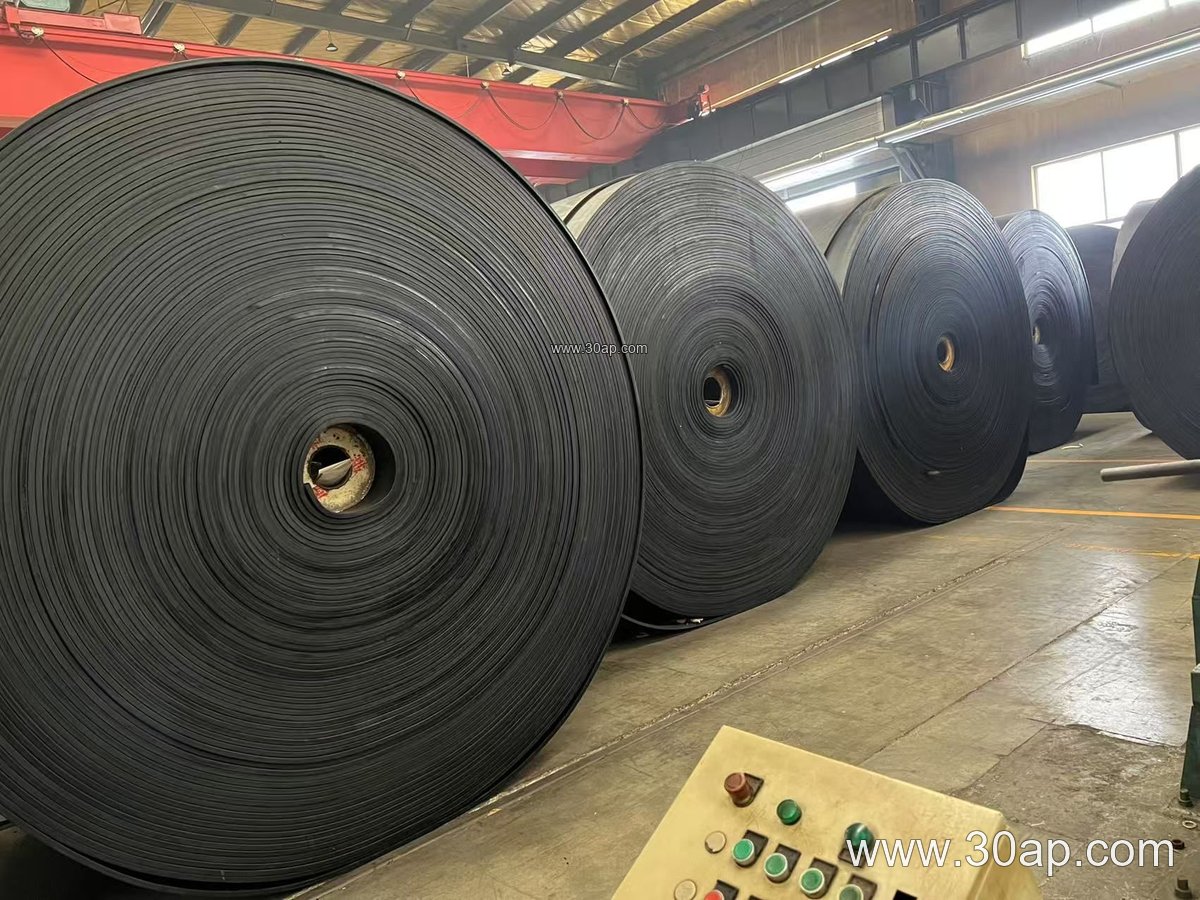
Reference figures below are typical ranges only; actual values follow the design and the manufacturer.
Typical Reference Data
- Belt width: B2000 (2000 mm nominal)
- Fabric strength grades: EP200, EP400, EP630, EP800, EP1000, EP1250, EP1600
- Steel cord grades: ST1000, ST1600, ST2000, ST2500
- Cover thickness examples: 4+2 mm, 5+2 mm, 6+2 mm, 8+3 mm
- Carcass: 2 to 6 fabric plies, or steel cord
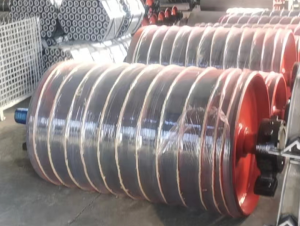
Belt width does not dictate one pulley diameter. Drive pulleys, tail pulleys and bend pulleys are selected from tension, wrap angle and shaft load, and a 2000mm belt may run on different pulley sizes from one project to the next. Shaft diameter is a separate calculation and should never be guessed from width alone.
Where 2000mm Belts Are Used
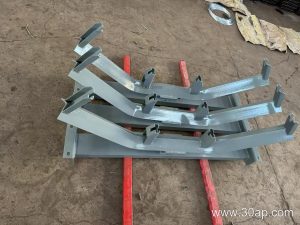
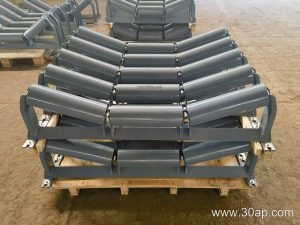
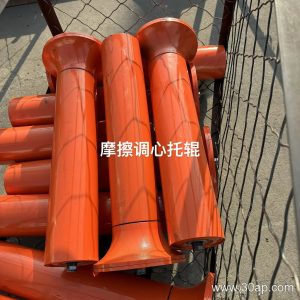
Wide belts show up in mines and coal handling, where a single stream must move ore or coal at high tonnage. They also appear in cement plants on clinker and raw material lines, in power plants on coal feed, in steel plants on sinter and coke, and in large quarries and sand and gravel operations feeding crushers and screens. Port and ship loading conveyors use them where a broad, stable stream reduces spillage. In each case the belt works with conveyor pulleys, idler rollers and conveyor brackets sized for the load, and the whole system is designed together.
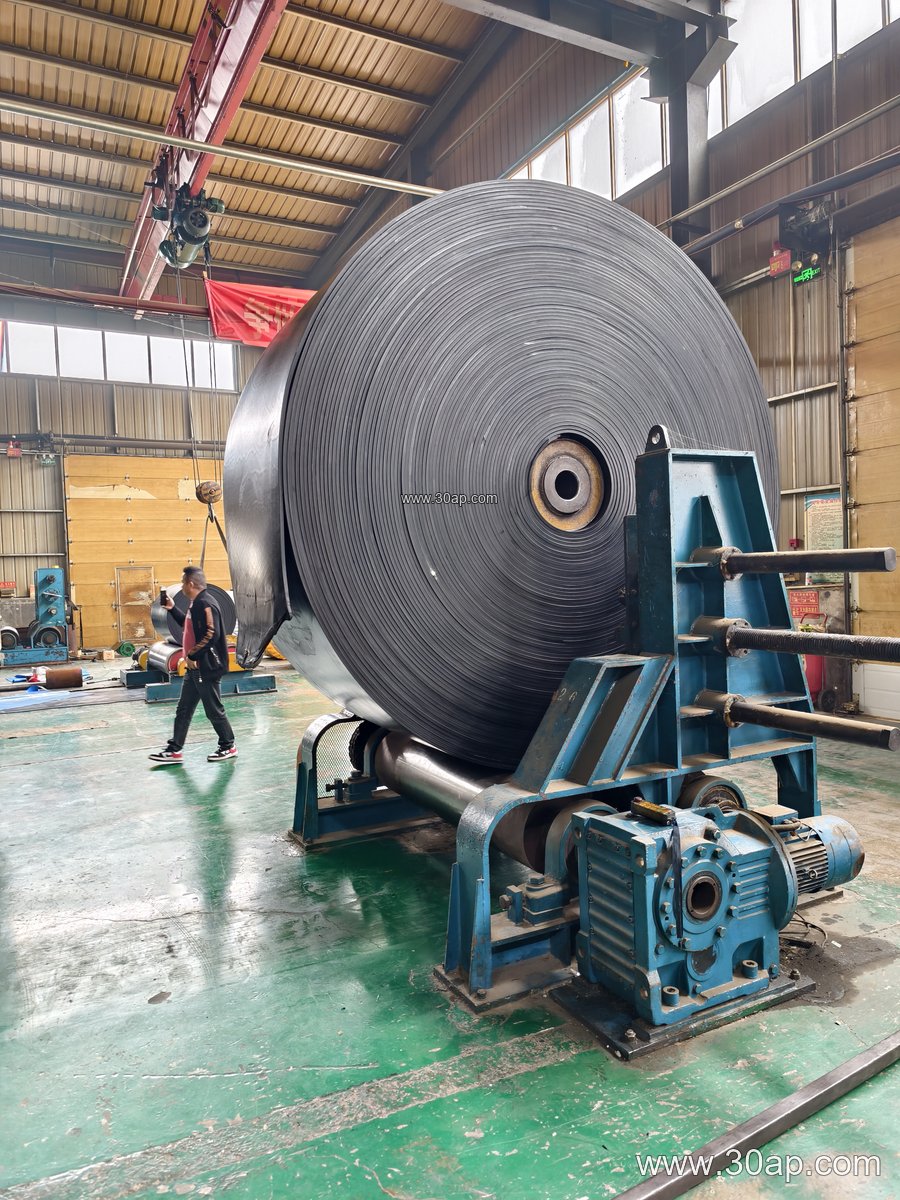
Selection Points for Buyers
Start with the material: lump size, density, moisture, temperature and abrasiveness determine the cover grade and carcass. Then confirm the required tension, the center distance, the trough angle and the loading method. A 2000mm belt has a large mass per meter, so starting torque, take-up travel and splice quality matter more than on narrow belts. Specify whether the belt is to be endless, vulcanized on site, or supplied with mechanical fasteners. For underground coal duty, flame retardant and anti-static properties are normally required, and PVG or PVC grades are often considered alongside rubber.
Ask for the cover thickness, ply count or cord grade, and the measured width and thickness before shipment. Confirm edge condition, since wide belts are more sensitive to mistracking, and check that the conveyor frame, idler roller spacing and pulley faces are square and aligned. A well matched abrasion resistant or high abrasion resistant cover usually extends service life in hard rock and aggregate service.
Maintenance Notes
Track the belt regularly, keep idlers turning freely, and inspect splices for edge separation. Clean carryback at the tail pulley reduces misalignment on wide belts. Store spare belts flat and away from ozone and sunlight, and record the belt grade and cover thickness so replacements match the original design.