What an NN300 Conveyor Belt Is
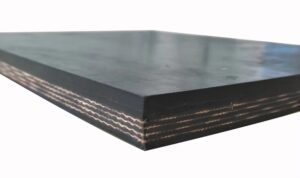
An NN300 Conveyor Belt is a multi-ply fabric core belt built with nylon (NN) warp and weft cords in its carcass. The number 300 refers to the nominal tensile strength of the fabric plies, usually expressed in newtons per millimeter of belt width. In practice, an NN300 belt sits in the middle-to-upper range of nylon fabric belts, above NN100 and NN200, and below NN400. It is an abrasion resistant conveyor belt option for systems that need good tensile capacity, flexibility, and resistance to impact and fatigue.
Because nylon fibers stretch and recover well, this belt type absorbs shock loads and handles transition zones more forgivingly than a stiff steel cord conveyor belt. That makes the NN300 specification a common choice where both strength and troughability matter.
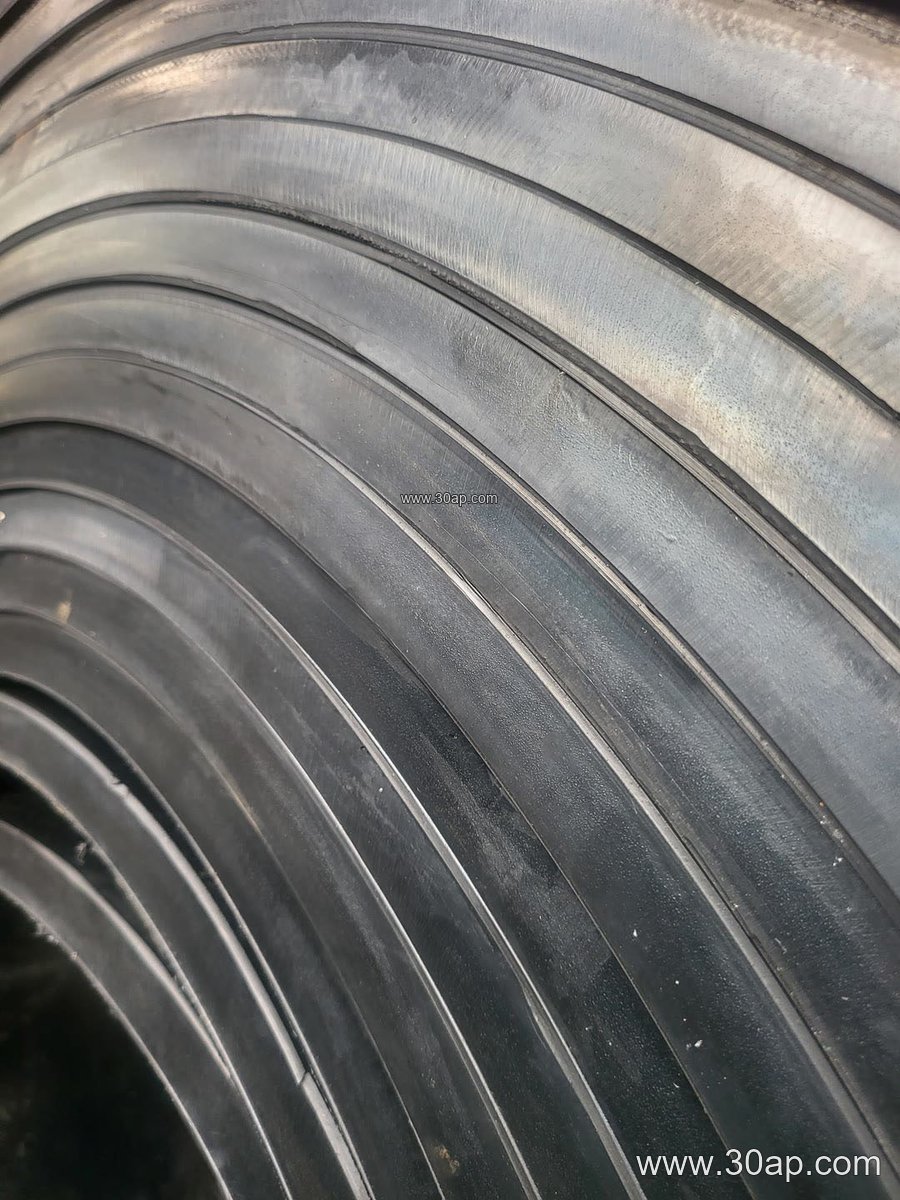
Construction and Typical Build
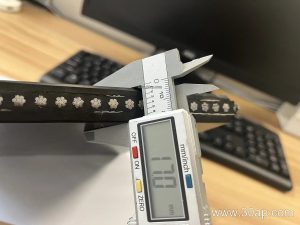
The carcass is usually made of two to six plies of nylon fabric, bonded with rubber skim compound. Top and bottom cover grades are selected for the duty: abrasion resistant, flame retardant, heat resistant, oil resistant, or anti-static, depending on the site. A buyer will often see cover thickness written as a pair, such as 4+2 mm or 6+2 mm, where the first figure is the top cover and the second is the bottom cover.
Common reference values for this product family include:
| Parameter | Typical Reference Range |
|---|---|
| Belt type | NN300 (nylon fabric core) |
| Carcass plies | 2 to 6 plies, by design |
| Cover thickness | 3+1.5, 4+2, 5+2, 6+2, 8+3 mm |
| Belt width | B500, B650, B800, B1000, B1200, B1400, B1600 |
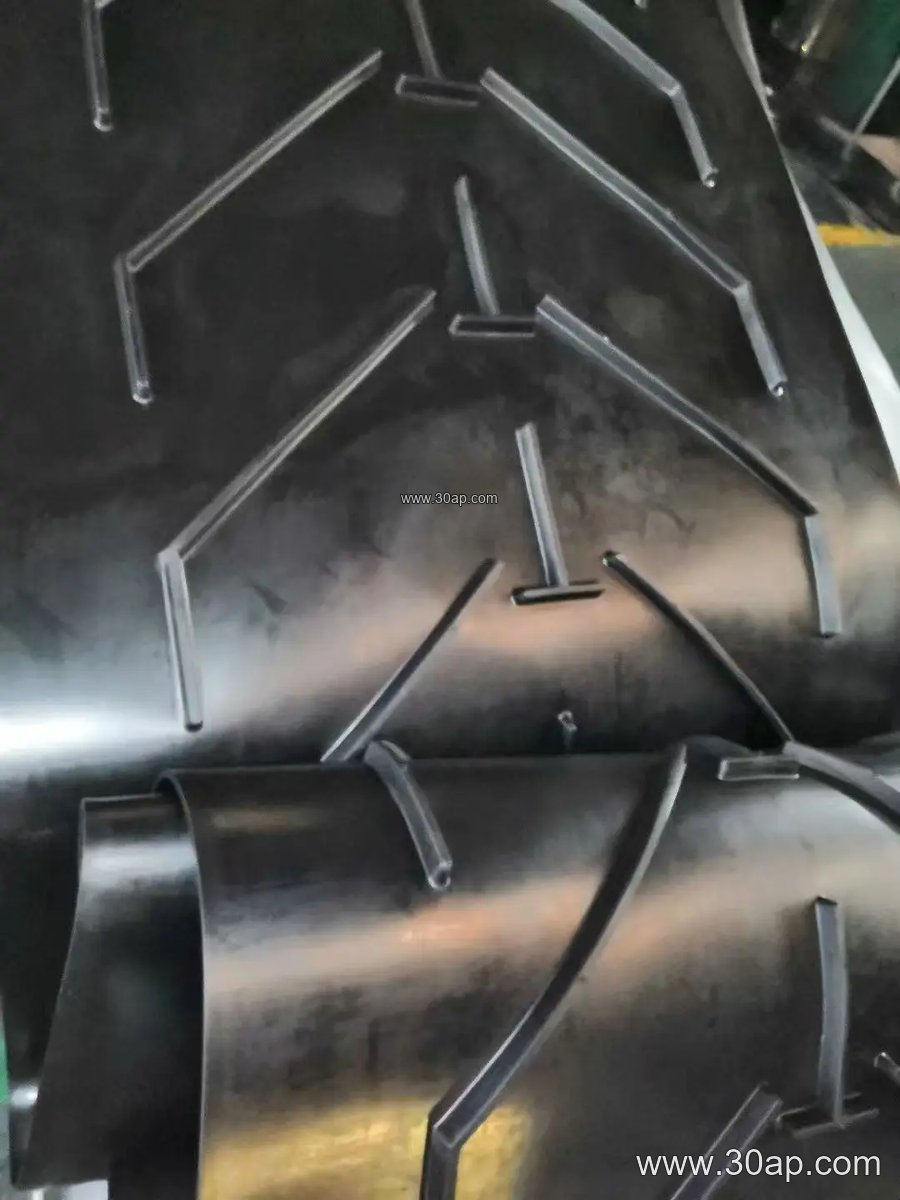
| Surface form | Plain, chevron, or corrugated sidewall |
These figures are reference data only. Actual construction is confirmed by the manufacturer against the conveyor design, and no single width or cover combination is mandatory for every system.
Where It Fits in the Plant
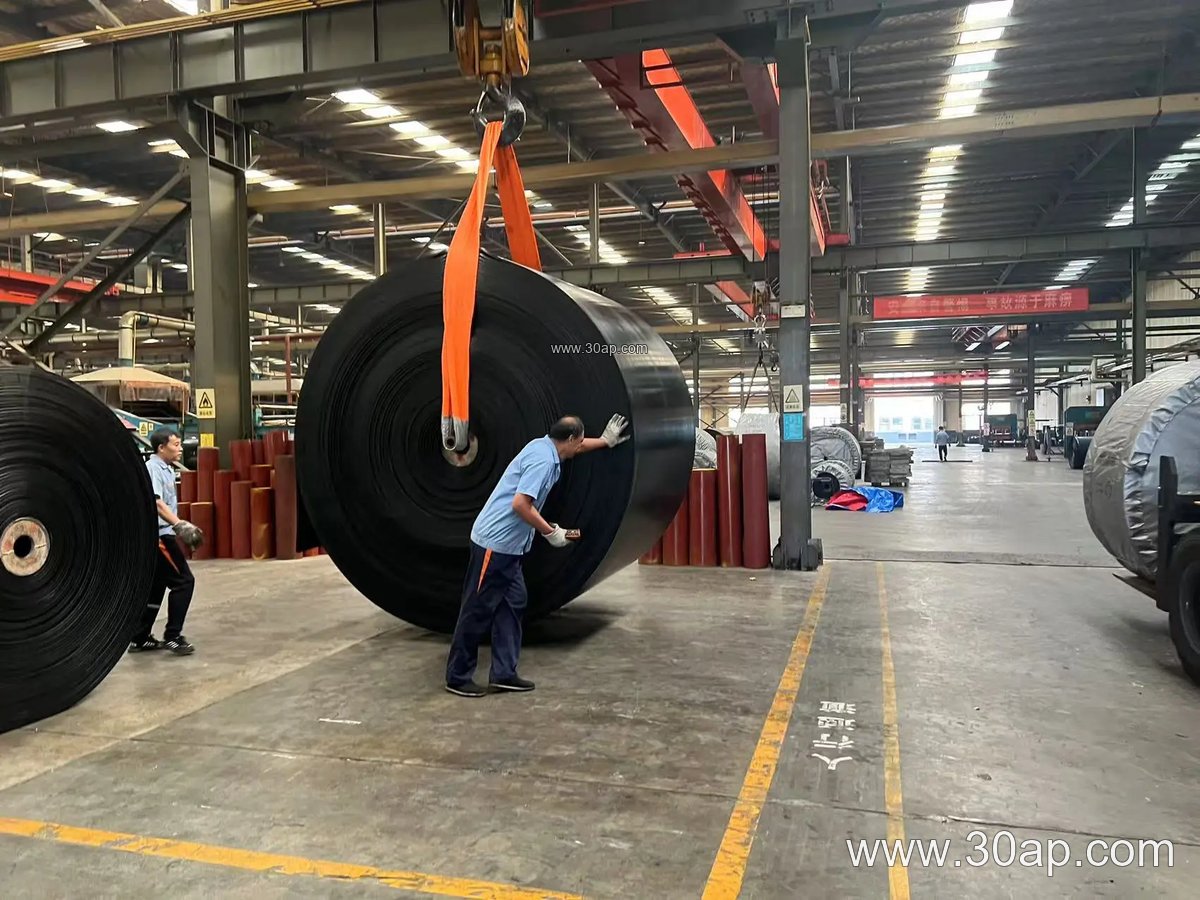
NN300 belts are widely used in mines, coal preparation plants, cement works, power stations, quarries, sand and gravel yards, and port bulk terminals. They suit main haulage lines, crusher discharge belts, and transfer conveyors carrying ore, clinker, limestone, aggregate, and other bulk materials. In a coal mining conveyor belt application, a flame retardant and anti-static cover grade is often specified alongside the NN300 carcass.
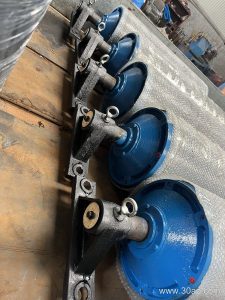
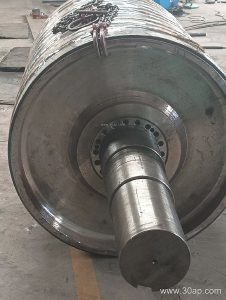
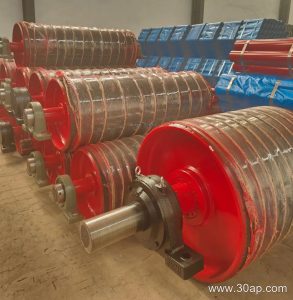
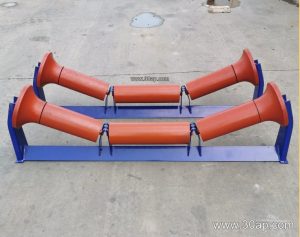
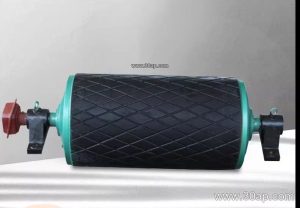
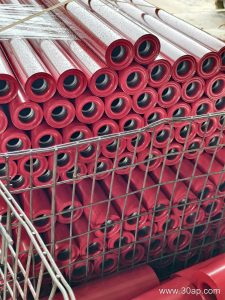
The belt runs over conveyor pulleys and idler rollers, and the frame is supported by conveyor brackets. Drive pulleys, tail pulleys, and bend pulleys each do a different job, and they are not interchangeable; the belt specification should be matched to the actual pulley arrangement and take-up system rather than to a single belt width alone.
Selection Points for Buyers
- Confirm the required tensile grade against the calculated belt tension, not just the tonnage.
- Choose the cover grade for the environment: heat resistant for clinker, oil resistant for oily feedstock, cold resistant for freezing conditions, and flame retardant for underground service.
- Check impact conditions at loading points; a thicker top cover or impact resistant grade may be needed.
- Review pulley diameters and trough angles with the belt supplier, since belt flexibility and ply count influence the minimum pulley size.
- For steep inclines, consider a chevron or corrugated sidewall version rather than a plain surface.
Care and Service Life
Alignment, skirt rubber clearance, and idler roller condition have a large effect on belt life. Tracking problems usually show up first at the tail pulley or at a bend pulley, where edge wear accelerates. Keep loading chutes centered, avoid material buildup on return rollers, and inspect splices regularly. A well-matched NN300 belt in a cement plant or quarry conveyor can deliver long service when the conveyor structure and components are maintained together.
For buyers comparing options, NN300 sits between lighter NN200 belts and heavier NN400 or steel cord designs. The right choice depends on tension, load profile, and the working environment rather than on a single catalog number.