What a Galvanized Conveyor Bracket Does
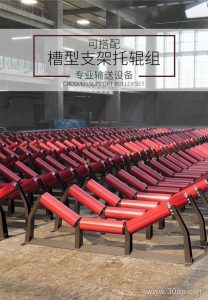
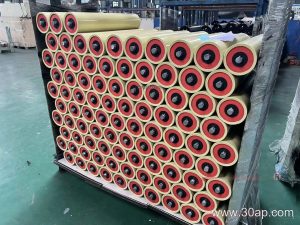
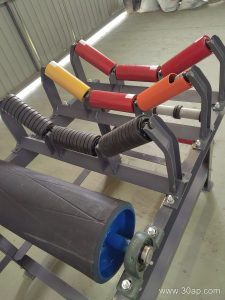
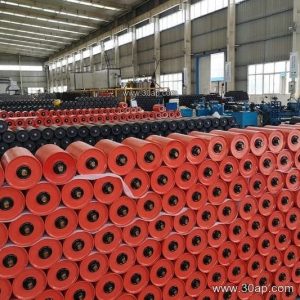
A galvanized conveyor bracket is the steel support that holds idler rollers in place along a conveyor frame. It sets the roller spacing, the trough angle and the height of the belt line, so it directly affects how well a conveyor belt tracks and how long rollers last. Hot-dip galvanizing gives the bracket a zinc coating that resists rust in damp tunnels, wash-down areas and coastal ports. In a quarry or a coal preparation plant, that coating often decides whether a bracket survives a wet season without repainting.
The bracket is not a roller and not a pulley. It is the interface between them and the structure. Get the bracket right and the idlers sit square to the belt; get it wrong and even a premium idler roller will wear unevenly.
How the Bracket Is Built
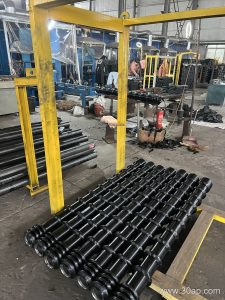
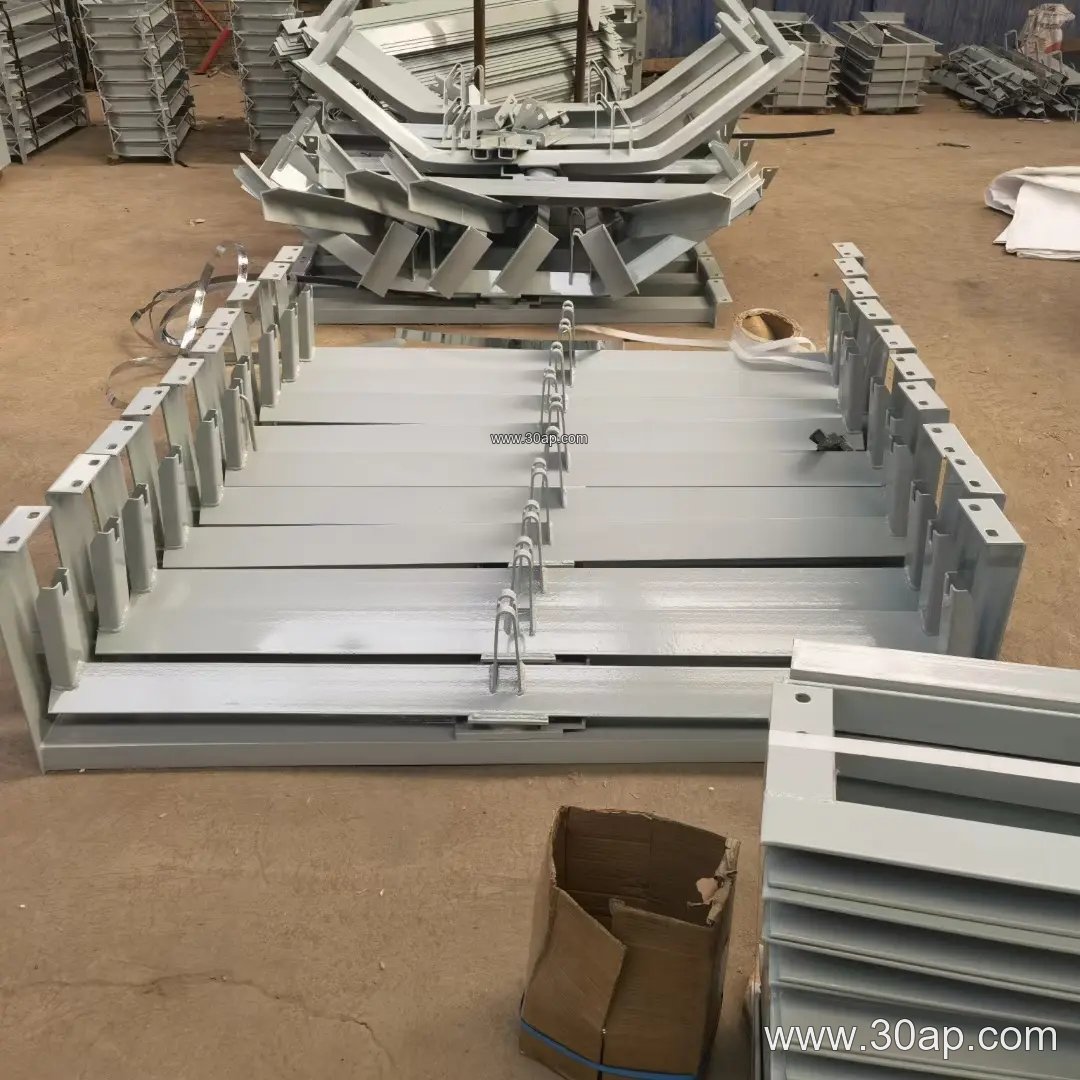
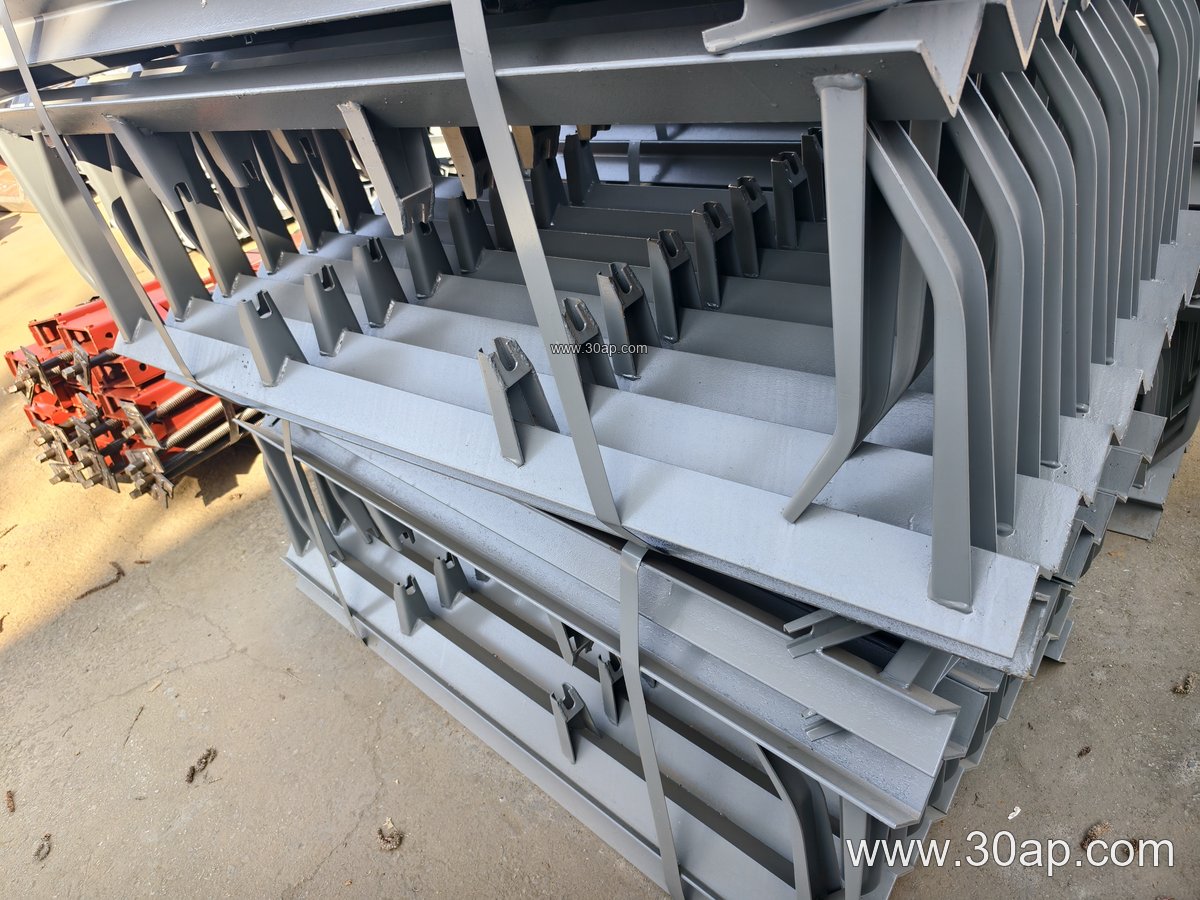
Most units are formed from angle steel, channel steel or folded steel plate. The material is cut, punched for mounting bolts, bent to the required trough angle and then galvanized. Common forms include trough brackets for the carrying side, return brackets for the lower run, V-return brackets, impact brackets under loading points, self-aligning brackets and adjustable versions that let maintenance staff change the trough angle on site.
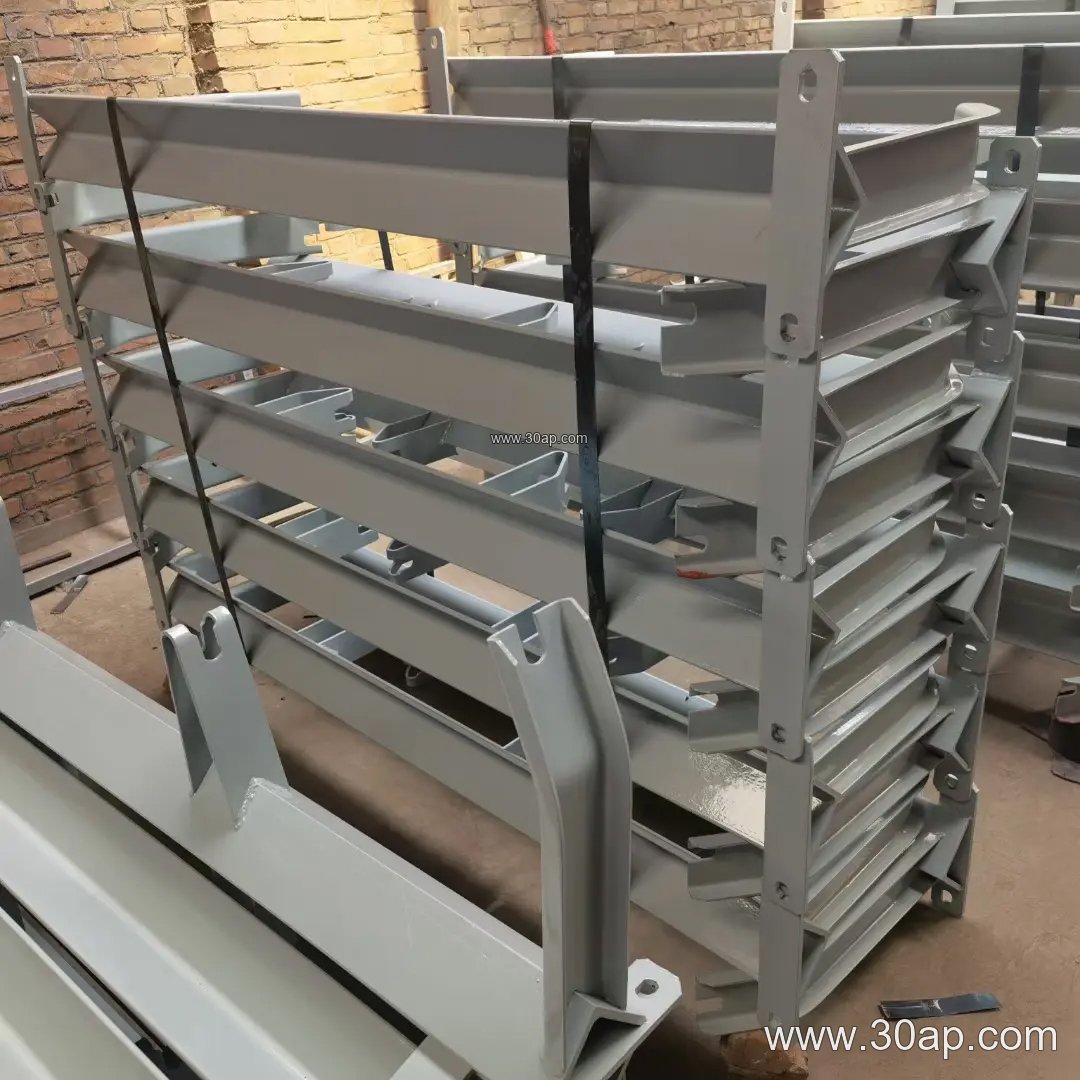
Typical dimensions follow the belt width rather than a single fixed figure. The table below shows reference combinations only; actual hole spacing and beam length are determined by design.
| Belt width | Common trough angle | Typical roller diameter |
|---|---|---|
| B500 | 20 to 30 degrees | Ø89 |
| B650 | 30 degrees | Ø89 to Ø108 |
| B800 | 30 to 35 degrees | Ø108 |
| B1000 | 35 degrees | Ø108 to Ø133 |
| B1200 | 35 to 45 degrees | Ø133 |
| B1400 | 35 to 45 degrees | Ø133 to Ø159 |
| B1600 | 35 to 45 degrees | Ø159 |
| B1800 | 35 to 45 degrees | Ø159 to Ø194 |
| B2000 and above | 35 to 45 degrees | Ø194 |
Forward-leaning brackets are often set around 1.5 to 2 degrees to help the belt center itself. Adjustable brackets allow the same frame to run at 20, 30, 35 or 45 degrees, which is useful when a plant handles more than one material.
Where These Brackets Are Used
You will find them on limestone crushing lines and aggregate conveyors, in cement plant clinker halls, on power station coal handling belts and in iron ore stockyards. They also appear in fertilizer granulation plants and grain silos where moisture control matters. In each case the bracket carries the load of the belt and material through the idler roller and passes it into the conveyor frame.
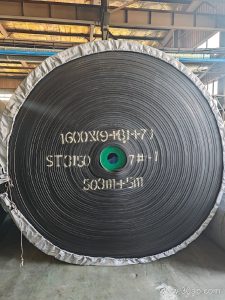
The choice of belt matters too. A heavy-duty mining conveyor belt running at high tonnage needs sturdier brackets and larger rollers than a light aggregate belt. Where a steel cord conveyor belt is used on a long overland route, bracket alignment becomes especially important because a wandering belt damages edges quickly. Heat resistant conveyor belt in a sinter plant, or flame retardant conveyor belt in an underground coal mine, both rely on brackets that keep the belt path stable under thermal and safety constraints.
Selecting the Right Bracket
Buyers should confirm four things before ordering: belt width, trough angle, roller diameter and mounting hole pattern. A bracket sold for B1000 at 35 degrees with Ø108 rollers will not accept a Ø133 roller without a different frame. Ask the supplier for a drawing showing hole centers, overall length and the galvanized coating thickness.
- Match the bracket to the actual belt width, not to the pulley diameter.
- Confirm the trough angle suits the material; free-flowing material often prefers a wider angle.
- Check that the bracket material suits the load — angle steel for light duty, channel or folded plate for heavier belts.
- For wet or corrosive sites, specify hot-dip galvanizing rather than paint.
Onsite, check bracket squareness after installation. A bracket that is slightly out of line will push the belt toward one side, and no amount of self-aligning idler adjustment will fully correct it. During maintenance, replace bent brackets before they deform the rollers.
Practical Notes for Buyers
Galvanized conveyor brackets are a small part of the total conveyor cost but a large part of its reliability. They work together with the conveyor pulley at the drive and tail ends, the idler roller along the run and the belt itself. For a coal mining conveyor belt or a quarry conveyor belt, a consistent bracket set means fewer stoppages and longer roller life. Buyers comparing quotes should look at steel thickness, zinc coating and hole accuracy, because these details decide how the bracket performs after years of dust and vibration.