What Determines Idler Price
The price of an idler roller is not a single number pulled from a catalog. It reflects a combination of materials, dimensions, bearing quality, and the conditions the roller is expected to survive. In a quarry or a coal mining conveyor line, the idler price can vary widely between a standard carrying roller and a heavy-duty impact idler. Buyers comparing quotes should look beyond the unit cost and consider how each component affects the total cost of ownership over the roller’s service life.
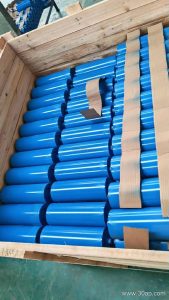
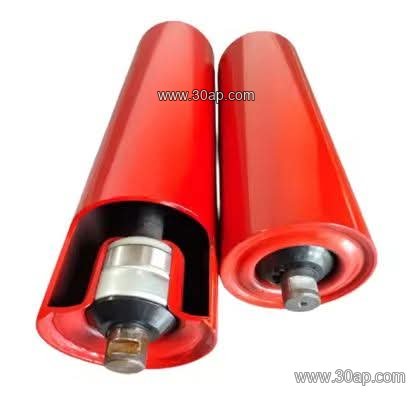
At its core, an idler roller consists of a steel tube, a shaft, bearings, and a sealing arrangement. The tube may be plain steel, nylon-coated, ceramic-lined, or fitted with rubber rings for cushioning. Each surface option changes the idler price. Bearings, commonly 6204, 6205, 6305, 6306, 6308, or 6310, also influence cost depending on precision class and brand. Seals matter in dusty environments such as a cement plant or a sand and gravel line, where fine particles can quickly destroy a low-quality bearing.
Common Idler Types and Their Price Positioning
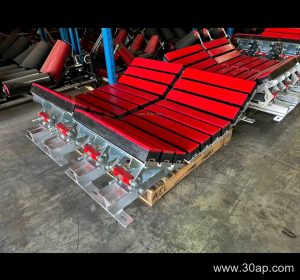
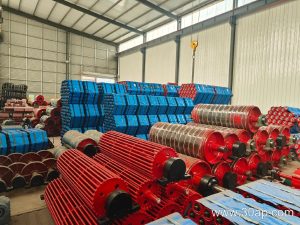
Different positions on a conveyor call for different rollers, and that is reflected in the idler price. Troughing idlers, including two-roll and three-roll sets, are the workhorses of the carrying side. Return idlers, flat or V-shaped, support the belt on its way back. Impact idlers with rubber rings cost more because of the added cushioning material, but they protect the belt at transfer points in a crusher or screening station. Self-aligning idlers, whether friction or cone type, carry a premium due to their more complex structure.
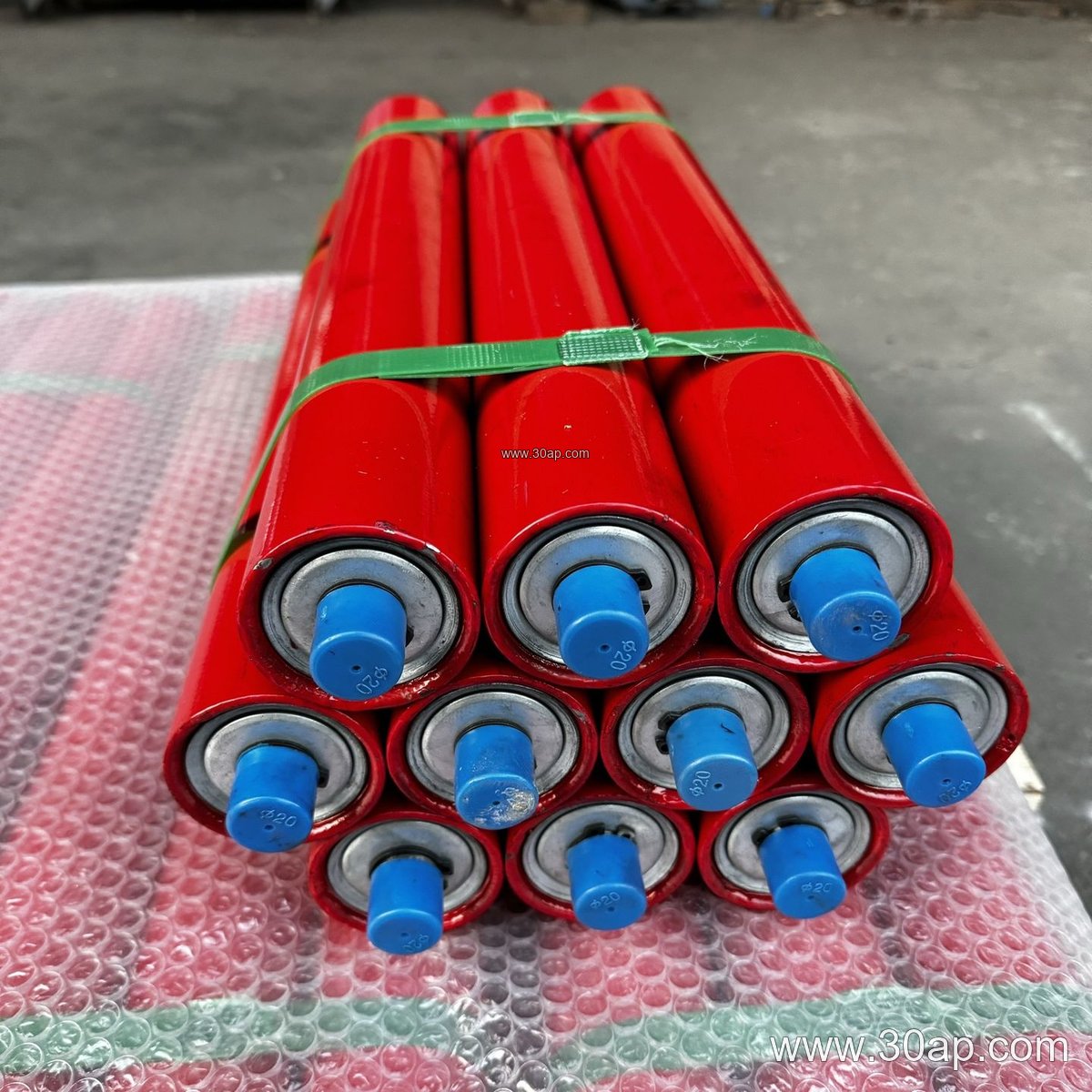
Roller diameter is another price factor. Common diameters include Ø63, Ø76, Ø89, Ø102, Ø108, Ø127, Ø133, Ø159, Ø178, Ø194, and Ø219. Larger diameters generally use more steel and heavier bearings, so they tend to cost more. Belt width also plays a role, as roller length changes with the conveyor design. For reference, a three-roll troughing set might use roller lengths around 200 mm for B500, 250 mm for B650, 315 mm for B800, 380 mm for B1000, 465 mm for B1200, 530 mm for B1400, 600 mm for B1600, 670 mm for B1800, and 750 mm for B2000. These are typical examples, not fixed rules, and side rollers can differ from center rollers.
Where Idler Price Matters Most
In a coal mining conveyor or a power plant coal handling system, idler failure can stop production. A slightly higher idler price for better seals and bearings often pays back through fewer stoppages. In a limestone quarry or aggregate conveyor, abrasive dust is the main enemy, so roller surface and bearing protection deserve attention. The same logic applies to an iron ore or copper ore operation, where heavy loads and harsh conditions demand robust rollers. Even in a smaller concrete batching plant, choosing the right idler for the duty can prevent premature wear.
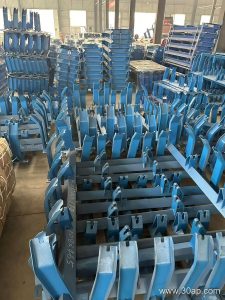
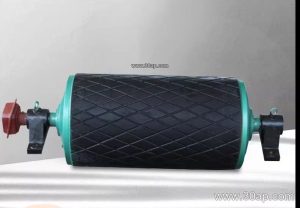
It is also worth remembering that idlers work alongside other components. A worn conveyor belt, a misaligned conveyor pulley, or a loose conveyor bracket can shorten roller life regardless of quality. When evaluating idler price, consider the whole conveyor system, including the belt type. For example, a heavy-duty mining conveyor belt or an abrasion resistant conveyor belt may require idlers with specific load ratings. The belt and the idler should be matched to the application, not chosen in isolation.
Buyer Checklist for Idler Pricing
- Confirm the roller diameter and length required for your belt width and troughing angle.
- Specify the bearing size and sealing level suitable for the environment, whether dusty, wet, or corrosive.
- Choose the roller surface based on duty: plain steel for general use, rubber rings for impact, ceramic or nylon for sticky materials.
- Ask about the shaft material and end cap design, as these affect durability and price.
- Consider the total number of idlers in the conveyor and the expected replacement frequency.
- Compare quotes on a like-for-like basis, including bearing brand and seal type.
Remember that idler price is only one part of the conveyor budget. A well-chosen roller reduces maintenance and downtime, which is especially important in continuous operations such as a ship loading conveyor or a bulk material handling terminal. Whether the application is a coal mining conveyor belt system or a quarry conveyor line, understanding what drives the idler price helps buyers make informed decisions without overpaying for unnecessary features or underestimating the demands of the job.