What the Mining Belt Conveyor Pulley Does on a Heavy-Duty Line
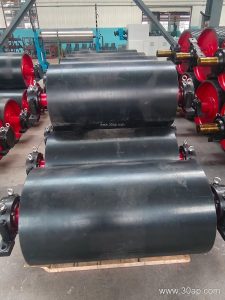
On a quarry conveyor or a coal handling system, the belt does the moving, but the pulleys decide how well it tracks, how much traction the drive can deliver, and how long the belt lasts. A mining belt conveyor pulley is the cylindrical rotating component that supports and guides the belt at the head, tail, take-up, and bend points of the conveyor structure. It is not a single universal part but a family of position-specific components, and each position imposes different loads, wrap angles, and surface requirements.
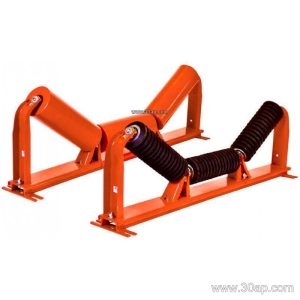
Because the pulley works together with the conveyor belt, idler roller sets, and conveyor bracket assemblies, it is usually selected as part of the whole conveyor layout rather than in isolation. A mismatch at the drive end can cause belt slip, while a poor tail pulley choice can lead to material buildup and mistracking.
Drive, Tail, and Bend Pulleys Are Different Jobs
These three subtypes are often confused, yet they are not interchangeable. The drive pulley (also called the head pulley) transmits torque to the belt and is usually the largest and most heavily engineered unit on the conveyor. The tail pulley at the loading end turns the belt back and often carries a self-cleaning or wing profile to shed fines. Bend pulleys redirect the belt around take-up systems or changes in incline and generally see lower torque but continuous rotation.
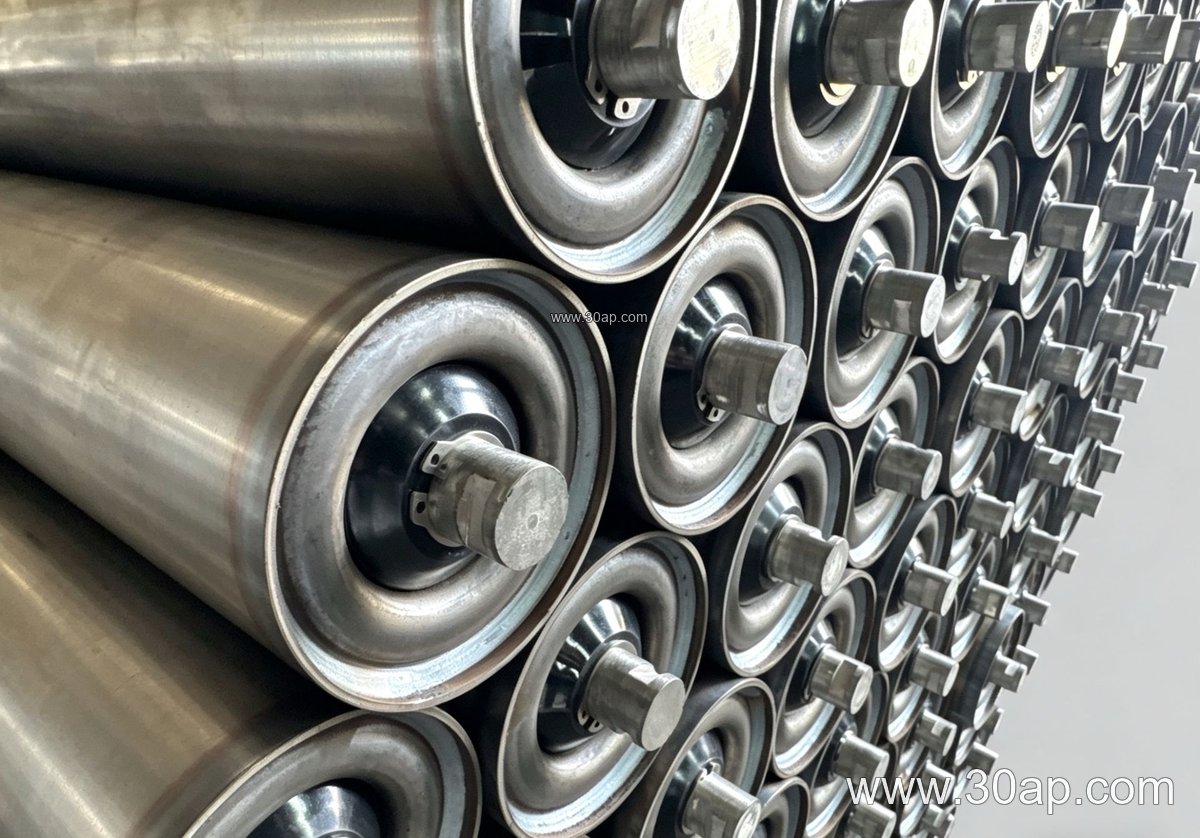
Other positions include the take-up pulley, snub pulley, and wing pulley. A wing pulley is sometimes compared with a bend pulley because both redirect the belt, but the wing design is chosen for cleaning rather than for wrapping angle. Mentioning it here only clarifies the difference; the main subject remains the mining belt conveyor pulley in its drive, tail, and bend roles.
How the Pulley Is Built
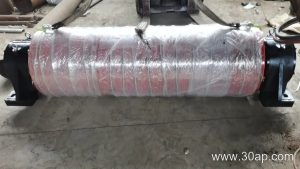
Most mining belt conveyor pulleys use a welded steel shell, end discs, a shaft, and bearing housings mounted in pillow blocks or in a conveyor bracket. The shaft is sized by torque and radial load, not by belt width alone, so a B1200 conveyor may use a shaft anywhere from roughly Ø100 to Ø160 depending on the drive configuration. Common shaft diameters in the reference range include Ø80, Ø100, Ø120, Ø140, and Ø160, but the final value is determined by design calculations.
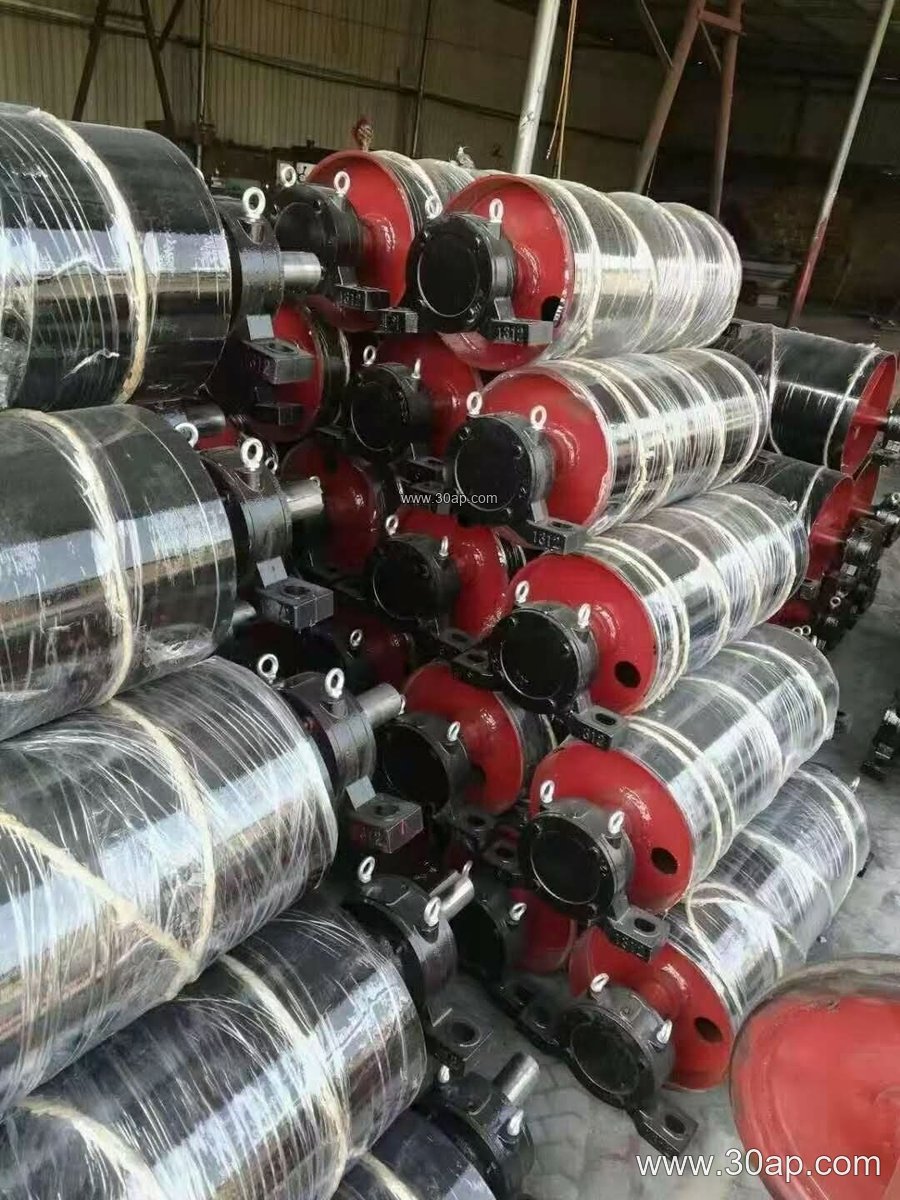
Shell diameter is often matched to belt tension and wrap requirements. Typical combinations include B800 × Ø500, B1200 × Ø1000, and B1400 × Ø800, yet no single diameter is mandatory for a given belt width. Larger diameters reduce belt bending stress and can improve traction; smaller diameters save space at the tail.
Surface Options and Lagging
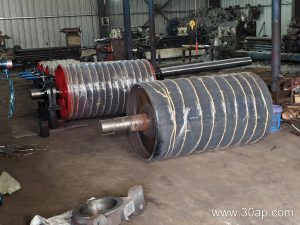
The shell surface matters as much as the shell itself. Plain finish is used where friction is not critical, while lagging improves grip at the drive pulley and protects the shell from wear. Common surface forms and their typical uses are summarized below.
- Plain shell: light-duty bends and non-drive positions
- Cold-bonded rubber lagging: general drive and tail service
- Hot-vulcanized rubber lagging: higher tension drives
- Diamond or herringbone grooving: improved water and fines shedding
- Ceramic lagging: high-wear drives handling abrasive ore or rock
Lagging thickness commonly ranges from 8 mm to 20 mm. A thick lagging on a small-diameter pulley can affect belt tracking, so the surface specification should be reviewed together with the shell diameter.
Where These Pulleys Are Used
In a limestone quarry, the head pulley of the primary crusher discharge conveyor often carries ceramic lagging because the rock is sharp and the belt runs at high tension. In a coal handling plant feeding a power station, flame retardant conveyor belt requirements extend to the pulley area, and the tail pulley is frequently a wing type to prevent coal fines from packing around the shell. Aggregate lines, cement clinker conveyors, and iron ore transfer points all use the same family of components with different lagging and bearing selections.
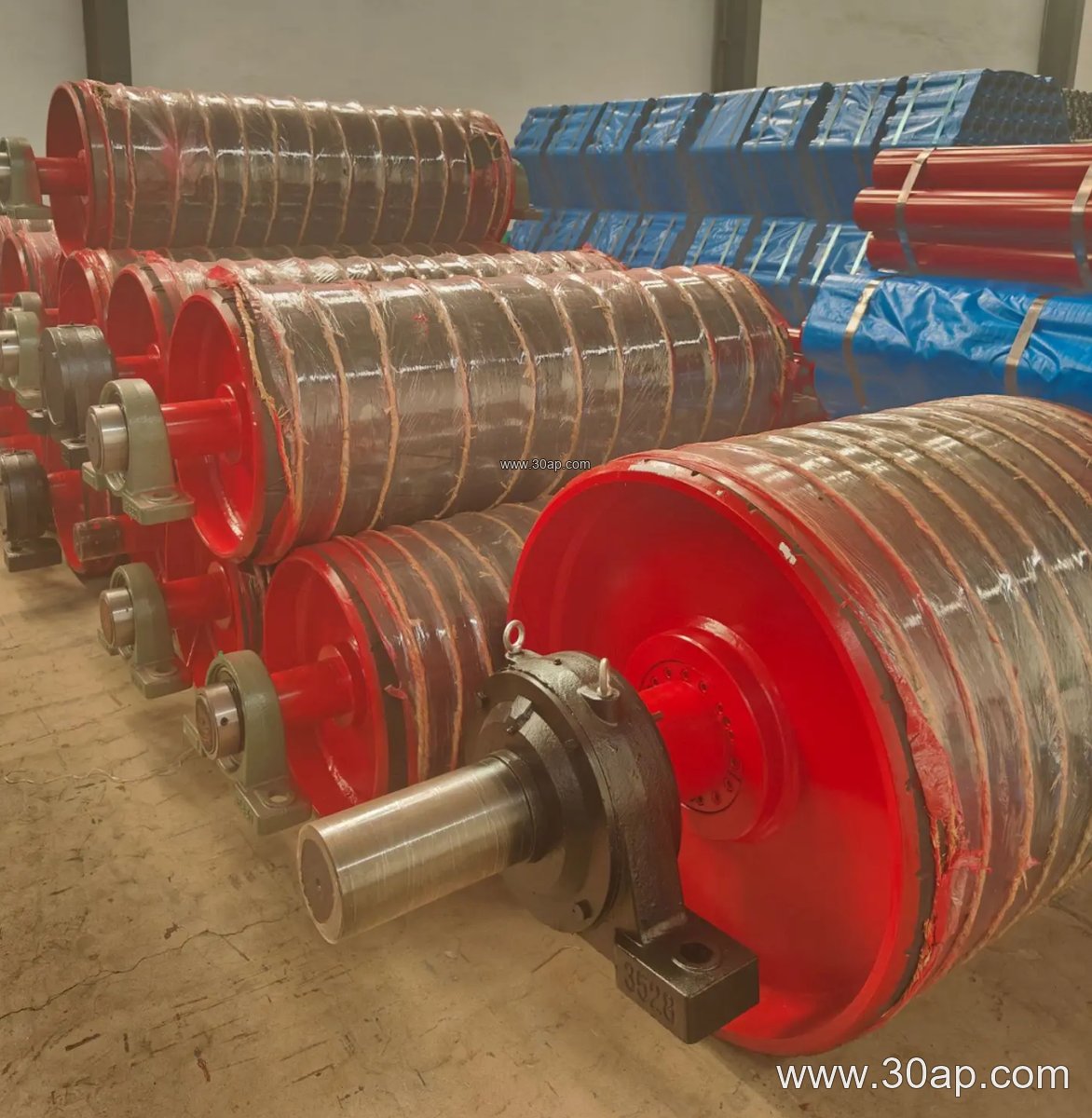
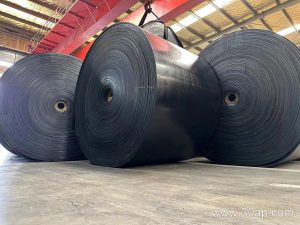
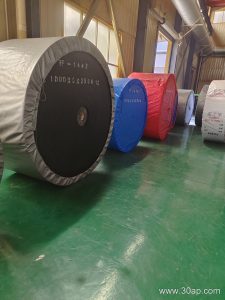
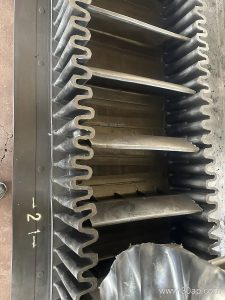
The pulley must also match the belt construction. A steel cord conveyor belt behaves differently from an EP conveyor belt or a multi-ply fabric core conveyor belt under the same wrap angle, and a heavy-duty mining conveyor belt with high abrasion resistance may need a larger shell to keep bending stress acceptable. When a pipe conveyor belt or a corrugated sidewall conveyor belt is used, the pulley profile and clearance requirements change accordingly.
What a Buyer Should Check Before Ordering
Start with the conveyor layout drawing: belt width, belt type, trough angle, and the position of each pulley. Confirm the shell diameter, face width, shaft diameter, bearing type, and lagging specification as a set. Face width is usually slightly wider than the belt, for example about 1400 mm for a B1200 belt and about 1800 mm for a B1600 belt.
Ask how the pulley will be balanced, how the lagging is bonded, and whether the bearing housings suit the available conveyor bracket. For underground mining conveyor belt installations, confirm flame retardant and anti-static requirements for the belt and check that the pulley surface will not create excessive friction heat. Finally, request a dimensional drawing before production; a mining belt conveyor pulley that fits the structure correctly is far easier to install than one modified on site.