Choosing the Right Conveyor Pulley for Your System
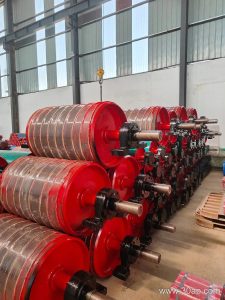
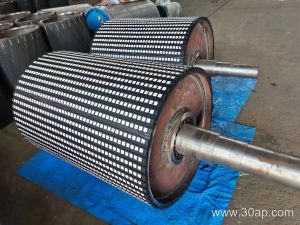
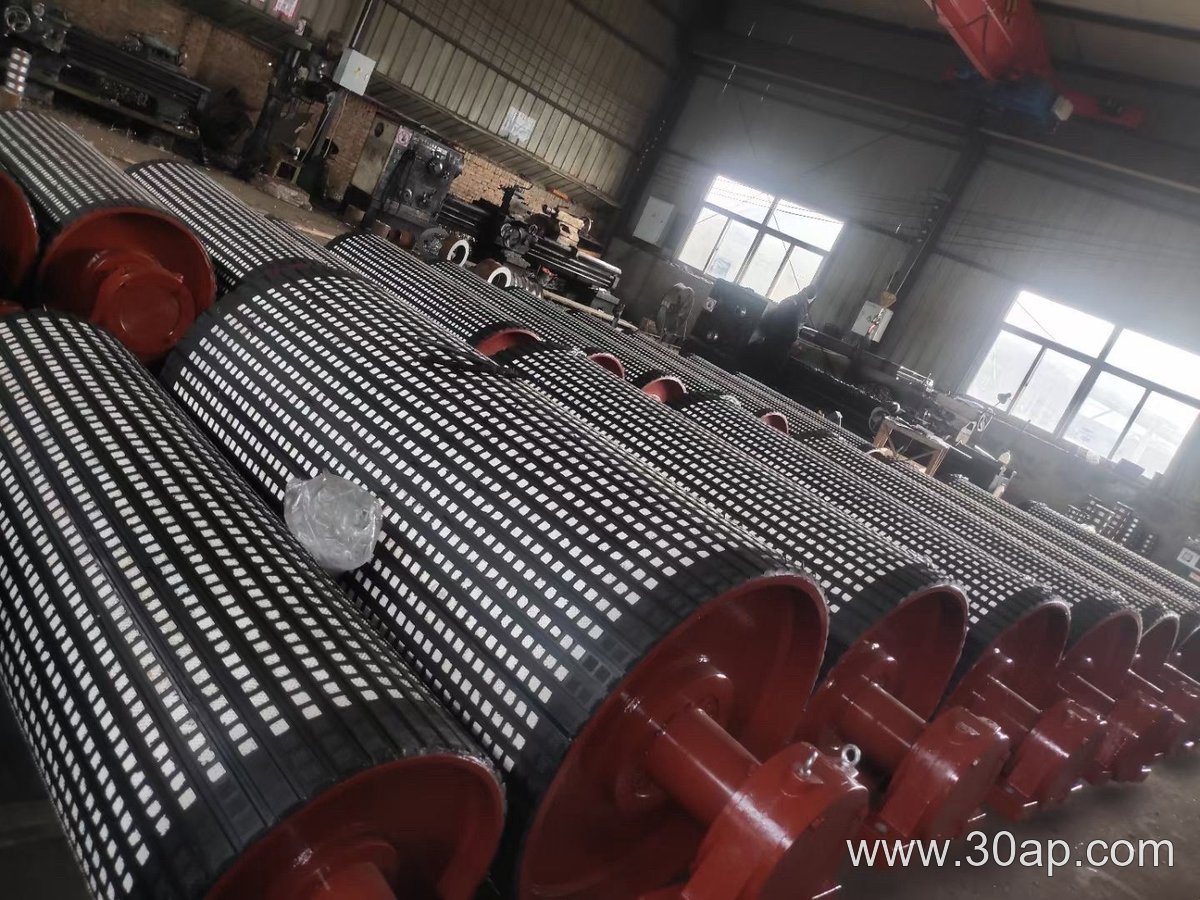
The conveyor pulley is not just a rotating cylinder; it is the mechanical heart that drives belt tension, tracking, and torque transfer. Selecting the wrong unit leads to belt slippage, misalignment, and costly downtime. Focus on three critical factors: shell diameter, face width, and shaft specification.
Key Design Considerations
- Duty class: Match the pulley to your belt tension and load profile. Heavy-duty mining needs thicker shells and larger hubs than light aggregate handling.
- Lagging type: Rubber lagging improves friction and reduces wear. Ceramic lagging is ideal for wet or high-slip environments.
- Bearing and shaft: Verify the shaft diameter and bearing rating against your calculated dynamic load, not just static weight.
Purchase and Maintenance Advice
Always request a certified drawing with crown profile and concentricity tolerances. Inspect the pulley for weld integrity and balance—especially for high-speed applications above 300 fpm.
- Specify a snub pulley when you need to increase wrap angle on the drive.
- For reversible belts, use a crowned face to self-center the belt.
- Order spare bushings and fasteners with every pulley to avoid lead-time delays.
Finally, verify that the pulley’s end discs and locking elements are compatible with your existing shaft. A well-engineered conveyor pulley reduces energy consumption and extends belt life, making it a long-term investment in your material handling efficiency.
Why the Right Conveyor Bracket Determines System Longevity
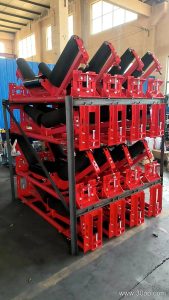
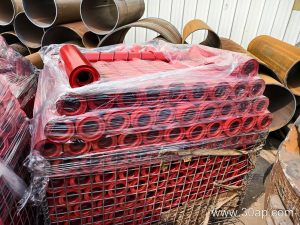
The conveyor bracket is a small but critical component that secures idlers, rollers, and belt support frames to the main structure. Often overlooked during system design, a poorly selected bracket leads to misalignment, vibration, premature bearing failure, and costly downtime. For any plant manager or maintenance engineer, understanding bracket specifications is as important as choosing the belt itself.
Key Selection Criteria for Conveyor Brackets
- Material grade: Choose galvanized steel for dry indoor lines, stainless steel (304/316) for washdown or corrosive environments, and powder-coated carbon steel for outdoor abrasive duty.
- Load rating: Always match the bracket’s static and dynamic capacity to the combined weight of the roller, belt, and conveyed material. Oversizing adds cost; undersizing risks fracture.
- Mounting geometry: Verify slot widths, bolt diameters, and flange angles against your existing stringer or channel. Universal slotted brackets offer easier field adjustment.
- Wear indicators: Some premium brackets feature replaceable wear liners or visual wear marks, allowing scheduled swaps before structure damage.
Purchasing and Maintenance Advice
When ordering, request a sample bracket for a trial fit on your actual conveyor frame. Confirm that the bracket’s weld seam or cast surface is free of porosity and sharp edges. For high-speed belts (>3 m/s), use brackets with a rubber cushion to dampen impact. Finally, stock spare brackets for every tenth idler station—this simple buffer cuts emergency procurement lead times by weeks.
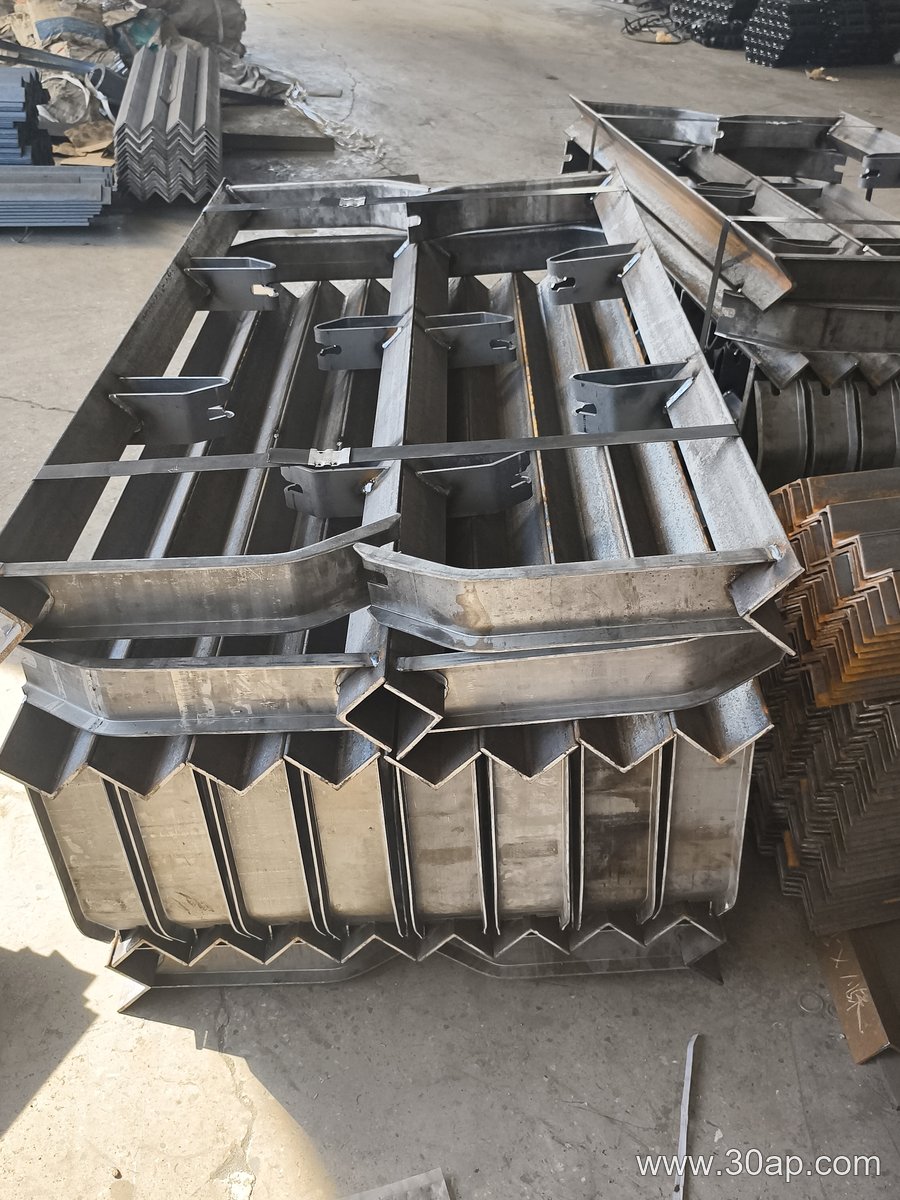
Inspect brackets quarterly for corrosion pits, bent flanges, or loose fasteners. Replacement is inexpensive compared to the cost of a snapped frame. A robust conveyor bracket is not an accessory; it is the mechanical anchor that keeps your entire line tracking correctly.
Why the Conveyor Belt Remains the Backbone of Modern Material Handling
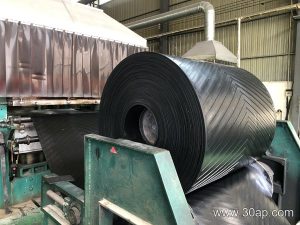
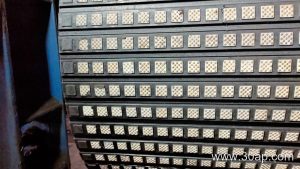
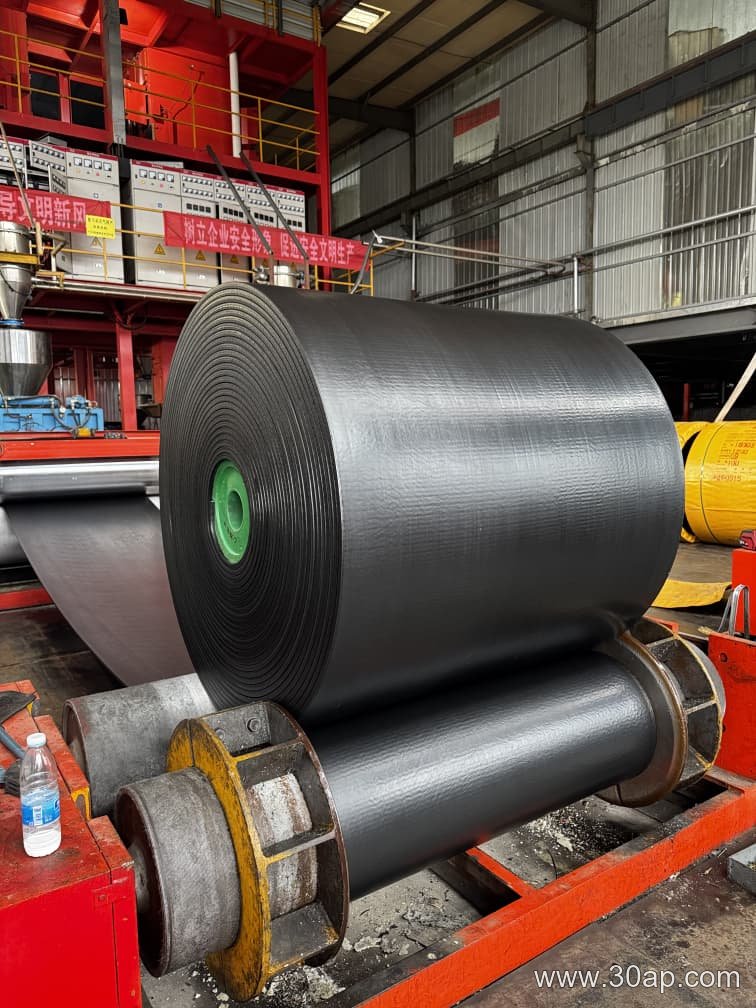
The conveyor belt is more than a moving surface—it is a precision-engineered system that dictates throughput, safety, and operational cost across mining, logistics, food processing, and packaging lines. Selecting the wrong belt leads to frequent downtime, product damage, and premature wear.
Key Performance Factors to Evaluate
- Material compatibility: Match the belt surface to your product—heat-resistant rubber for hot slag, food-grade PU for baked goods, or oil-resistant PVC for machined parts.
- Tensile strength and carcass: For heavy bulk loads, choose multi-ply polyester or steel-cord belts. For light assembly, a single-ply monofilament may suffice.
- Environmental conditions: Consider temperature extremes, UV exposure, humidity, and chemical splash. A belt that works in a dry warehouse may fail in a washdown environment.
- Profile and tracking: V-guides, cleats, or sidewalls prevent misalignment and spillage on inclined or curved paths—critical for repeatable cycle times.
Purchasing Advice That Saves Money
Always request a belt with a verified splice strength rating and ask for a load-deflection test report. Measure your pulley diameters and center distance before ordering—undersized pulleys cause internal fabric fatigue. Also, budget for a spare belt of the same spec to avoid production halts during replacement. If you operate variable-speed lines, confirm the belt’s elongation limit at max tension. Finally, compare total cost of ownership: a slightly pricier belt with better abrasion resistance often outlasts two cheaper belts in abrasive environments like sand or glass recycling.
Idler Roller: The Backbone of Reliable Bulk Material Handling
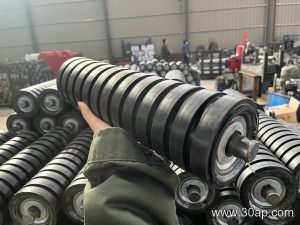
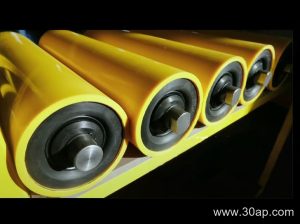
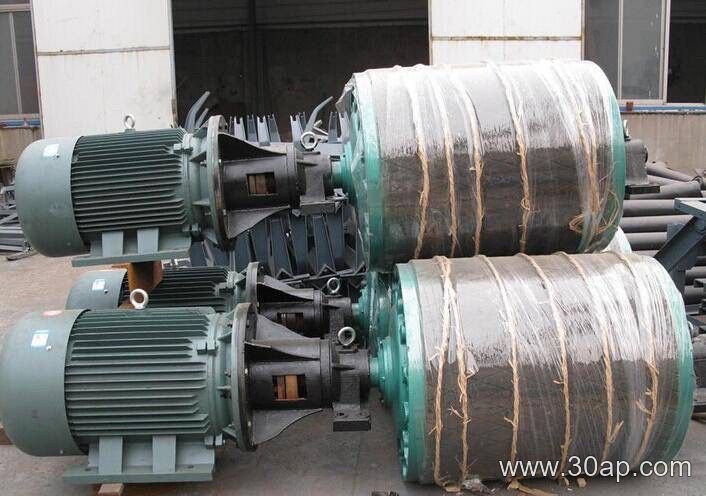
An idler roller is more than a simple support cylinder—it is the critical component that shapes the conveyor belt’s trough, absorbs impact at loading zones, and maintains belt alignment under heavy loads. Selecting the correct idler roller reduces belt wear, cuts energy consumption, and prevents costly unplanned downtime.
Key Factors in Idler Roller Selection
- Load capacity: Match the roller’s dynamic rating to your material density, belt speed, and lump size. Overloading causes premature bearing failure.
- Roller diameter and shell thickness: Larger diameters with thicker shells handle high-impact applications, while lighter-duty operations can use standard gauge steel.
- Sealing system: In dusty or wet environments, choose labyrinth or contact seals with a greasing option to protect bearings from contamination.
- Frame type and trough angle: Ensure the idler frame matches your existing structure—20°, 35°, or 45° trough angles are common. Return rollers should be flat or V-shaped for tracking.
Practical Purchasing Advice
Always verify the idler roller’s CEMA rating (e.g., CEMA B, C, D, E) against your application. For high-speed or long-haul conveyors, request rollers with precision-balanced shells to reduce vibration. Ask suppliers for test data on runout and bearing life, and consider replaceable cartridge inserts to simplify maintenance. Finally, compare total cost of ownership—not just upfront price—including energy savings from low rolling resistance and extended belt life.
Investing in the right idler roller today means fewer breakages, smoother operation, and a safer working environment tomorrow.