What a Sand and Gravel Conveyor Idler Does on the Line
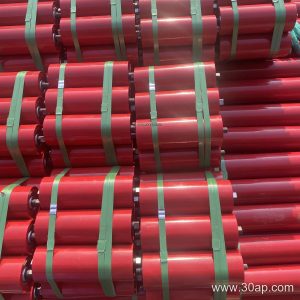
On an aggregate conveyor, the sand and gravel conveyor idler is the component that carries the belt and its load between the head and tail. A typical crushing and screening plant moves material from a primary crusher through screens and stockpiles, and the idler rollers support the belt on both the carrying and return sides. Because sand and gravel are abrasive and often wet or dusty, the idler must be built for steady wear rather than occasional use. In a quarry conveyor belt line, a failed idler can quickly damage the belt edge or cause material spillage, so the choice of idler is a practical decision, not a detail.
The same idler family appears in a sand making plant, a concrete mixing station, and a bulk material conveyor belt system. For heavier duties, plants often pair the idlers with an abrasion resistant conveyor belt or a heavy-duty conveyor belt so that the belt and the rollers wear at a balanced rate.
How a Sand and Gravel Conveyor Idler Is Built
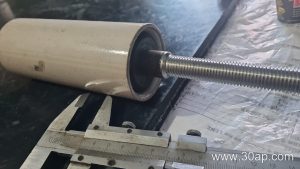
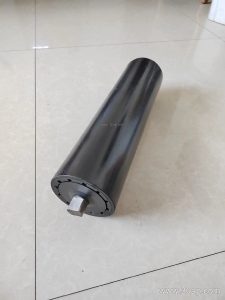
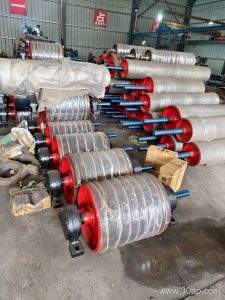
A standard idler roller consists of a steel tube shell, a shaft, bearing housings, and a sealing arrangement. The shell is often a steel pipe; some designs use nylon or ceramic covers, and rubber rings are used where impact is heavy. Bearings such as 6204, 6205, 6305, 6306, 6308, or 6310 are common, and the correct bearing size is matched to the roller diameter and load, not to the belt width alone.
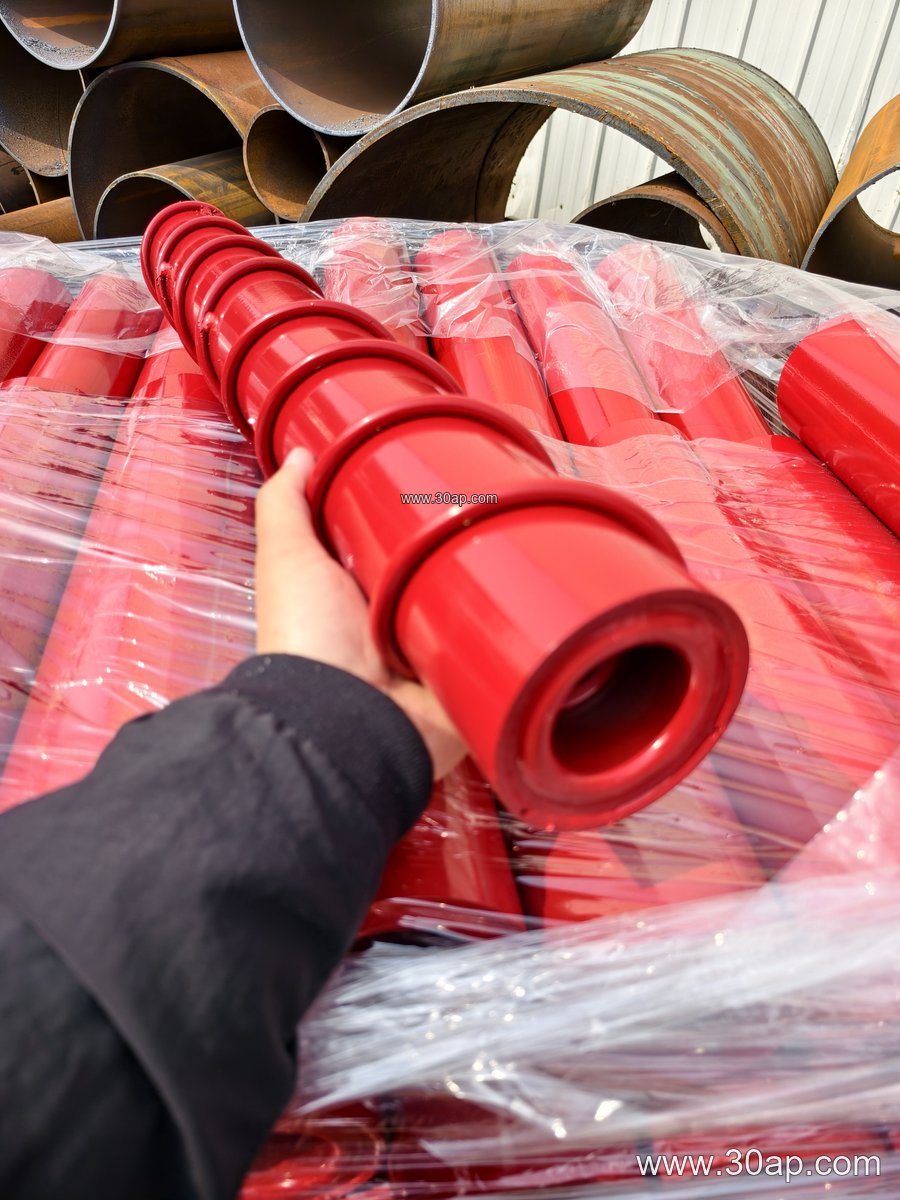
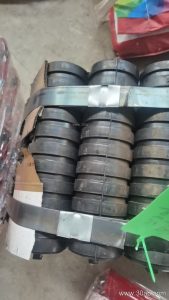
Sealing matters more in aggregate plants than in many other industries. Dust from crushed rock and fine sand enters through the gap between the shell and the end cap, so a labyrinth seal with grease retention is usual. The roller surface may be plain steel, or it may carry rubber discs for cushioning at transfer points.
Common Idler Forms in Aggregate Service
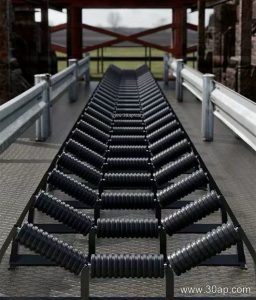
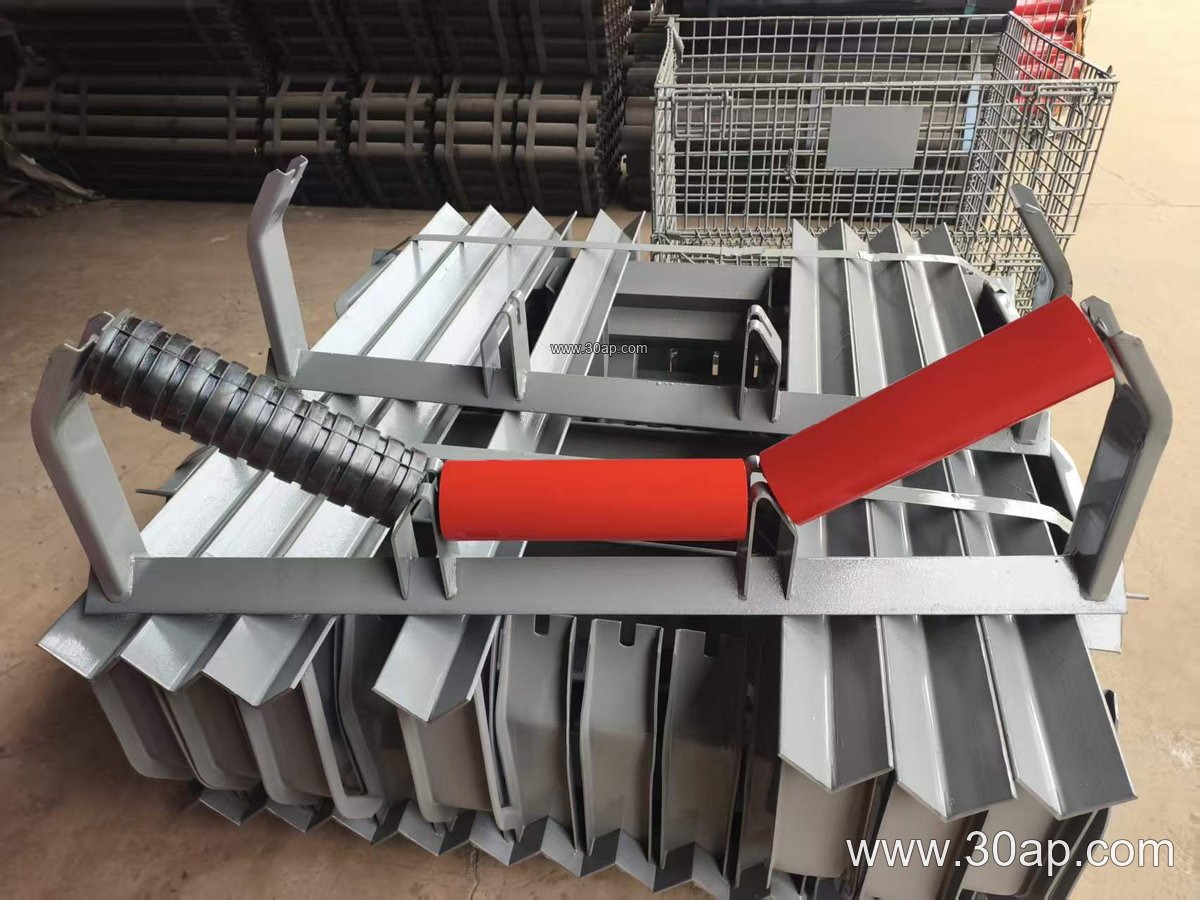
The carrying side usually uses a three-roll troughing set with a trough angle of 20, 30, 35, or 45 degrees. A 35-degree trough is common for sand and gravel because it centers the load well without excessive edge pressure. Transition idlers are placed near the head and tail to gradually change the belt from flat to troughed. On the return side, a flat return idler or a V-type return idler keeps the belt tracking. Self-aligning idlers, including friction and tapered types, are used where the belt tends to wander.
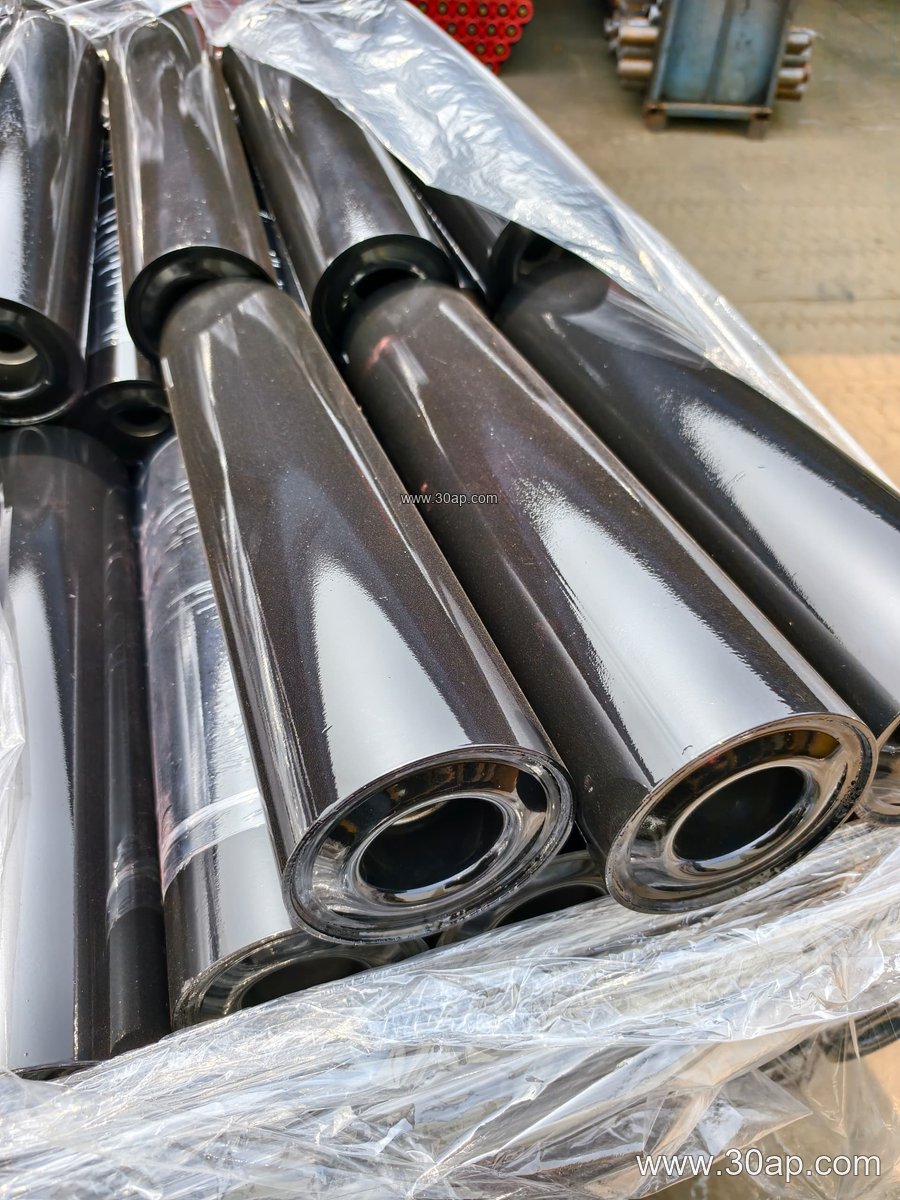
Impact idlers with rubber rings are installed below the loading point, where large lumps drop onto the belt. A spiral idler is sometimes chosen to reduce material build-up on the return side. The table below shows common reference data; actual values are determined by the conveyor design.
| Item | Common Reference Values |
|---|---|
| Roller diameter | Ø63, Ø76, Ø89, Ø102, Ø108, Ø127, Ø133, Ø159, Ø178, Ø194, Ø219 mm |
| Belt width | B400, B500, B650, B800, B1000, B1200, B1400, B1600, B1800, B2000, B2200, B2400 |
| Trough angle | 20°, 30°, 35°, 45° |
| Roller length, three-roll trough (example) | B500 around 200 mm, B650 around 250 mm, B800 around 315 mm, B1000 around 380 mm, B1200 around 465 mm, B1400 around 530 mm, B1600 around 600 mm |
| Bearing | 6204, 6205, 6305, 6306, 6308, 6310 |
These figures are examples only. Side rollers and center rollers can differ, and a given belt width can be matched with more than one roller diameter depending on load and speed.
Where It Fits in the Plant
In a limestone quarry or an iron ore plant, the sand and gravel conveyor idler supports the belt along long inclined runs. In a coal washing plant, flame retardant and anti-static properties are usually required from the belt, while the idlers themselves are selected for dust and moisture resistance. In a power plant coal yard, the same troughing idlers handle coal and ash. The belt may be an EP conveyor belt, an NN conveyor belt, or a steel cord conveyor belt; the idler selection follows the belt width, load, and speed.
At a port or a ship loading terminal, wide belts such as 1200mm or 1500mm wide belts need larger rollers, and the idler frame must be robust enough for continuous operation. In a tunnel or underground mining conveyor, space is tight, so compact idler brackets and easy replacement are valued.
What Buyers Should Check Before Ordering
First, confirm the belt width and the trough angle, then check the roller diameter and shaft size against the existing frame. Second, ask about the seal design and bearing brand, because these determine service life in dust. Third, confirm the roller surface: plain steel for general service, rubber rings for impact points, ceramic or nylon where wear is severe. Fourth, check that the idler brackets match the frame hole spacing.
For replacement work, measure the installed roller length and the distance between bracket slots rather than relying on the nominal belt width. Keep a small stock of spare idlers, because a seized roller can cut a belt in a short time. When the belt is a pipe conveyor belt or a corrugated sidewall belt, the idler arrangement is different, and the supplier should be told the exact belt type. A chevron conveyor belt or a skirted belt also affects the idler layout near the loading zone.
Finally, match the idler to the belt: an abrasion resistant conveyor belt paired with poorly sealed idlers will still fail early, and a heavy-duty conveyor belt on undersized rollers will overload the bearings. Buyers who plan the idler specification together with the belt specification usually get longer service from both.