What an Idler Bracket Does on a Conveyor
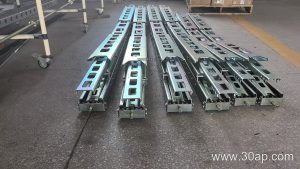
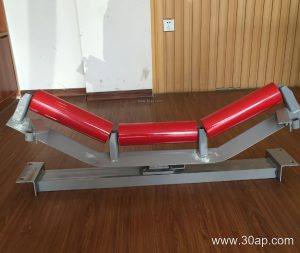
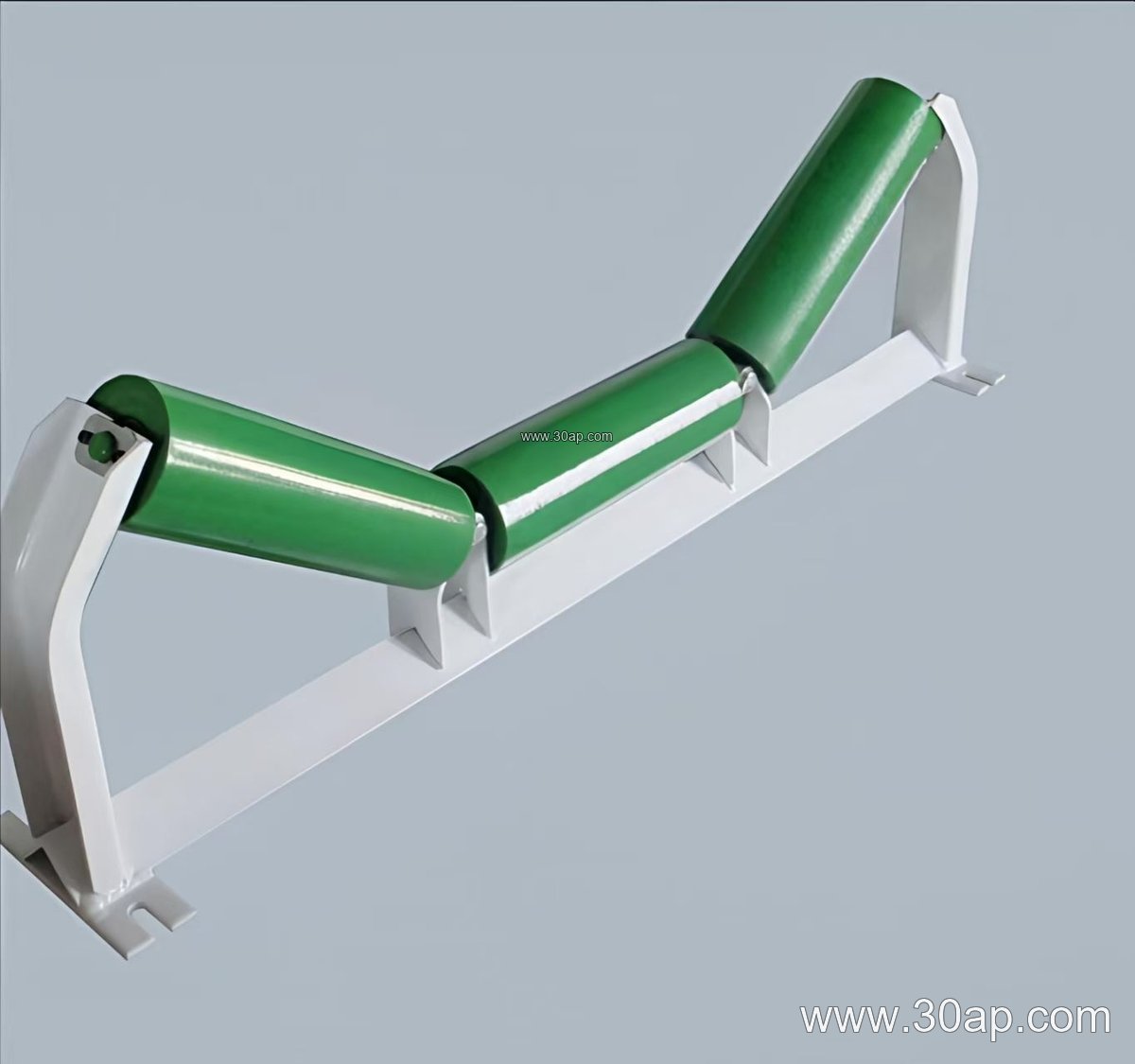
An idler bracket is the support component that holds idler rollers at the correct position and angle beneath or above a conveyor belt. It connects the roller assembly to the conveyor frame, transferring the load of the belt and the material being carried into the structure. In a quarry, a coal handling plant, or a cement kiln feed line, the bracket may look like a minor part, but it governs roller alignment, belt tracking, and the ease of maintenance along the whole run.
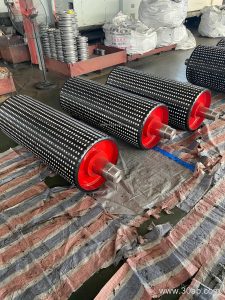
The bracket is often called a roller support bracket or idler frame bracket, depending on the region and the drawing convention. These are accurate equivalent names for the same product. They should not be confused with a drive pulley, tail pulley, or bend pulley, which are completely different components with different duties in the conveyor system.
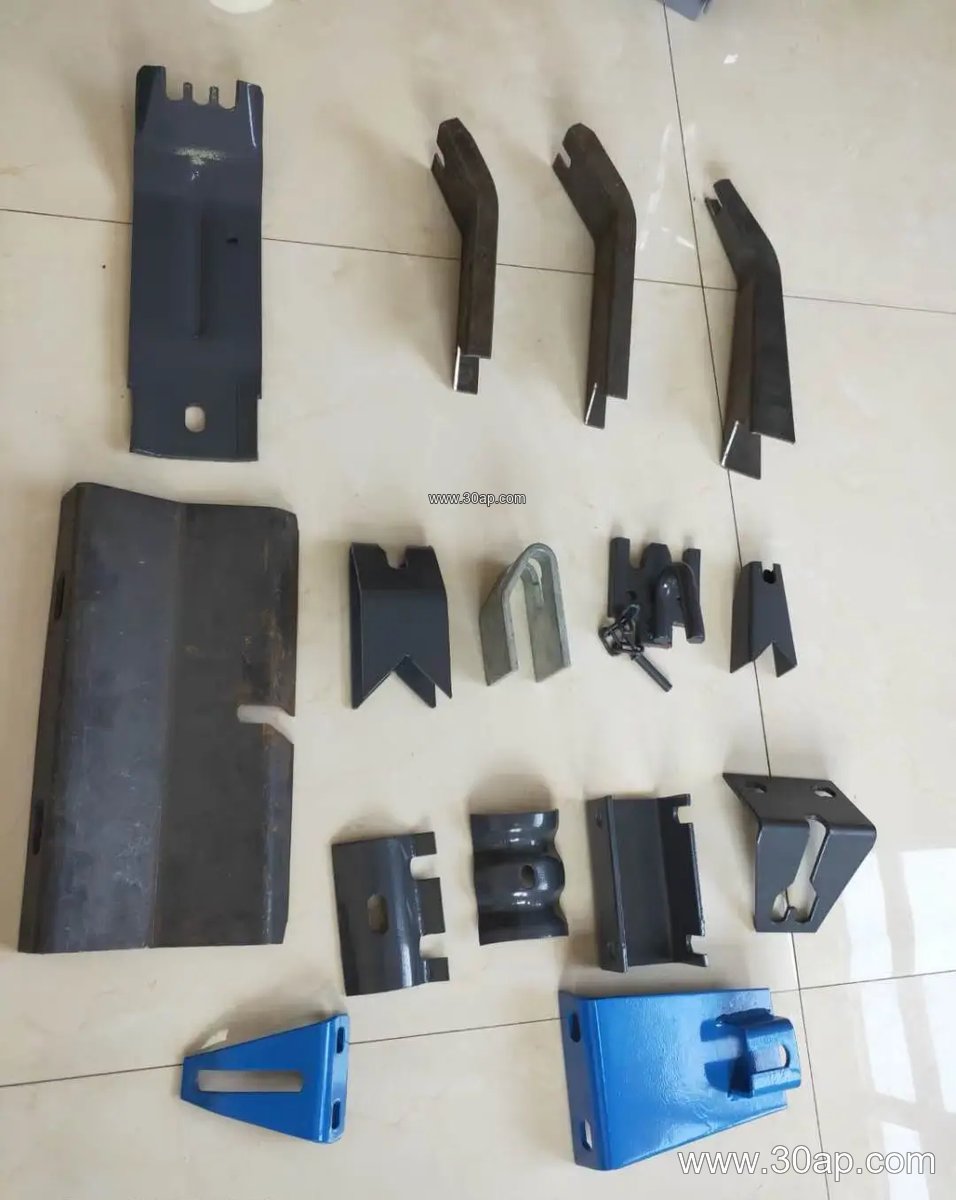
Construction and Common Forms
Most brackets are fabricated from angle steel, channel steel, or folded steel plate. The choice depends on the load, the belt width, and the environment. In dusty or wet conditions, galvanized or painted finishes are common. A typical bracket carries one or more idlers and may be fixed or adjustable.
- Carrying side brackets, often with a trough angle, support the loaded belt.
- Return side brackets hold the belt on its clean run, and V-return brackets help center the belt.
- Impact brackets sit under loading points and are paired with impact idlers.
- Self-aligning brackets work with training idlers to correct belt wander.
- Transition brackets guide the belt between the pulley and the fully troughed section.
Adjustable versions allow the trough angle to be changed between common values such as 20, 30, 35, and 45 degrees. Forward-leaning brackets are usually set at about 1.5 to 2 degrees to assist tracking.
Matching Belt Width, Trough Angle, and Roller Diameter
Belt width, trough angle, and roller diameter are selected together, but they are not locked into a single combination. A B800 belt might run at 35 degrees with Ø108 rollers in one plant, while a B1200 line may use 45 degrees with Ø133 rollers. A B650 conveyor in a sand and gravel yard often uses 30 degrees with Ø89 rollers. The correct choice depends on capacity, material lump size, belt stiffness, and the frame design. Installation hole spacing and crossbeam length usually vary with belt width and trough angle, so they should be confirmed from the drawing rather than assumed.
| Belt Width | Trough Angle | Roller Diameter | Typical Bracket Form |
|---|---|---|---|
| B500 | 20-30 degrees | Ø89 | Fixed or adjustable carrying bracket |
| B650 | 30 degrees | Ø89 | Carrying bracket, return bracket |
| B800 | 35 degrees | Ø108 | Adjustable carrying bracket |
| B1000 | 35-45 degrees | Ø108-Ø133 | Transition bracket, impact bracket |
| B1200 | 45 degrees | Ø133 | Heavy carrying bracket |
| B1400 | 35-45 degrees | Ø133-Ø159 | Reinforced carrying bracket |
| B1600 | 35-45 degrees | Ø159 | Heavy-duty bracket |
| B1800 | 35-45 degrees | Ø159-Ø194 | Heavy-duty bracket |
These values are common references, not universal requirements. A wider belt does not automatically mean a fixed roller diameter, and a given belt width can work with more than one trough angle. On a coal mining conveyor belt or an iron ore conveyor belt, the bracket and roller combination should follow the engineering design for that specific line.
Where Idler Brackets Are Used
Brackets appear wherever a conveyor belt is supported. In a limestone mine, they hold the carrying idlers along the inclined section. In a power plant coal yard, they support the belt through transfer points. In a crushing and screening plant, impact brackets sit below the feed zone to absorb shock. In a fertilizer or grain silo facility, lighter brackets are often enough, while a steel plant sinter line may need reinforced frames.
The bracket works together with the conveyor belt, idler roller, and conveyor pulley, and it also interacts with the conveyor bracket system that ties the whole frame together. Proper bracket alignment helps extend roller life and reduce belt edge damage.
What Buyers Should Check
Before ordering, confirm the belt width, the required trough angle, the roller diameter, and the mounting hole spacing. Ask for the bracket material and finish, and check whether the frame is fixed or adjustable. For dusty or corrosive sites, specify the surface treatment clearly. For heavy-duty mining conveyor belt installations, request brackets with adequate plate thickness and reinforcement.
Inspect delivered brackets for squareness, hole alignment, and weld quality. During installation, keep brackets level and at a consistent height so the belt runs smoothly. Regular checks for loose bolts and bent brackets are simple but effective maintenance steps. A well-matched idler bracket is a low-cost way to keep a conveyor reliable in mines, cement plants, ports, and aggregate operations.