What Is a Food Grade Conveyor Belt
A food grade conveyor belt is a type of conveyor belt designed for direct or indirect contact with food products. It is manufactured from materials that are non-toxic, easy to clean, and resistant to oils, fats, and cleaning agents. Unlike standard rubber conveyor belts used in mining or aggregate handling, food grade belts must meet strict hygiene requirements to prevent contamination. This belt is often referred to as a food conveyor belt or hygienic conveyor belt, and it is a critical component in food processing, packaging, and pharmaceutical industries.
Construction and Materials
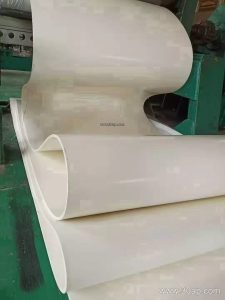
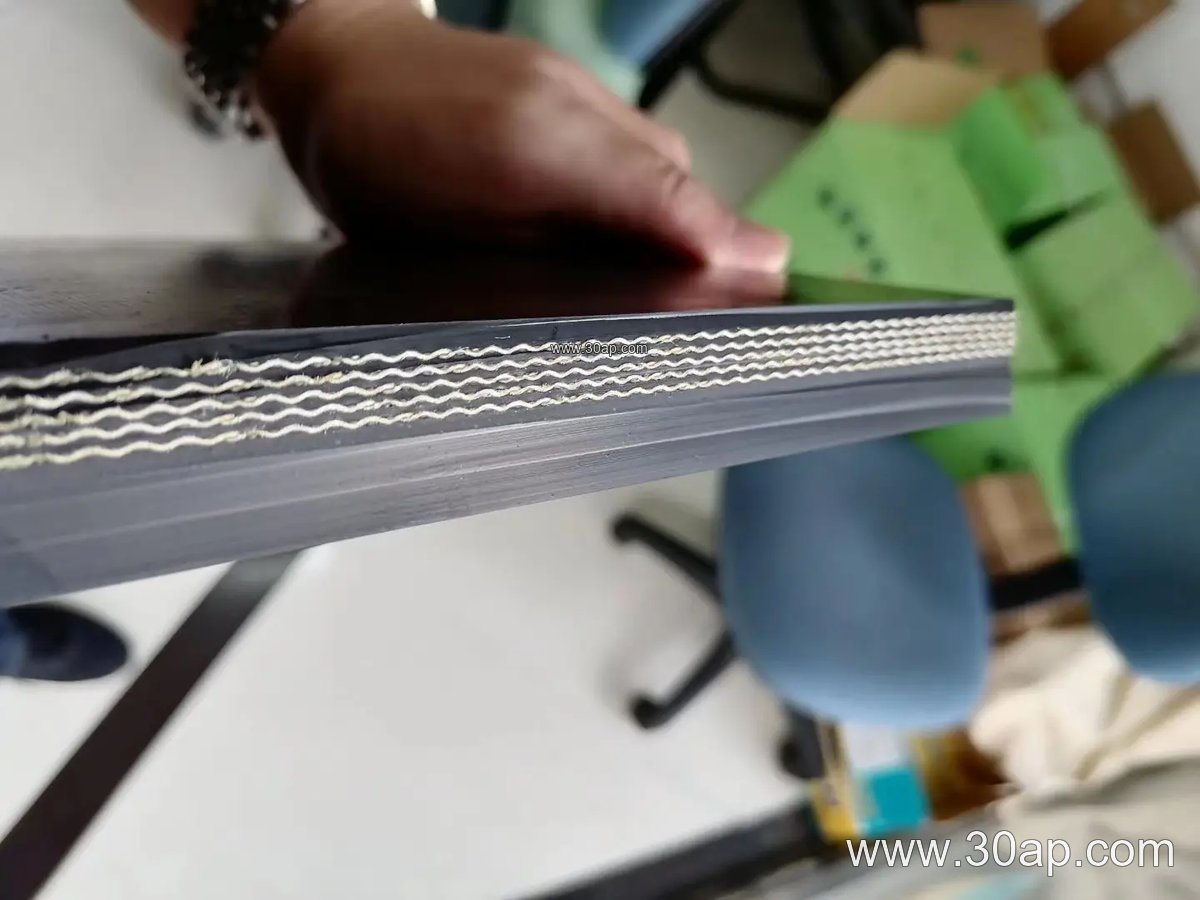
The construction of a food grade conveyor belt typically involves a fabric core covered with a food-grade polymer. Common materials include PVC (polyvinyl chloride), polyurethane (PU), and silicone. These covers are formulated to be free from harmful substances and are often available in white or light colors to aid visual inspection. The fabric core may be made of polyester or nylon, providing tensile strength and flexibility. The belt surface can be smooth or textured, depending on the application. For example, a smooth surface is easier to clean, while a textured surface may help grip products on inclines. The belt edges are often sealed to prevent moisture ingress and bacterial growth.
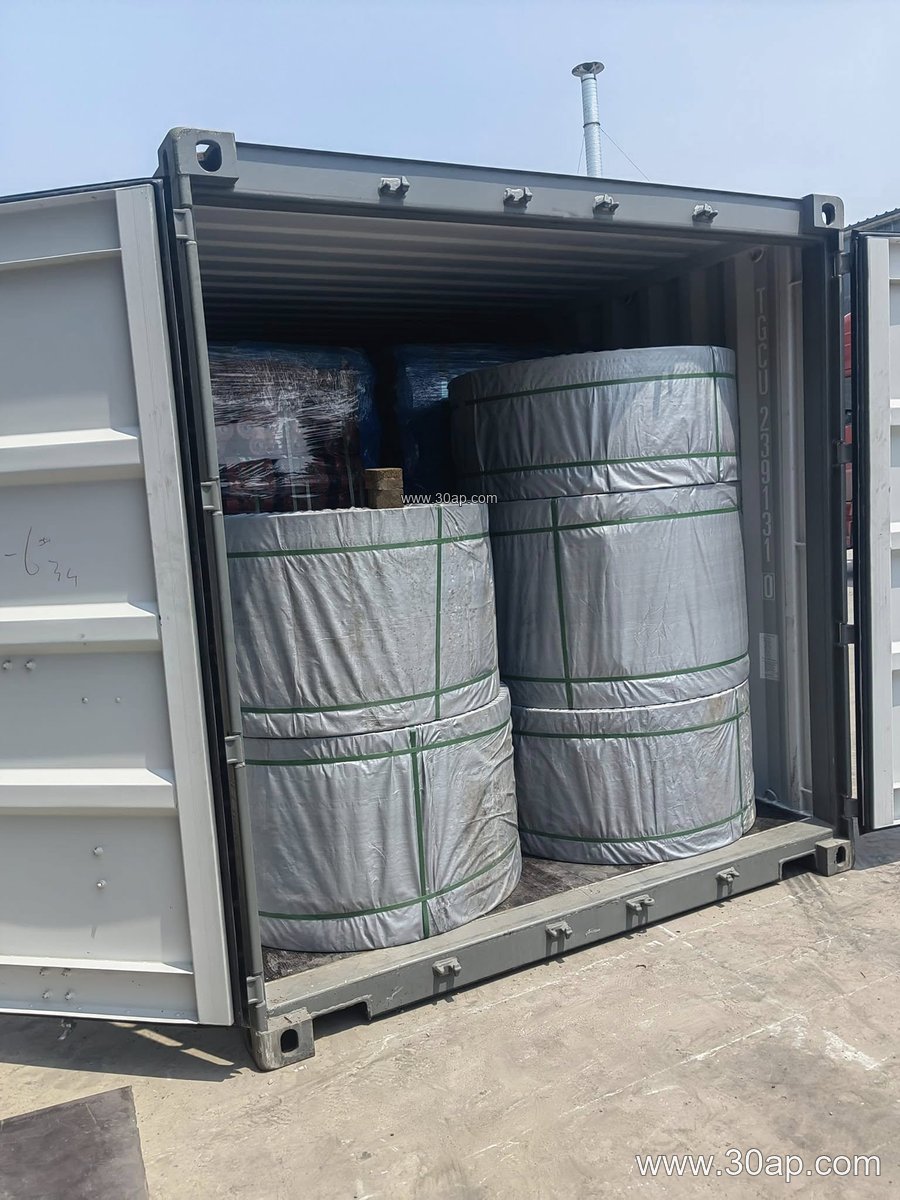
In terms of construction, a food grade conveyor belt shares similarities with other fabric core belts such as EP conveyor belt or NN conveyor belt, but the key difference lies in the food-safe cover compounds and the absence of toxic additives. The belt may also feature anti-static properties to prevent sparking in dry environments, similar to an anti-static conveyor belt used in other industries.
Where It Is Used
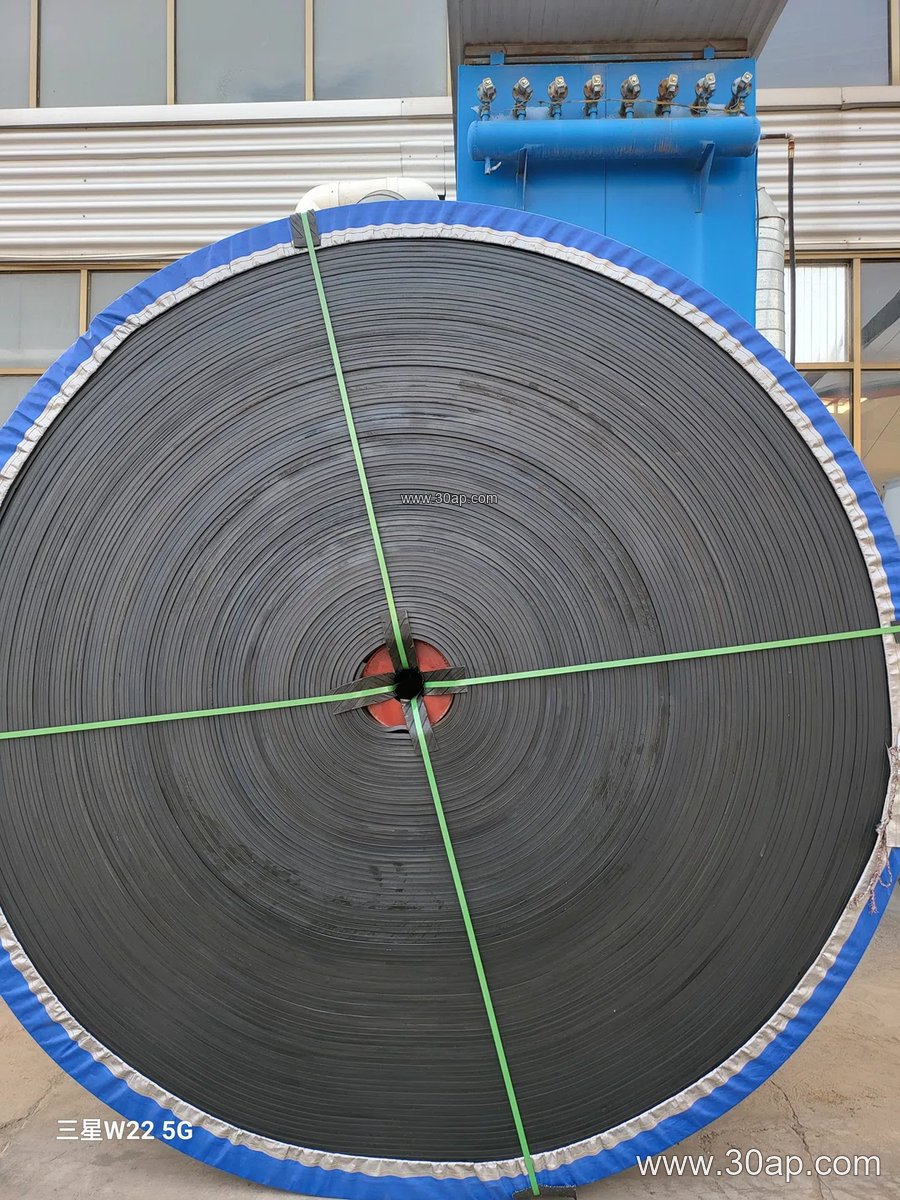
Food grade conveyor belts are found in a wide range of industries where hygiene is paramount. In food processing plants, they transport raw ingredients, baked goods, meat, poultry, seafood, and dairy products. They are also used in packaging lines, sorting tables, and cooling tunnels. Beyond food, these belts serve in pharmaceutical manufacturing, where contamination control is critical. You might also see them in cosmetics production and in some agricultural settings, such as fruit and vegetable handling.
While food grade belts are essential in hygienic environments, other belt types like abrasion resistant conveyor belt or heat resistant conveyor belt are used in harsh industrial settings such as mining, cement plants, and steel mills. For instance, a coal mining conveyor belt or quarry conveyor belt must withstand sharp rocks and heavy loads, which is why they are built with different rubber compounds. However, in a food plant, the priority is cleanliness and compliance with food safety regulations.
Key Specifications and Sizes
When selecting a food grade conveyor belt, several parameters come into play. The belt width is a primary consideration, and common widths include 500mm, 600mm, 800mm, 1000mm, and 1200mm. Wider belts, such as 1500mm or 1800mm, may be used in large-scale operations. The thickness of the belt, including cover and core, varies; for example, a belt might have a cover thickness of 3+1.5 mm or 4+2 mm. The number of fabric plies typically ranges from 2 to 6, depending on the load.
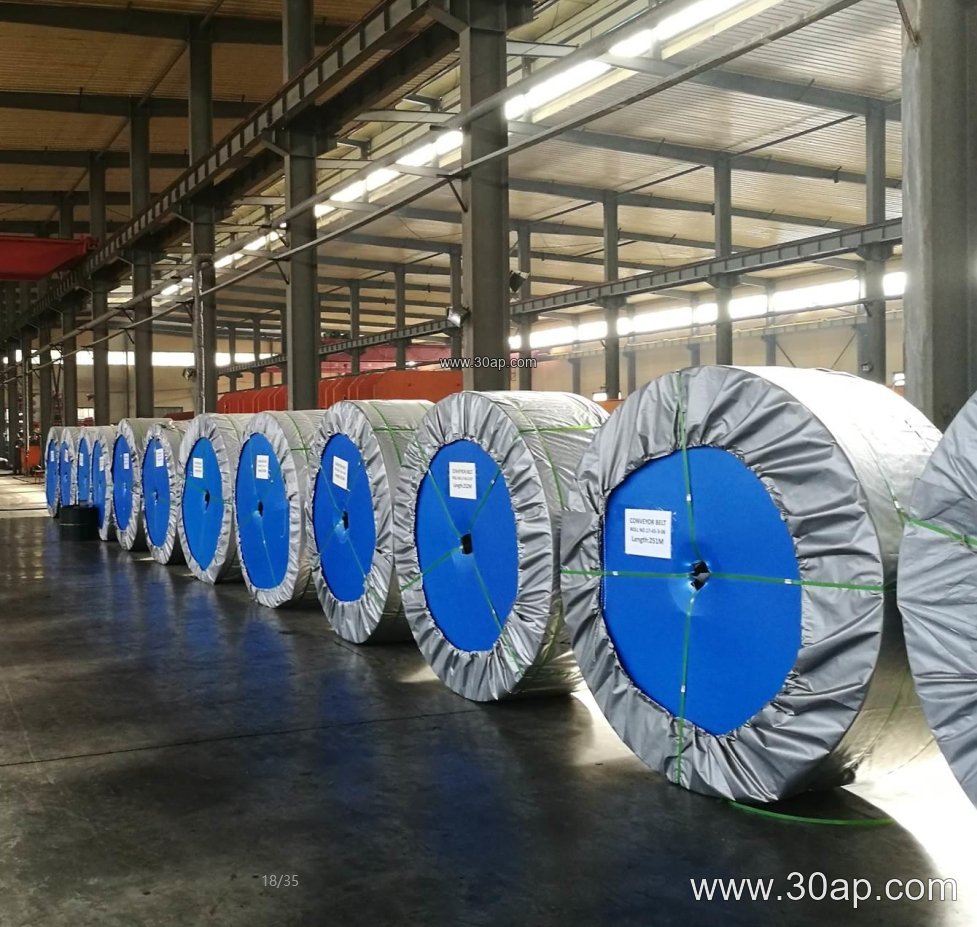
Below is a table of common food grade conveyor belt specifications for reference. These values are typical and should be confirmed with the manufacturer for specific applications.
| Parameter | Common Range |
|---|---|
| Belt width | 500 mm to 1800 mm |
| Cover thickness | 3+1.5 mm, 4+2 mm, 5+2 mm |
| Number of plies | 2 to 6 |
| Tensile strength | EP200 to EP1000 (for fabric core) |
| Surface | Smooth or textured |
| Color | White, blue, green |
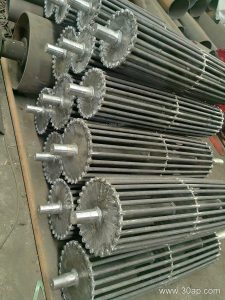
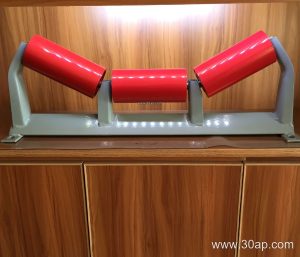
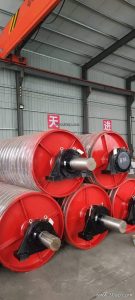
It is important to note that belt width and pulley diameter are not directly linked; a 500mm wide belt can be used with various pulley sizes depending on the conveyor design. The drive pulley, tail pulley, and bend pulley each have specific roles, and they are not interchangeable. Proper selection of conveyor pulleys and idler rollers ensures smooth operation and belt longevity.
Buyer’s Checklist
Before purchasing a food grade conveyor belt, consider the following points:
- Material compliance: Ensure the belt materials meet food safety regulations (e.g., FDA, EU 10/2011). Request documentation from the supplier.
- Application conditions: Consider temperature, humidity, and exposure to oils, fats, or cleaning chemicals. For example, an oil resistant conveyor belt may be necessary if the product contains grease.
- Cleaning method: belts that are frequently washed should have sealed edges and be resistant to cleaning agents.
- Belt joint: endless conveyor belt (jointed) options reduce contamination risks compared to mechanical fasteners.
- Static control: in dry environments, an anti-static belt may be required to prevent sparks.
- Supporting components: check compatibility with existing idler rollers, conveyor pulleys, and conveyor brackets to avoid misalignment.
For harsh industries like mining, a heavy-duty mining conveyor belt or steel cord conveyor belt might be more appropriate, but for food handling, hygiene is the deciding factor. Always consult with the belt manufacturer to ensure the chosen food grade conveyor belt matches your specific process requirements.