What a Return Idler Bracket Does
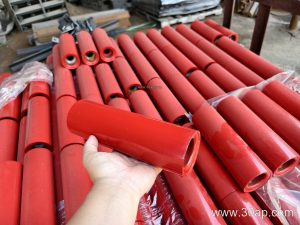
A return idler bracket is the support component that holds the return-side idlers beneath a conveyor belt. While the carrying side gets most of the attention, the return run quietly determines how well the belt tracks, how long the idler roller bearings last, and how much spillage collects under the structure. The bracket is a small part, but it sets the position and angle of every return roll it carries, so getting it right matters in mines, quarries, cement plants, and power station coal handling.
In everyday plant language, this part is also called a return roller bracket, return idler support, or lower bracket. These names describe the same product. They are not the same as a troughing bracket, an impact bracket, or a self-aligning bracket, which serve different positions on the conveyor.
Construction and Mounting Position
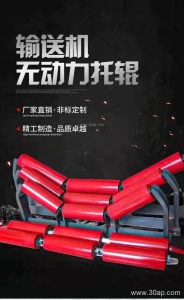
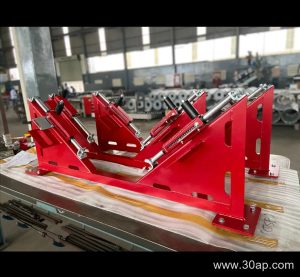
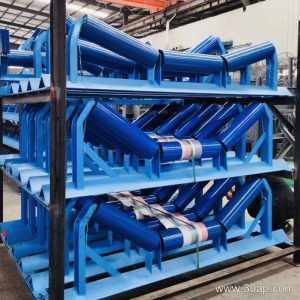
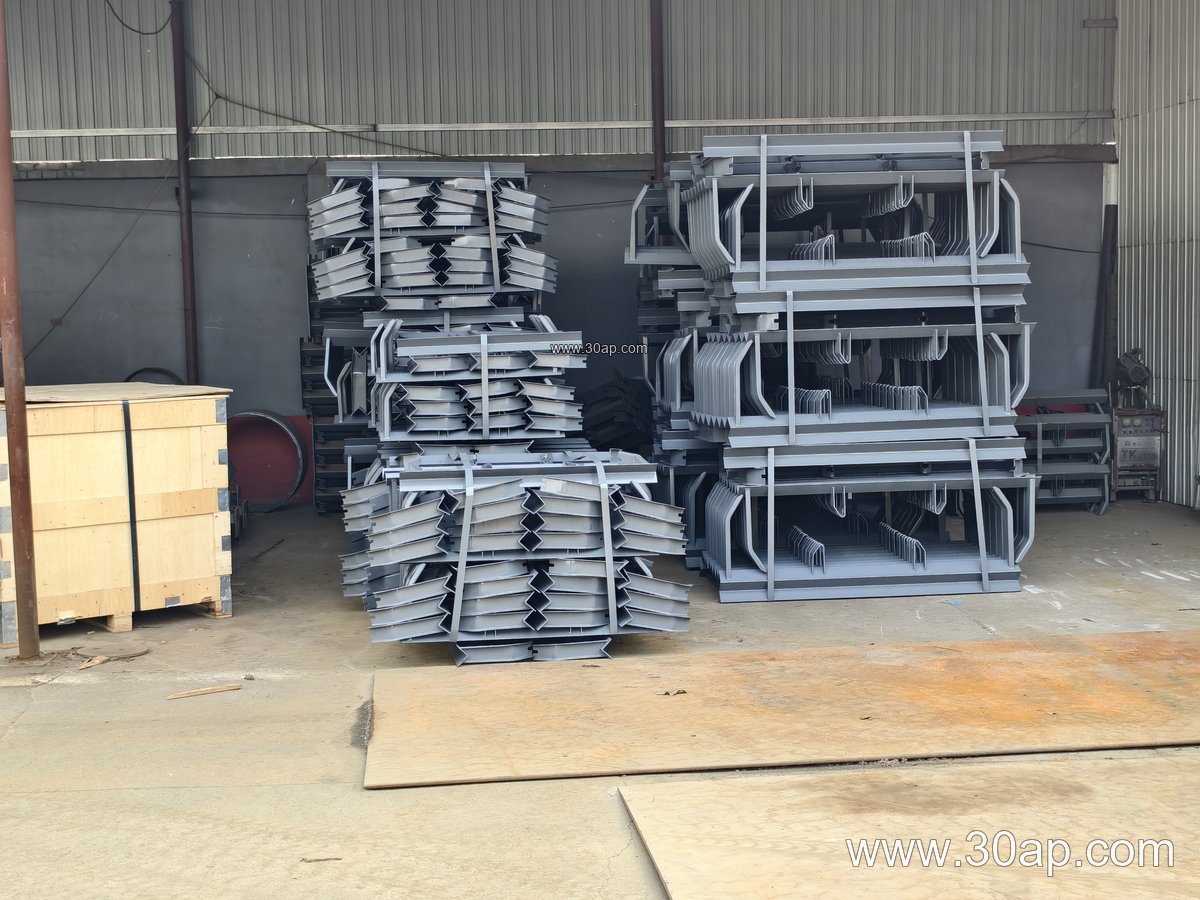
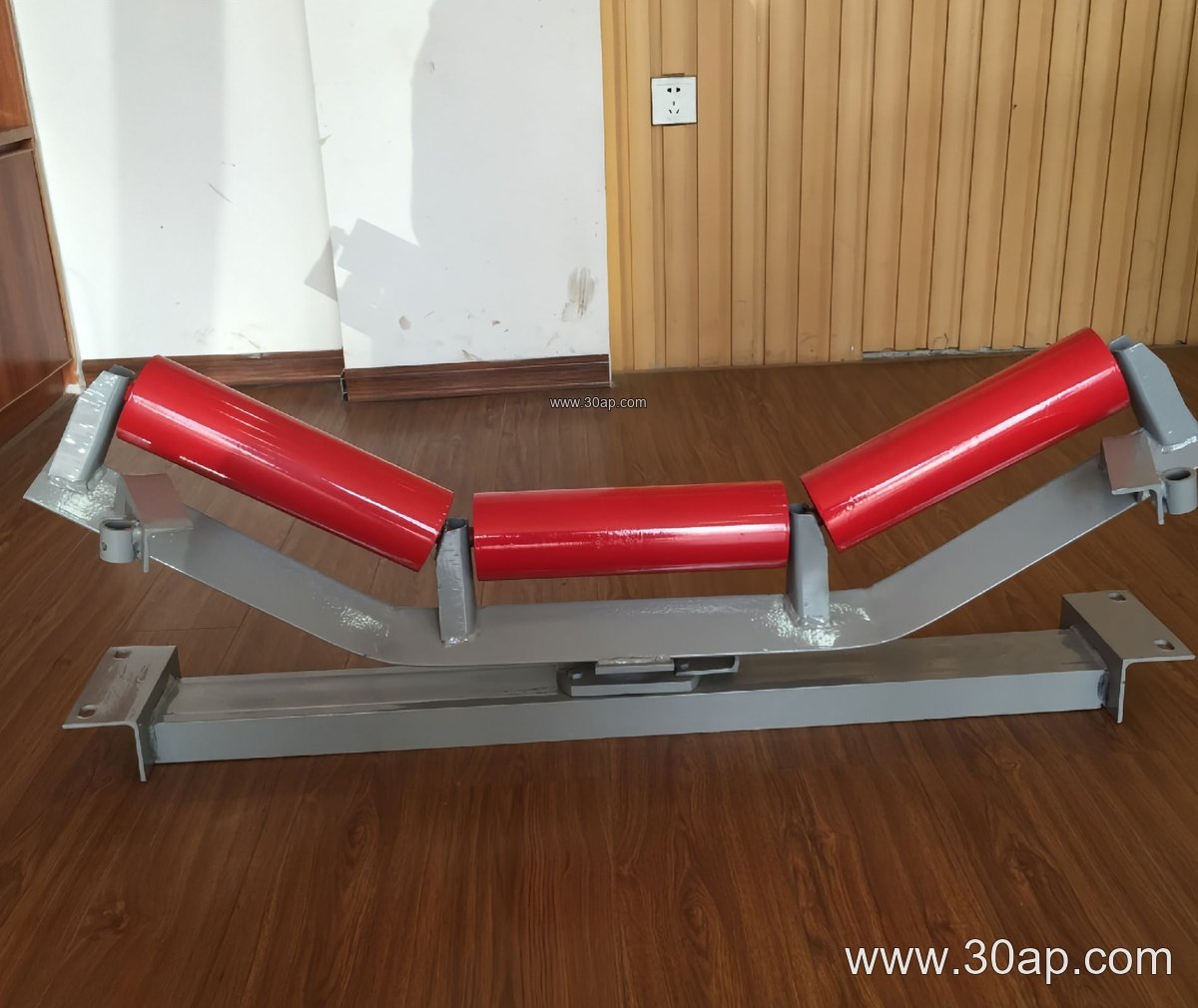
Most return idler brackets are fabricated from angle steel, channel steel, or folded steel plate. The frame is drilled or slotted to match the idler shaft, then bolted or welded to the conveyor stringer. A flat return bracket holds a single horizontal roll. A V-return bracket holds two rolls set at an angle, which helps center the belt and shed loose material.
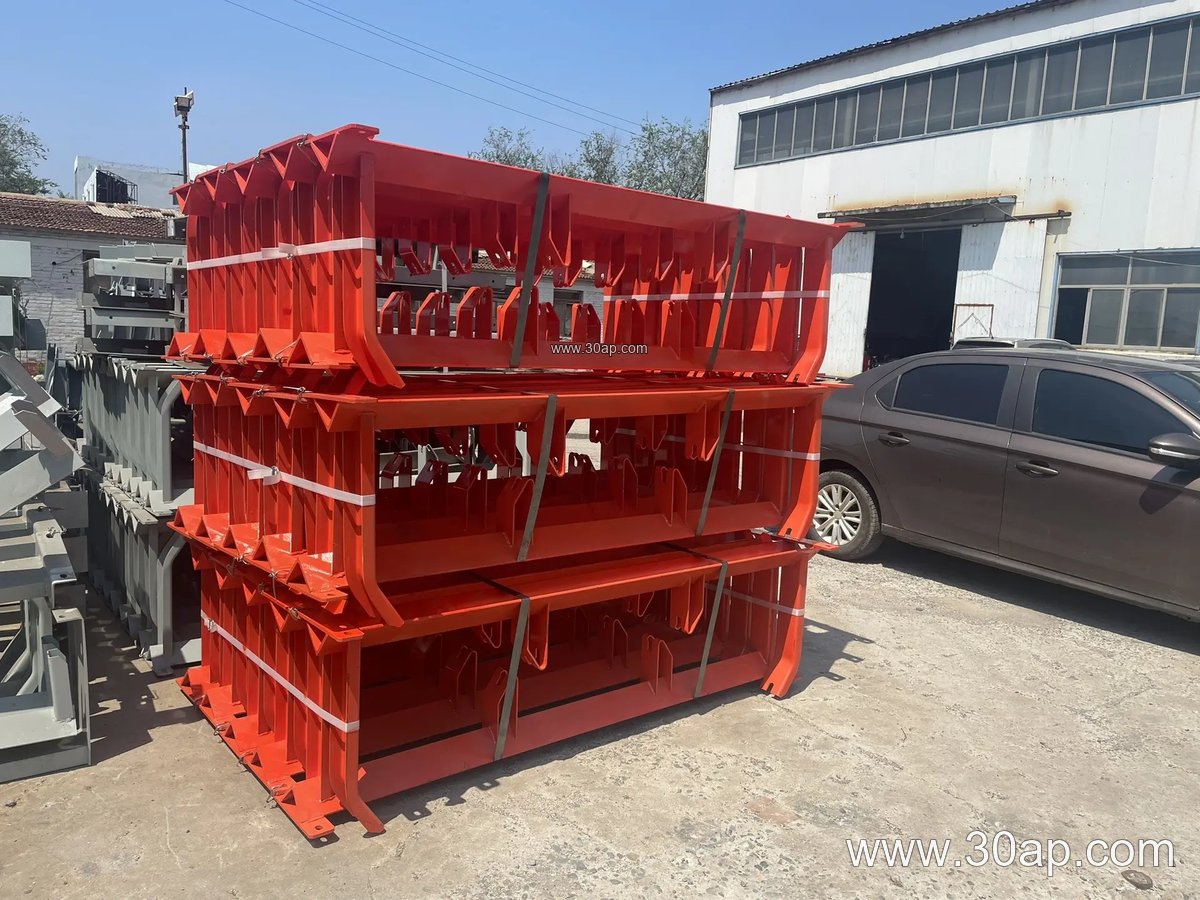
Mounting hole spacing and crossbeam length usually follow the belt width and the chosen return configuration, so they are determined by design rather than fixed across all conveyors. The bracket must align with the stringer so the roll sits square to the belt path; a twisted bracket will push the belt sideways and wear the edges.
Where It Fits in the Conveyor
Return brackets appear on the underside of the belt, spaced between the head and tail of the conveyor. In a limestone quarry or aggregate line, they support the belt after the discharge point and through long straight runs. In a coal mining conveyor, they work alongside a flame retardant conveyor belt and fire resistant conveyor belt where dust and moisture are present. In a cement plant, a return idler bracket may sit close to a heat resistant conveyor belt section, so clearance and heat exposure should be checked.
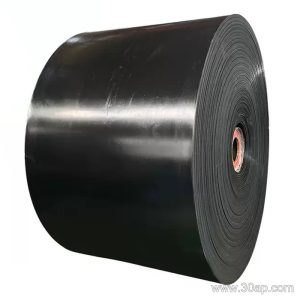
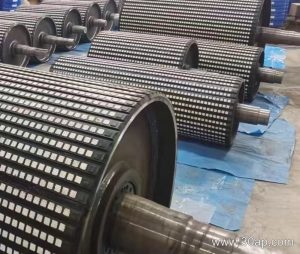
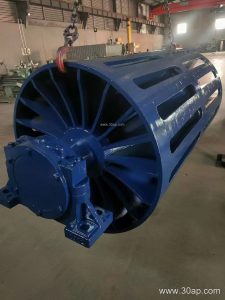
These brackets work together with the conveyor belt, idler roller, conveyor pulley, and conveyor bracket assemblies. They do not replace drive, tail, or bend pulleys, which handle power transmission and direction changes. A bend pulley redirects the belt; a return bracket only supports it.
Common Reference Data
The table below lists typical ranges used when specifying return brackets. Values are reference data, not universal specifications, and final dimensions follow the conveyor design.
| Item | Common Reference Values |
|---|---|
| Belt width | B500, B650, B800, B1000, B1200, B1400, B1600, B1800, B2000 |
| Return roll diameter | Ø89, Ø108, Ø133, Ø159, Ø194 |
| V-return angle | Usually 10 to 20 degrees per side, by design |
| Material | Angle steel, channel steel, folded steel plate |
| Finish | Painted or galvanized, per project requirement |
A bracket for a B800 belt with Ø108 return rolls is a common combination, but the same belt width may use other roll diameters depending on load and belt speed. Do not assume one belt width locks in one roll size.
Fixed or Adjustable
Fixed return brackets keep a set position and suit stable, well-aligned conveyors. Adjustable brackets allow the roll height or angle to be trimmed during installation, which helps on long overland runs or where the structure settles. Adjustable designs cost more and need periodic checking, but they reduce belt edge wear when alignment is difficult.
Buying Checklist
- Confirm belt width and return roll diameter before ordering.
- State whether a flat or V-return layout is required.
- Check mounting hole spacing against the existing stringer.
- Match the finish to the environment, such as wet, dusty, or corrosive service.
- Ask for dimensional drawings rather than relying on catalog photos.
For a full conveyor setup, buyers often source the return idler bracket together with the conveyor belt, idler roller, and conveyor pulley from one supplier to keep interfaces consistent. Whether the plant handles iron ore, sand and gravel, or tunnel spoil, a correctly sized return bracket keeps the belt running straight and the return rolls turning freely.