What an Underground Conveyor Belt Is
An Underground Conveyor Belt is a continuous loop of rubber or polymer-based belting designed to transport bulk materials through tunnels, declines, and underground workings. It operates within a conveyor system that includes idler rollers, conveyor pulleys, and conveyor brackets to guide and support the belt along its path. Unlike surface installations, underground belts must often fit through restricted spaces, handle steep inclines, and meet strict safety requirements for flame resistance and static control. Whether in a coal mine, a metal ore mine, or a tunnel construction project, the belt serves as the primary link between the digging face and the surface or processing plant.
Construction and Key Components
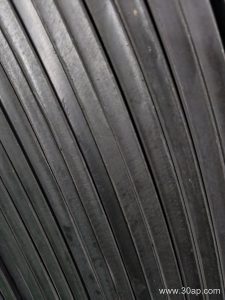
The typical Underground Mining Conveyor Belt comprises a tensile carcass and rubber covers. The carcass may be fabric (EP or NN) or steel cord, depending on the required strength and elongation characteristics. Cover compounds are selected for abrasion resistance, flame retardancy, oil resistance, or heat tolerance. For underground coal mining, a Flame Retardant Conveyor Belt and Anti-Static Conveyor Belt are frequently specified to reduce fire and explosion risks. The belt edges may be protected with additional rubber or fitted with corrugated sidewalls and cleats to prevent material spillage on steep gradients.
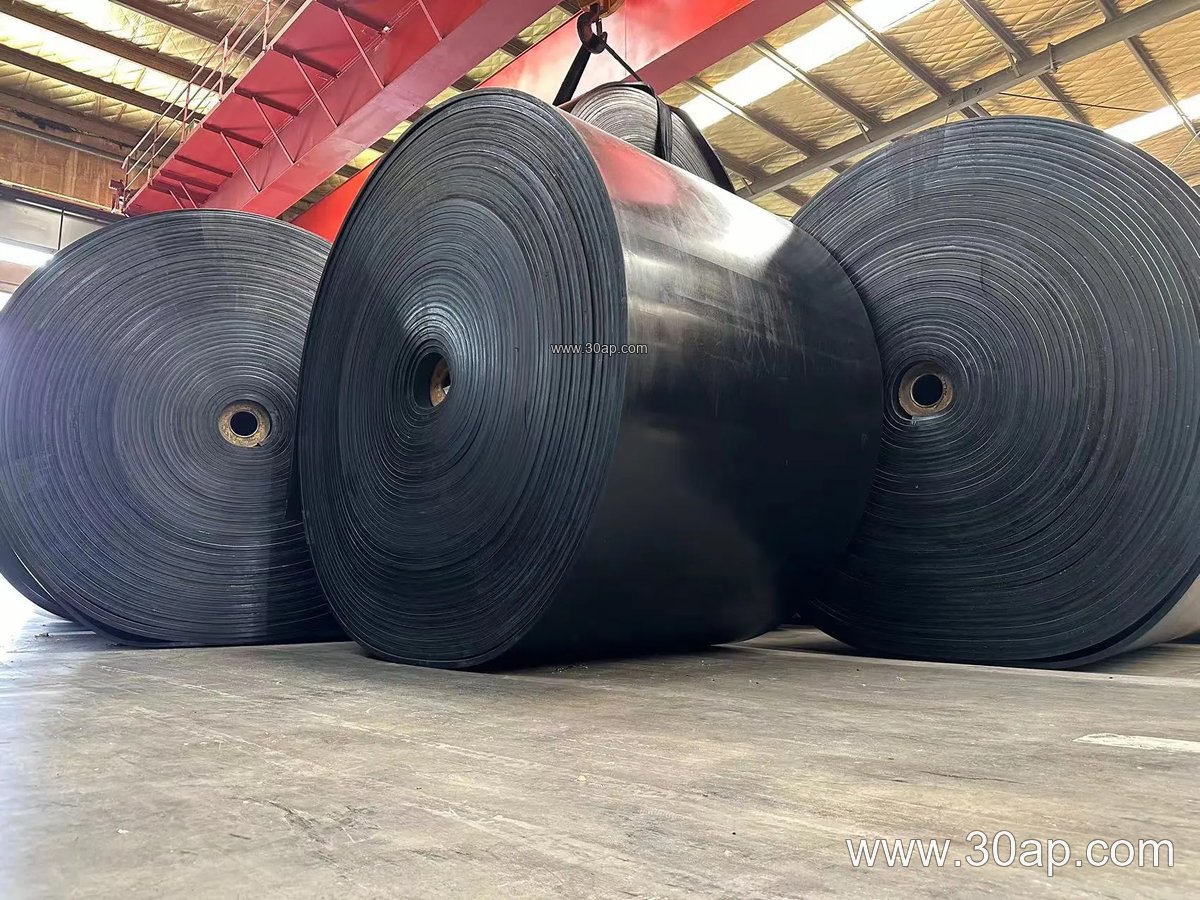
- Carcass types: EP Conveyor Belt (polyester-nylon), NN Conveyor Belt (nylon-nylon), and Steel Cord Conveyor Belt.
- Cover grades: Abrasion Resistant Conveyor Belt, Heat Resistant Conveyor Belt, Oil Resistant Conveyor Belt, and Fire Resistant Conveyor Belt.
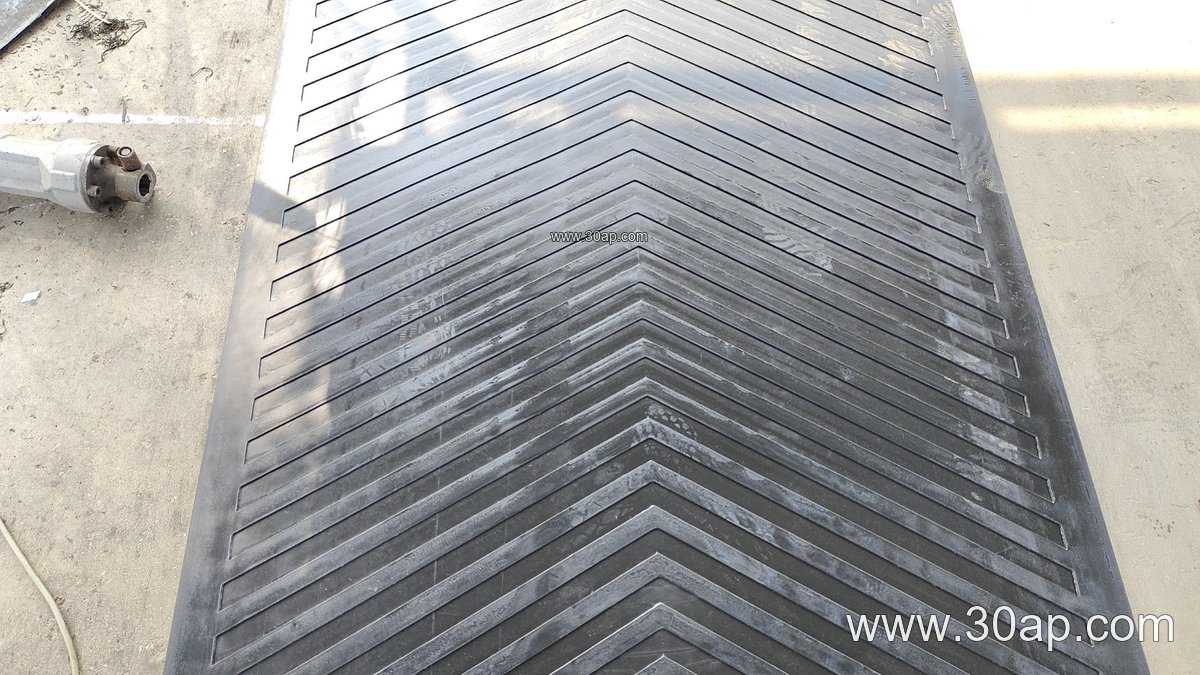
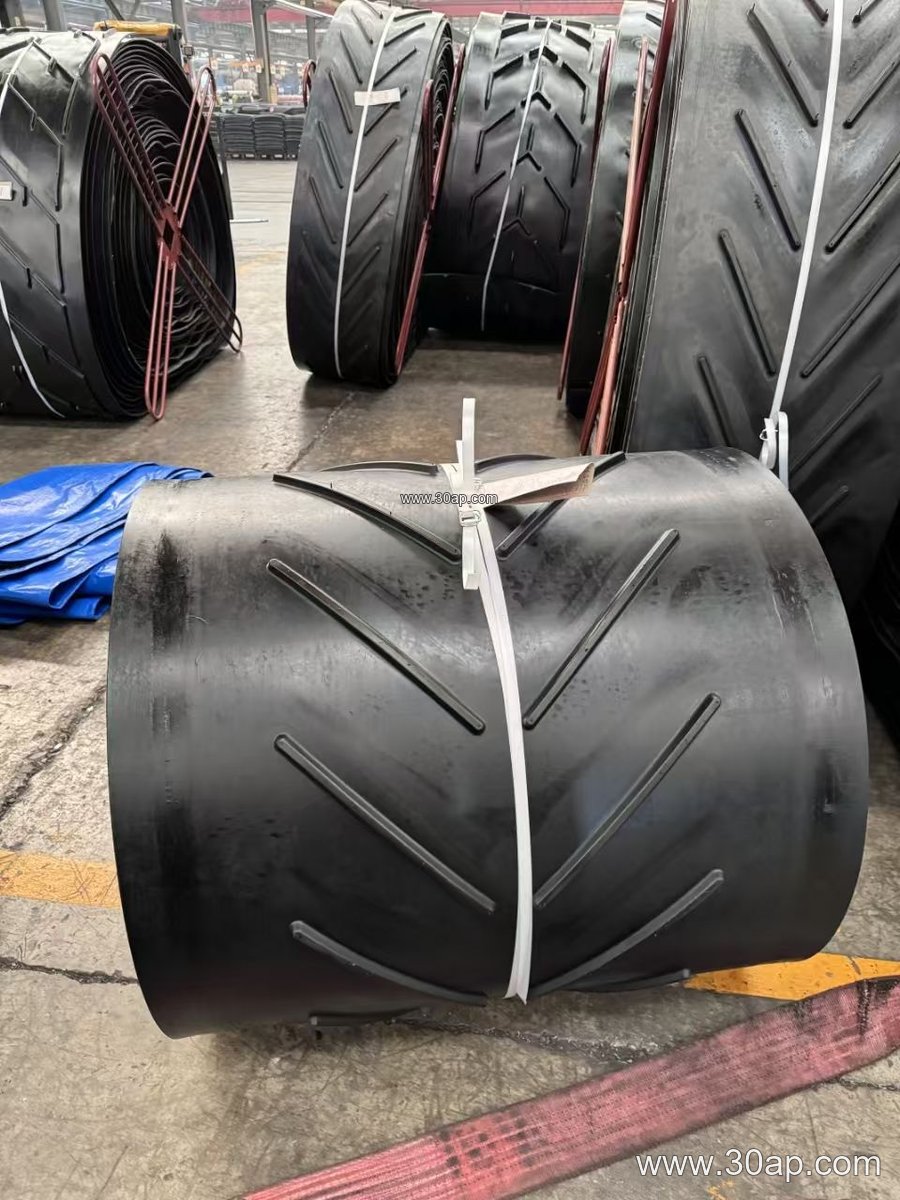
- Special features: Chevron Conveyor Belt for inclined haulage, Skirted Conveyor Belt for containment, and Corrugated Sidewall Conveyor Belt for steep angles.
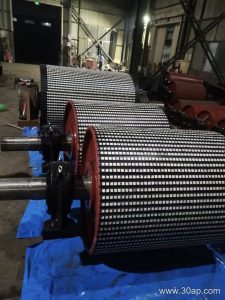
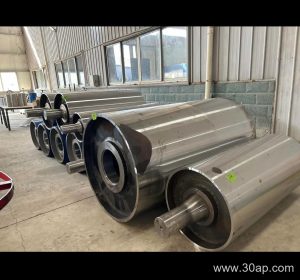
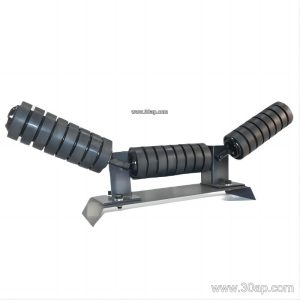
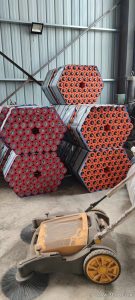
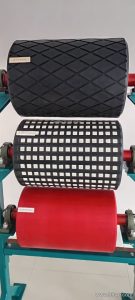
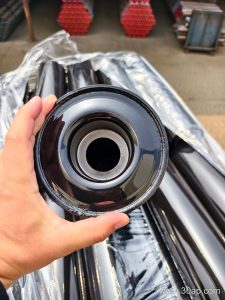
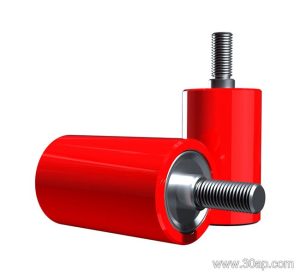
Supporting hardware such as idler rollers, conveyor pulleys, and conveyor brackets must be matched to the belt width and load. Drive, tail, and bend pulleys are distinct components and are not interchangeable; each performs a specific function in maintaining belt tension and direction.
Common Specifications and Sizes
Underground belts are available in a range of widths and strength grades. The table below lists representative values; actual selection depends on the conveyor design, material lump size, and required capacity. These figures are for reference only and should be confirmed with the belt manufacturer.
| Parameter | Typical Range | Examples |
|---|---|---|
| Belt width (B) | 500 mm to 2000 mm | B650, B800, B1000, B1200, B1400, B1600, B1800 |
| Fabric strength (EP) | EP200 to EP2000 | EP400, EP630, EP800, EP1000, EP1250 |
| Steel cord strength (ST) | ST1000 to ST3150 | ST1250, ST1600, ST2000, ST2500 |
| Cover thickness (top + bottom) | 3+1.5 mm to 8+3 mm | 4+2, 5+2, 6+2 |
| Carcass layers (fabric) | 2 to 6 plies | Multi-Ply Fabric Core Conveyor Belt |
For example, an EP1000 1200mm Conveyor Belt might be used in a main haulage drift, while a narrower 800mm belt could serve a secondary transfer point. A 1200mm Wide Conveyor Belt or 1500mm Wide Conveyor Belt may be required for high-capacity systems. Thick Conveyor Belt covers are chosen for abrasive rock or ore.
Where It Is Used
Underground belts are found in coal mines, hard rock mines, and tunneling projects. In coal mining, a Coal Mining Conveyor Belt must resist flame propagation and static electricity. In metalliferous mines, an Abrasion Resistant Conveyor Belt or Impact Resistant Conveyor Belt handles sharp, heavy ore. Tunneling operations often use a Pipe Conveyor Belt to contain dusty material and follow curved routes. Other industries such as cement plants, power plants, and port facilities may also employ underground conveyor belts for material handling in enclosed galleries or bunkers.
Related equipment like idler rollers, conveyor pulleys, and conveyor brackets must be selected to suit the belt’s width, speed, and load. Proper alignment of these components extends belt life and reduces downtime.
Buyer Checklist
When specifying an Underground Conveyor Belt, consider the following:
- Material characteristics: lump size, abrasiveness, moisture, oil content, and temperature.
- Environmental conditions: flame retardancy and anti-static properties for coal mines; cold resistance for freezing conditions.
- Conveyor geometry: incline angle, transition distances, and take-up arrangement.
- Belt strength and width: match to the maximum load and required capacity; avoid over- or under-specifying.
- Compatibility with pulleys and idlers: ensure pulley diameters and idler spacing suit the belt’s carcass and cover.
Do not assume a fixed relationship between belt width and pulley diameter; each conveyor design must be evaluated individually. For reliable operation, consult the belt manufacturer and conveyor designer with the specific site conditions.