What the Ø133 Conveyor Idler Is
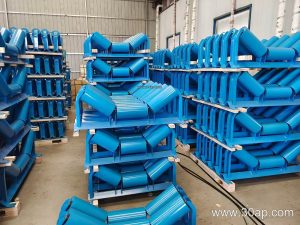
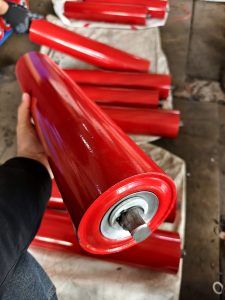
The Ø133 conveyor idler is a carrying or return roller with a nominal shell diameter of 133 mm, widely used on medium and heavy-duty belt conveyors. In plant drawings and spare-parts lists it often appears as a 133 mm diameter idler roller or simply a Ø133 idler. It sits beneath or above the conveyor belt, supports the loaded belt line, and lets the belt run with low rolling resistance. Because the diameter is larger than common 89 mm or 108 mm rollers, the Ø133 size is often chosen where belt widths, lump sizes and daily running hours are moderate to high, such as in a quarry, a coal preparation plant or a cement plant transfer tower.
How a Ø133 Idler Is Built
A typical unit combines a steel tube shell, welded bearing housings, a shaft, bearings and a multi-stage seal. Shell wall thickness, shaft diameter and bearing size are set by the idler maker according to load and speed, not by the 133 mm diameter alone. Common bearing options in this size class include 6305, 6306 and 6308; the correct match depends on the calculated radial load and the shaft end design.
Surface form also varies. A plain steel shell suits general bulk material. A rubber ring version is used at loading points to absorb impact, while nylon or ceramic covers may be selected where sticky material builds up or abrasion is severe. A Ø133 idler may be supplied as part of a three-roll troughing set, a two-roll transition set, or a single return roller, so the same diameter can appear in different assembly positions.
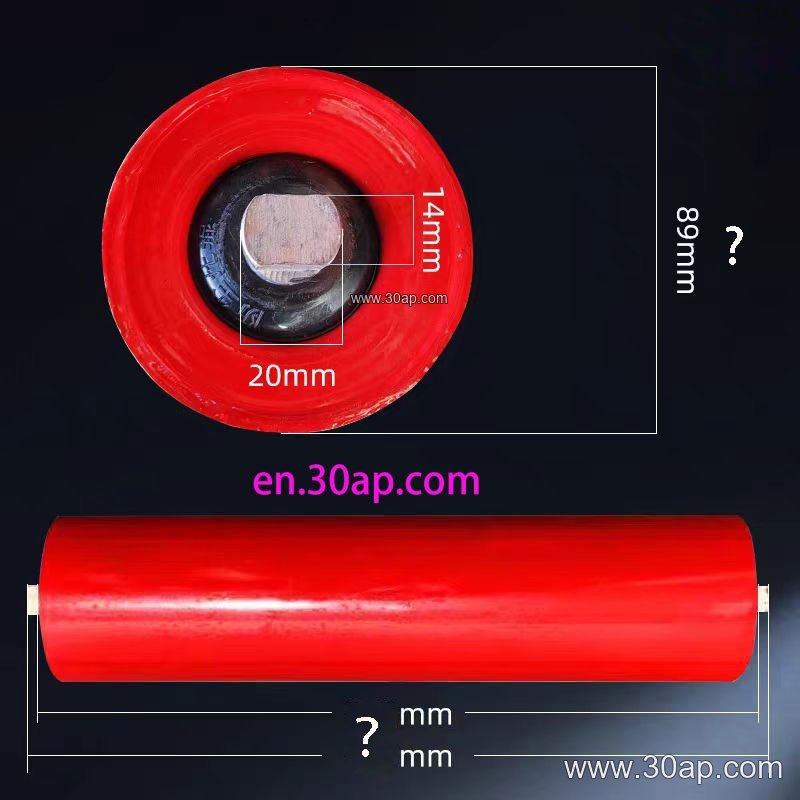
Typical Reference Data for a 133 mm Idler
The values below are common reference points only; actual dimensions are confirmed by the manufacturer for each conveyor design.
| Item | Common Reference |
|---|---|
| Nominal roller diameter | Ø133 mm |
| Belt width examples | B800, B1000, B1200, B1400, B1600 |
| Troughing roll length (three-roll set) | about 315 mm for B800, 380 mm for B1000, 465 mm for B1200, 530 mm for B1400, 600 mm for B1600 |
| Trough angle options | 20°, 30°, 35°, 45° |
| Bearing examples | 6305, 6306, 6308 |
| Shell options | steel tube, nylon, ceramic, rubber ring |
Side rollers and centre rollers in one set may have different lengths, so the figures above should be treated as examples rather than fixed pairings. A wider belt does not automatically require a specific shaft diameter; that decision comes from the load calculation.
Where the 133 mm Idler Fits
This size is common on main haulage and plant conveyors in aggregate production, iron ore and copper ore handling, and power station coal yards. It also appears in crushing and screening circuits, where the belt receives variable lump sizes and the idler must tolerate shock and dust. In a sand and gravel line, Ø133 troughing idlers are often used on the primary field conveyor, while smaller diameters may serve short transfer belts. In a cement plant, the same roller diameter may be found on clinker and raw-material conveyors, provided the belt and frame are designed for it.
Selection should consider the conveyor belt type as well. A heavy abrasion resistant conveyor belt running at high tension may call for a robust idler frame and sealed bearings, whereas a flame retardant conveyor belt in a coal handling area needs idlers that do not compromise the fire-safety design of the whole system. Matching the idler to the belt, the conveyor pulley layout and the conveyor bracket dimensions avoids misalignment and premature wear.
What Buyers Should Check Before Ordering
- Mounting dimensions: confirm shaft ends, flat or tapped ends, and the distance between bearing housings, not only the 133 mm diameter.
- Assembly position: state whether the roller is for the carrying side, the return side, a transition zone or a loading point.
- Seal and bearing class: dusty quarry or coal yard service usually justifies a well-protected seal and a bearing sized for the actual load.
- Surface choice: plain steel for general duty; rubber rings for impact; ceramic or nylon where build-up or abrasion is a known problem.
- Balance and concentricity: a poorly balanced roller at 133 mm diameter can vibrate and damage the belt edge over time.
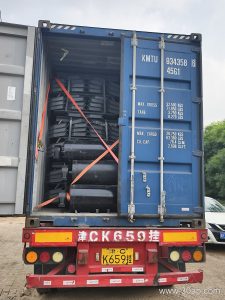
For plant expansions, ordering a few spare Ø133 conveyor idlers in advance is practical, since roller replacement is a routine maintenance task on any belt conveyor. Keep the model, roll length and bearing code on the purchase record so future replacements remain consistent.
Maintenance Notes
Inspect idlers during scheduled belt stops. Listen for squealing bearings, look for seized rollers, check for material wrapped around the shaft, and verify that the roller turns freely by hand. Replace any idler that no longer rotates smoothly, because a locked roller will scour the conveyor belt and increase drive load. In coal mining and underground mining conveyor systems, keep spares matched to the approved specification and store them clean and dry.
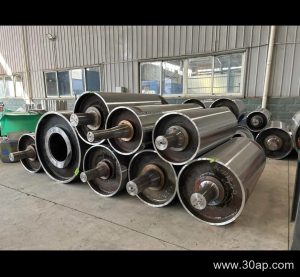
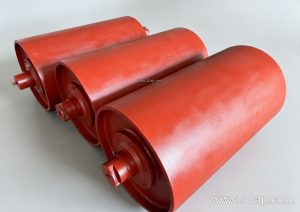
Used with the right belt, frame and pulley arrangement, the Ø133 conveyor idler is a dependable mid-to-heavy duty component for continuous bulk transport.