What a Take-Up Wheel Pulley Does
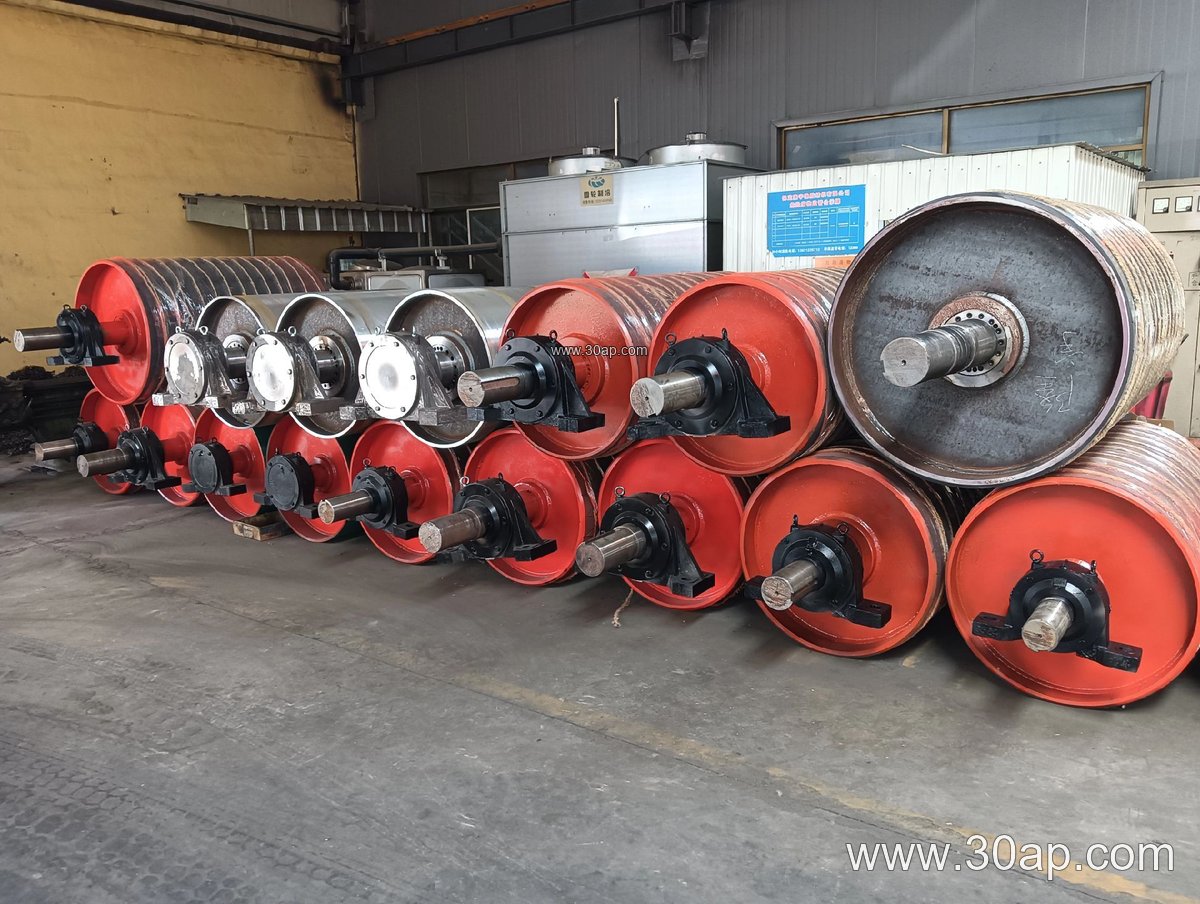
A take-up wheel pulley is a tensioning component in a belt conveyor system. Its role is to maintain the correct amount of slack in the conveyor belt by moving along a guided path, usually at the tail end or in a dedicated take-up section. Without adequate take-up, a belt can slip on the drive pulley, wander off center, or fail to carry material efficiently. The take-up wheel pulley is sometimes called a tension pulley or a take-up drum, and it works together with a conveyor bracket and a sliding or pivoting frame to keep the belt taut. In quarry and aggregate lines, where material loads fluctuate, this pulley helps absorb shock and keeps the belt tracking stable.
Construction and Key Features
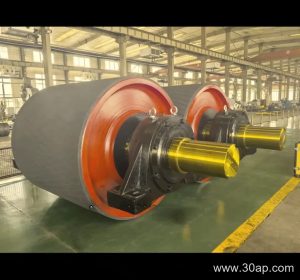
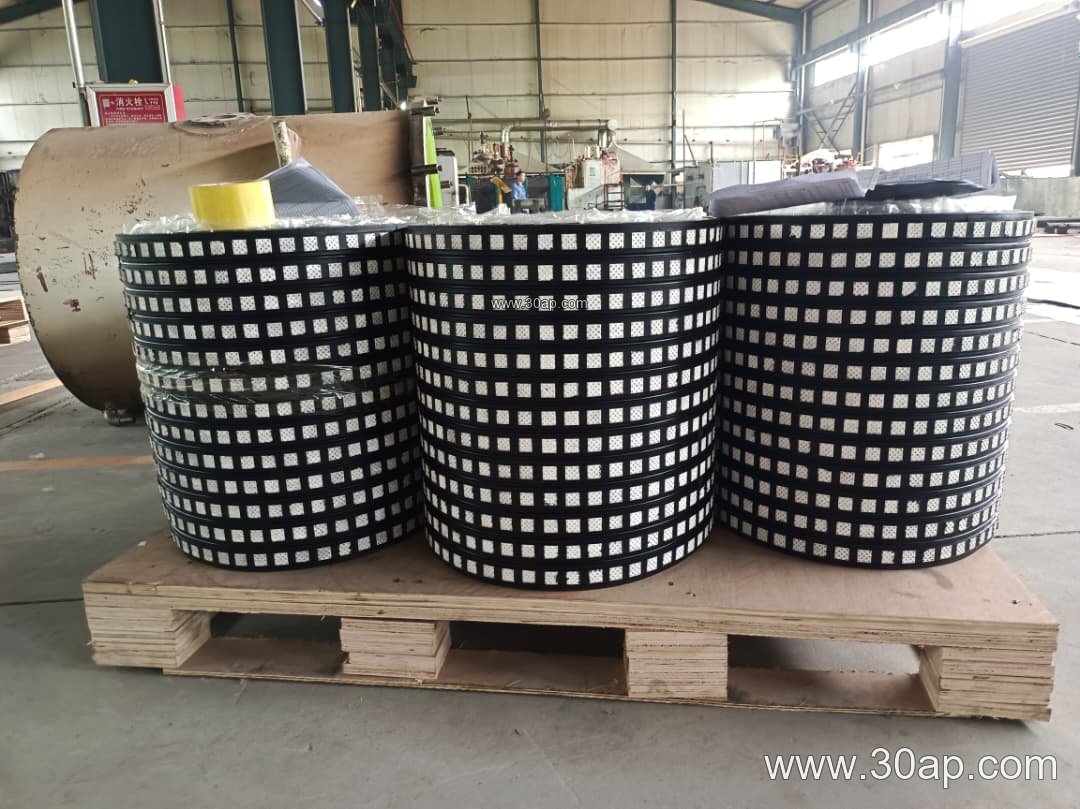
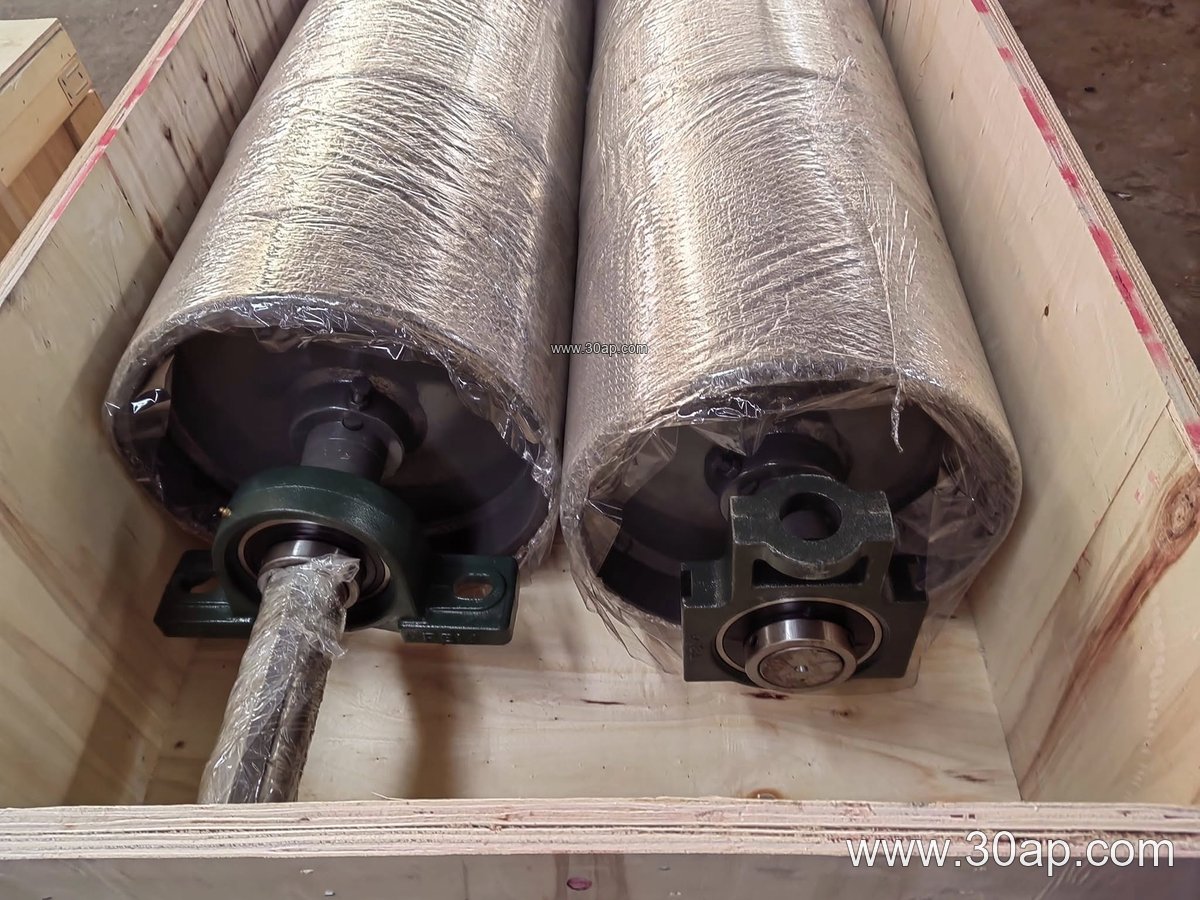
Most take-up wheel pulleys are built with a welded steel drum, a shaft, and bearing housings mounted on a movable carriage. The pulley surface may be plain or covered with rubber lagging for better grip and wear protection. Common surface options include smooth finish, cold-bonded rubber, and diamond-pattern lagging. The pulley diameter and face width are matched to the belt width and the required tension travel. For example, a B800 belt may use a pulley with a face width around 950 mm, while a B1200 system often calls for a face width near 1400 mm. Shaft diameters are selected based on torque and load, and typical values range from Ø50 to Ø200 mm, depending on the design. The take-up wheel pulley is not interchangeable with a drive pulley, tail pulley, or bend pulley, because each has a different function and loading pattern.
Where It Is Used
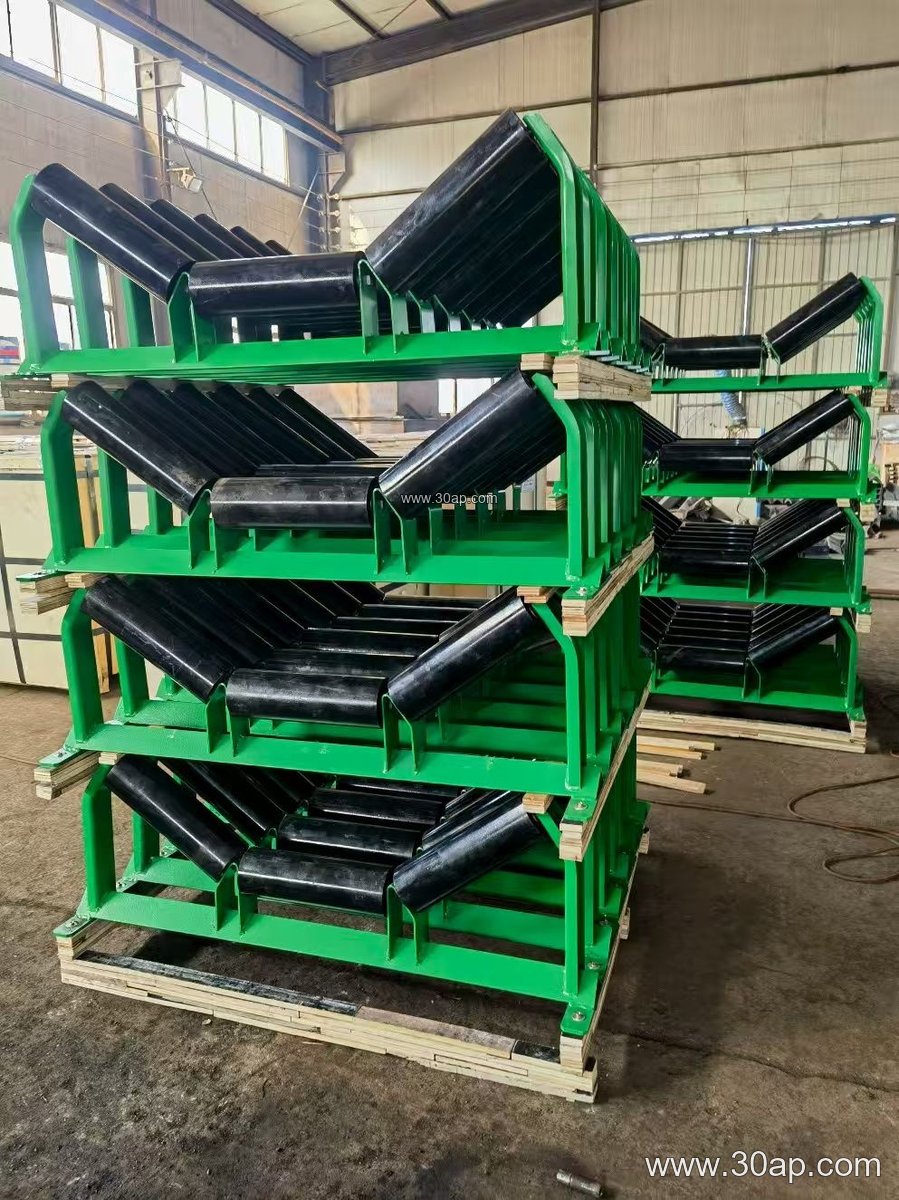
Take-up wheel pulleys appear in bulk material handling across many industries. In a limestone mine or a cement plant, they help maintain belt tension on long overland conveyors. In a coal washing plant or a power plant coal yard, the pulley compensates for belt stretch and keeps the conveyor belt running smoothly. Sand and gravel pits, crushing and screening circuits, and port ship-loading facilities also rely on this type of pulley. It is often paired with a heavy-duty conveyor belt or an abrasion resistant conveyor belt to handle abrasive stone and ore. In underground mining, a flame retardant conveyor belt may be used alongside the take-up pulley to meet safety requirements. The pulley works with idler rollers and conveyor brackets to form a complete tensioning station.
Selection and Sizing Notes
Choosing a take-up wheel pulley involves more than matching a belt width to a diameter. The required take-up travel, belt tension, and available space determine the pulley size and the carriage stroke. A common approach is to select a pulley diameter that provides enough belt wrap and minimizes bending stress. The table below lists some reference combinations, but these are examples only and not fixed rules.
| Belt Width | Typical Pulley Face Width | Example Diameter Range | Common Shaft Diameter Range |
|---|---|---|---|
| B800 | ~950 mm | Ø400 to Ø630 mm | Ø80 to Ø120 mm |
| B1000 | ~1150 mm | Ø500 to Ø800 mm | Ø100 to Ø140 mm |
| B1200 | ~1400 mm | Ø630 to Ø1000 mm | Ø120 to Ø160 mm |
| B1400 | ~1600 mm | Ø800 to Ø1250 mm | Ø140 to Ø180 mm |
Lagging thickness is another choice: 8 mm to 20 mm is common, with 10 mm or 12 mm often used for general duty. In dusty or wet conditions, diamond lagging can improve traction. For high-abrasion service, ceramic lagging may be considered, but it is not a universal requirement. The shaft diameter must be calculated from the actual torque and load, not simply copied from a belt width chart.
Buyer Checklist
- Confirm the belt width and the available take-up travel before selecting the pulley diameter.
- Check the conveyor bracket and carriage design to ensure the pulley fits the guide rails.
- Match the lagging type to the material and environment — for example, oil resistant conveyor belt applications may need oil-resistant lagging.
- Verify that the bearing housings and shaft size suit the calculated tension load.
- Consider the belt type in use, such as EP conveyor belt or steel cord conveyor belt, because different belts have different elongation and tension requirements.
For more information on related conveyor components, visit conveyor pulley and conveyor bracket pages. A well-matched take-up wheel pulley helps extend conveyor belt life and reduces downtime in demanding bulk handling operations.