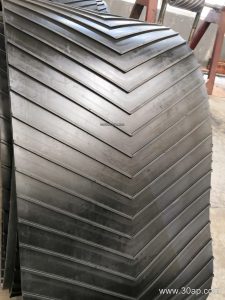
What a Large Drive Pulley Does
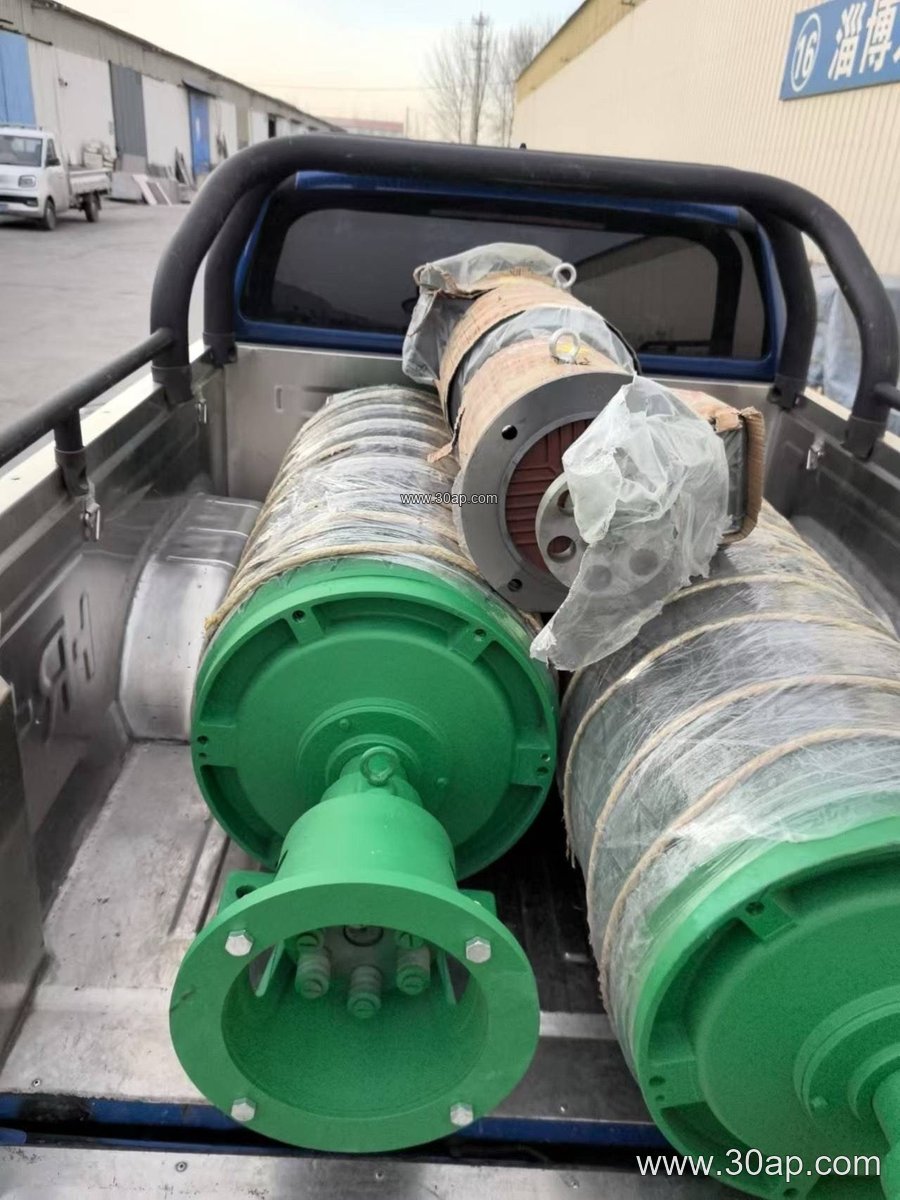
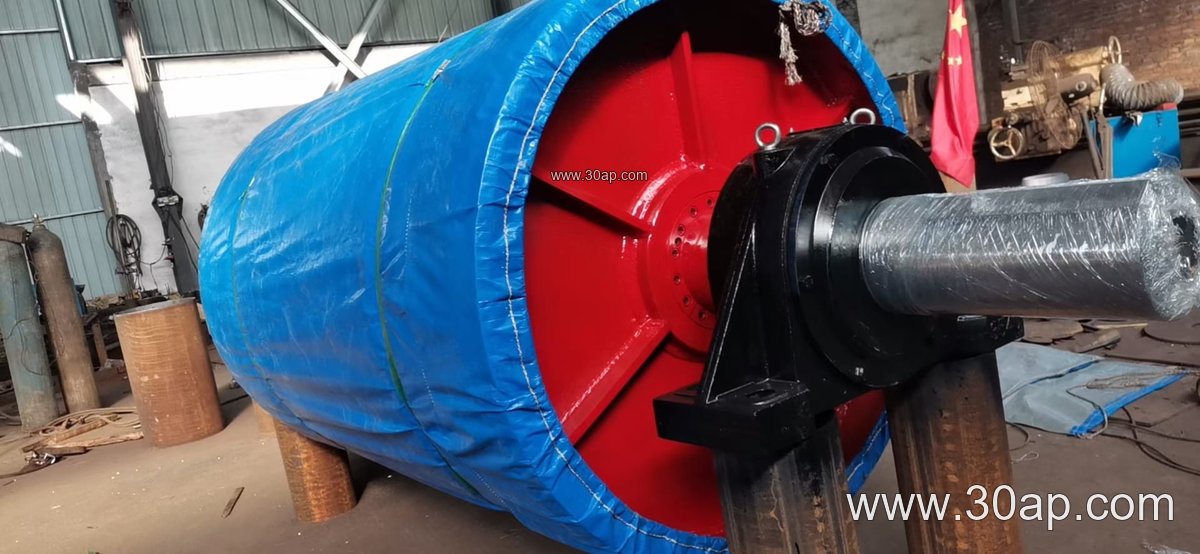
A large drive pulley, sometimes called the head pulley or main drive drum, is the powered drum at the discharge end of a belt conveyor. Its shell grips the conveyor belt, transmits torque from the gearbox or motor, and sets belt speed. Because it carries the full belt tension on the loaded side, it is usually the largest and most heavily built drum on the machine, and its reliability directly affects uptime in quarries, iron ore plants, and power station coal yards.
This drum is not interchangeable with a tail pulley or a bend pulley. Those are non-driven drums that change belt direction or provide take-up; the drive drum is the one that actually pulls. When engineers talk about the drive pulley, they mean the torque-transmitting unit, and that distinction matters when ordering spares.
Construction and Surface Options
The body is normally a rolled steel shell welded to end discs and a shaft hub, then machined for concentricity. Larger units often use a keyed or shrink-fit shaft connection, and the shell may be stress-relieved before finishing. Surface treatment is where most specification decisions happen:
- Plain (smooth) finish for light duty or where a lagging would interfere
- Cast rubber lagging, cold-bonded rubber, or hot-vulcanized rubber for general grip
- Diamond or herringbone grooving to shed water and fines
- Ceramic lagging for wet, abrasive service such as ore and aggregate
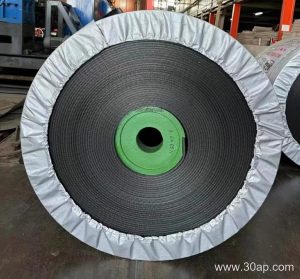
Lagging thickness commonly runs 8, 10, 12, 15, or 20 mm depending on the duty. A drum handling an abrasive iron ore conveyor belt stream will usually need a thicker, harder cover than one running a clean, dry product.
Matching Diameter, Face Width, and Shaft
Diameter is chosen from the belt tension, the number of plies or cord construction, and the wrap angle around the drum. Face width is normally a little wider than the belt so the belt does not run off the edge; a B800 belt typically pairs with a face around 950 mm, and a B1200 belt with roughly 1400 mm. Shaft diameter follows torque and bearing loads, not belt width alone, so a B1000 drum could use Ø120, Ø140, or a larger shaft depending on the drive.
Useful reference combinations include B800 × Ø500, B1200 × Ø1000, and B1400 × Ø800, but these are examples rather than fixed rules. A long, high-tension conveyor may call for a larger drum on the same belt width to keep belt bending stress low and extend belt life. Where space is tight, an electric drive pulley with the motor inside the shell can replace an external gearbox arrangement.
Where It Fits in the Plant
In a limestone quarry or sand and aggregate line, the drive drum sits at the head of the primary discharge conveyor, often with a skirted conveyor belt or chevron belt feeding it. In a coal preparation plant, flame retardant and anti-static belts are common, and the drum lagging should be selected with fire safety and wet conditions in mind. Cement plants and steel sintering lines tend to run hot clinker or sinter, so heat resistant belt grades and heat-tolerant lagging deserve attention. Port bulk terminals handling ship loading duty may run very wide belts, where a large drive pulley with a ceramic surface keeps grip under spray and rain.
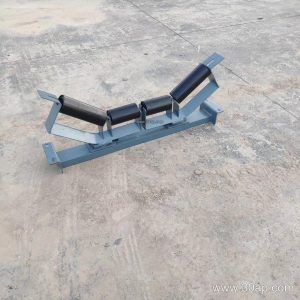
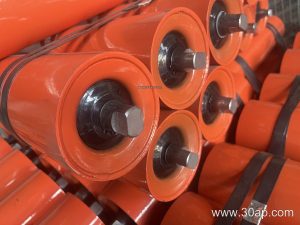
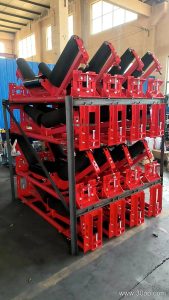
Whatever the site, pair the drum with correctly aligned idler roller sets and sturdy conveyor brackets so the belt tracks squarely and lagging wear stays even. For more on matching drums with belting, see conveyor pulley guidance and our notes on conveyor belt selection.
Buyer Checklist
Before requesting a quotation, confirm the belt width, the required face width, the drum diameter, the shaft diameter and keyway, the bearing type and housing, the lagging pattern and thickness, and the drive arrangement. State the belt type, for example an EP conveyor belt, steel cord conveyor belt, or multi-ply fabric core belt, because cord stiffness affects the minimum drum diameter. Ask for the balancing grade and the runout tolerance, and confirm whether the drum must fit an existing conveyor bracket. Finally, check delivery of the lagging as a separate spare, since re-lagging is a normal maintenance task and a spare shell or replacement cover shortens downtime.