What an Automatic Belt Tracking Idler Does
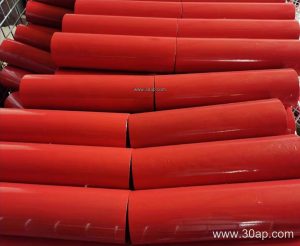
An automatic belt tracking idler is a self-aligning roller assembly that keeps a conveyor belt centered on its path. Instead of relying on manual adjustment of a conveyor pulley or bracket, this idler senses small lateral drift and steers the belt back through its own geometry. In a busy quarry or a coal handling line, a belt that wanders a few centimeters can rub the frame, spill material, and shorten belt life. The automatic belt tracking idler corrects that drift continuously, reducing maintenance calls and downtime.
It is common to see this self-aligning idler paired with a heavy-duty mining conveyor belt or an abrasion resistant conveyor belt in primary crushing circuits, where misalignment caused by uneven loading is a daily issue.
How the Self-Aligning Roller Is Built
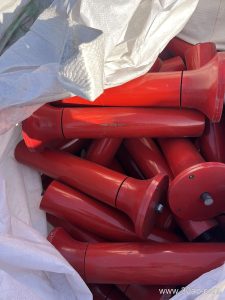
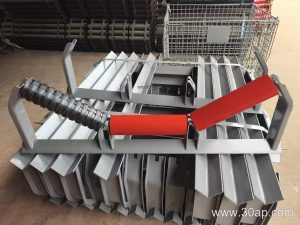
The assembly usually consists of two or three rollers mounted on a pivoting frame. A vertical pivot axis lets the whole group swing slightly when the belt contacts one side. Friction or tapered roller shapes then generate a small turning force that nudges the belt back toward the center. Key parts include:
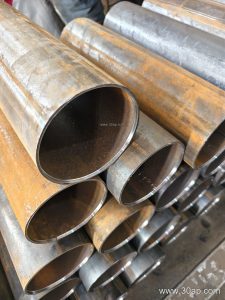
- Roller shell in steel tube, nylon, or rubber ring surface
- Sealed bearings, often 6204, 6205, 6305, or 6308 depending on roller diameter
- Pivot shaft, bracket, and stopper pins
- Optional rubber disc rings for impact absorption
Roller diameters for tracking idlers commonly range from Ø63 mm up to Ø159 mm, and larger sizes such as Ø178 mm or Ø194 mm appear on wide belts. The correct shaft size is determined by load and design, not by belt width alone.
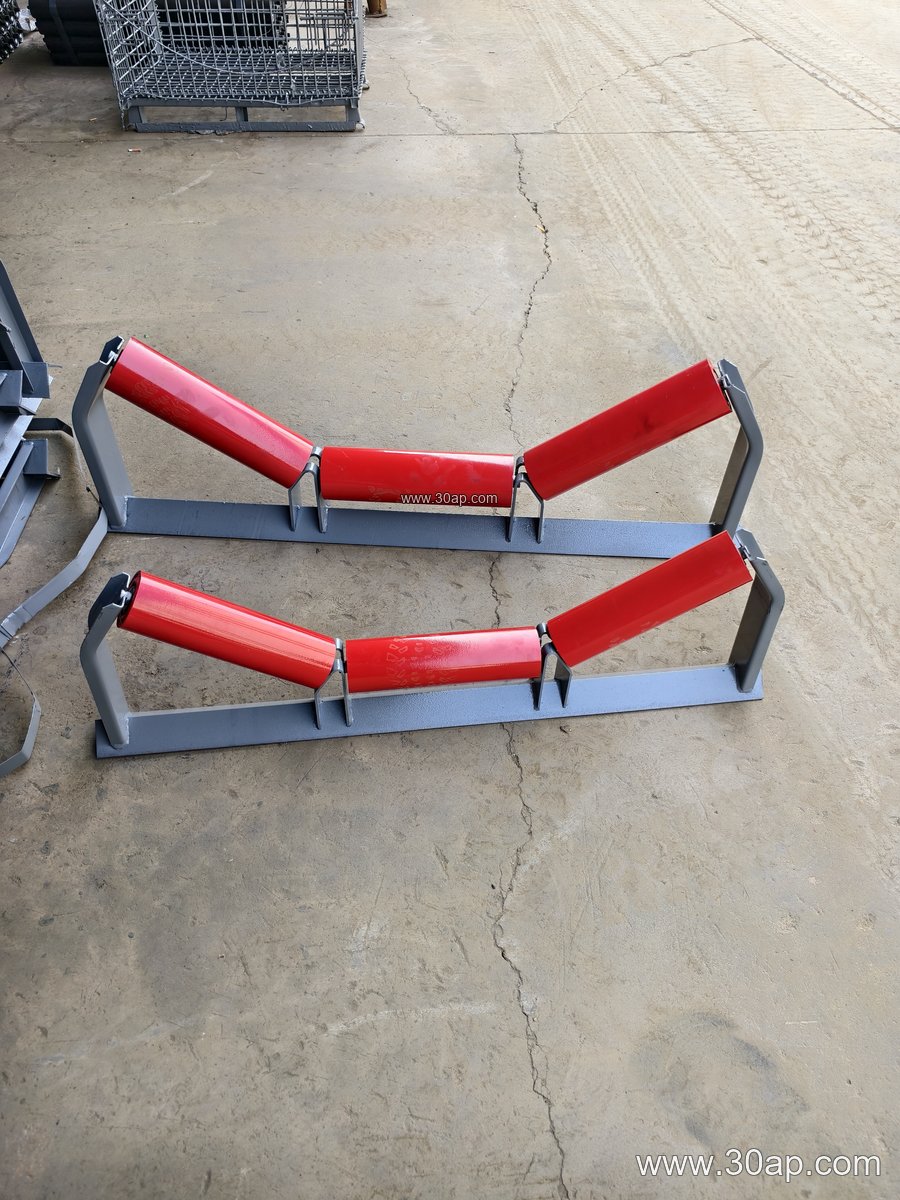
Where It Fits on the Conveyor
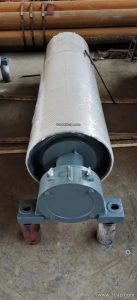
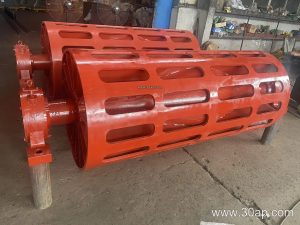
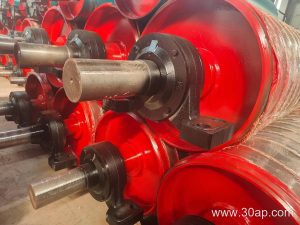
Tracking idlers are usually installed on the carrying side, close to the tail pulley or after a loading point. In a limestone mine or a cement plant, the return strand may also use a V-type or flat return idler for support, but those are not automatic tracking units. The self-aligning version is a distinct subtype, and it should not be confused with a drive pulley, tail pulley, or bend pulley, which serve different roles in power transmission and direction change.
Typical industries include sand and gravel plants, iron ore and copper ore handling, power plant coal conveying, steel sintering lines, and port ship loading. A fabric core conveyor belt such as an EP conveyor belt or NN conveyor belt benefits from steady tracking because edge damage is reduced. In underground coal mining, a flame retardant conveyor belt combined with reliable tracking idlers improves safety along the drift.
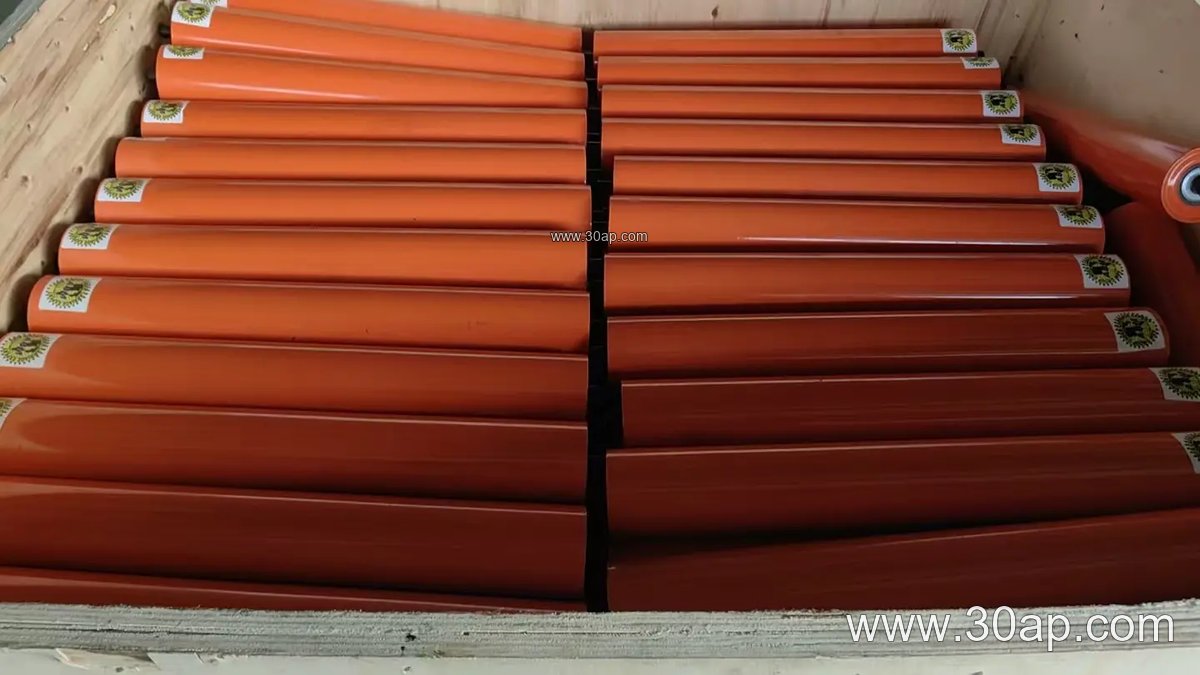
Common Sizes and Configuration Notes
The table below shows typical reference values, not fixed supply promises. Final dimensions depend on belt width, trough angle, and frame design.
| Belt width | Common roller length (three-roll trough) | Typical roller diameter |
|---|---|---|
| B500 | about 200 mm | Ø63 to Ø89 mm |
| B650 | about 250 mm | Ø76 to Ø108 mm |
| B800 | about 315 mm | Ø89 to Ø127 mm |
| B1000 | about 380 mm | Ø108 to Ø133 mm |
| B1200 | about 465 mm | Ø108 to Ø159 mm |
| B1400 | about 530 mm | Ø127 to Ø159 mm |
| B1600 | about 600 mm | Ø133 to Ø178 mm |
| B1800 | about 670 mm | Ø159 to Ø194 mm |
| B2000 | about 750 mm | Ø159 to Ø219 mm |
Trough angles of 20, 30, 35, and 45 degrees are common. A slight forward tilt of about 1.5 to 2 degrees is sometimes used in self-aligning designs to improve correction. Side rollers and center rollers can differ in length, so a single belt width does not lock in one roller dimension.
Buyer Checklist
Before ordering, confirm the belt width, trough angle, and mounting bracket pattern. Ask whether the idler will run under a rubber conveyor belt, a steel cord conveyor belt, or a chevron conveyor belt, since surface profile affects contact. Check bearing sealing for dusty or wet conditions, and verify that the pivot mechanism moves freely. For high-impact loading zones, a rubber ring version may suit better than a plain steel roller. Keep spare bearings and stopper pins on hand, because a stuck pivot defeats the whole tracking function.
A well-chosen automatic belt tracking idler is a small investment that protects the belt, the conveyor pulley, and the frame. Matching it to the actual belt and load conditions is what makes the self-aligning action work day after day.