What a Coal Conveyor Pulley Does
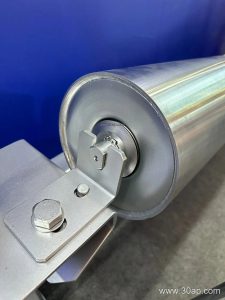
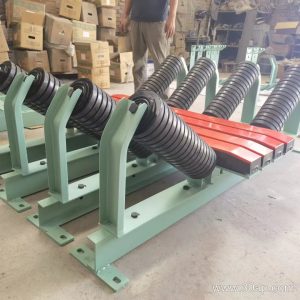
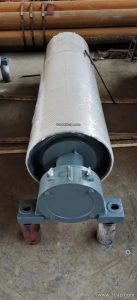
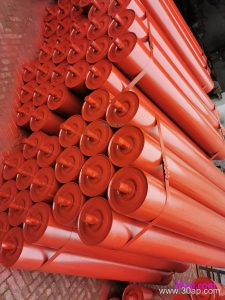
A coal conveyor pulley is the rotating drum that drives, tensions, or redirects the belt on a bulk handling conveyor. In a coal handling system, the head or drive pulley transmits torque to the conveyor belt, while the tail pulley at the loading end and the bend or take-up pulleys keep the belt tracking and tensioned. This component is sometimes called a conveyor drum or belt pulley, and it is distinct from the idler roller that simply supports the belt along the carrying run. Getting the pulley specification right matters because a coal stream is heavy, abrasive, and often wet or dusty, and a poorly matched drum can cause belt slip, premature cover wear, or shaft fatigue.
Construction and Surface Options
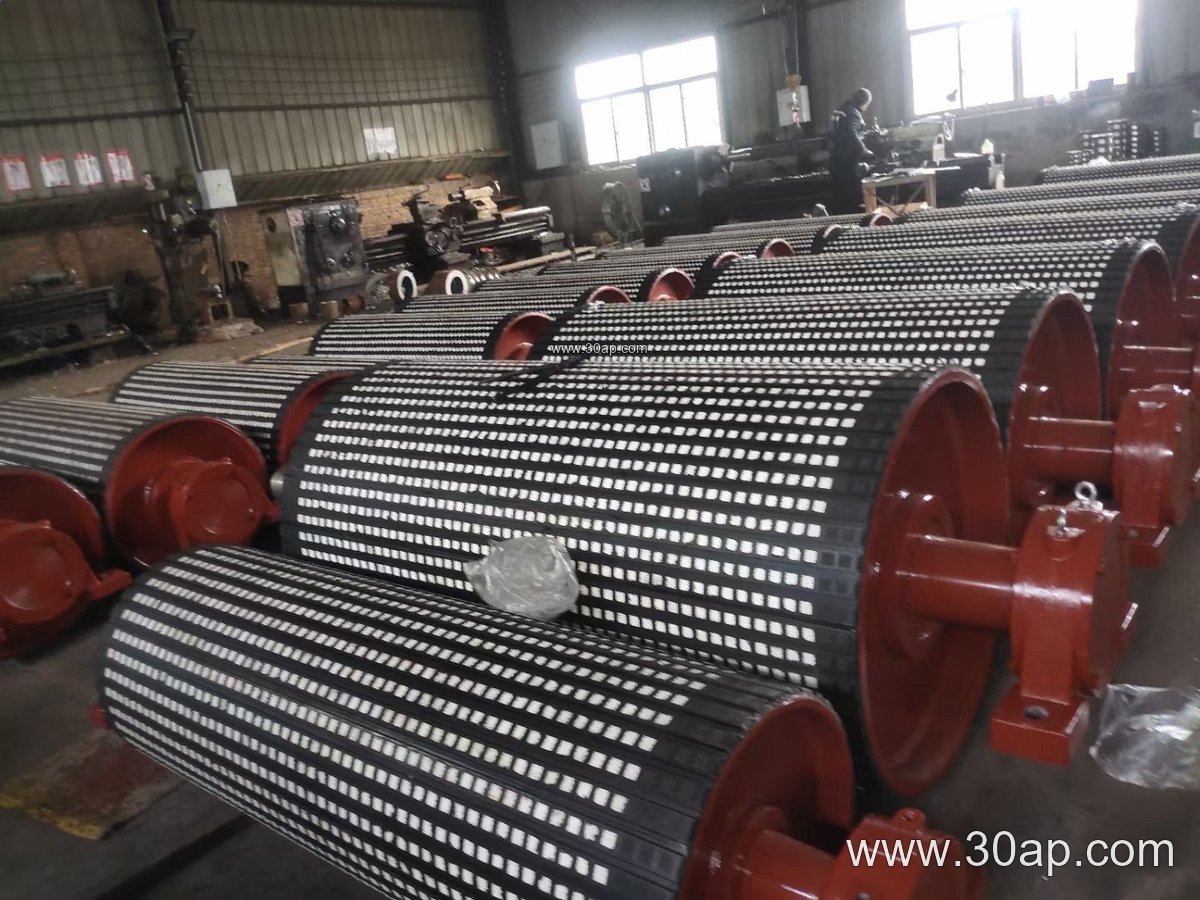
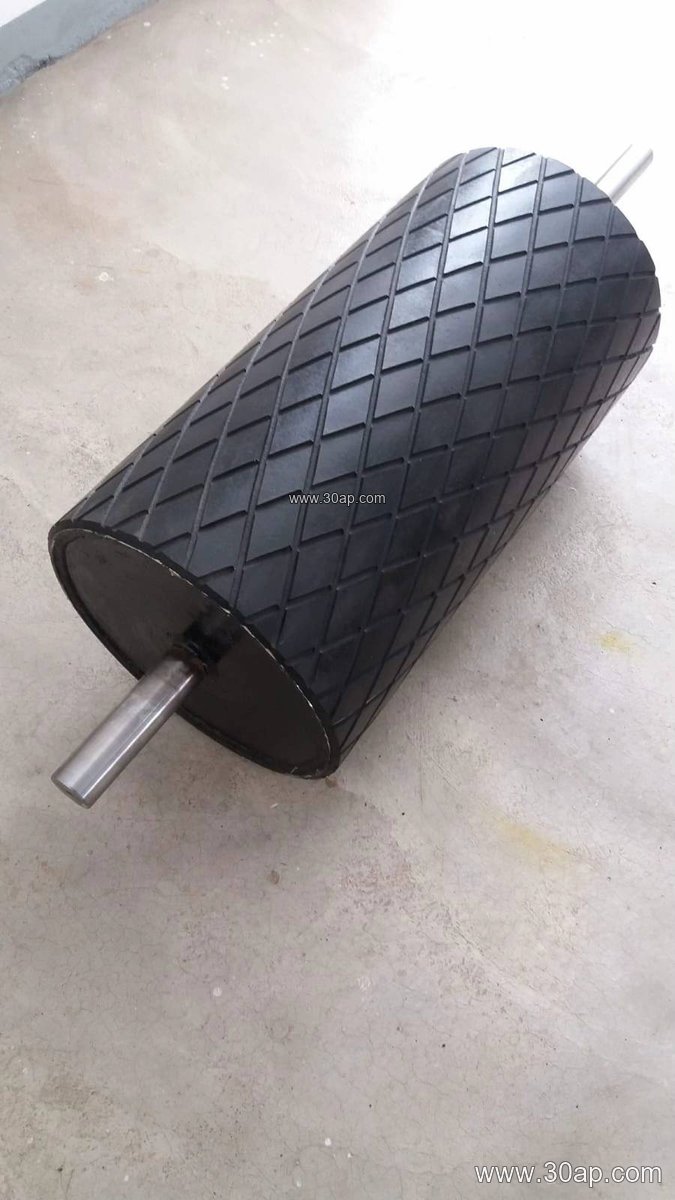
Most coal conveyor pulleys are built around a welded steel shell with end discs and a shaft, and the shaft is sized by torque and radial load rather than by belt width alone. The shell surface may be plain, or it may carry a rubber or ceramic lagging to improve grip. Common lagging forms include flat rubber, diamond grooved rubber, herringbone rubber, and ceramic tile. Lagging thickness is often 8, 10, 12, 15, or 20 mm, selected according to the duty. In coal preparation plants and power station coal yards, a flame retardant conveyor belt is typically used, and the pulley lagging should be chosen with the same fire and antistatic awareness in mind.
Common Dimensions and Combinations
The table below shows reference values that appear in project specifications. They are common starting points, not fixed pairings, and the final diameter and shaft diameter depend on belt tension, wrap angle, and drive power.
| Reference item | Typical values |
|---|---|
| Belt width | B500, B650, B800, B1000, B1200, B1400, B1600, B1800, B2000 |
| Pulley diameter | Ø250, Ø315, Ø400, Ø500, Ø630, Ø800, Ø1000, Ø1250 |
| Shell face width | About 600 mm for B500, 950 mm for B800, 1150 mm for B1000, 1400 mm for B1200, 1600 mm for B1400 |
| Shaft diameter | Ø60, Ø80, Ø100, Ø120, Ø140, Ø160, Ø180, Ø200 |
| Lagging thickness | 8, 10, 12, 15, 20 mm |
Useful combinations such as B800 × Ø500, B1200 × Ø1000, or B1400 × Ø800 appear in real layouts, but no single belt width locks the drum to one diameter. A long overland conveyor may need a larger drum for the same belt width than a short transfer conveyor.
Where It Fits in the Plant
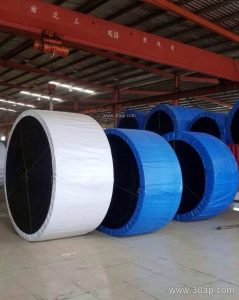
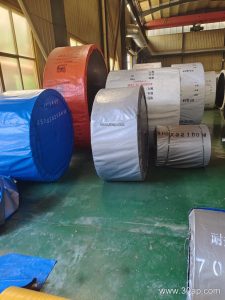
In a coal-fired power plant, the coal conveyor pulley at the head end discharges into a crusher house or bunker, and the tail pulley sits below the receiving hopper. In a coal preparation plant or washing plant, bend and take-up pulleys route the belt around tight structures, and the surface finish needs to handle fine coal slurry. In a port coal terminal, large drive pulleys handle high tonnage and long belts, often paired with a steel cord conveyor belt or a heavy-duty fabric core belt. The same hardware appears in cement plants moving clinker, in quarries feeding a crusher conveyor belt, and in sand and gravel lines where an abrasion resistant conveyor belt is standard.
Matching the Pulley to the Belt and Structure
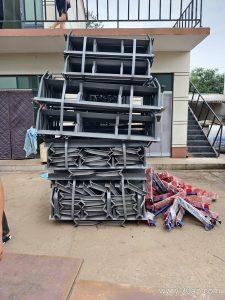
The drum does not work alone. Its diameter should be large enough for the belt carcass to flex without delamination, which is especially important with a multi-ply fabric core conveyor belt or a thick rubber conveyor belt. The pulley is mounted on a conveyor bracket or frame, and alignment between the drum, the idler roller sets, and the belt centerline controls whether the belt trains correctly. Drive pulleys usually carry the highest tension and need the strongest shaft and bearing arrangement; tail and bend pulleys see lower torque but still need adequate lagging to avoid slip when the belt is wet.
Buyer Checklist
- Confirm the belt width and the required face width, since the shell is normally wider than the belt.
- State the application duty: coal, clinker, ore, or aggregate, and whether dust or water is present.
- Choose the lagging surface for grip and wear, not just by habit; diamond or ceramic lagging suits high-slip drives.
- Provide belt tension and drive power so the shaft diameter can be calculated rather than guessed.
- Check bearing type, sealing, and lubrication access for the mounting position.
- Plan inspection of lagging wear, shell cracks, and shaft keyways as part of routine maintenance.
A well specified coal conveyor pulley keeps the belt running true from the receiving hopper to the discharge point, and it is one of the least expensive components to get right at the design stage. For related belt and roller selection, visit conveyoridler.com for conveyor pulley and drum references.