What a Heavy-Duty Steel Conveyor Bracket Does
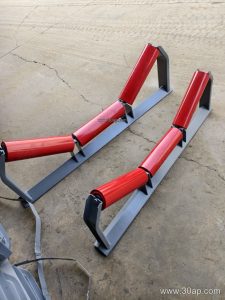
A heavy-duty steel conveyor bracket is the structural support that holds the idler rollers in the correct position under the conveyor belt. It carries the weight of the belt, the material and the rollers, and it keeps the trough shape stable along the whole run. In a quarry, a cement plant or a power plant coal yard, this bracket is often the quiet component that decides whether the belt tracks well or wanders.
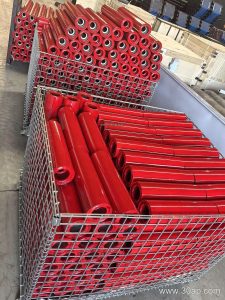
The bracket is not a single part. It usually comes as a set of cross beams, mounting plates, angle pieces and fixing holes that match the belt width and the trough angle. When buyers talk about a conveyor bracket, they often mean the complete idler frame assembly rather than one bent steel plate.
How the Bracket Is Built
Most heavy-duty brackets are made from angle steel, channel steel or folded steel plate. The material choice affects stiffness and corrosion behaviour more than appearance. A folded plate bracket can give a clean profile and good rigidity, while a channel steel frame is common where impact loads from large lumps are expected.
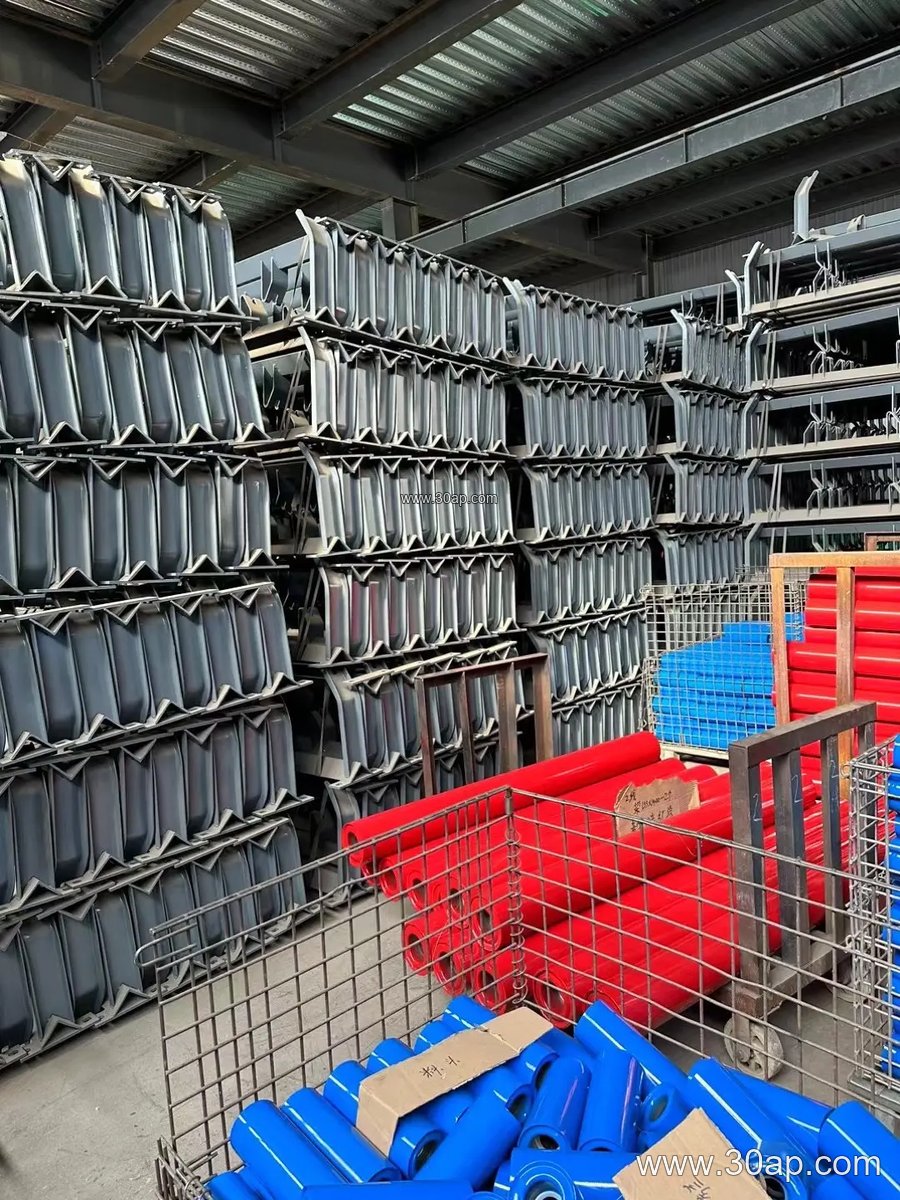
Typical build features include:
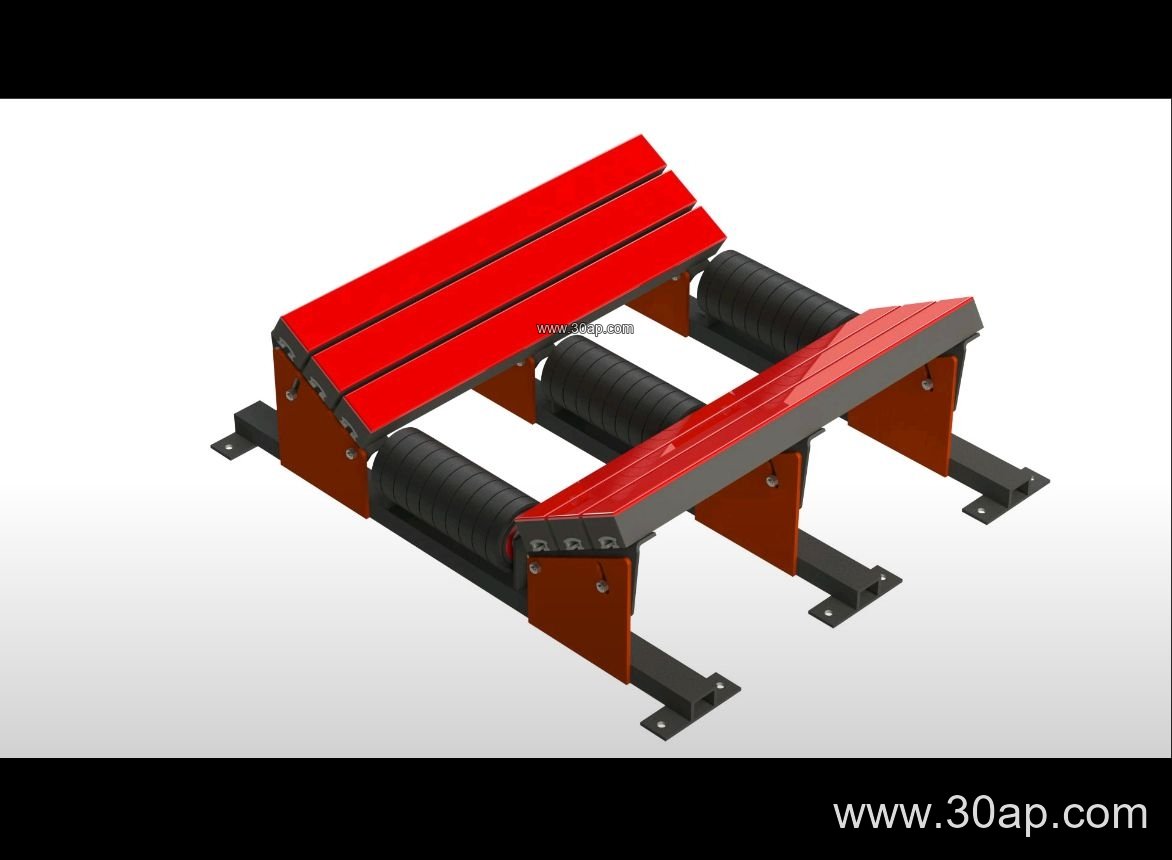
- Welded or bolted cross beams sized to the belt width.
- Trough angle formed by the bracket geometry, often 20, 30, 35 or 45 degrees.
- Mounting slots that allow adjustment during installation.
- Reinforced ends where the bracket meets the main conveyor frame.
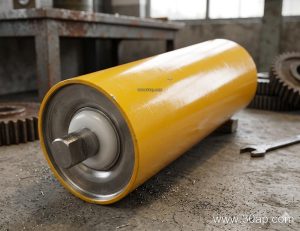
The bracket must match the roller diameter and the shaft end fixing. For example, a B800 frame with a 35 degree trough may use Ø108 rollers, while a wider B1200 line may run 45 degrees with Ø133 rollers. These are common combinations, not fixed rules, because the final choice depends on belt speed, load and design.
Where It Fits on the Conveyor
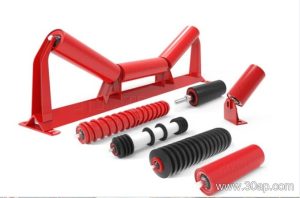
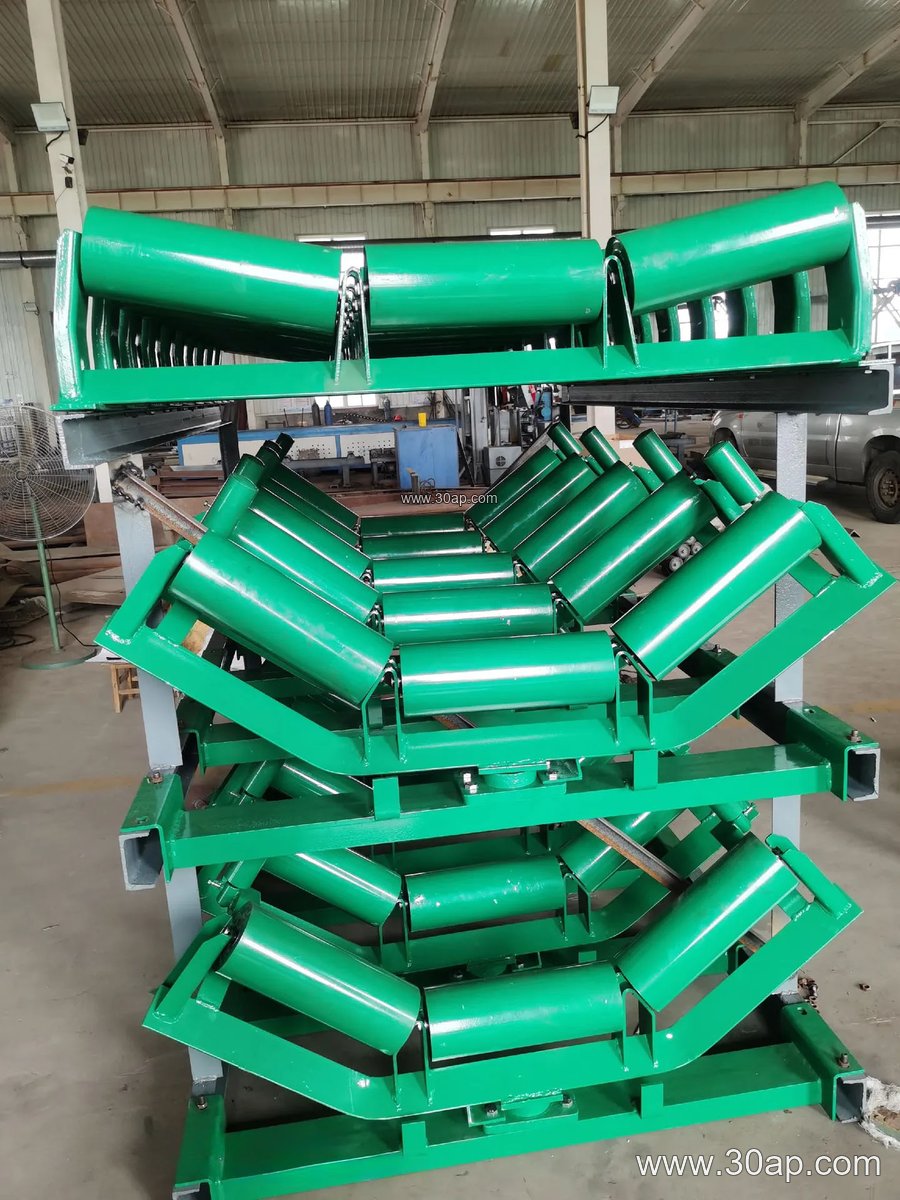
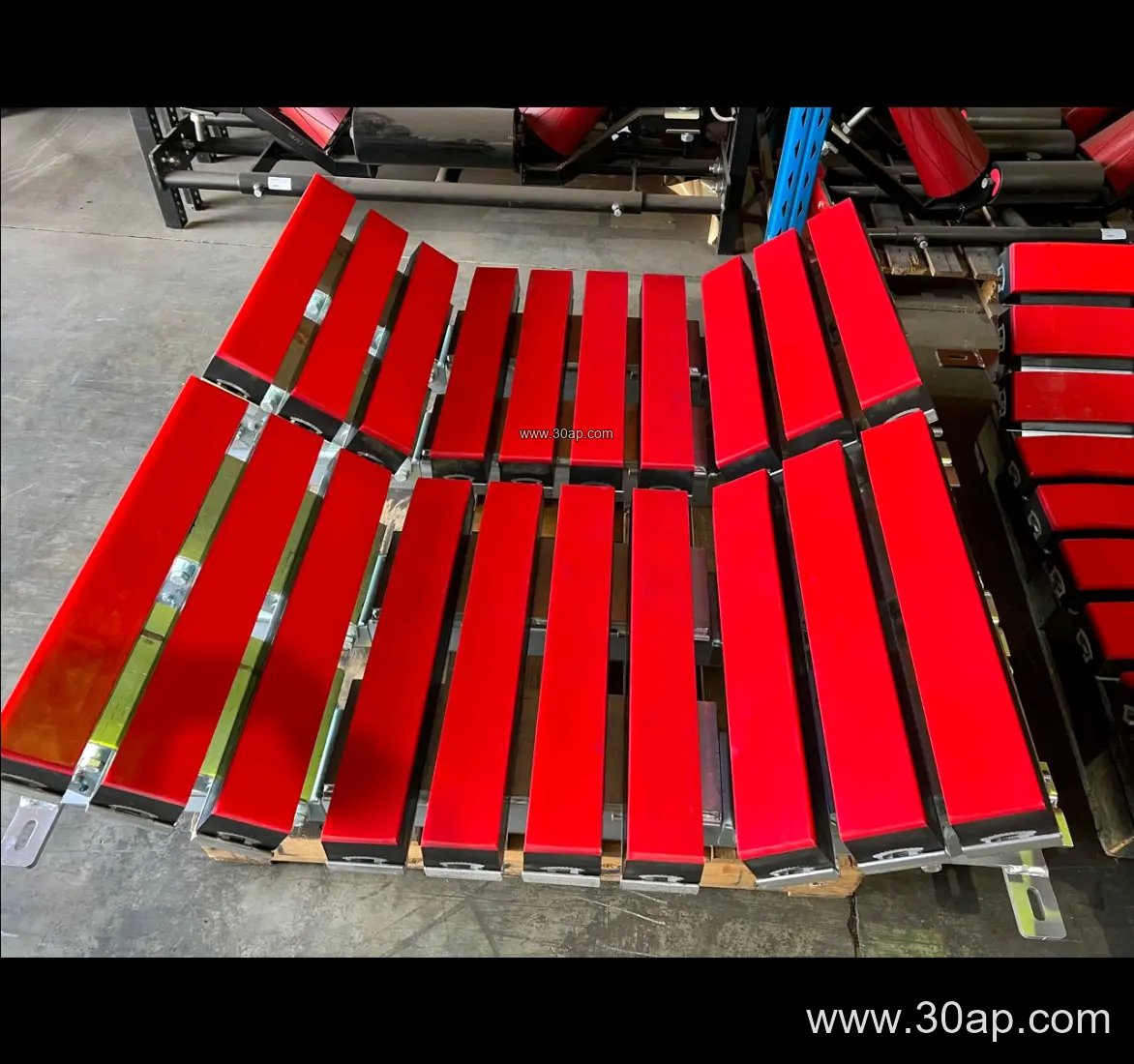
Brackets appear at several points along a conveyor. Carry-side brackets hold the troughing idlers that shape the belt. Return-side brackets support the lower run, and a V-return bracket helps centre the belt on the way back. Transition brackets sit near the head or tail and guide the belt from flat to troughed. Impact brackets are used under loading points where rock or ore drops onto the belt.
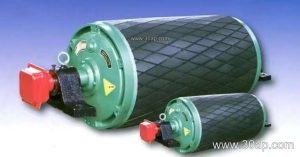
The bracket works together with the conveyor pulley at the drive and tail ends, the idler roller along the run, and the conveyor belt itself. A correct bracket does not fix a misaligned pulley, and a good pulley cannot compensate for a weak frame. The whole system has to line up.
Applications Across Heavy Industries
In a limestone quarry or a sand and gravel line, brackets support troughing idlers under abrasive rock. In a coal washing plant, flame retardant conveyor belt and anti-static belt are common, and the bracket frame must be sturdy enough for wet, dusty conditions. Cement plants use brackets on clinker and raw meal lines, while power plant coal handling relies on them for continuous duty. Port terminals and steel plants also use heavy frames where belt widths reach 1400 mm, 1600 mm or more.
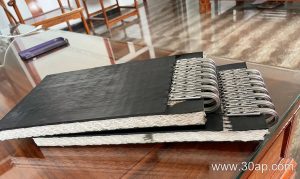
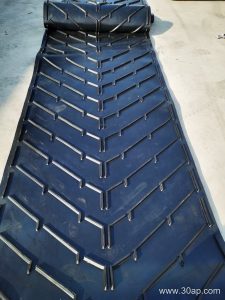
Different belts place different demands on the frame. A steel cord conveyor belt is stiff and heavy, so the bracket spacing and roller diameter need careful review. A multi-ply fabric core belt or an EP conveyor belt is more flexible but still needs stable troughing. Chevron and corrugated sidewall belts may need extra clearance around the bracket, and a pipe conveyor belt has its own frame geometry entirely.
Choosing the Right Bracket
Buyers should start with the belt width, the trough angle and the roller diameter, then confirm the mounting hole spacing with the conveyor frame drawing. A fixed bracket is simple and strong; an adjustable bracket allows the trough angle to be changed within a range, which helps during commissioning or when the belt load changes. Forward-tilted brackets, often around 1.5 to 2 degrees, can help belt tracking but should not be used everywhere without thought.
Ask for the steel grade, the surface treatment and the welding quality. Check that the bracket suits the actual roller shaft, not just the nominal roller diameter. For a mining conveyor belt carrying iron ore or copper ore, impact resistance and frame stiffness matter more than a light profile. For a food grade or cold resistant belt line, the environment may call for a different coating or material finish.
Installation and Maintenance Notes
Install brackets square to the conveyor centreline and keep the cross beams level across the frame. Tighten fixings evenly, then check that the idlers rotate freely. During service, watch for loose bolts, bent beams and worn mounting slots. A bracket that has shifted can cause the belt to run off and damage the edge. Replacing a damaged bracket early is cheaper than replacing a torn belt.
Whether the line handles coal, clinker, crushed stone or fertiliser, the heavy-duty steel conveyor bracket is a small but critical link between the belt and the structure. Match it to the belt width, the roller size and the trough angle, and it will keep the conveyor running straight for years.