What a Cement Plant Conveyor Belt Has to Handle
A cement plant conveyor belt operates in one of the harshest material handling environments in heavy industry. Limestone, clinker, gypsum, slag, and cement powder move through crushers, preheater towers, kiln areas, and packing lines, often at high tonnage and over long distances. The belt must resist abrasion from sharp-edged rock, tolerate heat from clinker that has not fully cooled, and keep dust from becoming a fire risk in enclosed galleries. That combination is why cement plant operators rarely treat a belt as a generic item; it is selected for each duty point.
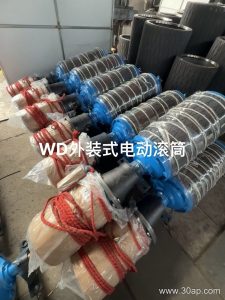
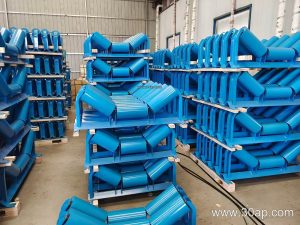
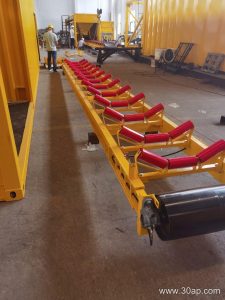
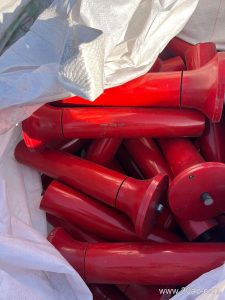
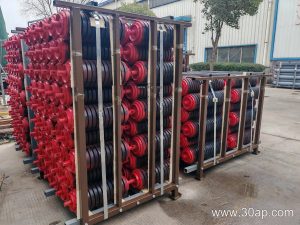
The same conveyor system also relies on conveyor pulleys, idler rollers, and conveyor brackets to keep the belt tracking and tensioned correctly. The belt is the wear part, but its service life depends on the whole conveyor line working together.
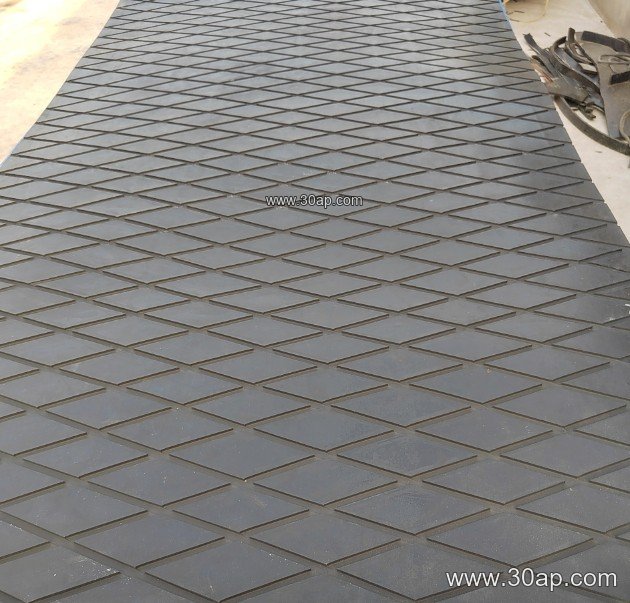
Construction of the Belt
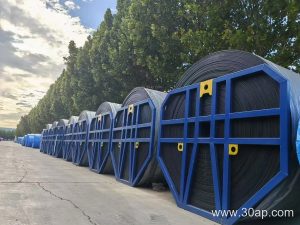
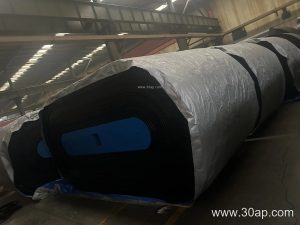
Most belts used in cement handling are fabric-core or steel cord constructions. An EP conveyor belt uses polyester warp and nylon weft, giving low elongation and good troughability. NN conveyor belts use nylon in both directions and offer high flexibility. Steel cord conveyor belts carry very high tension over long haul distances, which suits main line conveyors from the quarry to the plant. A multi-ply fabric core conveyor belt is common in medium-duty transfer points.
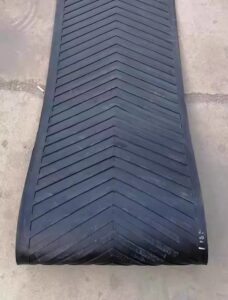
The cover compound matters as much as the carcass. An abrasion resistant conveyor belt with a thick top cover handles limestone and clinker drop points, while a heat resistant conveyor belt is used where material temperature is elevated, such as clinker transport. Flame retardant and anti-static grades are often specified for underground or enclosed coal and dust environments. A rubber conveyor belt with a smooth cover remains the standard choice for many cement plant runs, with chevron or corrugated sidewall forms used where the incline is steep or material must be contained.
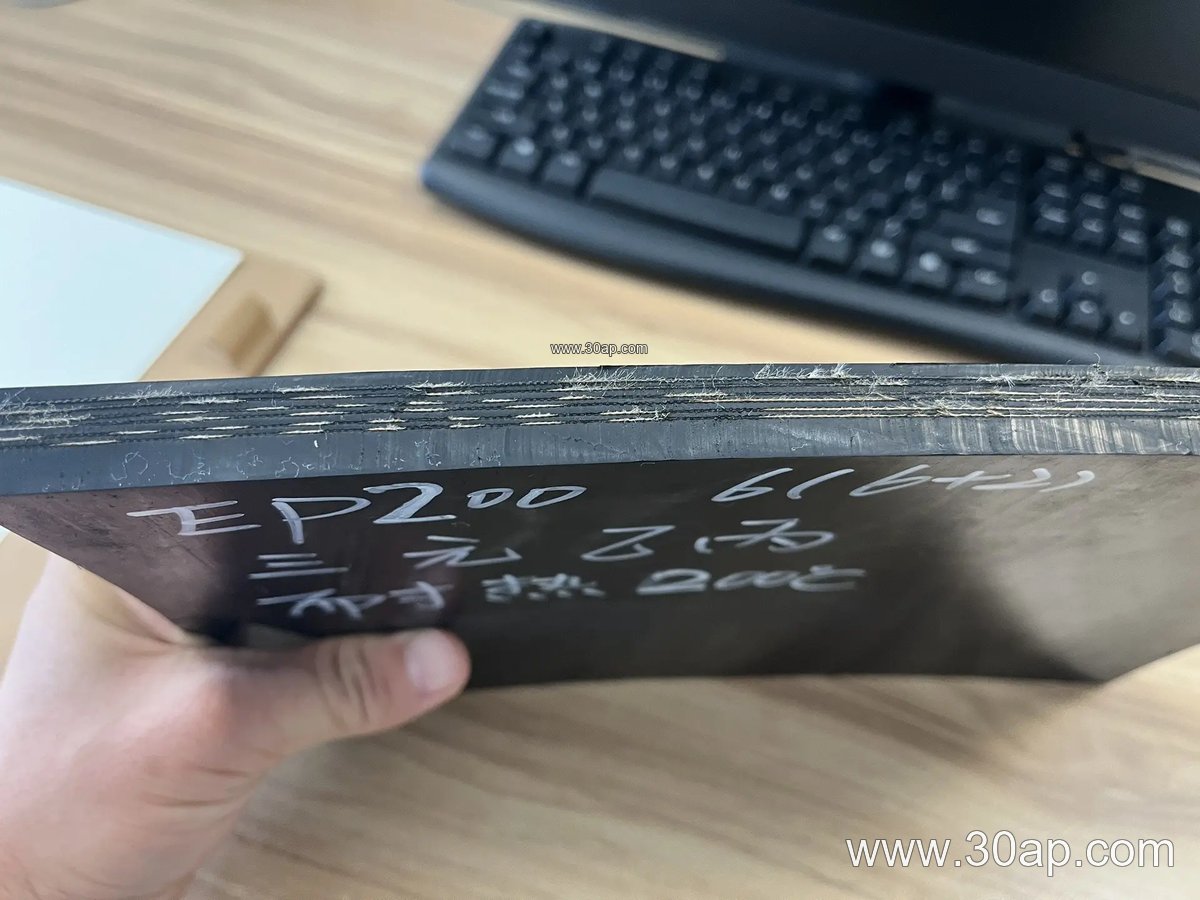
Typical Reference Data
Values below are common reference ranges, not universal specifications. Final belt construction is confirmed by the conveyor design and the belt supplier.
- Fabric core grades: EP200, EP315, EP400, EP500, EP630, EP800, EP1000, EP1250, EP1600
- Steel cord grades: ST1000, ST1250, ST1600, ST2000, ST2500, ST3150
- Belt widths: B500, B650, B800, B1000, B1200, B1400, B1600, B1800, B2000
- Cover thickness examples: 4+2 mm, 5+2 mm, 6+2 mm, 8+3 mm
- Carcass plies: usually 2 to 6 layers depending on duty
Where It Is Used Across the Plant
Cement plants share belt requirements with quarry conveyor belts, aggregate conveyor belts, and crusher conveyor belts. Raw material receiving, crushing, and storage yards see sharp rock and heavy impact, so an impact resistant or high abrasion resistant grade is often considered. The raw mill feed and kiln feed lines may use heat resistant belts if material temperature is a concern. Clinker transport is the most demanding section, where a heat resistant conveyor belt with adequate cover thickness protects the carcass.
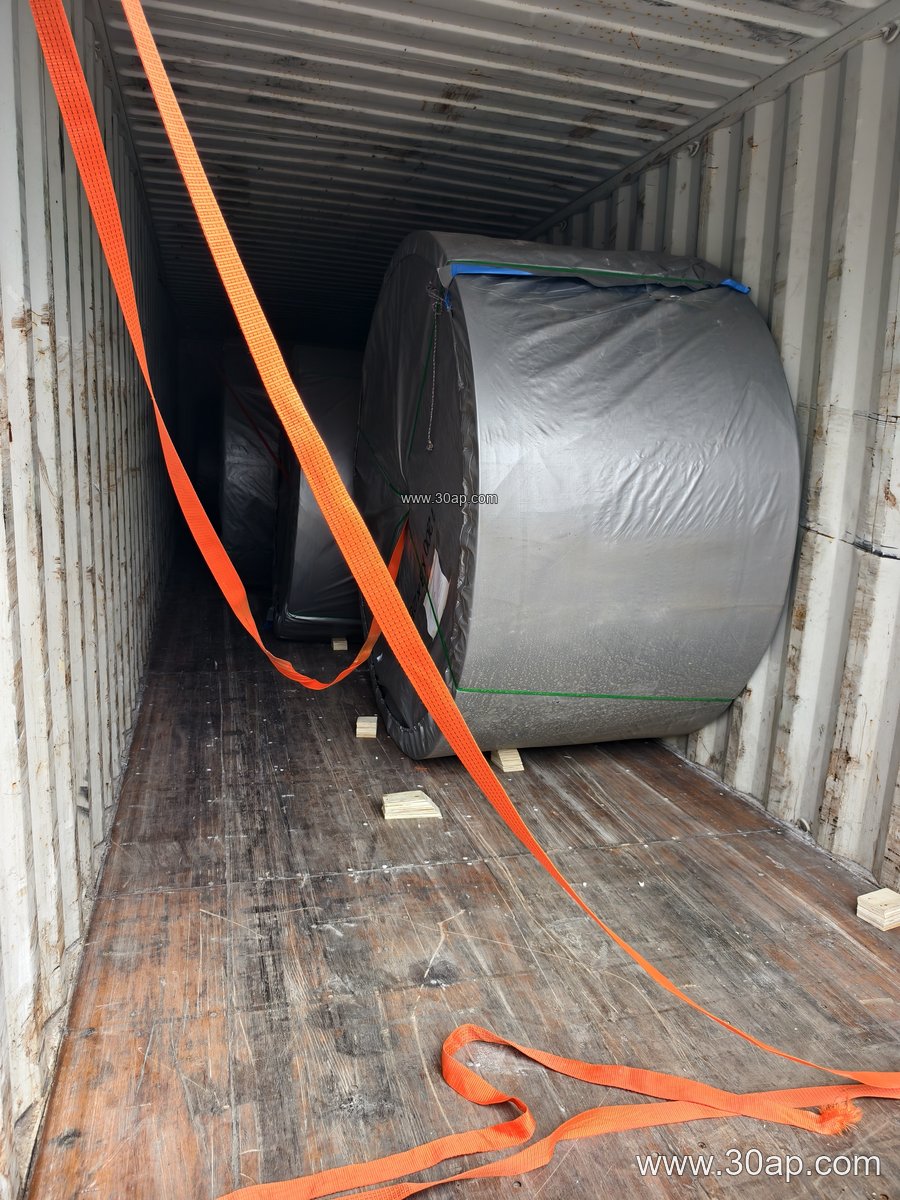
Coal and alternative fuel handling may require a flame retardant conveyor belt or a fire resistant conveyor belt, especially in enclosed coal mills and storage areas. Cement powder and fly ash handling favor belts that resist fine dust and keep a stable track. In some plants, a pipe conveyor belt is used for dusty or sensitive routes to prevent spillage and dust emission. Similar belt families also appear in power plant conveyor belts, steel plant conveyor belts, and ship loading conveyor belts, so spare parts and maintenance practices often overlap.
Buyer Checklist
Before ordering a cement plant conveyor belt, confirm the material type, lump size, temperature, and whether the belt runs on an incline. Check the conveyor pulley diameters and idler roller spacing, because belt stiffness and troughability must match the existing line. Review the required cover grade and whether flame retardant or anti-static properties are needed. Confirm belt width and carcass grade against the conveyor design rather than copying a neighboring line.
Ask for the belt splice method, since an endless conveyor belt on a critical line may reduce downtime. Keep spare idler rollers, conveyor pulleys, and conveyor brackets in the maintenance plan alongside belt stock. A belt that suits one transfer point may be wrong for a kiln discharge, so duty-specific selection remains the safest approach. Buyers at www.hnconveyorbelt.com often compare EP and steel cord options before finalizing, and a clear specification of width, grade, cover thickness, and environment is the best starting point.