What an Assembled Pulley Is
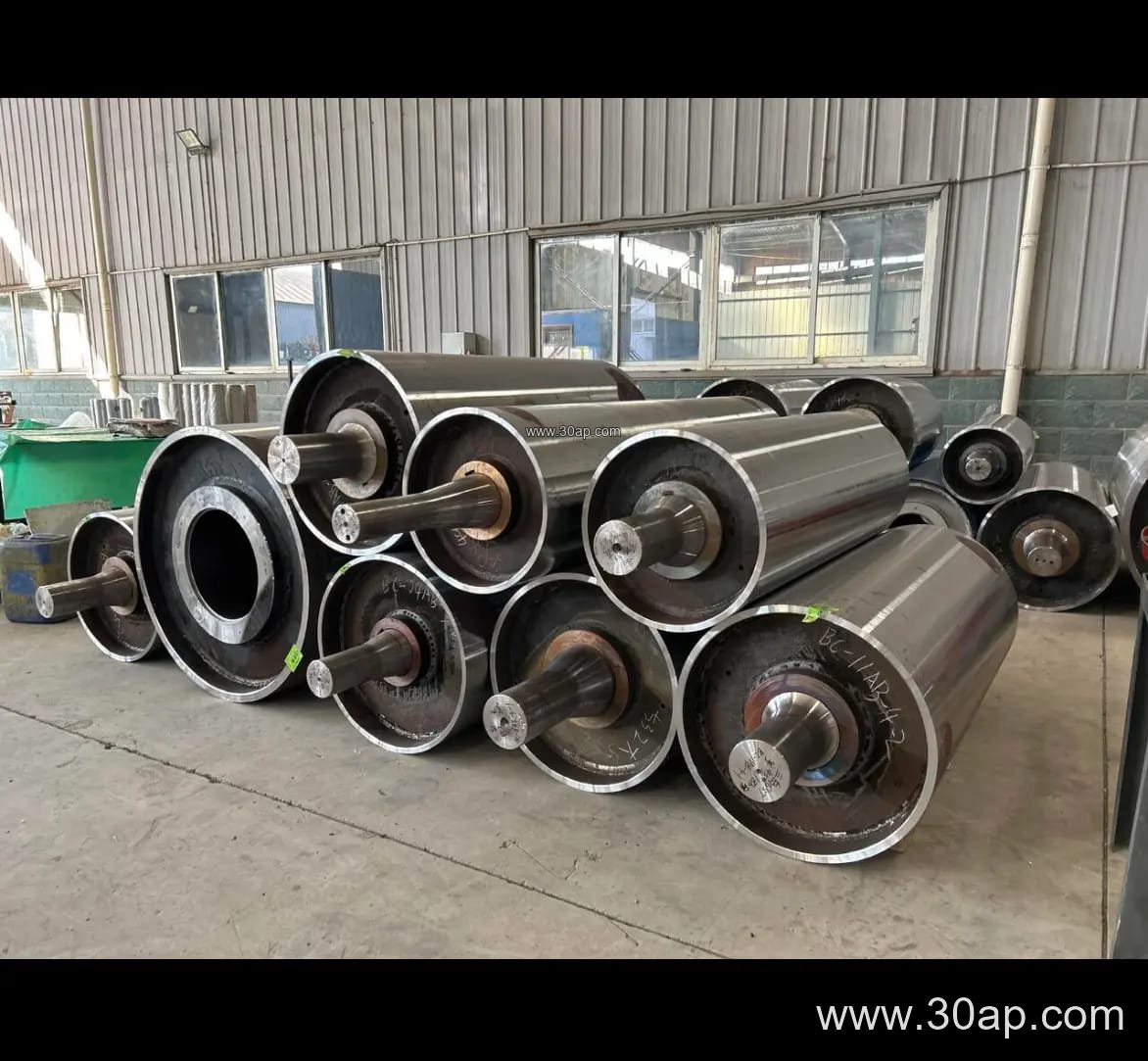
An Assembled Pulley is a complete, ready-to-mount conveyor pulley that arrives with the shell, shaft, hubs, bearings, and locking elements already put together. Instead of sourcing individual components and pressing them on site, maintenance teams receive a single unit that can be lifted into the conveyor frame and aligned. In bulk material handling, this pre-assembled approach reduces downtime and helps ensure that the pulley runs true from the first start. You will hear it called a pre-assembled conveyor pulley or a fully assembled drum pulley; both refer to the same finished assembly.
How It Is Built
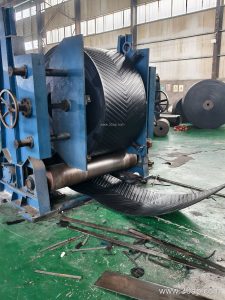
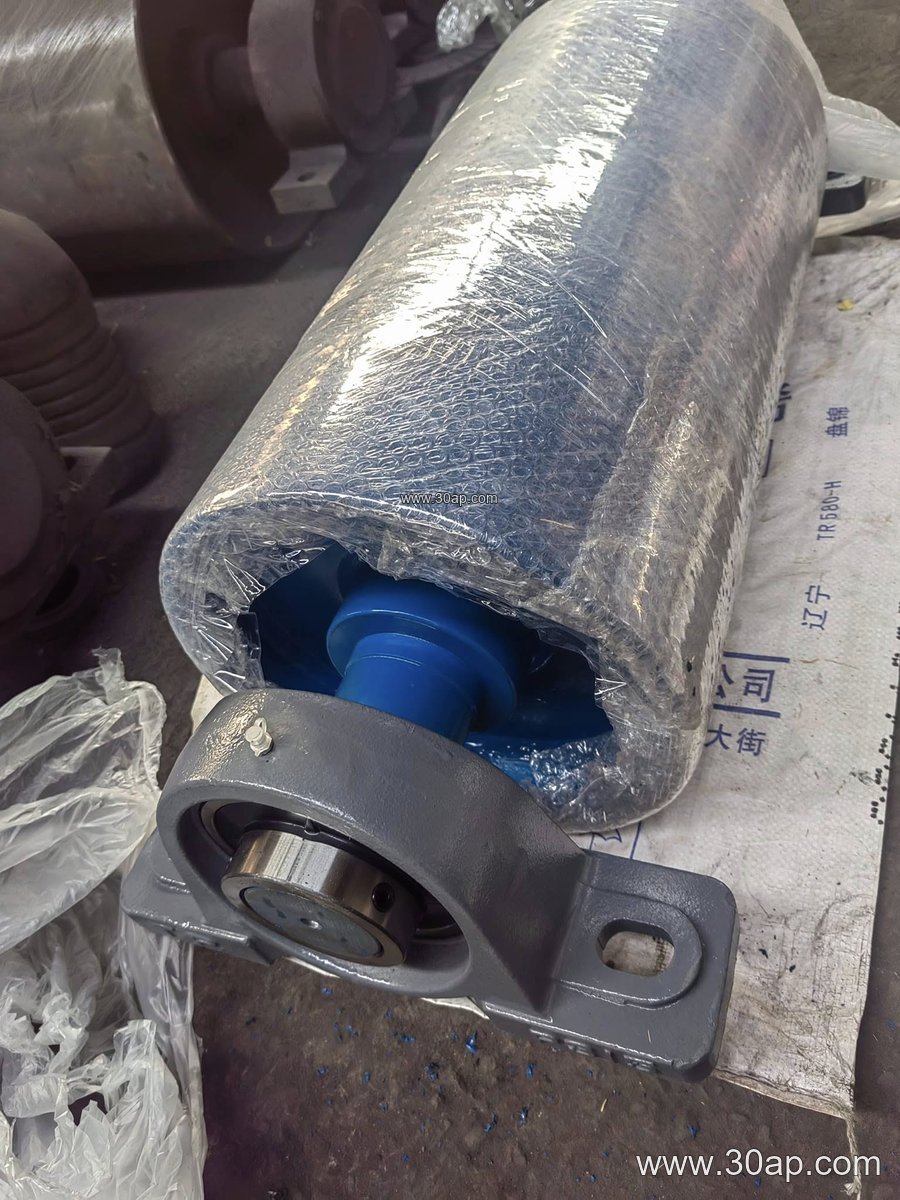
The typical build starts with a steel shell, which may be machined and then covered with a lagging layer. Common surface forms include plain finish, hot-vulcanized rubber, cold-bonded rubber, diamond grooving, herringbone grooving, and ceramic tiles. Lagging thickness often falls in the 8–20 mm range, depending on the duty. The shell is welded to end discs and hubs, then fitted to a shaft. Bearings may be housed in pillow blocks or integrated into the end caps, and the whole unit is balanced before shipment.
Because the assembly is completed under controlled conditions, concentricity and runout are easier to hold than with field assembly. That matters on high-tension conveyors where a small misalignment can shorten bearing life or cause belt tracking problems.
Where It Fits on the Conveyor
An assembled pulley can serve several positions, but the position dictates the design details. A drive pulley transmits torque and usually carries the heaviest lagging; a tail pulley guides the return belt and may use a plain or lightly lagged surface; a bend pulley changes belt direction without driving; a take-up pulley maintains tension. These roles are not interchangeable, so the specification should always state the position. In a quarry or sand and gravel line, the head pulley often runs with diamond lagging to shed fines, while the tail pulley may be smooth to avoid material build-up.
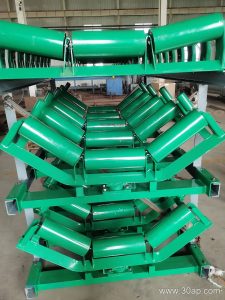
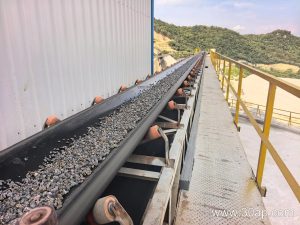
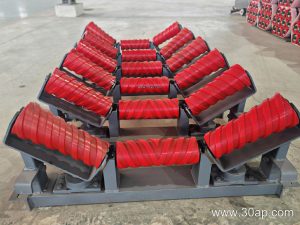
The pulley works together with the conveyor belt, idler rollers, and conveyor brackets. Belt width, speed, and tonnage all influence the pulley diameter and shaft size. For example, a B800 belt might run on a Ø500 pulley in one conveyor and a Ø630 pulley in another, depending on tension and wrap angle. Shaft diameter is set by torque and load, not by belt width alone; common shaft sizes range from Ø50 to Ø200 mm.
Typical Applications
Assembled pulleys appear in limestone mines, coal washing plants, cement clinker lines, power station coal handling, port bulk terminals, and aggregate crushing circuits. In a copper or iron ore operation, the pulley may face abrasive dust and frequent starts, so abrasion-resistant lagging and robust sealing are useful. In a fertilizer or grain silo, a smooth or food-grade lagging may be preferred to reduce material carryover.
When the conveyor uses an EP conveyor belt or a steel cord conveyor belt, the pulley diameter and lagging should match the belt’s tension and tracking needs. A heavy-duty mining conveyor belt may call for a larger diameter and thicker lagging than a lightweight aggregate belt.
Buyer Checklist
Before ordering, confirm the belt width, pulley diameter, shaft diameter, lagging type and thickness, bearing type, and mounting position. Ask for the assembly drawing and the balancing report. Check that the lagging is bonded to the shell with a method suited to the environment—hot vulcanized for high tension, cold bonded for quick repair. Verify that the shaft key and locking elements match the drive coupling. If the pulley will sit in a wash-down area, consider stainless or coated hardware.
Finally, plan the lifting points and access space. An assembled pulley is heavier than a bare shell, so the conveyor bracket and overhead clearance must accommodate it. Keeping a spare assembled pulley on site can cut replacement time during a planned shutdown.