What a 10mm EP Belt Is
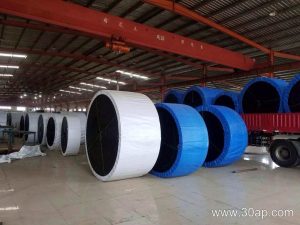
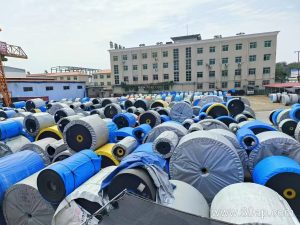
An EP Conveyor Belt, 10mm Thick is a fabric-core rubber belt built around polyester (E) and nylon (P) warp and weft yarns. The EP carcass gives the belt low elongation and good impact tolerance, while the 10mm total thickness places it in the heavy-duty range for continuous bulk transport. Buyers often refer to the same item as an EP rubber conveyor belt or an EP fabric core conveyor belt; these are equivalent names for one product family, not different designs.
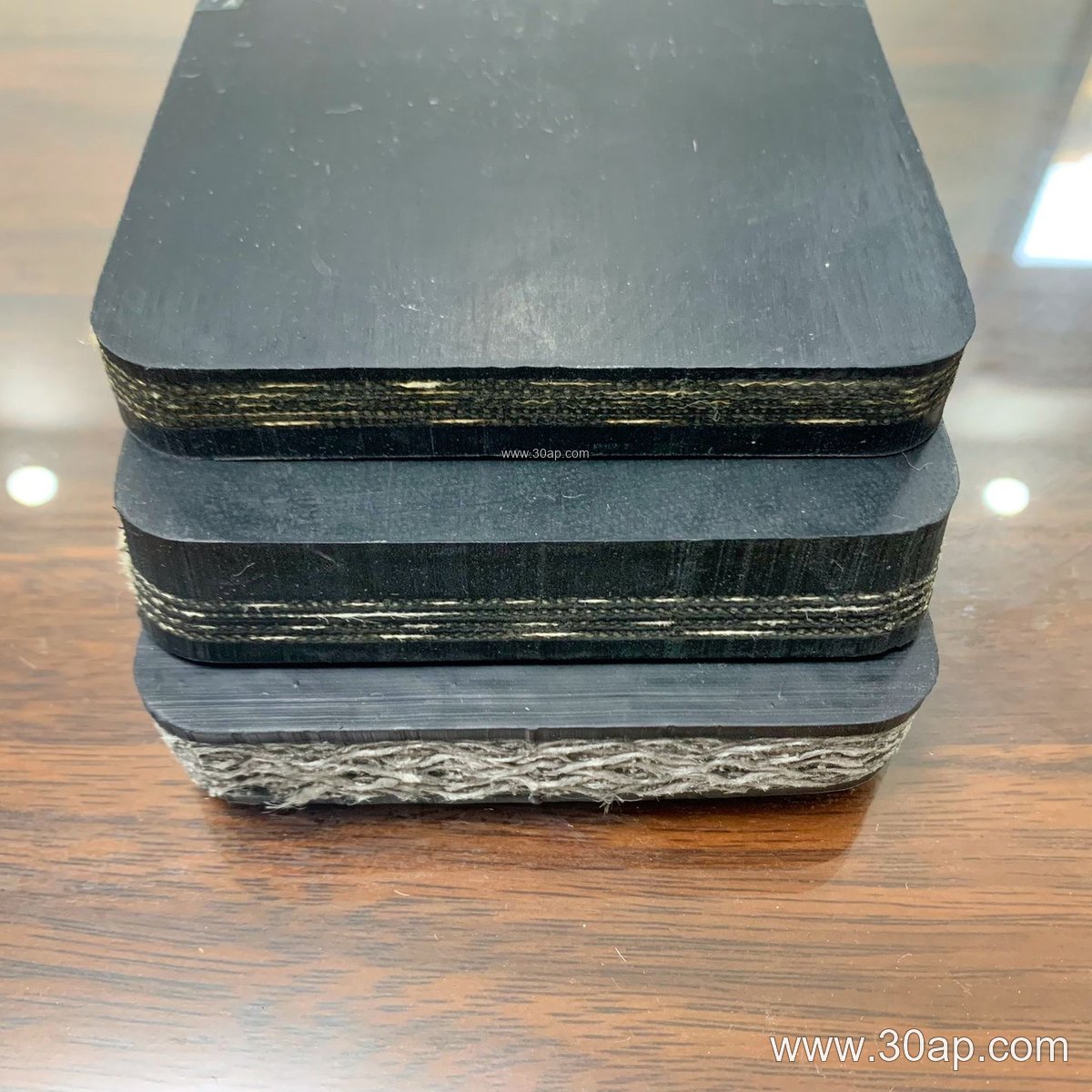
In practice, a 10mm belt is usually a multi-ply construction with cover rubber on both faces. The thickness figure covers the whole belt — top cover, fabric plies and bottom cover — so the load-bearing capability comes from the EP plies, while the covers protect the carcass from abrasion, moisture and material impact.
Construction and Layer Build
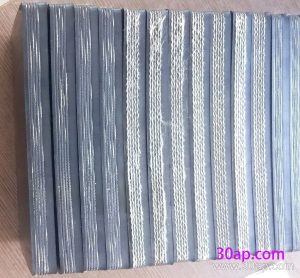
The carcass is the heart of any EP fabric core belt. Polyester warp yarns limit stretch under tension, and nylon weft yarns absorb shock from lumpy feed. Plies are bonded with friction and skim rubber, then the cover is applied and the whole assembly is vulcanized.
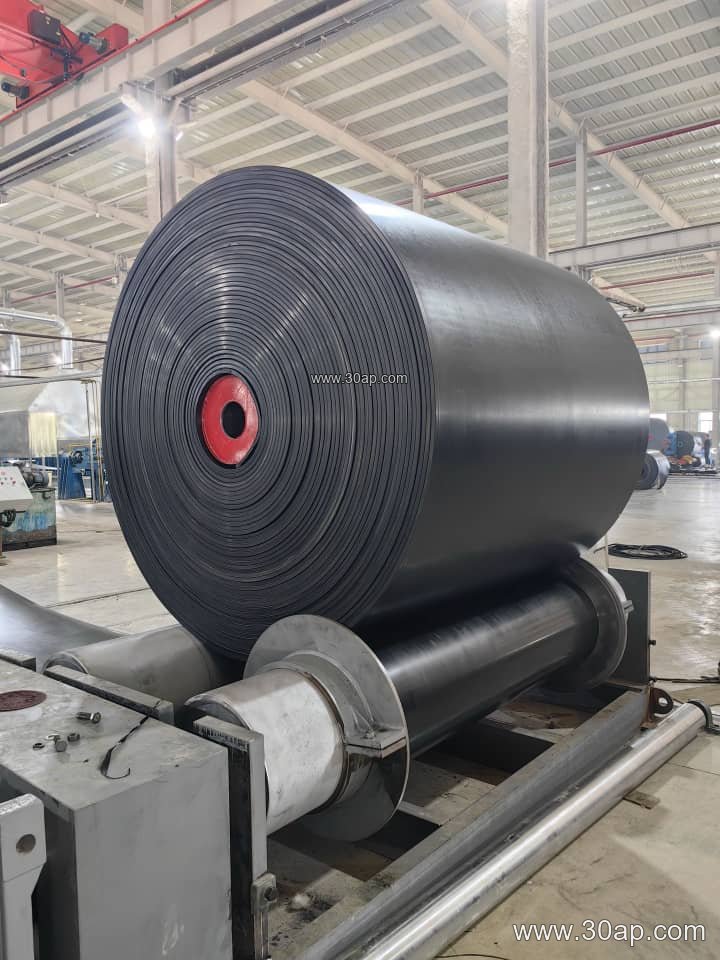
Common constructions for a 10mm thick belt include 2 to 6 plies, with cover combinations such as 4+2 mm, 5+2 mm or 6+2 mm. The exact split between top and bottom cover depends on the duty: a thicker top cover suits sharp rock and ore, while a heavier bottom cover helps where the belt runs over small-diameter pulleys or reverse bends. For reference, typical carcass grades and cover pairings look like this:
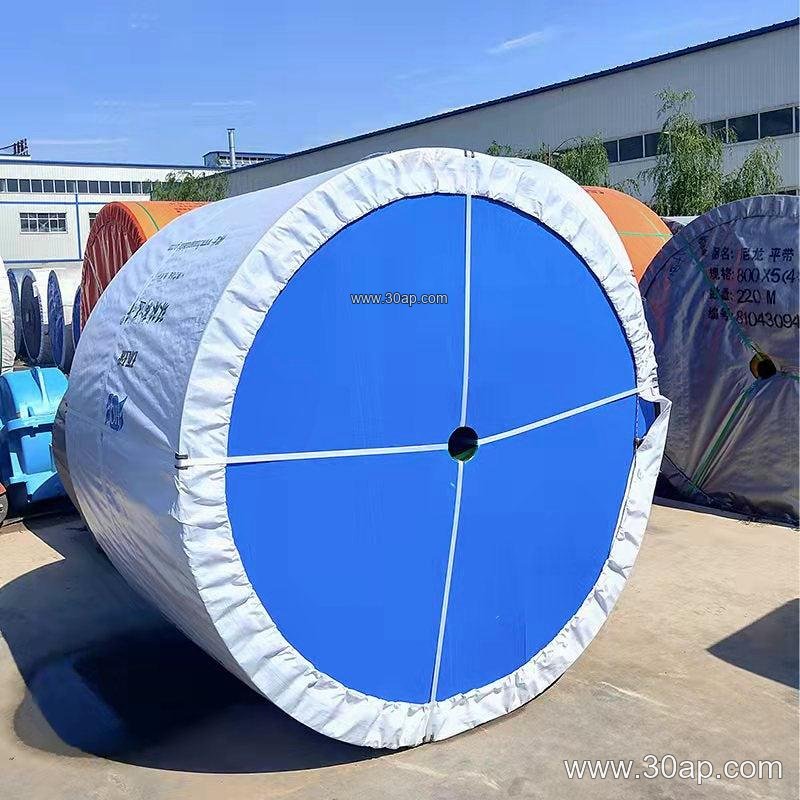
- EP200, 3+1.5 mm — light to medium duty, sand and gravel
- EP400, 4+2 mm — general aggregate and quarry work
- EP630, 5+2 mm — heavier stone crushing lines
- EP800 to EP1000, 6+2 mm — high-tonnage mining and port duty
These values are reference examples; actual build is confirmed by the manufacturer against the conveyor design.
Where 10mm Belts Fit
At this thickness, the belt is at home in mining conveyor belts, quarry conveyor belts and aggregate conveyor belts that move crushed rock, ore and overburden. It also suits cement plants feeding clinker and limestone, power plant coal conveyor lines, and steel plant handling of sinter and coke. Port and ship loading systems use it for bulk material transfer where long runs and steady tension matter.
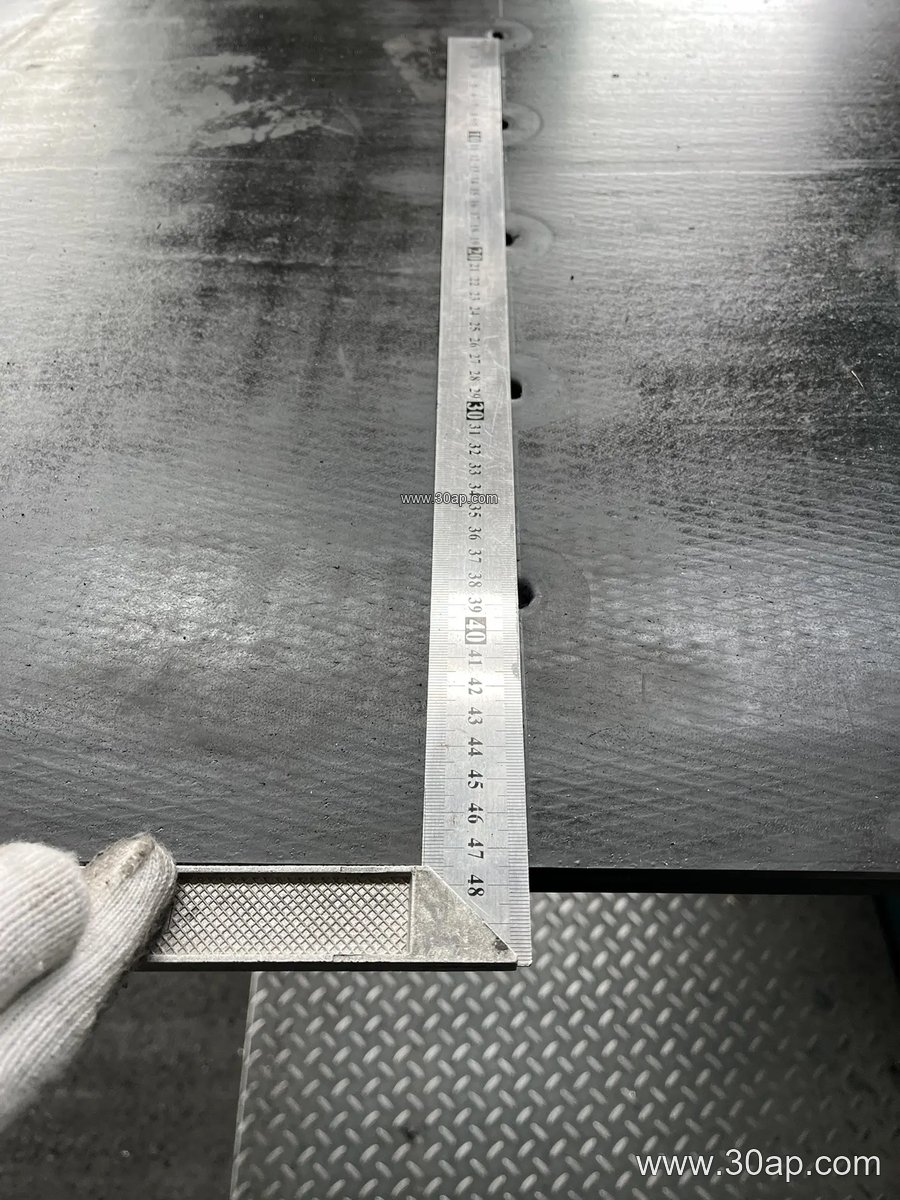
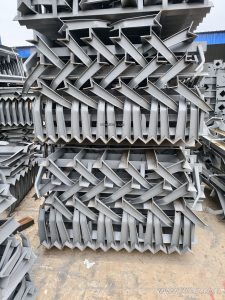
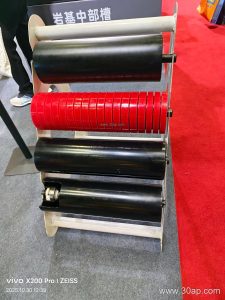
Because the EP carcass resists stretching, a 10mm EP belt tracks well on long centers. It still needs properly aligned conveyor pulleys and free-turning idler rollers to avoid edge wear. Conveyor brackets and frames should be square so the belt does not drift. Where the route includes steep inclines, a chevron conveyor belt or corrugated sidewall conveyor belt may be a better choice than a flat belt, but those are separate designs and not substitutes for the standard EP product.
Cover Compounds and Working Conditions
The rubber cover decides how long the belt survives in a given environment. Common options include abrasion resistant conveyor belt grades for sand, gravel and crushed stone; heat resistant conveyor belt compounds for clinker and hot ash; oil resistant conveyor belt covers for oily scrap and some mineral feeds; and flame retardant conveyor belt or fire resistant conveyor belt builds for coal mining conveyor belt and underground coal mining conveyor belt service. Anti-static conveyor belt grades are also available where static buildup is a concern.
Cold resistant conveyor belt compounds help in freezing yards, and acid resistant or chemical resistant covers suit fertilizer and some process plants. A food grade conveyor belt is a different specification entirely and is not normally selected for 10mm heavy-duty rock duty. For very hot or very oily material, confirm the cover grade before ordering — the wrong compound can fail long before the carcass does.
Width, Strength and Matching the Conveyor
Belt width and strength should follow the conveyor design, not the other way round. Common widths include B500, B650, B800, B1000, B1200, B1400, B1600, B1800 and B2000. A 10mm EP belt may be supplied as a 1000mm conveyor belt, a 1200mm wide belt or an 1800mm wide belt depending on tonnage and lump size. Strength grades such as EP200, EP400, EP630, EP1000 and EP1250 are selected from the calculated belt tension.
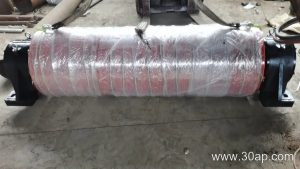
One point buyers often get wrong: belt width does not fix pulley diameter. Pulley size, shaft diameter and bearing selection come from the conveyor designer’s tension and torque calculations. A 1200mm belt can run on different pulley sizes in different plants, so never assume a fixed shaft size from width alone. Drive pulleys, tail pulleys and bend pulleys each have their own role and are not interchangeable terms.
Buyer Checklist
- Confirm the required strength grade (EP200 to EP1250 or higher) from the belt tension calculation.
- State the material, lump size and temperature so the cover compound can be matched.
- Give belt width, center distance and pulley diameters for the conveyor layout.
- Specify cover thickness split, for example 5+2 mm, and the number of plies.
- Ask whether the belt is supplied open or as an endless conveyor belt spliced on site.
- Check that idler roller spacing and conveyor pulley alignment suit a 10mm belt.
For general industrial conveying, a 10mm EP rubber belt offers a practical balance of strength, impact resistance and cover life. Match the grade and cover to the actual duty, keep the pulleys and idlers in good order, and the belt will deliver predictable service in mining, cement, power and aggregate operations.