What a Belt Conveyor Bracket Does on the Line
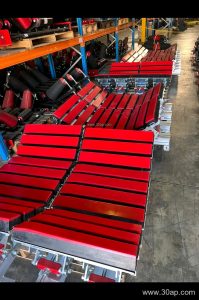
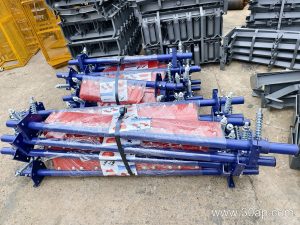
A Belt Conveyor Bracket is the steel support that holds idlers in the correct position under and over the belt. It keeps the belt profile stable, sets the trough angle, and transfers the load from the idlers into the conveyor frame. In a quarry or a cement plant, the bracket is easy to overlook until the belt starts to sag, drift, or spill material at the transfer point.
The bracket is not a single item. It is a family of supports that work together along the conveyor: troughing brackets on the carrying side, flat return brackets underneath, transition brackets near pulleys, and self-aligning or impact brackets where conditions demand them. Each has its own job, and mixing them up causes tracking problems.
How the Bracket Is Built
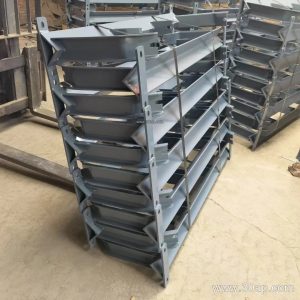
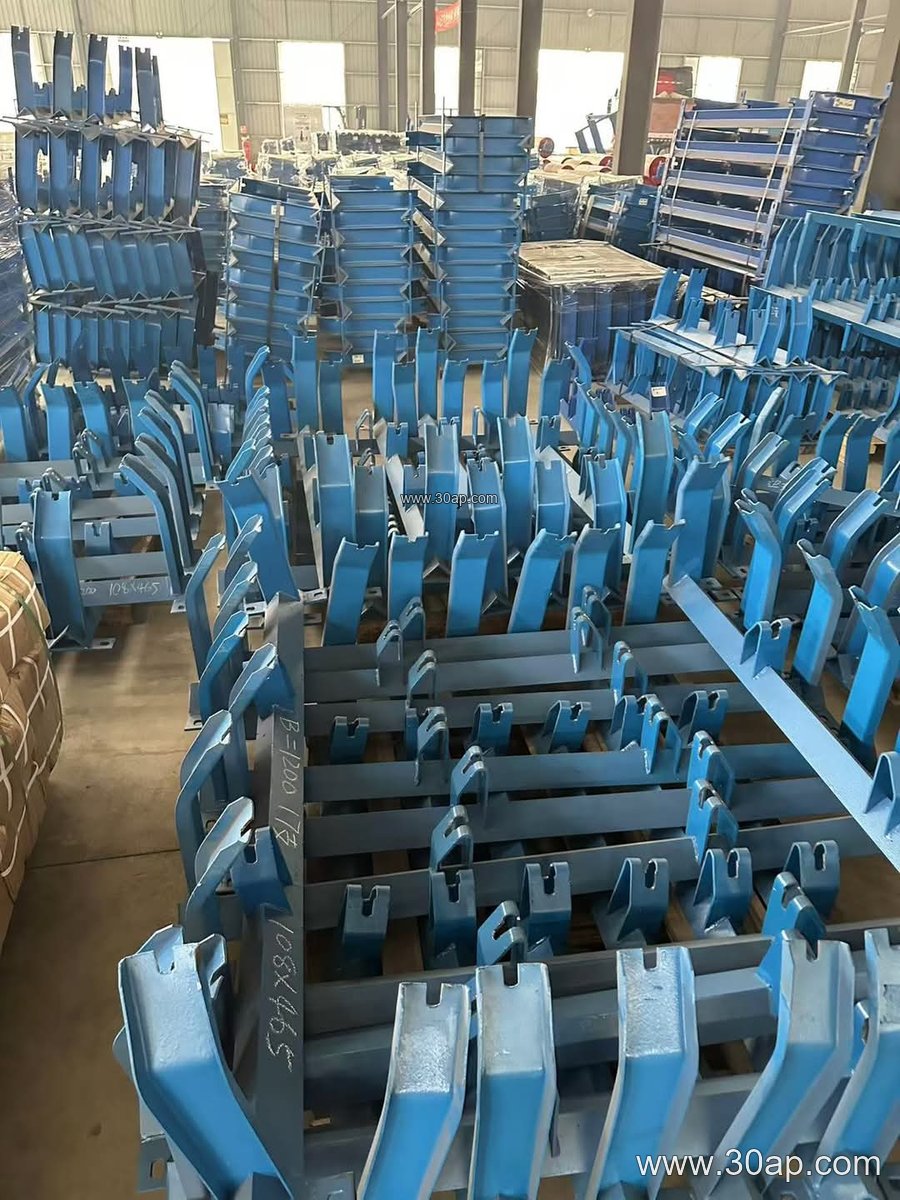
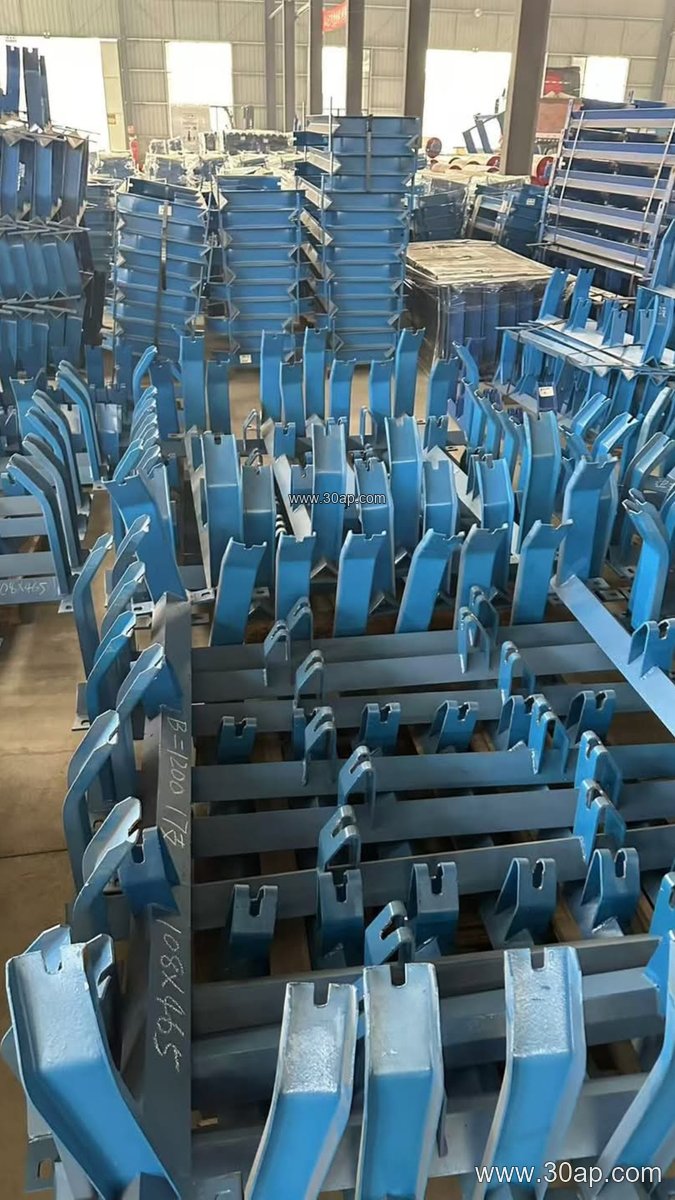
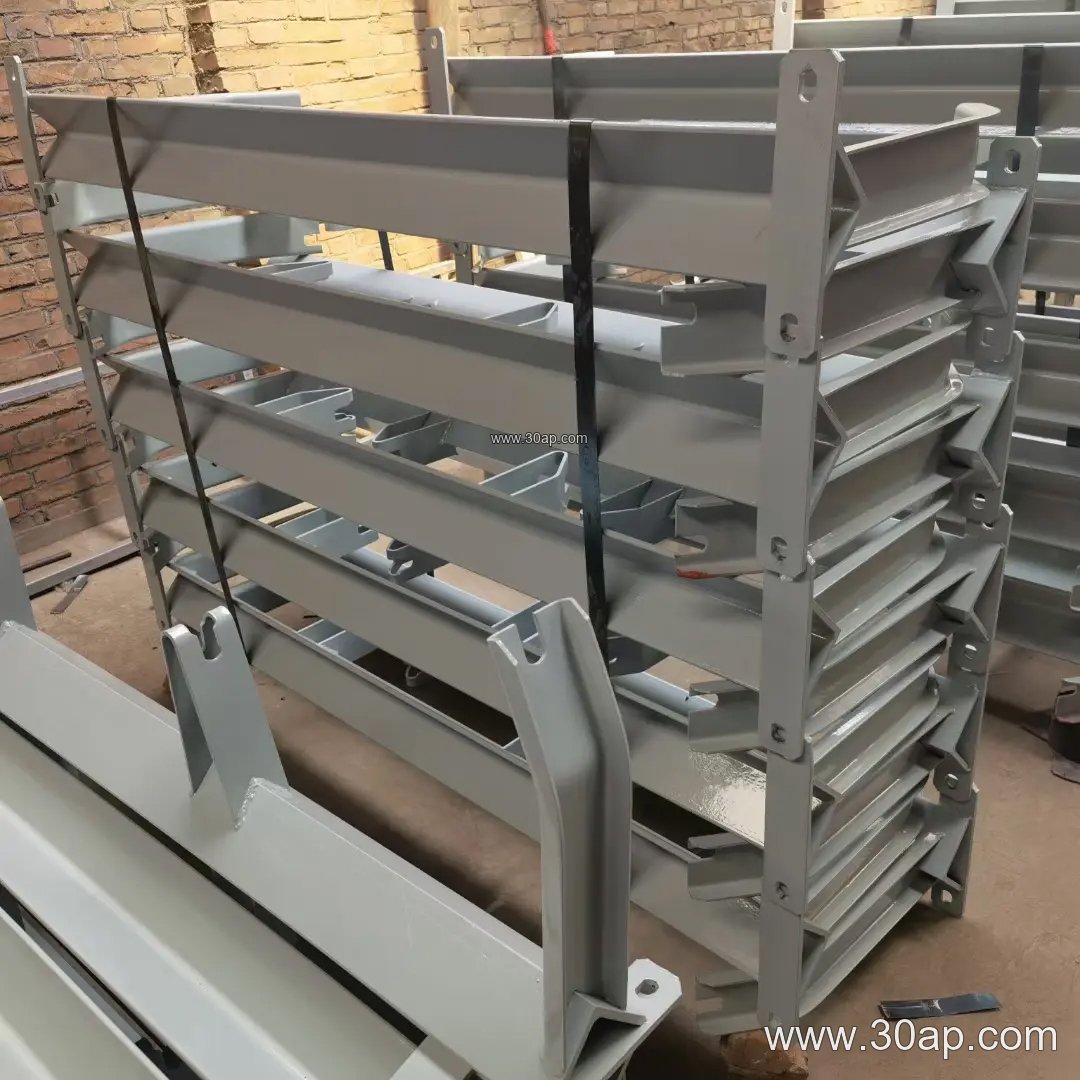
Most brackets are fabricated from angle steel, channel steel, or folded steel plate. The frame needs enough stiffness to hold the idler spacing without flexing under load, and the mounting slots must line up with the idler shaft ends. Common forming methods include welding, bolting, and stamped or folded one-piece designs.
Key construction points a buyer should check:
- Mounting hole spacing matched to the idler shaft and frame width
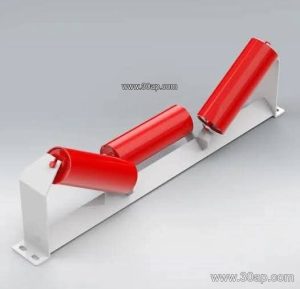
- Trough angle formed accurately so all three idlers sit in one plane
- Paint or galvanizing suitable for dusty, wet, or corrosive sites
- Reinforcement at the joints where the bracket meets the main frame
Because the bracket carries every idler, small errors in hole spacing or angle show up quickly as belt misalignment. Good fabrication keeps the idler axis square to the belt centerline.
Common Bracket Types and Where They Sit
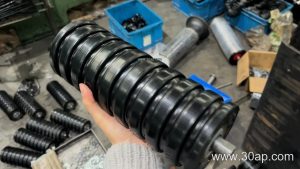
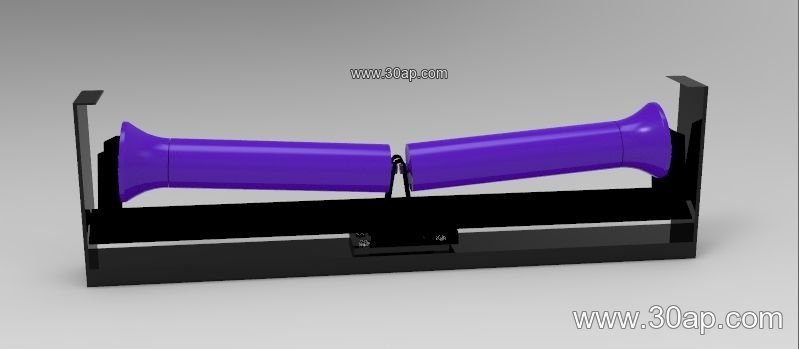
Troughing brackets support the carrying idlers and set the trough angle. Transition brackets sit between the last full trough and the pulley, gradually flattening the belt. Return brackets hold the lower idlers, and V-return or spiral designs help clean and center the belt on the return run. Impact brackets with rubber or spring cushioning are used under crusher discharge and loading points. Self-aligning brackets use a pivoting frame to correct minor drift.
| Bracket Type | Typical Position | Notes |
|---|---|---|
| Troughing bracket | Carrying side | Sets trough angle, usually 20° to 45° |
| Transition bracket | Near head or tail pulley | Gradual flattening to avoid edge stress |
| Return bracket | Lower run | Flat or V-shaped support |
| Impact bracket | Loading point | Cushioned support under falling material |
| Self-aligning bracket | Long straight runs | Corrects belt drift |
| Adjustable bracket | Variable sections | Angle can be changed on site |
Matching Bracket, Belt Width and Idler Diameter
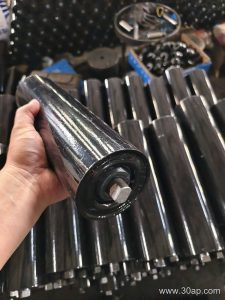
Bracket size follows belt width and idler diameter, but there is no single fixed pairing. A B800 conveyor might run a 35° trough with Ø108 idlers, while a B1200 line in an iron ore plant could use 45° and Ø133. Heavier belts and higher speeds often call for larger idler diameters and stronger brackets. The table below shows common reference combinations; final values come from the conveyor design.
| Belt Width | Common Trough Angle | Common Idler Diameter |
|---|---|---|
| B500 | 20°–30° | Ø89 |
| B650 | 30° | Ø89–Ø108 |
| B800 | 30°–35° | Ø108 |
| B1000 | 35° | Ø108–Ø133 |
| B1200 | 35°–45° | Ø133 |
| B1400 | 35°–45° | Ø133–Ø159 |
| B1600 | 35°–45° | Ø159 |
| B1800 | 35°–45° | Ø159–Ø194 |
Adjustable brackets let maintenance staff fine-tune the trough angle within a range such as 20° to 45°, which is useful on lines that handle different materials. Forward-leaning brackets, often set at about 1.5° to 2°, are used to encourage belt centering.
Where These Supports Matter Most
In a coal washing plant, flame retardant and anti-static belts are common, and the brackets must keep the belt centered through long transfer runs. In a power plant coal yard, dust buildup and vibration make rigid, well-anchored troughing brackets important. At a stone crushing line, impact brackets under the crusher discharge protect both the belt and the idlers. Port loading systems with wide belts, often 1800mm or 2000mm, need heavy fabricated brackets with large idler diameters. Each site sets its own priorities, so the bracket should be chosen to match the belt, the load, and the environment.
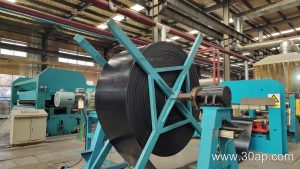
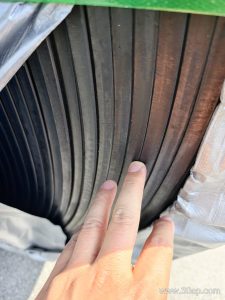
For related equipment, matching the bracket with the right conveyor pulley and idler roller keeps the whole line running smoothly, whether the belt is an EP Conveyor Belt, a Steel Cord Conveyor Belt, or a Chevron Conveyor Belt on an incline.
What Buyers Should Confirm Before Ordering
- Belt width and trough angle required by the conveyor design
- Idler diameter and shaft end size for correct fit
- Fixed or adjustable frame, and the angle range if adjustable
- Material thickness and finish for the site conditions
- Mounting hole spacing and frame interface dimensions
Ask for a dimensioned drawing rather than a size code alone. A bracket that fits one frame may not fit another, even at the same belt width. Confirm the drawing against the existing frame, and keep spare brackets for the impact and transition positions where wear and stress are highest.