What the Ø63.5 Conveyor Idler Is
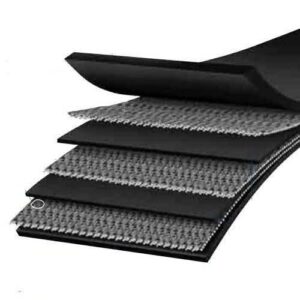
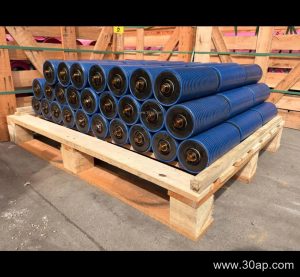
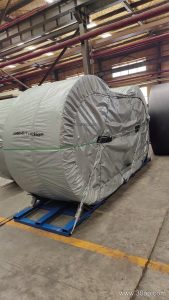
The Ø63.5 conveyor idler is a small-diameter idler roller used in belt conveyor systems to support the belt and reduce friction along the carrying and return runs. Its 63.5 mm roller diameter sits between the very light Ø63 mm and the more common Ø76 mm sizes, making it a practical choice for narrow to medium belt widths where space and weight are limited. In many plants, this idler roller is paired with a fabric core conveyor belt or a rubber conveyor belt to keep bulk materials moving efficiently.
Construction and Materials
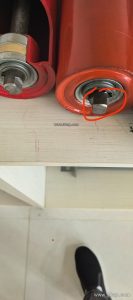
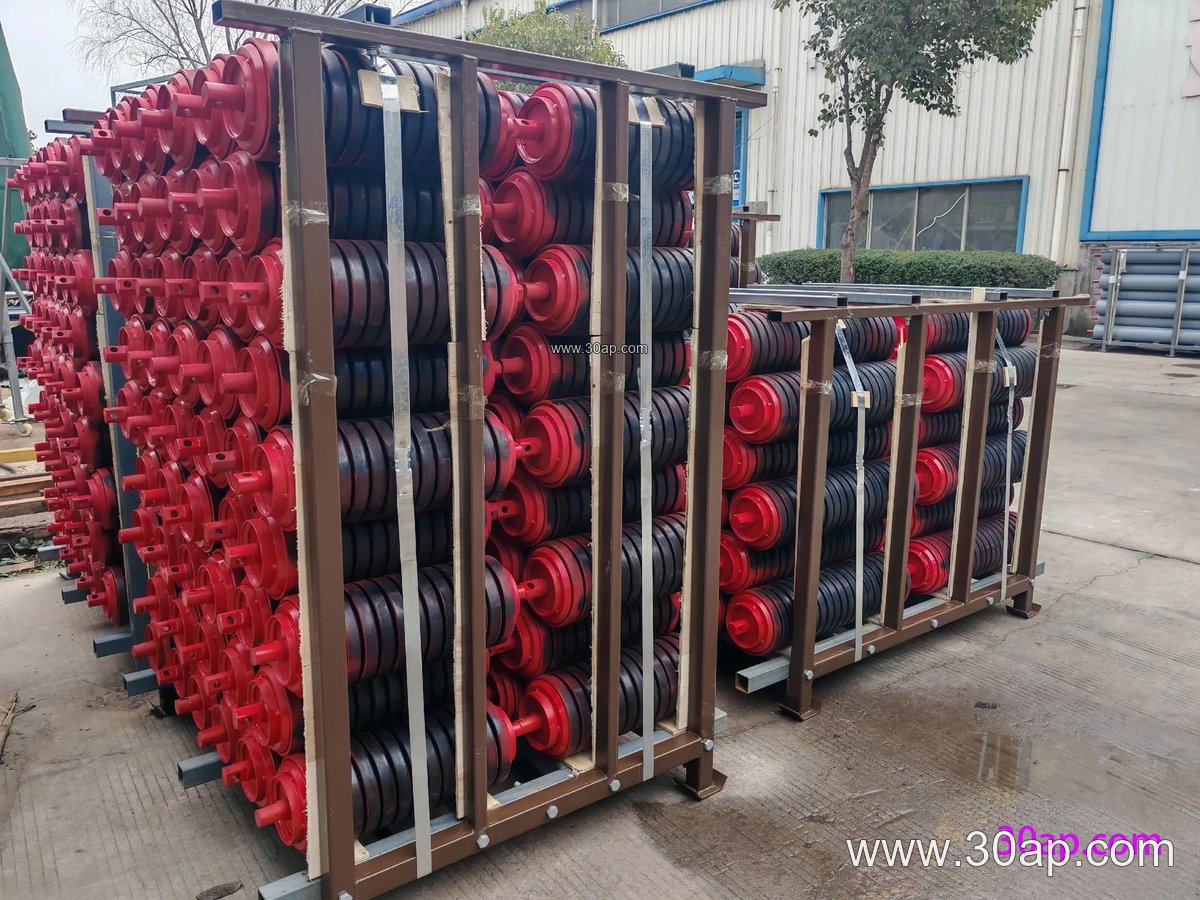
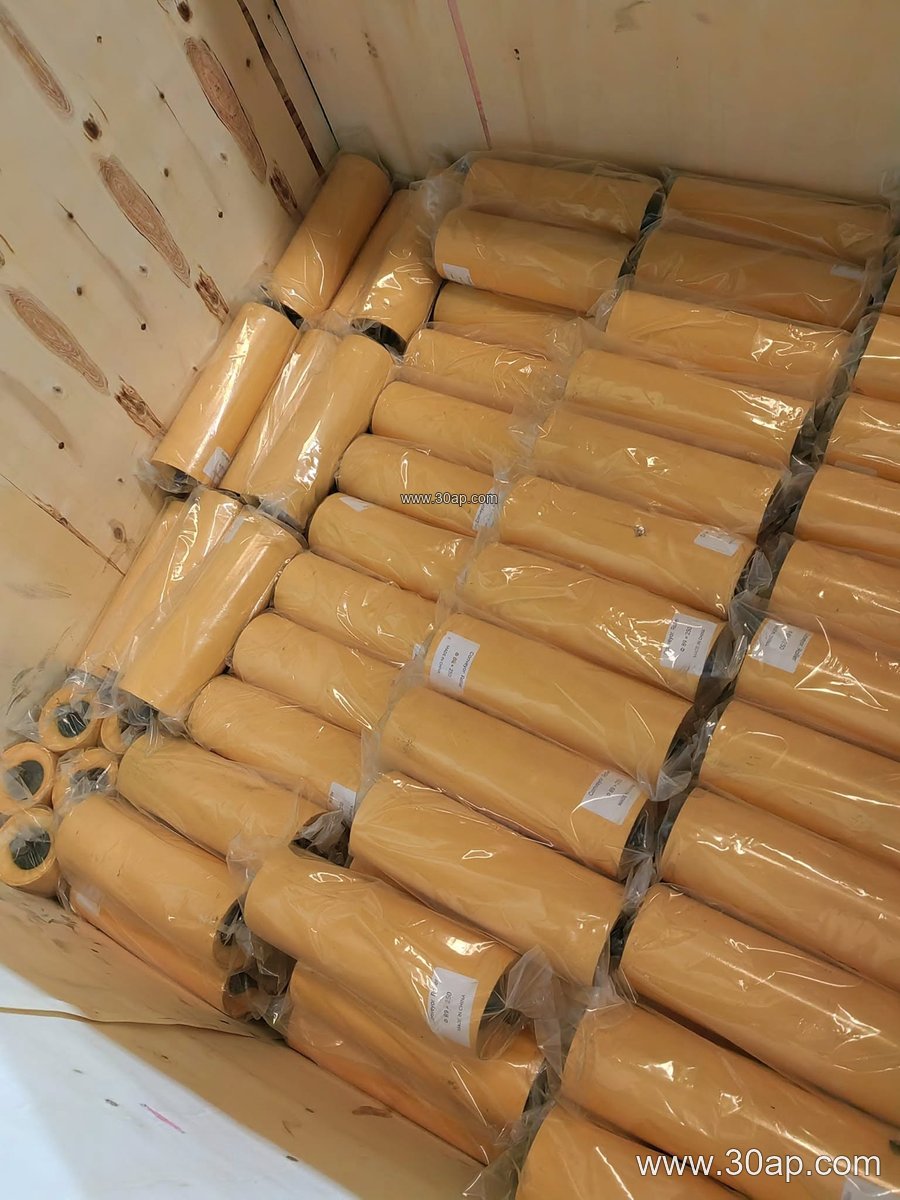
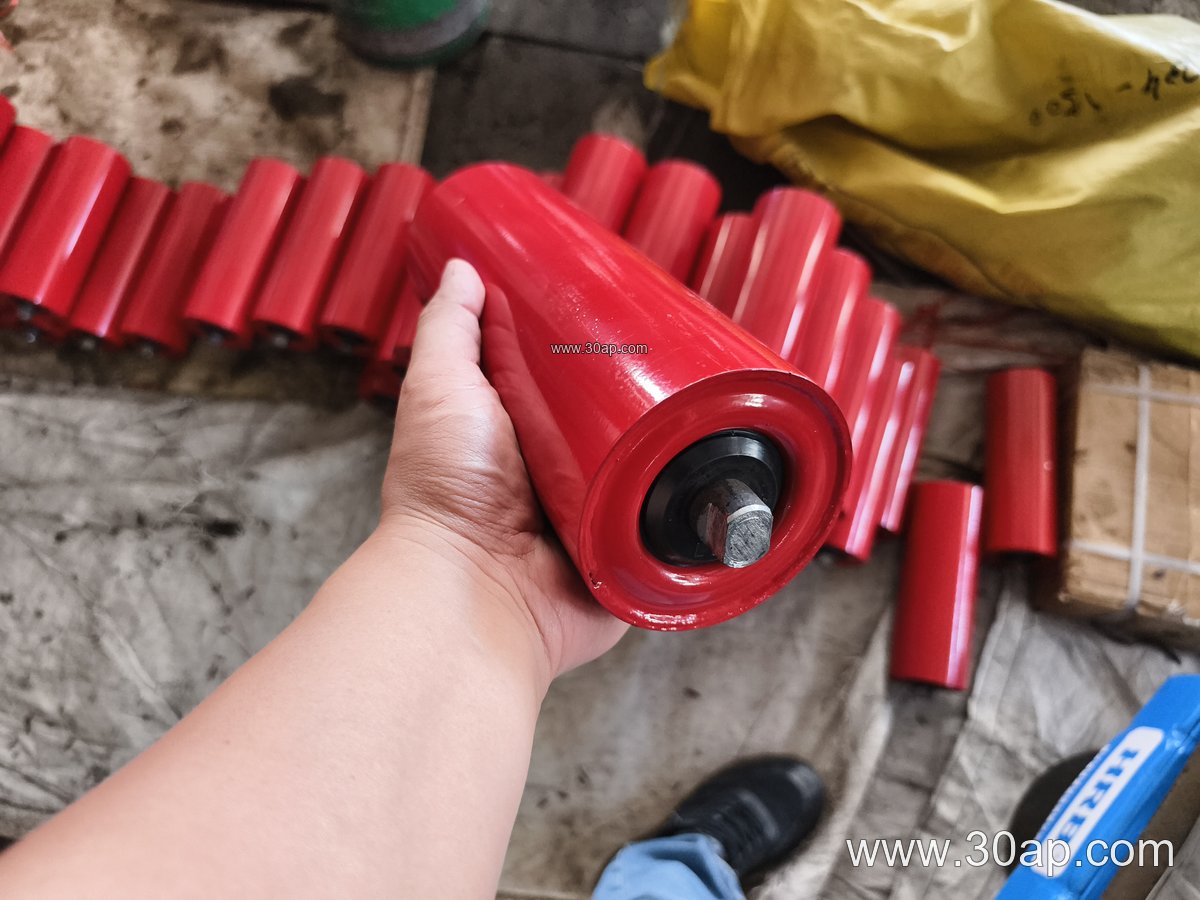
A typical Ø63.5 conveyor idler consists of a steel tube shell, bearing housings, a shaft, and seals. The roller surface can be plain steel, nylon, or covered with rubber rings for cushioning. Bearings such as 6204 or 6205 are often used, but the exact bearing size should be confirmed with the manufacturer because it depends on the load and shaft design. Seals are critical in dusty environments, and a good labyrinth seal helps protect the bearing from fine particles.
Where It Fits on the Conveyor
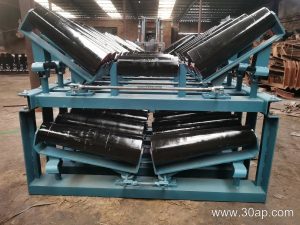
This small-diameter idler is frequently used on the carrying side as part of a three-roll troughing set, especially on belts around B500 to B800. It can also serve as a return idler or in transition zones where the belt changes shape. In a quarry conveyor belt line or a sand and gravel plant, the Ø63.5 idler helps maintain belt alignment and reduces sag between pulleys. Note that drive pulleys, tail pulleys, and bend pulleys are different components and are not interchangeable with idlers.
Common Applications
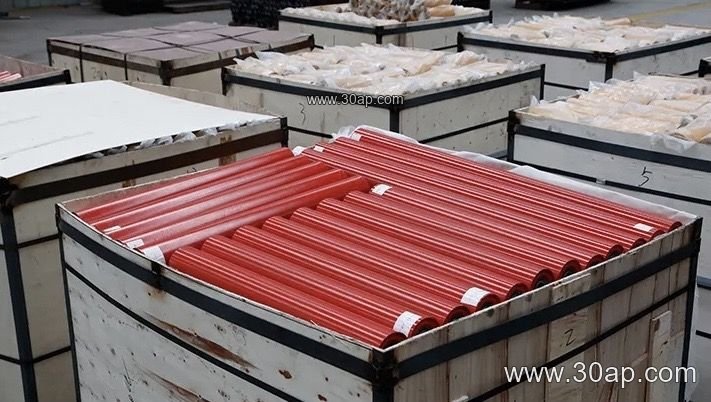
You will find Ø63.5 conveyor idlers in aggregate plants, small cement lines, and light-duty mining conveyors. They are also used in recycling and bulk material handling where belt widths are moderate. In coal mining conveyor belt systems, this size may appear on secondary or return runs, but heavier belts often call for larger diameters such as Ø89 or Ø102. For a heat resistant conveyor belt or an abrasion resistant conveyor belt, the idler shell and seal quality matter just as much as the diameter.
Specifications and Selection Notes
Below are common reference values for the Ø63.5 conveyor idler. These are examples, not fixed supply promises.
| Parameter | Common Reference |
|---|---|
| Roller diameter | Ø63.5 mm |
| Belt width (typical) | B500, B650, B800 |
| Idler length (three-roll troughing, middle roll) | Approx. 200 mm for B500, 250 mm for B650, 315 mm for B800 |
| Trough angle | 20°, 30°, 35° |
| Bearing (common) | 6204, 6205 |
| Roller surface | Steel, nylon, rubber ring |
When choosing a Ø63.5 idler, consider the belt width, material weight, and operating environment. A wider belt such as B1000 or B1200 usually needs a larger idler diameter, so do not assume one size fits all. Also check the shaft diameter and mounting brackets with your conveyor bracket supplier. The idler roller should rotate freely and align with the belt path.
Maintenance and Buyer Tips
Inspect idlers regularly for worn shells, seized bearings, or damaged seals. In dusty cement plants or power plant coal handling, keep the idler area clean to avoid buildup. Replace any idler that does not spin smoothly. For heavy-duty mining conveyor belt applications, consider larger diameters or reinforced idlers. Always match the idler to the conveyor design, and remember that the Ø63.5 conveyor idler is one option among many, not a universal solution.