What an Iron Ore Conveyor Pulley Does
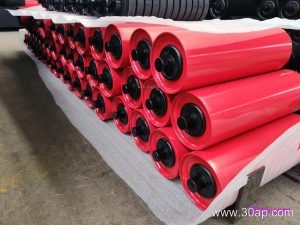
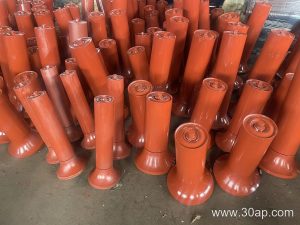
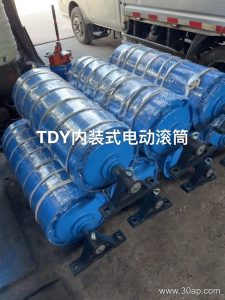
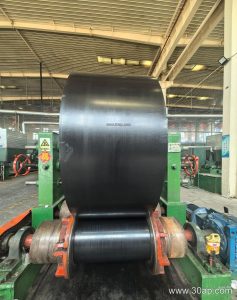
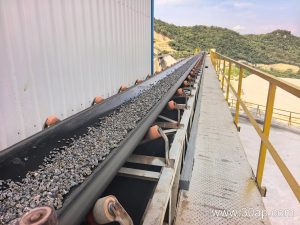
An iron ore conveyor pulley is the cylindrical component that drives, tensions, or redirects the belt in a bulk handling system. In iron ore operations, the pulley must cope with sharp, dense, and abrasive material that can weigh heavily on the belt and the pulley shell. Unlike a simple conveyor pulley used in light assembly, this component is built for continuous duty in dust, moisture, and high tension. It works together with the conveyor belt, idler roller, and conveyor bracket to keep the line running smoothly from the mine face to the stockyard or ship loader.
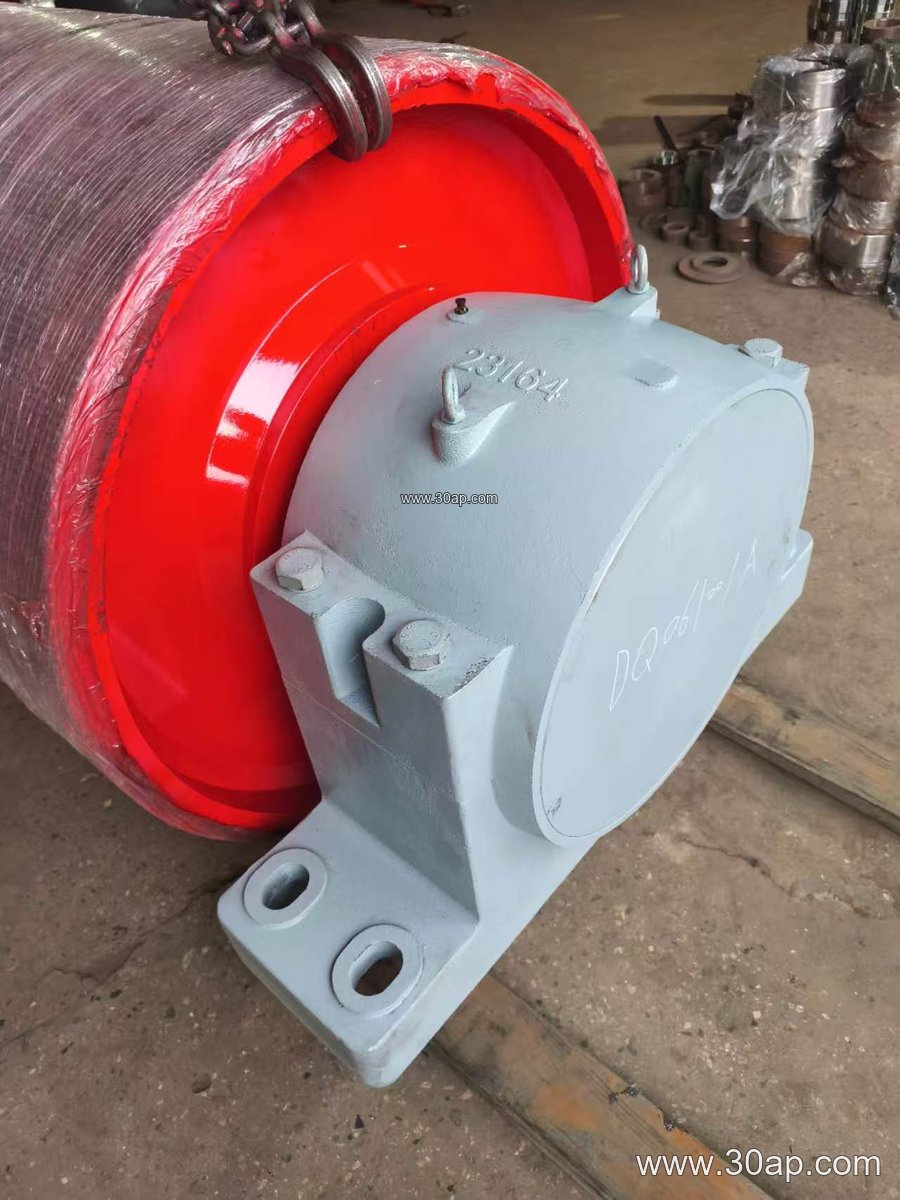
Construction and Surface Options
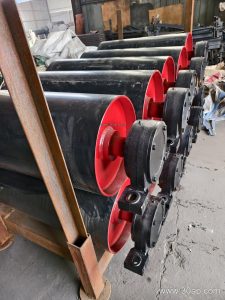
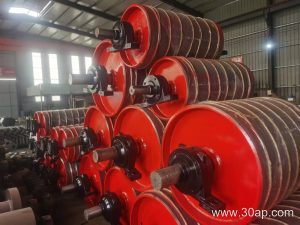
The pulley body is usually a welded steel shell with end discs and a shaft that transmits torque. The shaft diameter is determined by torque and load, not by belt width alone. Common shaft sizes include Ø100, Ø120, Ø140, Ø160, and Ø180 mm, but the final choice depends on the drive calculation. Surface treatment matters greatly in iron ore service. Plain steel is rare; most pulleys use rubber lagging applied by hot vulcanization, cold bonding, or casting. Diamond lagging improves traction and sheds water, while ceramic lagging offers high abrasion resistance for the drive pulley. Lagging thickness commonly ranges from 8 to 20 mm, with 12 or 15 mm being typical for heavy-duty mining conveyors.
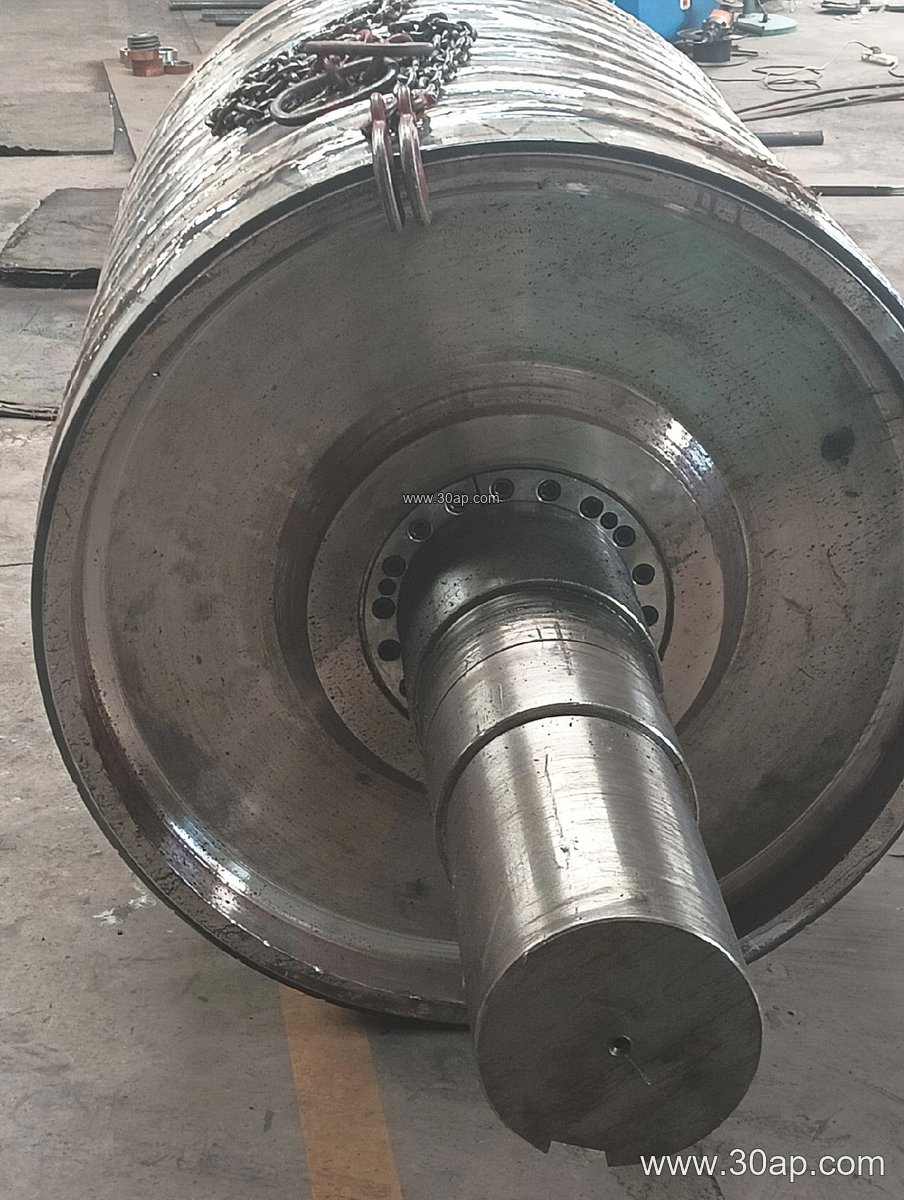
The pulley face width is usually wider than the belt. For example, a B1200 belt often runs on a pulley with about 1400 mm face width, while a B800 belt may use a pulley around 950 mm wide. These are reference relationships, not fixed rules. A B1200 × Ø1000 drive pulley and a B800 × Ø500 tail pulley are common combinations, but many other designs are possible. The selected diameter must provide enough belt wrap and torque capacity for the application.
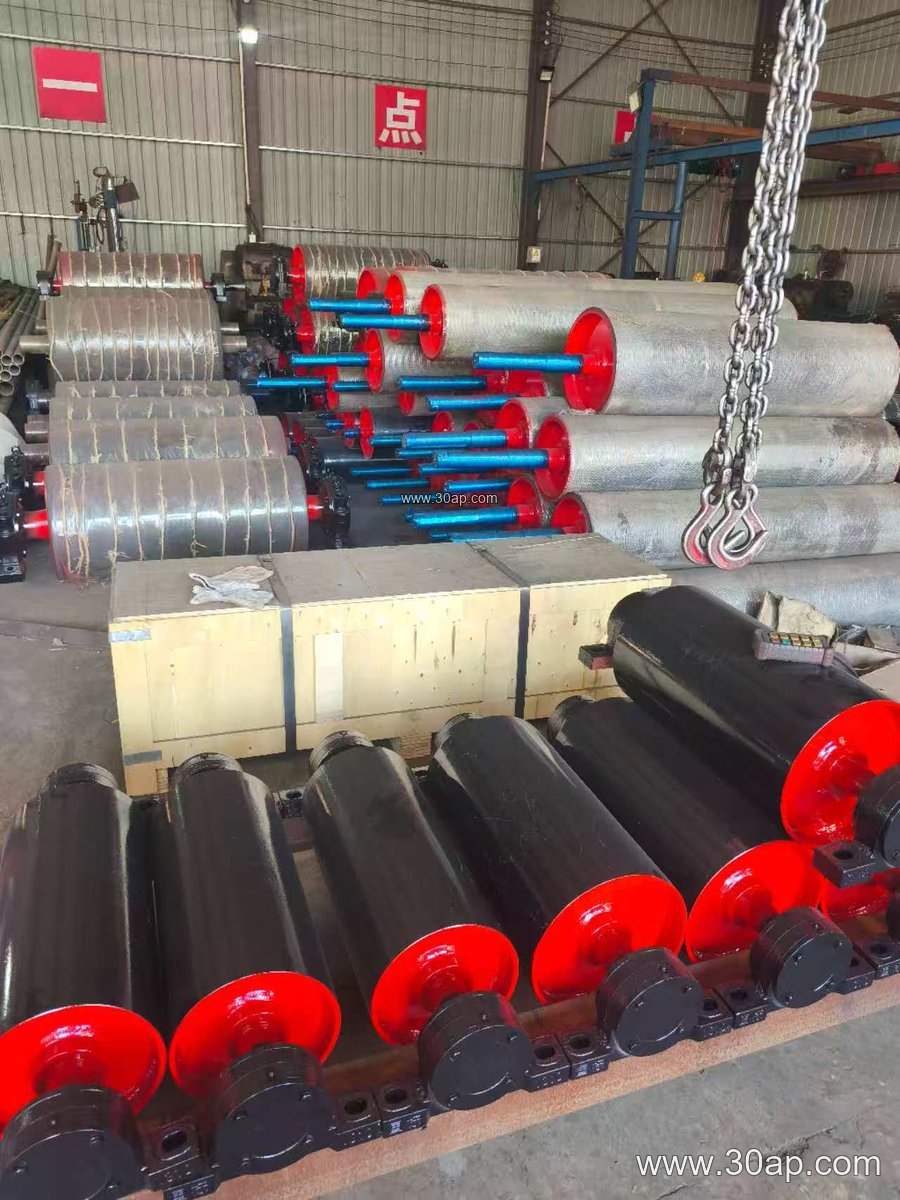
Where It Fits in the Conveyor Line
In an iron ore plant, the drive pulley is often the head pulley at the discharge end, pulling the loaded belt. The tail pulley at the loading point redirects the return belt, and bend pulleys guide the belt around tensioning devices. These roles are not interchangeable, so a drive pulley should not be swapped with a tail or bend pulley without a full engineering review. The pulley also interacts with the conveyor belt type. For high-tonnage ore transport, a steel cord conveyor belt or a heavy-duty fabric core belt such as EP conveyor belt may be used. In dusty and abrasive conditions, an abrasion resistant conveyor belt helps extend belt life, while a flame retardant conveyor belt is relevant in coal handling or enclosed spaces.
Practical Notes for Buyers
Buyers should match the pulley to the belt width, the belt tension, and the environmental conditions. In a quarry or aggregate line, a smaller B650 or B800 pulley with rubber lagging may be sufficient. In a steel plant or port bulk terminal handling iron ore, larger sizes such as B1400 × Ø800 or B1600 × Ø1000 with ceramic lagging are common. Always confirm the shaft diameter from the torque calculation rather than assuming a value from belt width. Also consider the conveyor bracket and idler roller alignment, because misalignment can accelerate pulley and belt wear. For extreme cold or heat, specify the appropriate lagging compound. The goal is a pulley that transmits power reliably, keeps the belt centered, and stands up to the daily punishment of iron ore handling.