What the 1800mm Wide Conveyor Belt Is
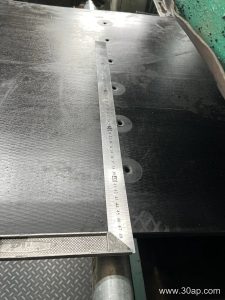
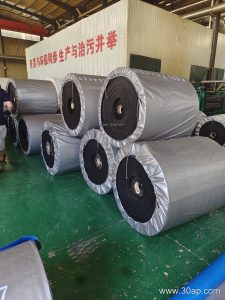
The 1800mm wide conveyor belt is a heavy-duty belt designed for high-capacity bulk material transport. This extra-wide belt is commonly used in mining, coal preparation, cement plants, power stations, and large quarry operations where large volumes of material must move efficiently. The 1800mm width allows for a substantial carrying capacity, making it a practical choice for main haulage lines and high-tonnage systems.
Construction and Materials
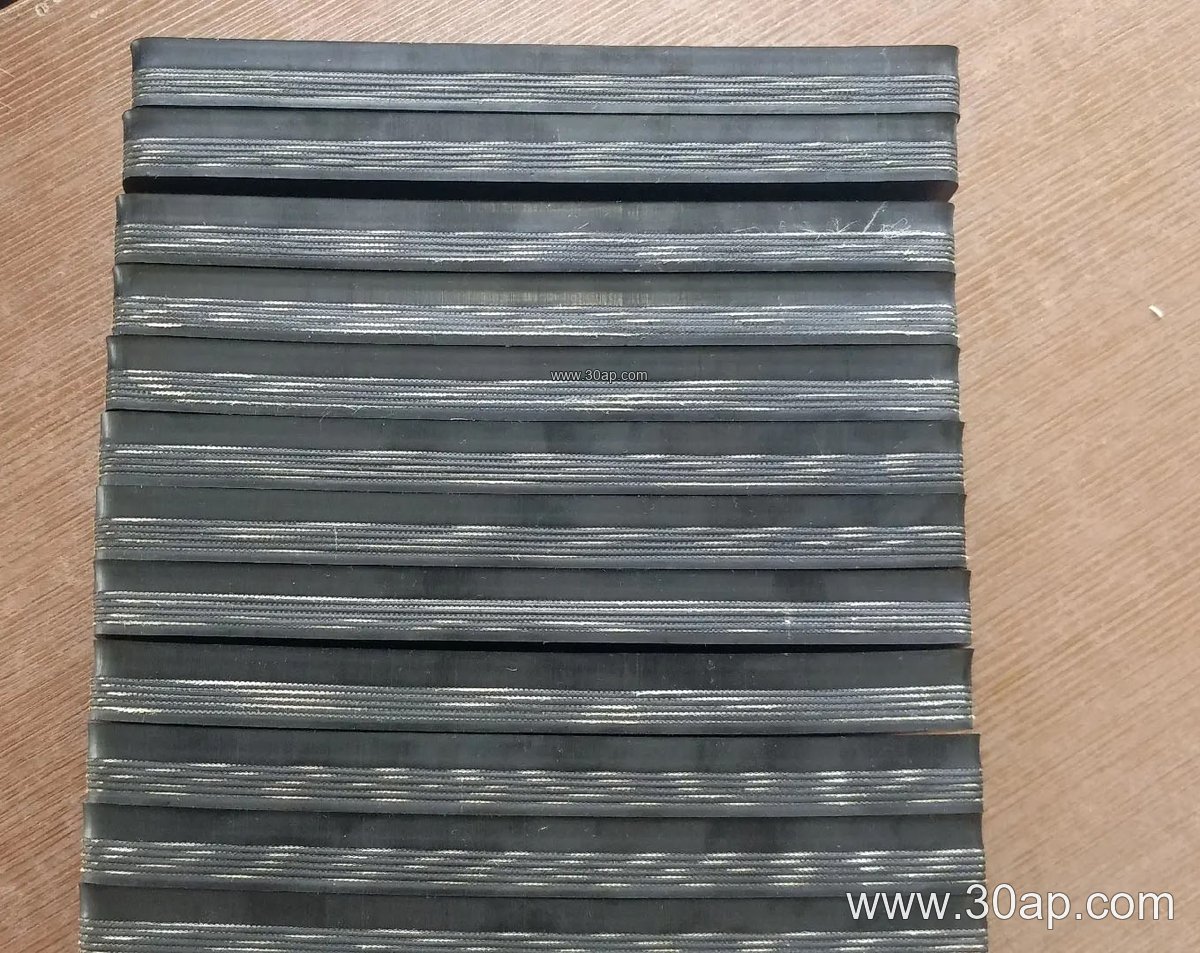
An 1800mm wide conveyor belt is typically built with a fabric core or steel cord reinforcement, depending on the required strength and application. Common core types include EP (polyester-cotton) and NN (nylon-nylon) fabric, as well as steel cord for extremely high tension applications. The cover rubber compounds are selected to resist abrasion, heat, oil, or flame, depending on the operating environment. For instance, a high abrasion resistant conveyor belt is often specified in quarry and aggregate operations, while a flame retardant conveyor belt is essential in underground coal mining.
The belt structure usually consists of multiple plies of fabric (2 to 6 layers) or a single steel cord layer, with top and bottom cover rubber. Typical cover thicknesses range from 3+1.5 mm to 8+3 mm, with heavier covers for harsh conditions.
Key Specifications
When specifying an 1800mm wide conveyor belt, several parameters must be considered. The table below lists common strength grades and cover thickness options for reference.
| Property | Common Options |
|---|---|
| Belt width | 1800 mm (B1800) |
| Fabric core type | EP, NN |
| Strength grades (EP) | EP200, EP315, EP400, EP500, EP630, EP800, EP1000, EP1250, EP1600, EP2000 |
| Steel cord grades | ST1000, ST1250, ST1600, ST2000, ST2500, ST3150 |
| Cover thickness (top+bottom) | 3+1.5, 4+2, 5+2, 6+2, 8+3 mm |
| Number of plies (fabric) | 2 to 6 |
These values are indicative; actual belt design should be based on the conveyor system’s tension, load, and environmental conditions.
Applications in Industry
The 1800mm wide conveyor belt is frequently found in demanding industries. In mining, it handles ore, coal, and overburden. In cement plants, it transports clinker, limestone, and additives. Power plants use it for coal delivery, while quarries and aggregate operations rely on it for moving crushed stone and sand. The extra width is beneficial for high-volume transfer points and main conveyor lines where a narrower belt would require higher speed or multiple lines.
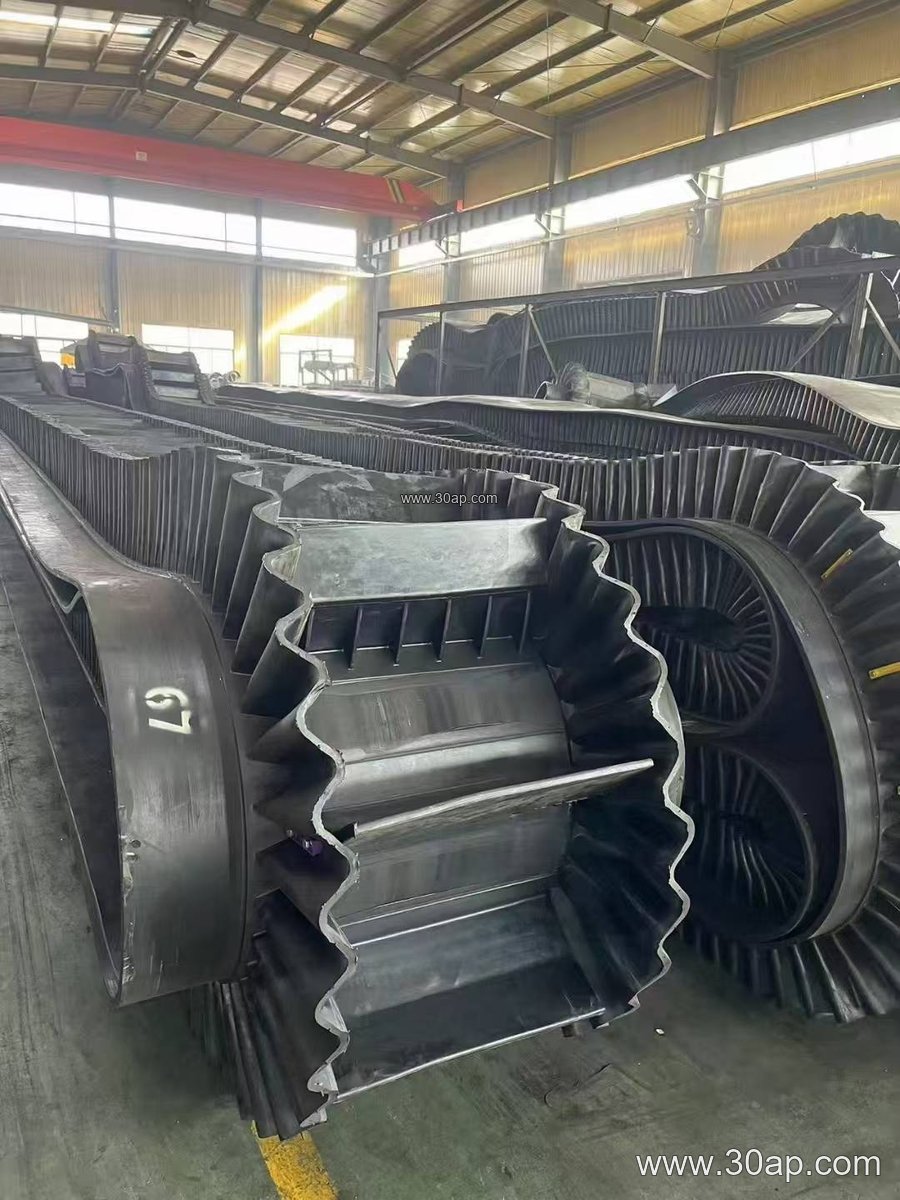
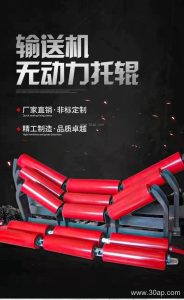
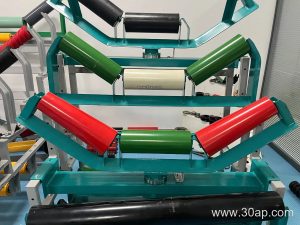
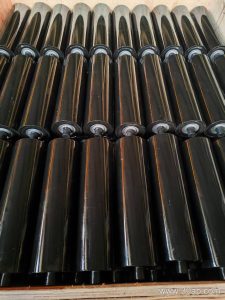
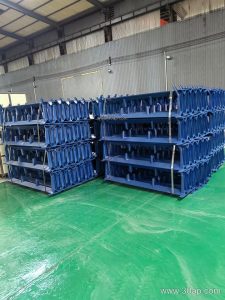
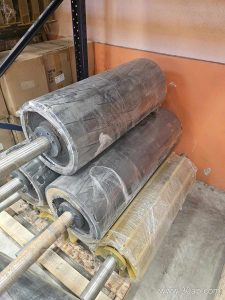
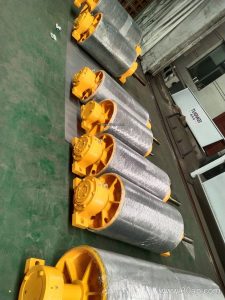
For underground coal mining, a flame retardant and anti-static belt is often mandatory. In port and ship loading facilities, a heavy-duty conveyor belt with high abrasion resistance ensures long service life. The 1800mm width also pairs well with large idler rollers and conveyor pulleys designed for wide belts.
Selection and Maintenance Tips
Choosing the right 1800mm wide conveyor belt involves matching the belt strength to the maximum operating tension, selecting the cover compound for the material and environment, and ensuring compatibility with the conveyor pulleys, idler rollers, and brackets. The drive pulley, tail pulley, and bend pulley each have specific roles and are not interchangeable; proper alignment and maintenance of these components extend belt life.
Regular inspection of the belt surface, edges, and splices is recommended. Keeping the idlers turning freely and the pulleys clean prevents tracking issues and premature wear. For high-temperature materials, a heat resistant conveyor belt grade should be used, while cold environments may require a cold resistant version.
For more information on conveyor belt options and accessories, visit our website at www.example.com/conveyor-belt and www.example.com/conveyor-pulley. Our range includes rubber conveyor belt, EP conveyor belt, steel cord conveyor belt, and more.