What a Conveyor Bracket Assembly Does
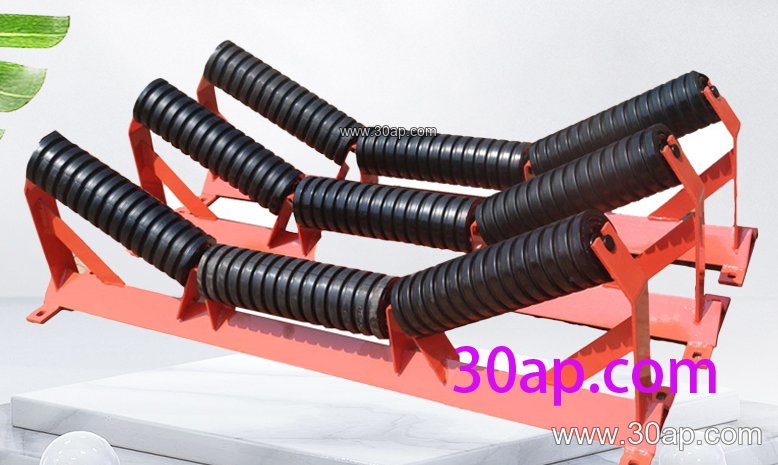
A conveyor bracket assembly is the structural interface between the conveyor frame and the idler rollers that carry the belt. It holds each roller at the correct height, angle, and spacing so the belt runs smoothly under load. In a typical troughing arrangement, the assembly supports three rollers in a 20, 30, 35, or 45 degree trough. The same bracket family includes transition, return, impact, and self-aligning versions, each shaped for a specific duty along the conveyor line.
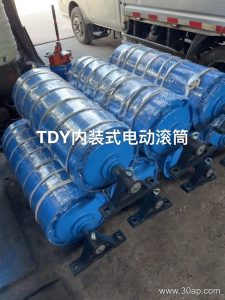
Buyers often call this part a conveyor bracket, roller support bracket, or idler frame bracket. All refer to the same assembly. It should not be confused with a drive pulley, tail pulley, or bend pulley, which are separate components with different functions.
How the Assembly Is Built
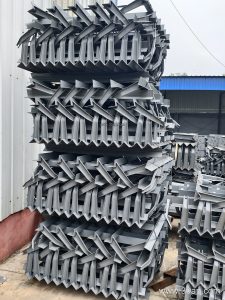
Most assemblies are fabricated from angle steel, channel steel, or folded steel plate. The frame is cut, drilled, and welded, then finished with paint or galvanizing depending on the environment. Key features include mounting slots for the idler shaft, cross beams sized to the belt width, and reinforced corners where the load is highest.
Common belt widths for bracket design include B500, B650, B800, B1000, B1200, B1400, B1600, B1800, B2000, B2200. The trough angle and roller diameter are selected together with the belt width and material load. For example, a B800 bracket at 35 degrees with Ø108 rollers is a common mid-duty combination, while a B1200 bracket at 45 degrees with Ø133 rollers suits heavier bulk flows. These are reference examples, not fixed rules, and hole spacing changes with each design.
Where It Fits on the Conveyor
Bracket assemblies appear along the entire carry side and return side. Troughing brackets support the loaded belt between the tail and head. Transition brackets ease the belt from flat to troughed near pulleys. Return brackets hold the belt on the empty run, often with V-shaped rollers for self-cleaning. Impact brackets sit under loading points to absorb shock from falling material.
In a quarry or aggregate line, brackets work with abrasion resistant conveyor belt and heavy-duty idler rollers to handle sharp rock. In a coal mining operation, flame retardant conveyor belt and anti-static rollers are paired with brackets designed for dusty, underground conditions. Cement plants and power plant coal yards also rely on sturdy bracket assemblies to keep long overland conveyors aligned.
Choosing the Right Bracket Type
Selection starts with the belt width, trough angle, and roller diameter. Fixed brackets are simple and cost-effective for standard runs. Adjustable brackets allow the trough angle to be changed between common settings, which helps during commissioning or when material characteristics change. Self-aligning brackets include pivoting features that correct minor belt mistracking.
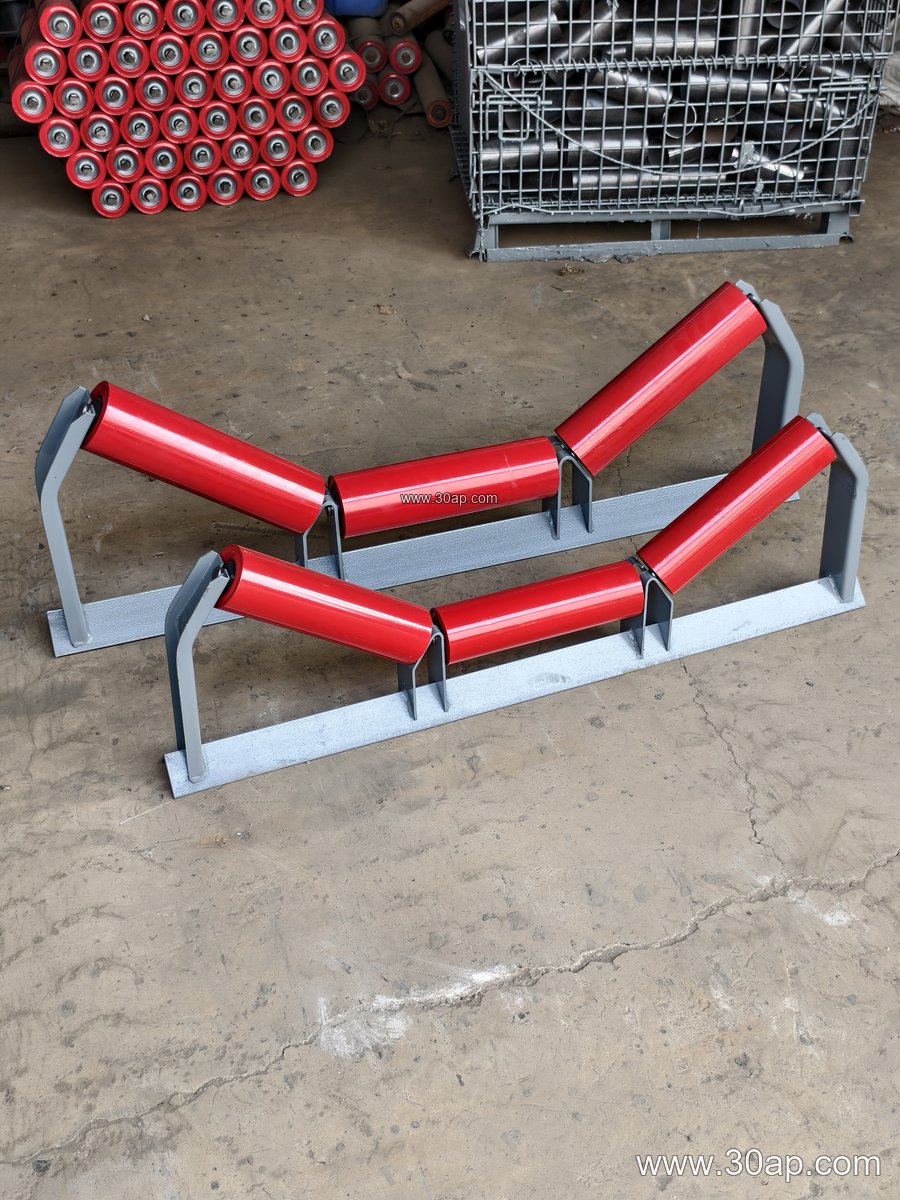
Other choices include cushion brackets for impact zones and suspended brackets for confined spaces. The table below shows typical reference combinations; final dimensions are confirmed by design.
| Belt Width | Trough Angle | Roller Diameter | Typical Use |
|---|---|---|---|
| B650 | 30 degrees | Ø89 | Light aggregate, sand |
| B800 | 35 degrees | Ø108 | General bulk material |
| B1000 | 35 degrees | Ø133 | Cement, coal |
| B1200 | 45 degrees | Ø133 | Heavy ore, quarry |
| B1400 | 45 degrees | Ø159 | High capacity mining |
Always match the bracket load rating to the belt tension and material weight. A bracket that is too light may deflect and cause belt edge damage.
Installation and Maintenance Notes
Proper alignment is critical. Brackets should be squared to the conveyor centerline and set at a consistent height. Use shims rather than forcing the frame. Check that idler rollers rotate freely after installation. During service, inspect for loose bolts, bent frames, and worn mounting holes. Replace damaged brackets promptly to avoid belt tracking problems and premature wear on the conveyor belt.
For more information on compatible components such as conveyor idlers and pulleys, contact your supplier with the full conveyor specification.