What a Conveyor System Pulley Does
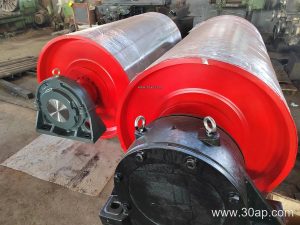
A conveyor system pulley is the rotating drum that drives, redirects, or tensions the conveyor belt. Unlike an idler roller, which supports the belt along its carrying run, the pulley transmits power and controls belt path at key transition points. In a limestone quarry or a coal-fired power plant, the drive pulley pulls the belt while the tail pulley maintains alignment and the bend pulley changes direction. Each position demands its own design, so drive, tail, and bend pulleys are not interchangeable.
Construction and Surface Options
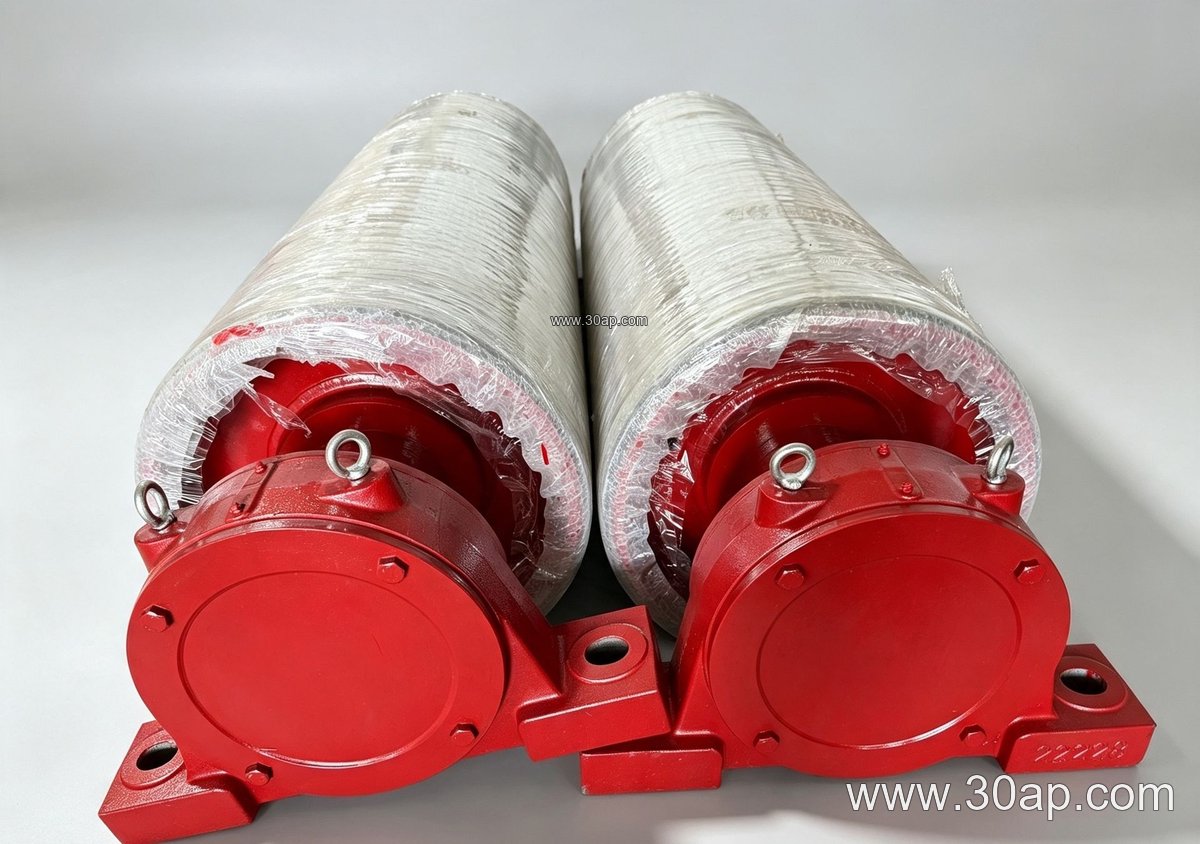
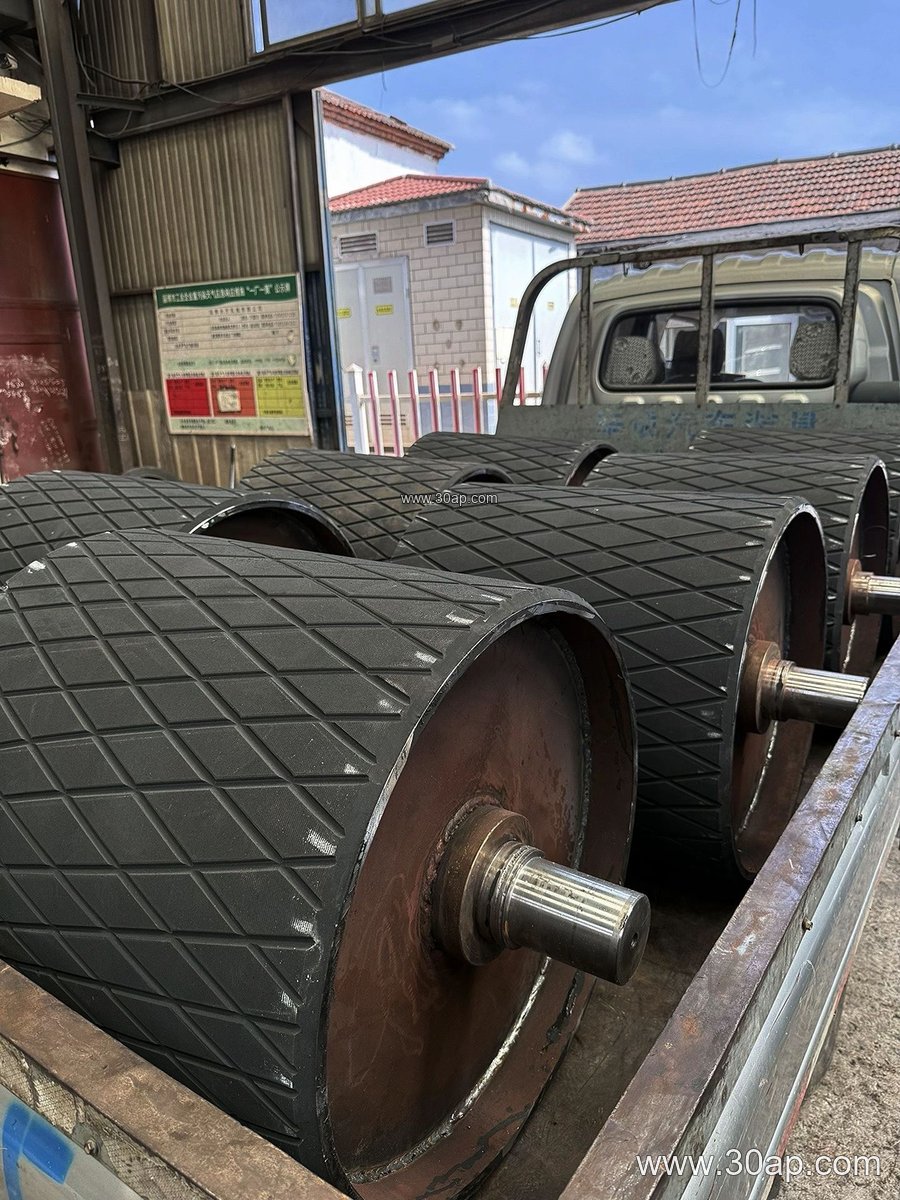
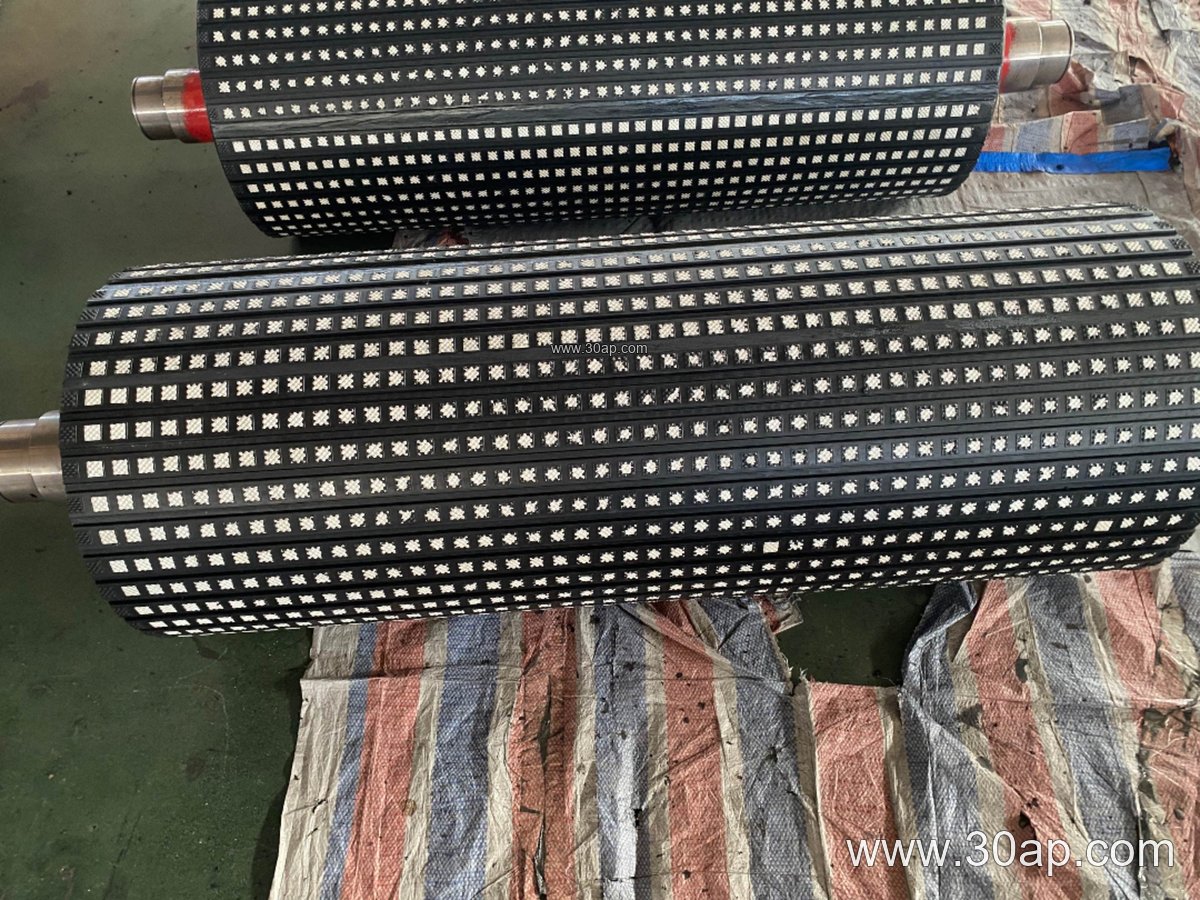
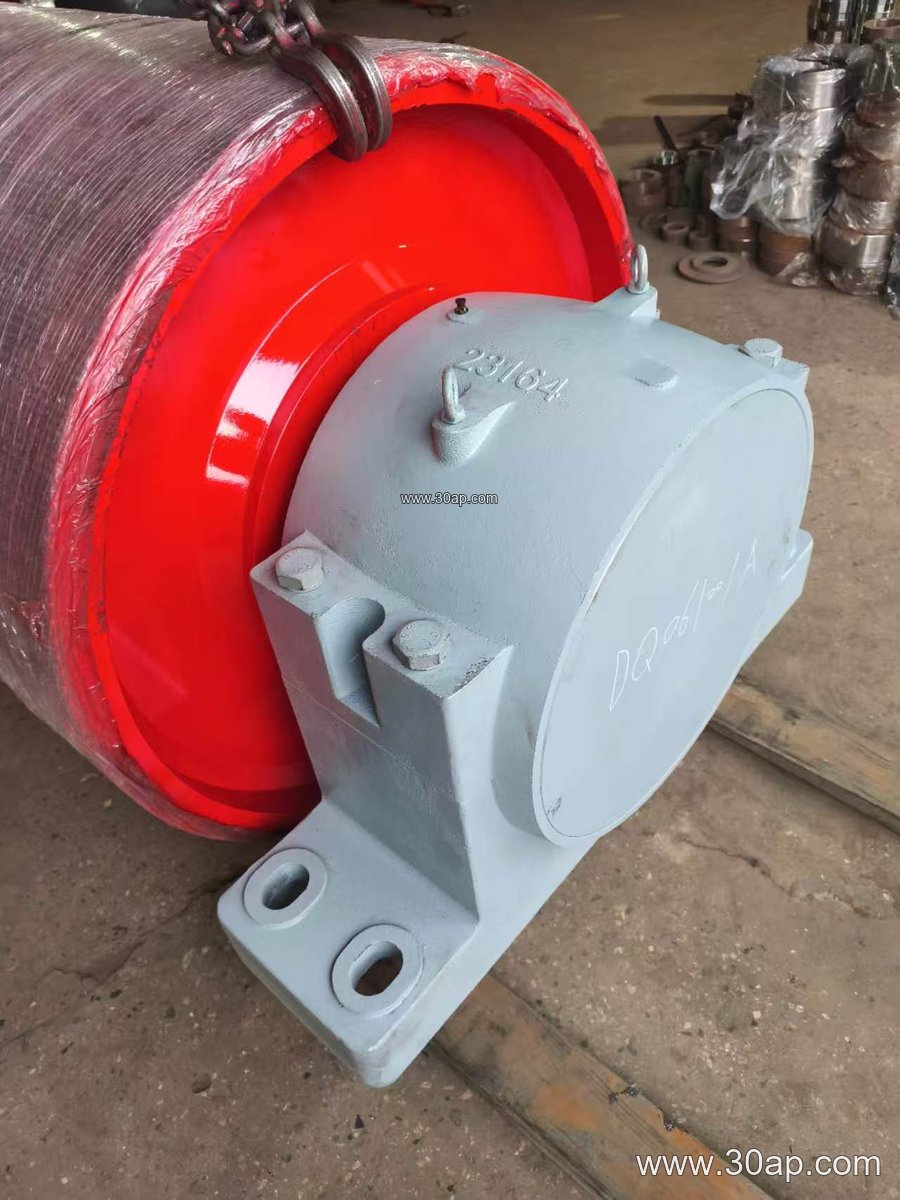
A typical conveyor pulley uses a steel shell, welded end discs, a shaft, and bearing housings. The shell may be plain or covered with rubber, ceramic, or other lagging. Common surface forms include smooth, cast rubber, cold-bonded rubber, hot-vulcanized rubber, diamond lagging, herringbone lagging, and ceramic lagging. Lagging thickness often falls in the 8–20 mm range, depending on grip and wear requirements. For abrasive conditions such as iron ore or copper ore handling, a high abrasion resistant conveyor belt works alongside a properly lagged pulley to reduce slip and extend service life.
Matching Pulley Dimensions to Belt Width
Pulley face width is usually wider than the belt itself. For example, a B800 belt often pairs with a pulley face around 950 mm, while a B1200 belt may use a 1400 mm face. Diameter is selected by torque, belt tension, and space, not by belt width alone. A B800 × Ø500 or B1200 × Ø1000 combination may appear in one design, but other diameters can be correct in different layouts. Shaft diameter is determined by load and torque; common sizes include Ø80, Ø100, Ø120, and Ø140, but no fixed shaft size follows directly from belt width.
| Belt width | Approx. pulley face width | Common diameter range |
|---|---|---|
| B650 | 750 mm | Ø250–Ø500 |
| B800 | 950 mm | Ø315–Ø630 |
| B1000 | 1150 mm | Ø400–Ø800 |
| B1200 | 1400 mm | Ø500–Ø1000 |
| B1400 | 1600 mm | Ø630–Ø1250 |
When specifying, state the belt width, expected tension, and pulley position. A B1600 or B1800 conveyor system pulley may need a larger shaft and heavier bearings than a B500 unit, but the final sizes come from the conveyor design.
Where These Pulleys Are Used
In a cement plant, a drive pulley at the head end powers the clinker belt, while a bend pulley redirects the return strand. In a coal mining operation, a flame retardant conveyor belt runs over a tail pulley that must resist build-up and misalignment. Port bulk terminals often use wide belts and large pulleys to handle high tonnage. Regardless of the site, the pulley works with the conveyor belt, idler roller, and conveyor bracket to keep the system tracking and tensioned.
Buyer Checklist
- Confirm the pulley role: drive, tail, bend, take-up, or snub.
- Provide belt width, belt type (for example EP conveyor belt or steel cord conveyor belt), and maximum tension.
- Specify lagging type and thickness if grip or wear protection matters.
- State the shaft size required by the coupling and bearing arrangement.
- Check that the pulley face width and diameter fit the available space.
A well-matched conveyor system pulley reduces belt slip, extends lagging life, and keeps the conveyor running smoothly from the crusher to the stockpile.