What the V-Type Idler Bracket Does on a Conveyor
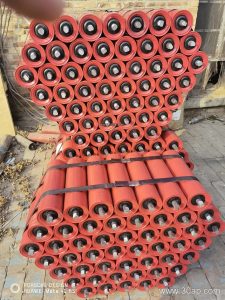
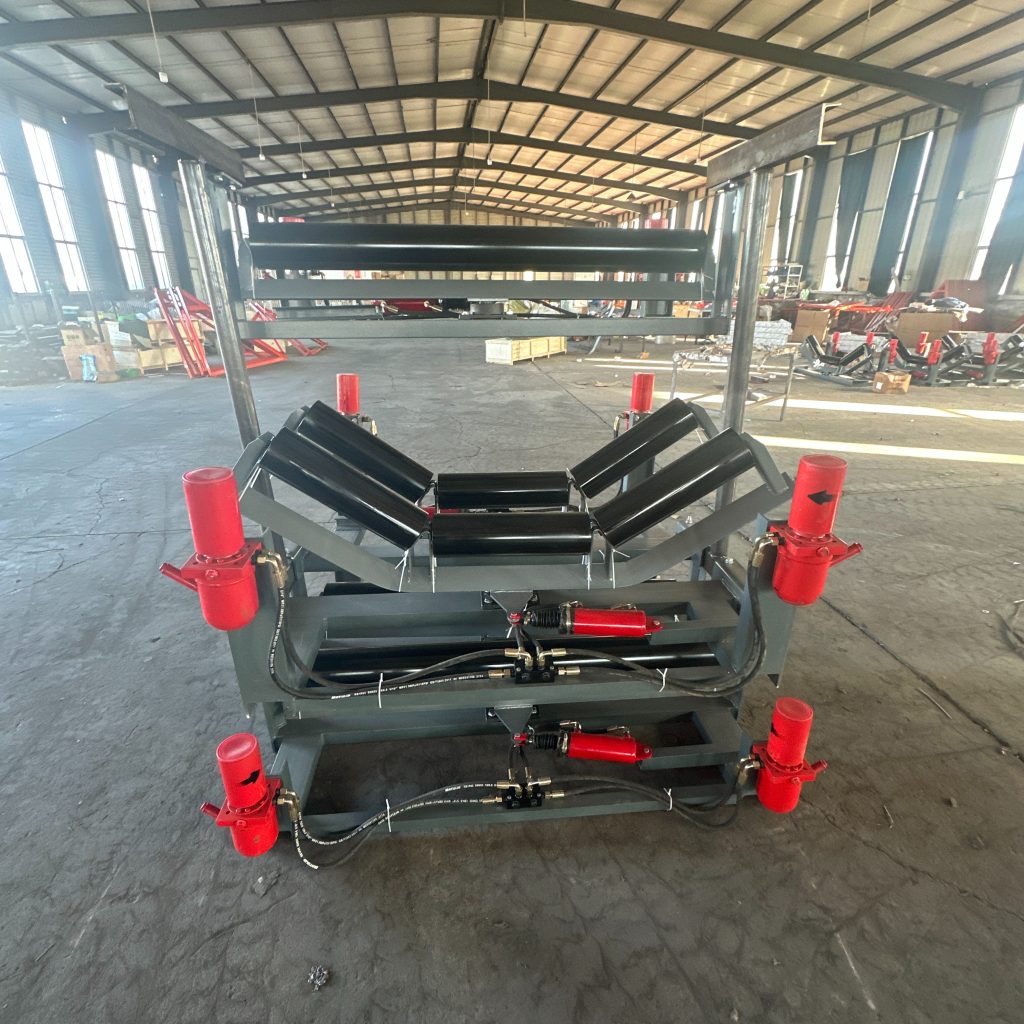
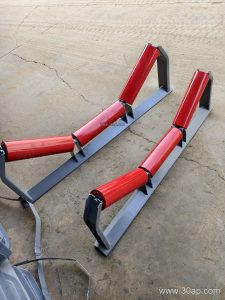
A V-Type Idler Bracket is the mounting frame that holds two idler rollers in a shallow V formation under the returning belt. Because the two rollers sit at an angle rather than flat, the belt is guided toward the center of the frame as it travels back to the tail end. This makes the bracket a practical choice in plants where misalignment, spillage, or belt wander causes frequent stoppages. The same component is also called a V-return idler frame or V-type return bracket, and those names describe the identical product.
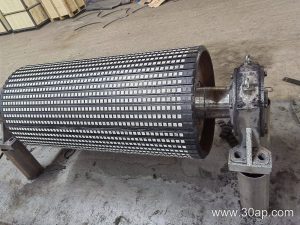
It is common to see the bracket working alongside a conveyor pulley at the discharge end and a head pulley drive unit, but the bracket itself belongs to the return run. It should not be confused with troughing brackets used on the carrying side, which support three rollers at a larger trough angle.
Construction and Mounting
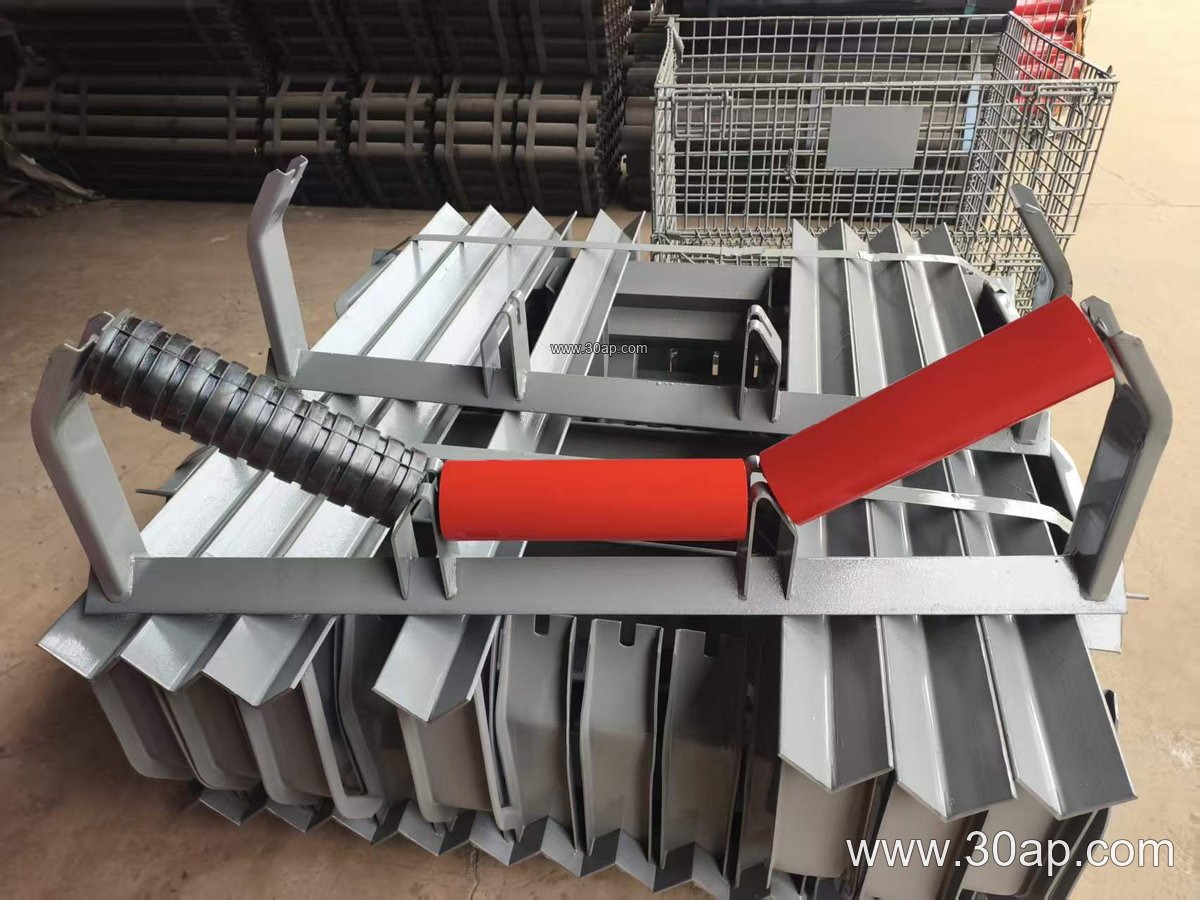
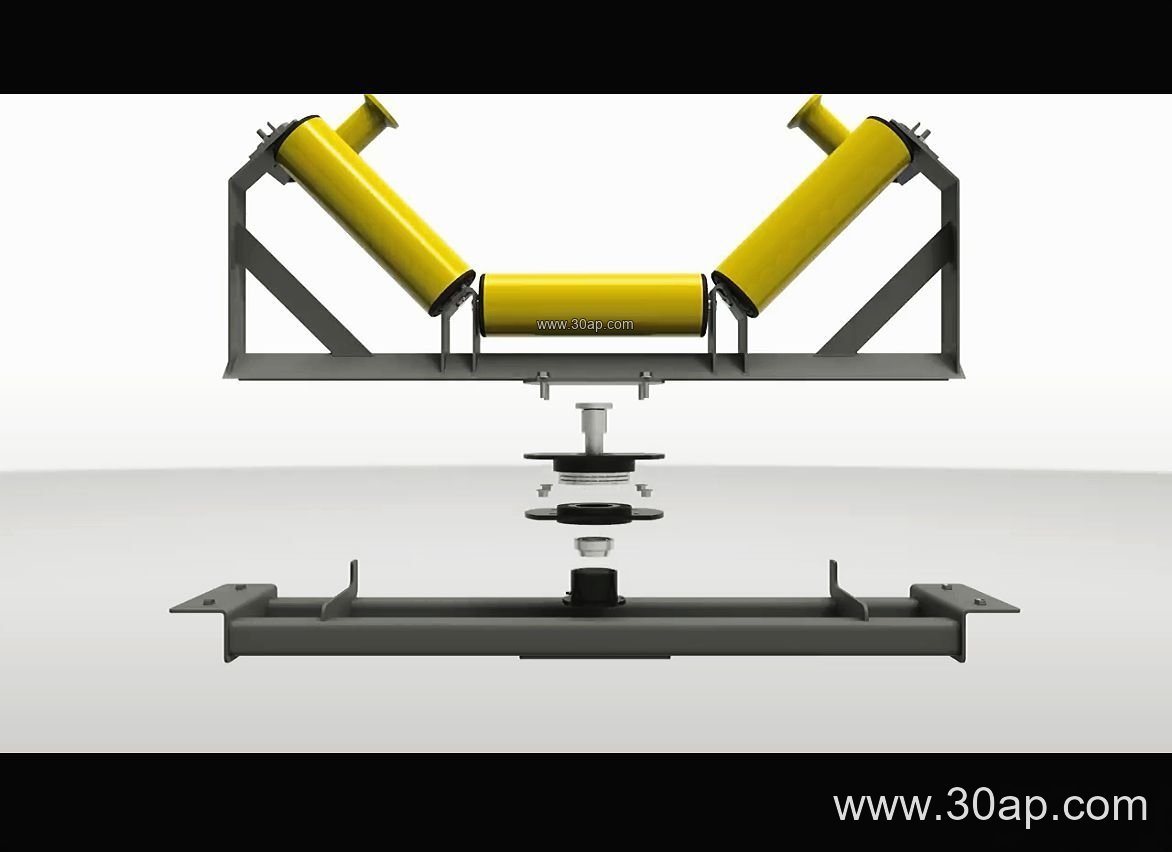
Most V-Type Idler Bracket units are fabricated from angle steel, channel steel, or folded steel plate. The two inclined arms carry slots or drilled holes for the idler shaft, and the frame is bolted to the conveyor stringer or cross beam. Depending on the design, the bracket may be fixed or adjustable, allowing the V angle to be set during installation.
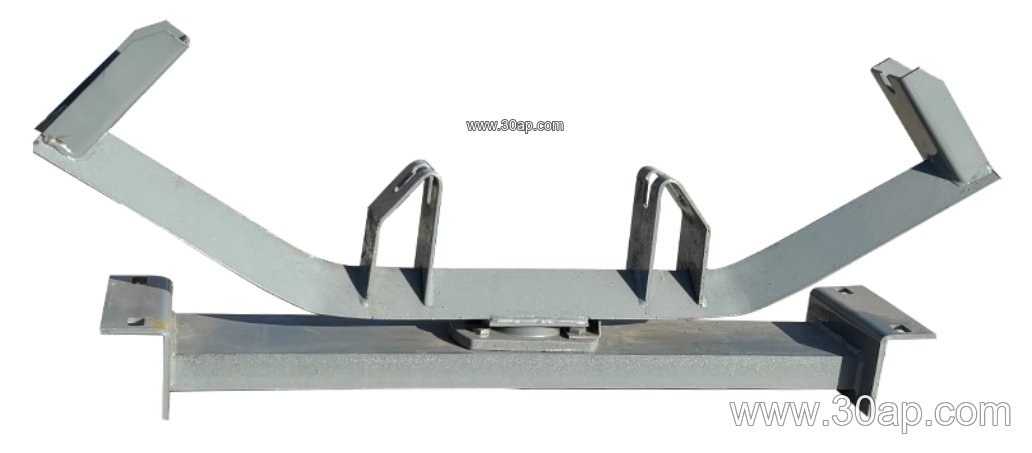
- Frame material: angle steel, channel steel, or bent plate
- Mounting: bolted to stringers or cross beams
- Adjustment: fixed or slotted for angle setting
- Typical idler fit: two rollers per frame
Installation height and hole spacing follow the belt width, the chosen V angle, and the roller diameter, so these values are usually confirmed against the conveyor drawing rather than taken from a single table.
Where It Fits in Bulk Handling
In a limestone quarry or a crushing and screening line, the return belt often carries fine dust and small stones that lodge against flat return rollers. A V-Type Idler Bracket helps shed that material and keeps the belt tracking. The same logic applies in a coal washing plant, a cement plant, or a power station coal yard, where a Mining Conveyor Belt or a Flame Retardant Conveyor Belt runs long distances on the return side.
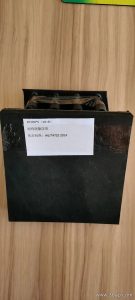
On heavier installations, the bracket may be paired with a Steel Cord Conveyor Belt or an EP Conveyor Belt, where belt stiffness affects how well the V shape centers the belt. In a port or ship loading system, the return frame is often checked together with the conveyor pulley alignment, because a small offset at the pulley can show up as belt wander at the V-return bracket.
Common Dimensions and Matching
Bracket sizes are usually quoted against belt width, V angle, and roller diameter. The table below shows typical reference combinations; actual values should be confirmed with the conveyor design.
| Belt Width | Typical V Angle | Typical Roller Diameter | Common Use |
|---|---|---|---|
| B500 | 20 degrees | Ø89 | Light aggregate lines |
| B650 | 30 degrees | Ø89 | Sand and gravel conveyors |
| B800 | 30 degrees | Ø108 | Cement and crushing plants |
| B1000 | 35 degrees | Ø108 | Coal handling and power plants |
| B1200 | 35 degrees | Ø133 | Iron ore and heavy bulk |
| B1400 | 35 degrees | Ø133 | Port and steel plant conveyors |
| B1600 | 45 degrees | Ø159 | High capacity mining lines |
| B1800 | 45 degrees | Ø159 | Large ore and overburden |
| B2000 | 45 degrees | Ø194 | Extra wide bulk systems |
Belt width does not dictate a single angle or roller size. A B800 frame may be built with a 30 degree V for one plant and a steeper angle for another, and the roller diameter is selected from the load and belt speed rather than from width alone.
Buyer Checklist
Before ordering, confirm the belt width, the return roller diameter, the required V angle, and whether the frame must be fixed or adjustable. Check the stringer spacing and the bolt hole pattern, and note whether the conveyor uses a fabric core belt such as NN Conveyor Belt or a rubber belt with different stiffness. Ask for the frame material and finish, and confirm that the bracket will accept the idler roller shaft end you plan to use.
For a plant running an Abrasion Resistant Conveyor Belt in a quarry, or a Heat Resistant Conveyor Belt near a kiln or sinter line, the return bracket should be inspected for build-up and wear at the same interval as the idler rollers. A worn V frame can tilt the rollers and cause edge damage long before the rollers themselves fail.