What a Return Idler Set Does on a Conveyor
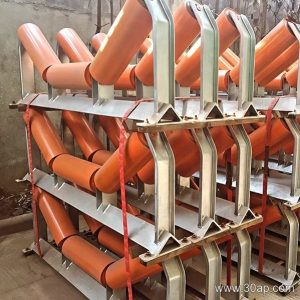
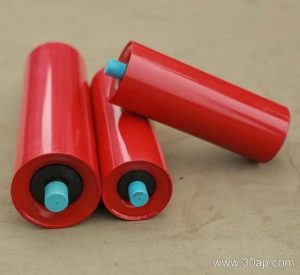
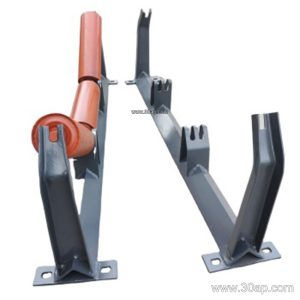
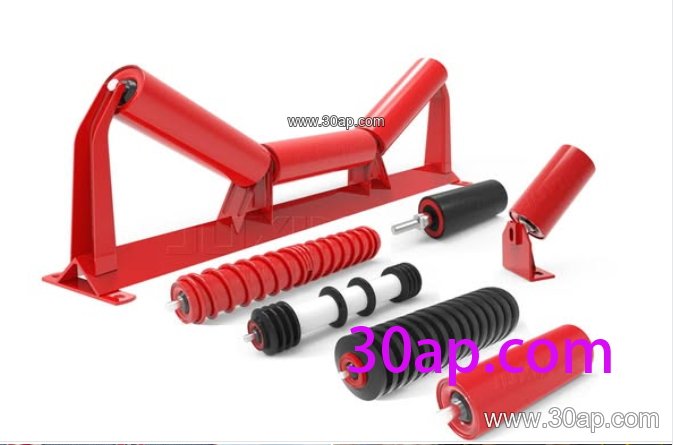
A return idler set is the group of rollers and mounting hardware that supports the empty, returning strand of a conveyor belt. After material has been discharged at the head end, the belt travels back underneath the carrying side, and this lower run needs steady support to prevent sag, edge damage, and excess power draw. In a typical installation the set includes the return idler roller or rollers, the shaft and bearing assemblies, and the frames or hooks that attach the assembly to the conveyor stringer. Some plants buy the rollers alone, while others prefer a complete set so that spacing and alignment stay consistent along the whole return run.
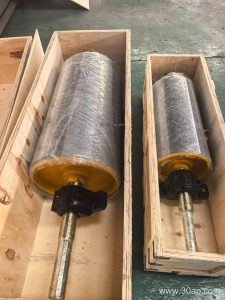
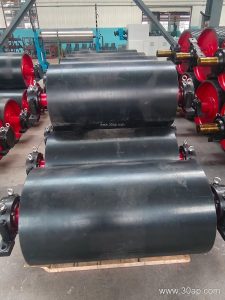
The set is often called a return roller assembly or lower idler group, and these names describe the same product. It should not be confused with a conveyor pulley at the drive, tail, or bend position; those are separate components with different duties. A return set simply carries the belt, while the pulleys transmit motion and change belt direction.
Construction Details That Matter
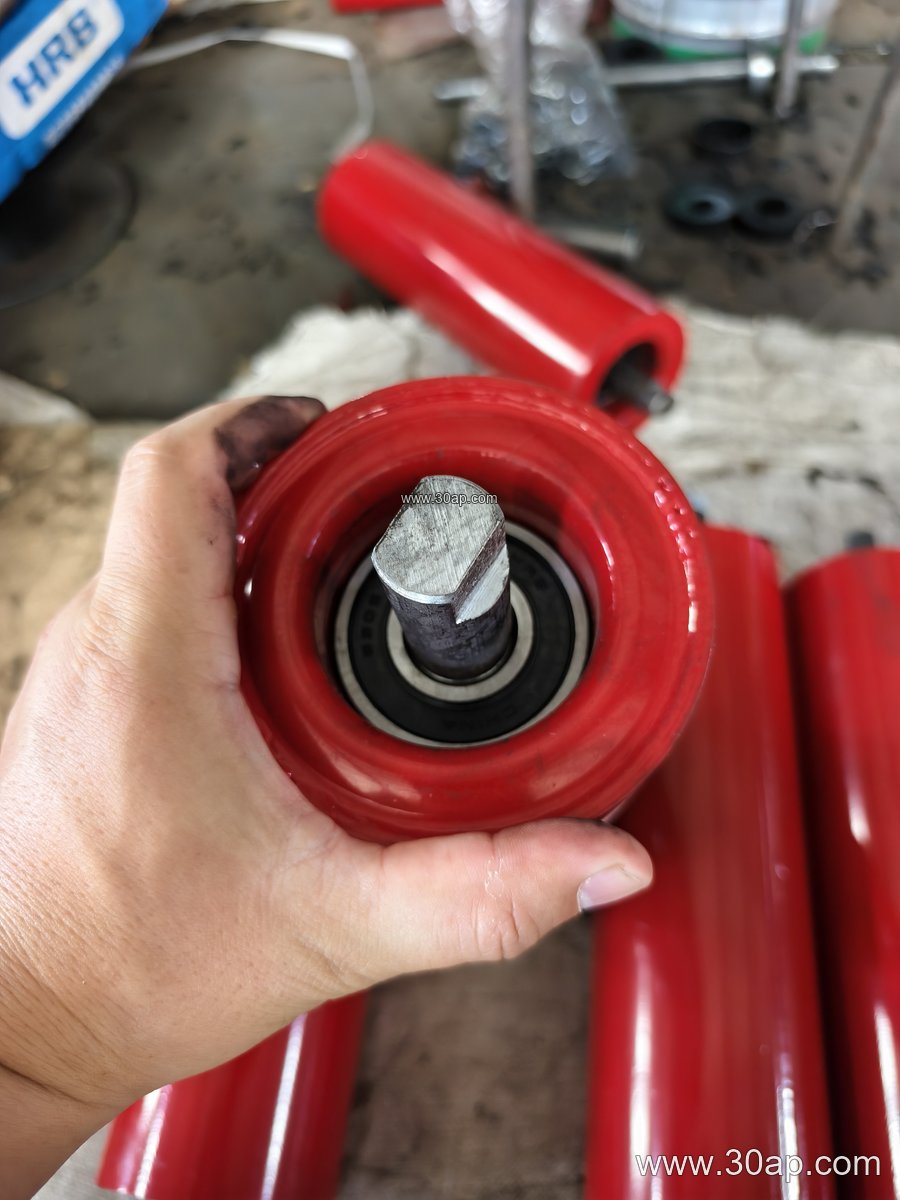
Most return sets use steel tube rollers fitted with sealed bearings, a through shaft, and a frame that holds the roller at the correct height. Common roller diameters include Ø89, Ø102, Ø108, Ø127, Ø133, Ø159, and larger sizes for heavy belts. Bearing numbers such as 6204, 6205, 6305, 6306, and 6308 appear across many designs, but a given bearing is not tied to one roller diameter. The seal design is important in dusty service: labyrinth seals and multi-stage grease retention help keep fine material out of the bearing cavity.
Roller surfaces vary. Plain steel is common, while rubber discs or rings are used where impact or material build-up is a concern. In some plants a spiral or self-cleaning roller is chosen to shed sticky fines. Frames may be fixed or suspended, and the mounting method should match the conveyor bracket already welded or bolted to the stringer.
Common Configurations and Reference Dimensions
Return sets are usually single-roller, but two-roller V-shaped and offset arrangements are also used to improve belt tracking on the lower run. The table below gives common reference values; actual roller length depends on belt width, frame type, and the space available under the conveyor.
| Belt width | Typical return roller length (reference) | Common roller diameter range |
|---|---|---|
| B500 | about 200 mm (three-roll carrying example) | Ø63 to Ø108 |
| B650 | about 250 mm | Ø76 to Ø108 |
| B800 | about 315 mm | Ø89 to Ø133 |
| B1000 | about 380 mm | Ø89 to Ø159 |
| B1200 | about 465 mm | Ø102 to Ø159 |
| B1400 | about 530 mm | Ø108 to Ø178 |
| B1600 | about 600 mm | Ø127 to Ø194 |
| B1800 | about 670 mm | Ø133 to Ø194 |
| B2000 | about 750 mm | Ø159 to Ø219 |
These figures are examples only. The return roller length is not the same as the carrying idler length, and the frame design can shift the value. A buyer should confirm the shaft end type, the fixing centres, and the clearance under the belt before ordering.
Where Return Sets Are Used
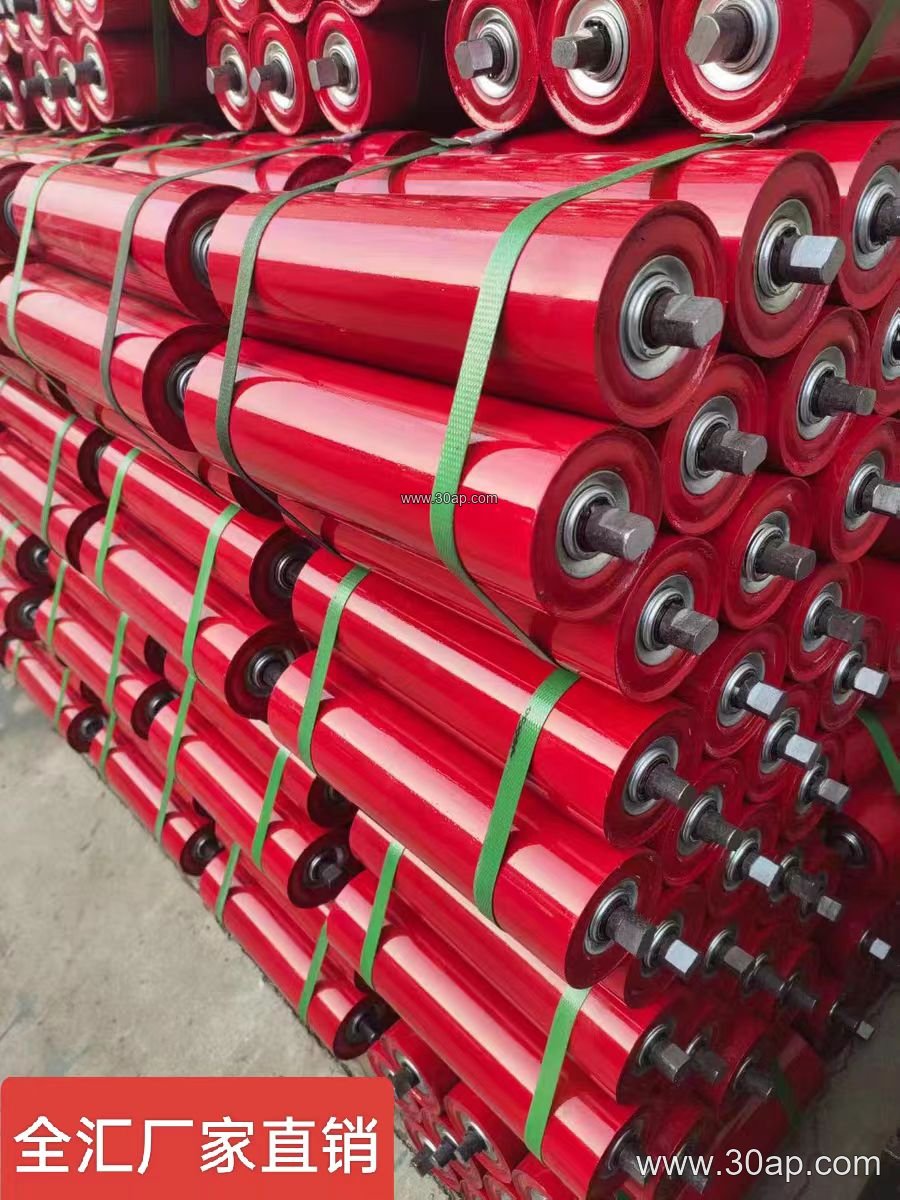
Return idler sets appear in almost every bulk handling line. In a limestone quarry or aggregate plant they support the lower run behind the crusher and screens, where dust and spillage are constant. In a coal washing plant or power station coal yard, flame retardant and anti-static properties of the belt are critical, and the return rollers must tolerate fine coal dust. Cement plants use them under clinker and raw meal belts, while iron ore and copper ore operations need heavier frames and larger bearings for dense, abrasive loads.
The set also matters on belts carrying a Rubber Conveyor Belt or an EP Conveyor Belt in a sand and gravel line, where misalignment on the return side quickly leads to edge wear. On long overland runs using a Steel Cord Conveyor Belt, return roller spacing and rolling resistance have a direct effect on energy use, so a well-matched set is worth the attention.
Buyer Checklist Before Ordering
- Confirm belt width and the actual return roller length required, not just the nominal figure.
- Check the shaft diameter and end shape against the existing conveyor bracket.
- Match the roller diameter to the belt speed and load; larger diameters suit higher speeds and heavier belts.
- Ask about seal type and bearing size for dusty or wet conditions.
- Decide whether a single roller, V-return, or self-cleaning roller suits the material being carried.
- Verify that the frame finish and any rubber surfacing are suitable for the site environment.
For anyone sourcing conveyor components, it helps to compare the return set with the carrying idlers and the conveyor pulley schedule at the same time. A return idler set that fits the belt width but not the frame will cause installation delays, and a set with the wrong seal will fail early in a dusty quarry or coal yard. Taking a few measurements and confirming the mounting detail is the simplest way to avoid that outcome.