What a Heavy-Load Belt Conveyor Idler Does on a Demanding Line
A heavy-load belt conveyor idler is the rotating support that carries a loaded conveyor belt between the tail and discharge points. In a limestone quarry, a copper ore concentrator, or a power plant coal yard, the idler must hold the belt profile, keep the belt tracking, and absorb the constant rolling contact of abrasive bulk material. The idler roller itself is a simple assembly, but in heavy-duty service its bearings, shaft, and shell decide how long the whole conveyor runs without stoppage.
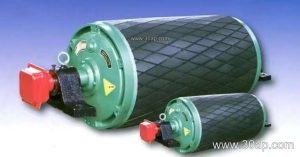
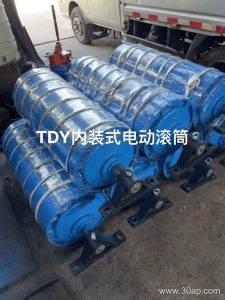
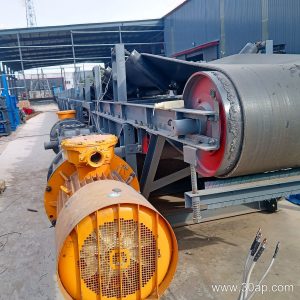
This article looks at the heavy-load belt conveyor idler as a product: how it is built, which forms suit which position, and what a buyer should check before ordering. Drive pulleys, tail pulleys, and bend pulleys are separate components and are not interchangeable with idlers; they transmit or redirect belt tension, while the idler only supports the belt.
Construction and Common Forms
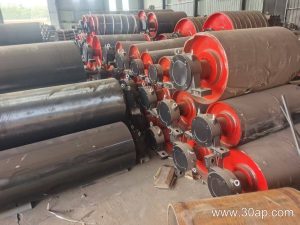
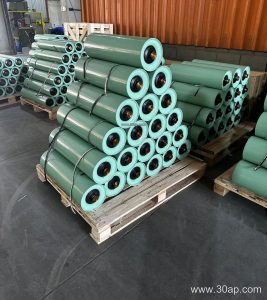
A typical heavy-load belt conveyor idler uses a steel tube shell, a through shaft, sealed bearing housings, and a labyrinth or contact seal. Roller surfaces may be plain steel, nylon, ceramic, or rubber rings, depending on whether abrasion, impact, or material build-up is the main concern. Bearing sizes such as 6205, 6305, 6306, 6308, and 6310 appear in this class, but no single bearing is tied to one roller diameter.
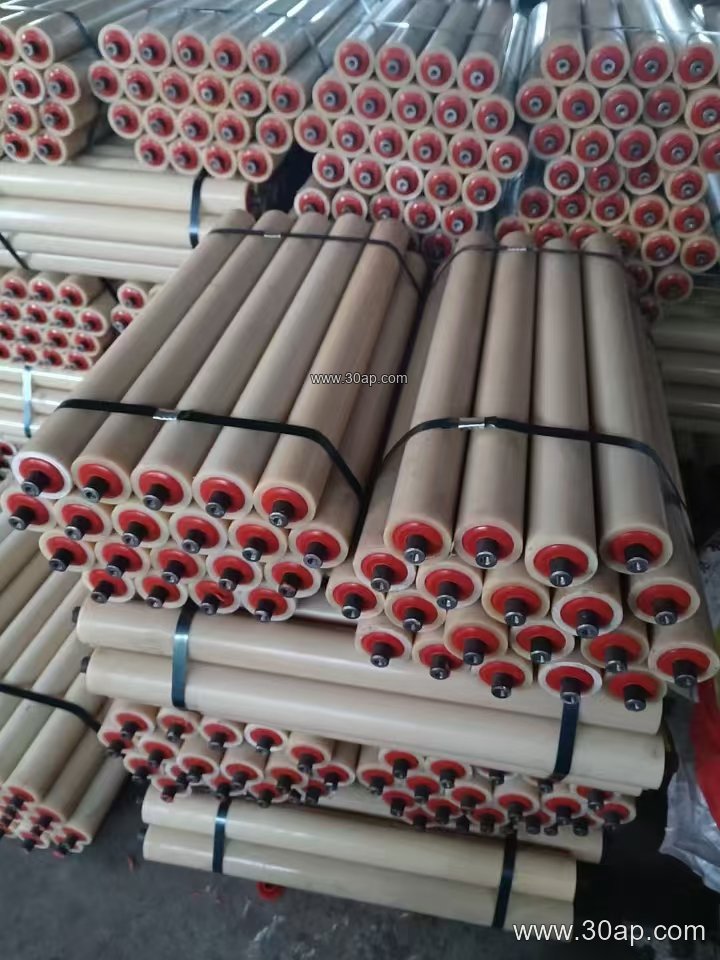
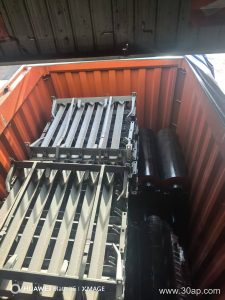
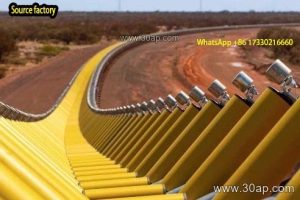
The carrying side usually uses a three-roll troughing set; return side positions may use a flat return idler or a V-return idler. Impact zones under a crusher discharge often take rubber-ring impact idlers, while self-aligning idlers help correct belt wander on long runs. For reference, common roller diameters in this range include Ø89, Ø108, Ø127, Ø133, Ø159, and Ø178 mm, with trough angles of 20, 30, 35, or 45 degrees. Roll length follows belt width and trough form; for example, a three-roll troughing set may use roughly 380 mm rolls on a B1000 belt and about 530 mm rolls on a B1400 belt, though side and center rolls can differ.
| Reference item | Common example | Note |
|---|---|---|
| Roller diameter | Ø89 to Ø178 mm | Selected by load and belt speed |
| Belt width | B800, B1000, B1200, B1400, B1600 | Roll length set by design |
| Trough angle | 20°, 30°, 35°, 45° | Affects material cross-section |
| Bearing | 6205, 6305, 6308, 6310 | Matched to duty, not to one size |
Where Heavy-Load Idlers Are Used
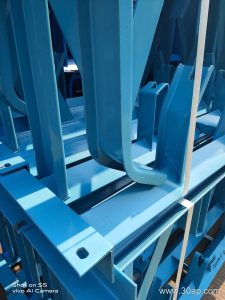
These idlers appear wherever a conveyor moves dense or sharp material at high tonnage. In a sand and aggregate plant, a heavy-load belt conveyor idler supports a rubber conveyor belt carrying crushed stone after screening. In an iron ore or gold mining operation, the same idler class handles ore conveyor belt loads where dust and moisture attack seals. Cement plants use them on clinker and raw meal lines, and steel plants rely on them under sinter and coke. The conveyor bracket and frame must match the idler spacing and load rating so the roller sits square to the belt.
Selection should also consider the belt itself. A steel cord conveyor belt or a high-strength EP conveyor belt can run at higher tension, and the idler spacing must be checked against sag limits. Heat resistant conveyor belt and flame retardant conveyor belt are common in power plant and coal mining conveyor belt service, where idler seals must resist dust and moderate heat.
Buyer Checklist Before Ordering
- Confirm belt width, trough angle, and whether the position is carrying, return, impact, or transition.
- State the material, lump size, and expected loading so the roller diameter and bearing class can be matched.
- Check seal type for dusty or wet conditions; a poor seal shortens bearing life faster than shell wear.
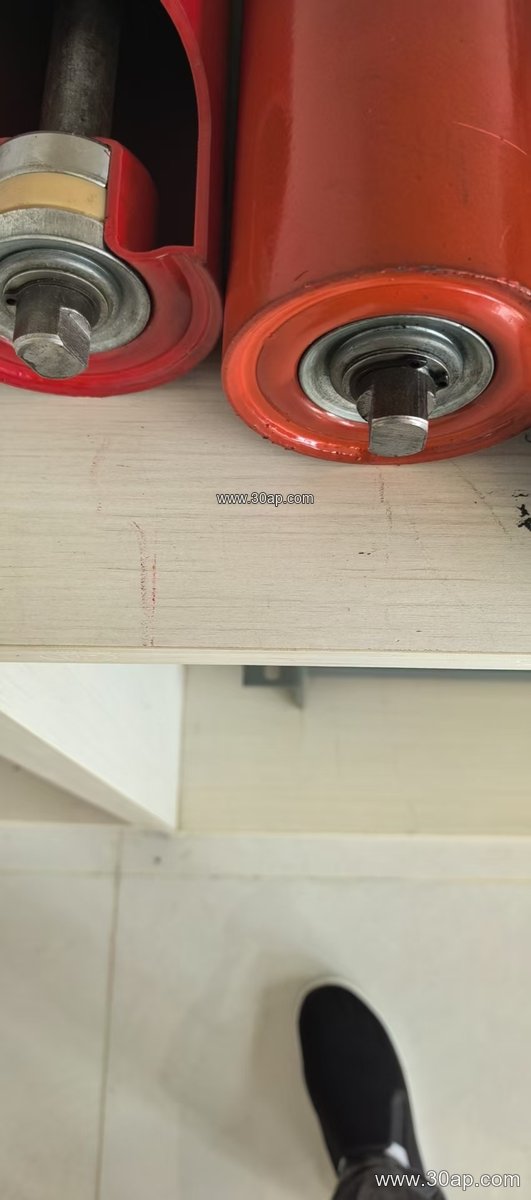
- Verify shaft end fixing and bracket dimensions against the existing conveyor frame.
- Ask for roller runout and rotation checks, since a stiff idler roller drags on the belt and raises power demand.
For a bulk material conveyor belt system, the heavy-load belt conveyor idler is a wear item that rewards careful specification. Buyers who match diameter, bearing, seal, and trough form to the actual duty get longer service and fewer belt tracking problems. Visit www.eastbelt.com for related conveyor belt and idler roller information, and compare idler options against conveyor pulley and conveyor bracket requirements before finalizing a line layout.