What a Rubber Conveyor Belt Is
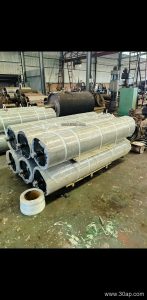
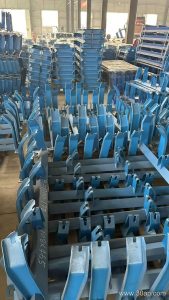
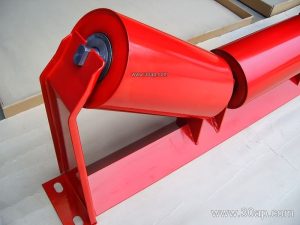
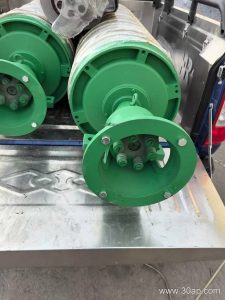
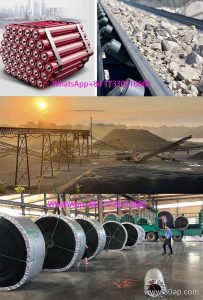
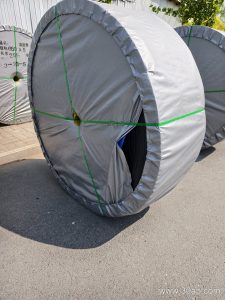
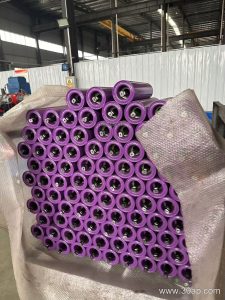
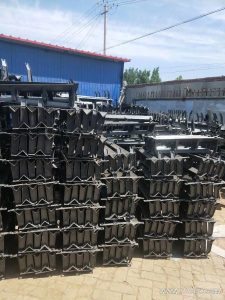
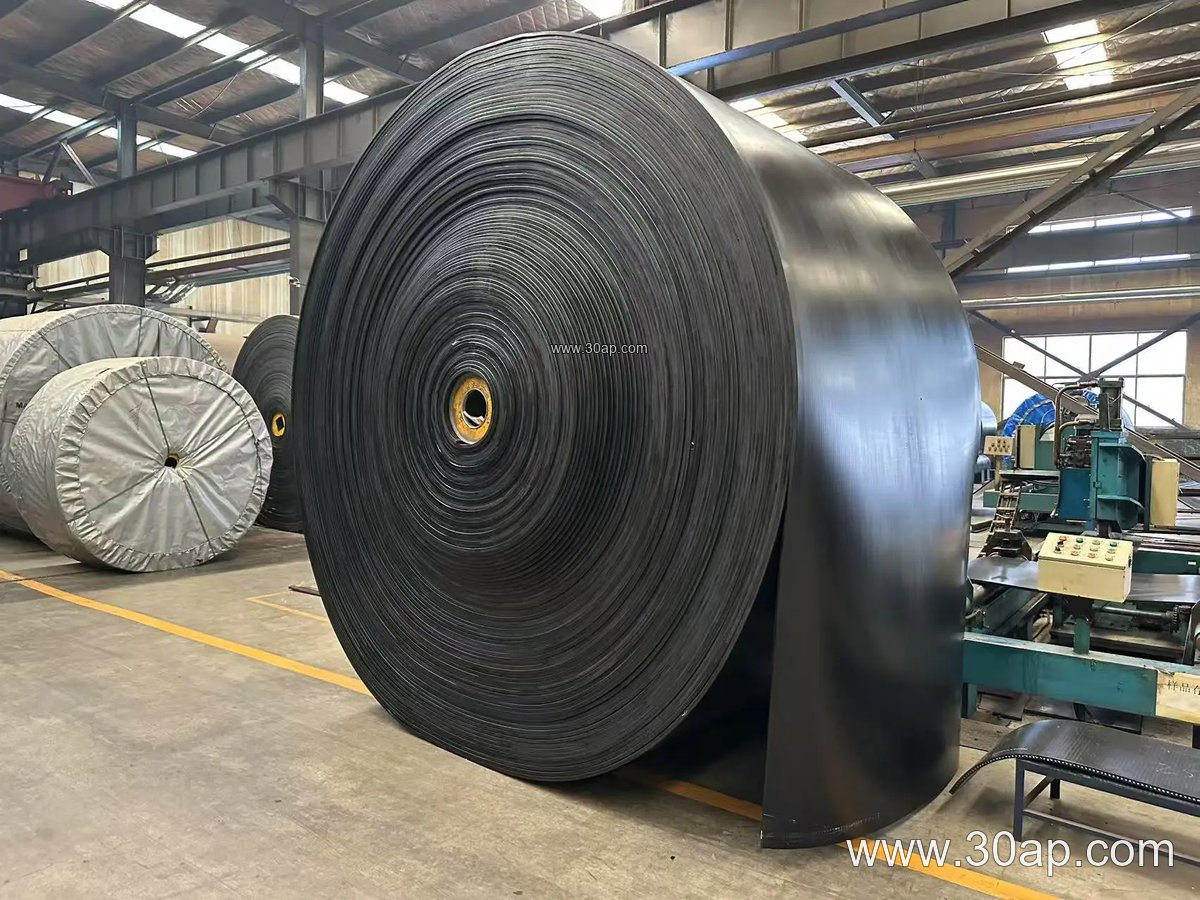
A rubber conveyor belt is the load-carrying component of a belt conveyor system, used to move bulk materials such as ore, coal, cement, aggregate, and sand over long distances. The belt itself is a composite structure: a tension-bearing carcass embedded in rubber, topped with a cover rubber that protects against wear, impact, heat, or chemicals. In heavy industries—mines, coal preparation plants, cement works, power stations, and quarry operations—the belt works alongside conveyor pulleys, idler rollers, and conveyor brackets to form a continuous haulage route.
Construction and Common Types
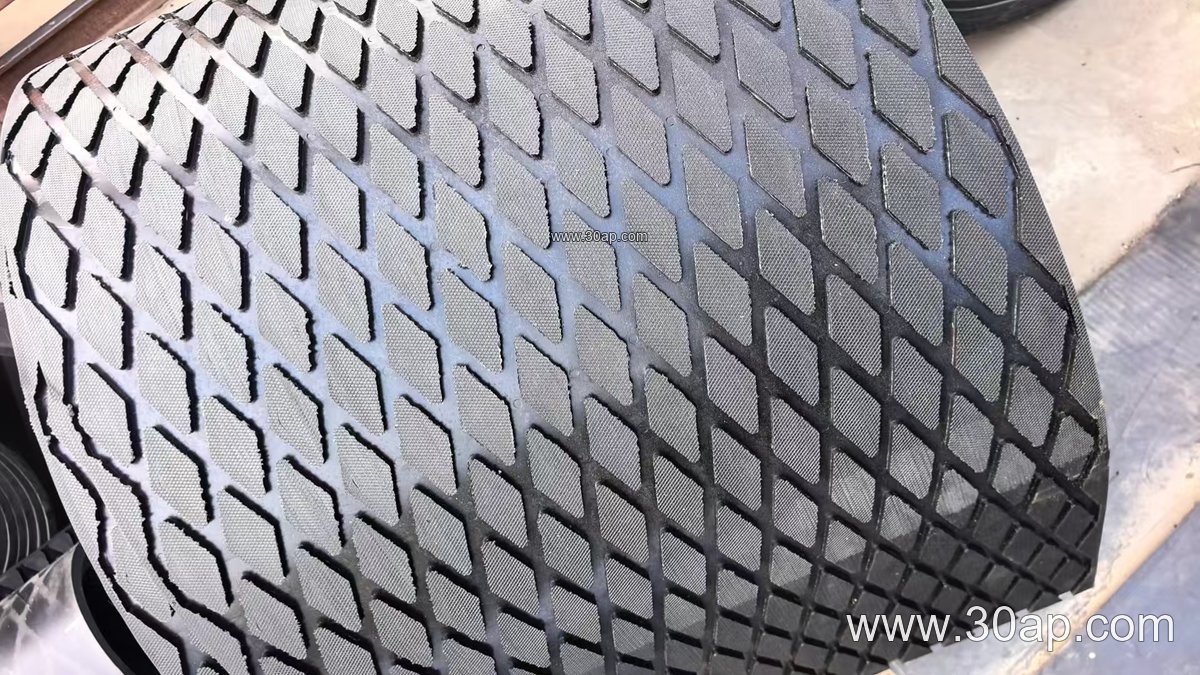
The carcass determines the belt’s strength and flexibility. Fabric-core designs use multiple plies of woven fabric, typically 2 to 6 layers, with EP (polyester-nylon) or NN (nylon-nylon) fabrics. EP conveyor belts are common in general bulk handling, while NN conveyor belts offer high elongation resistance for shock-loading duties. Steel cord conveyor belts use parallel steel wires for very high strength and long center distances. For underground coal mining, PVC and PVG conveyor belts are often specified for flame resistance. Surface patterns such as chevron conveyor belts help control material rollback on inclines, and corrugated sidewall belts with cleats suit steep or space-limited routes.
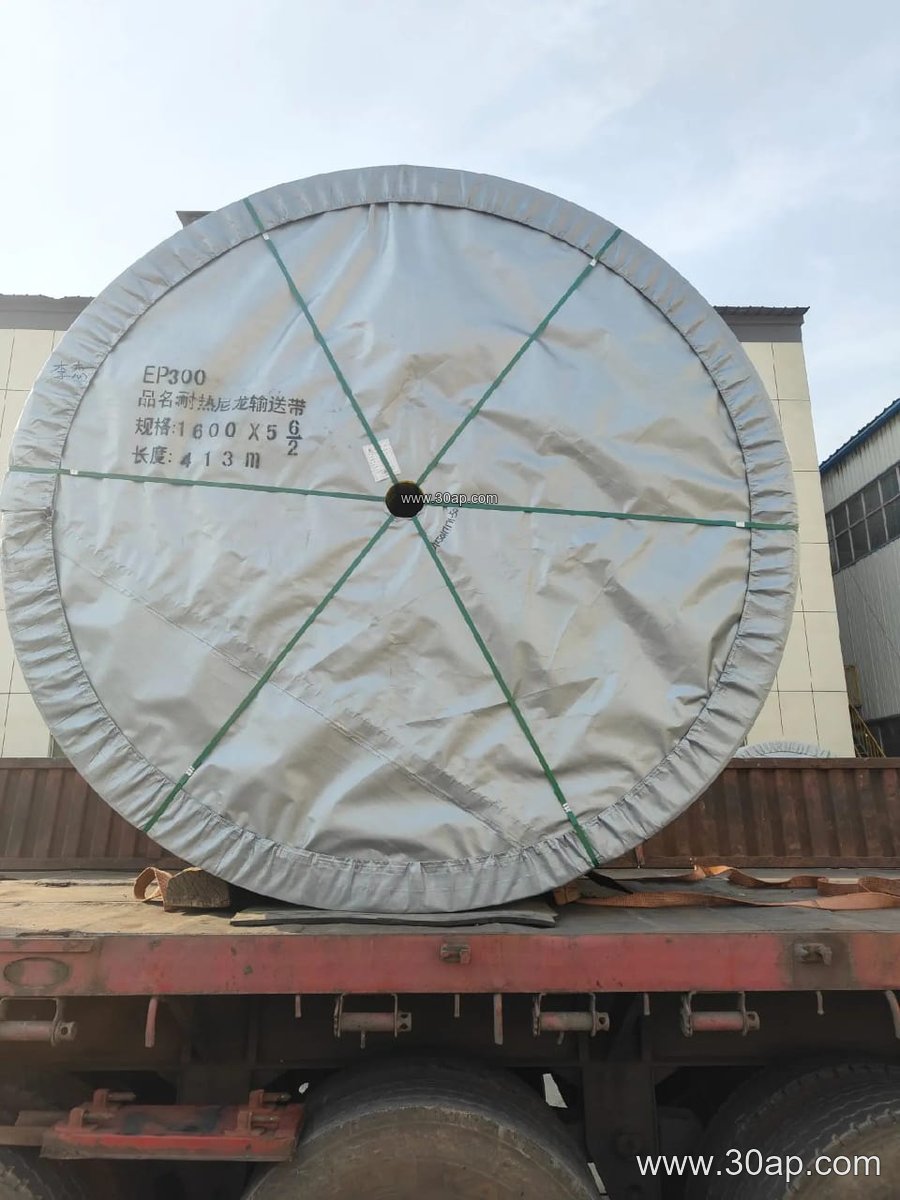
Cover rubber grades are selected to match the duty: abrasion resistant conveyor belts for crusher discharge and quarry conveyor belts, heat resistant conveyor belts for cement and sinter, oil resistant grades for recycled oil or oily scrap, and flame retardant conveyor belts for coal handling. Belt widths commonly range from 500 mm to 2000 mm, with cover thicknesses such as 4+2 mm, 5+2 mm, 6+2 mm, and 8+3 mm. Strength grades for fabric belts include EP200, EP400, EP630, EP1000, and EP1250; steel cord grades include ST1000, ST1600, and ST2500. These are reference ranges, not fixed supply promises, and final selection depends on the conveyor design.
Where It Is Used
Rubber conveyor belts appear across many bulk material handling sectors. In mining, they move run-of-mine ore from crusher conveyor belts to stockpiles; underground mining conveyor belts and coal mining conveyor belts require flame retardant and anti-static properties. Cement plants use heat resistant belts near kilns and abrasion resistant belts for clinker. Power plants rely on fire resistant conveyor belts for coal bunker feeding. Quarries and sand making plants use heavy-duty conveyor belts for stone crushing and aggregate transport. Ports and ship loading facilities use wide conveyor belts, often 1200 mm to 2000 mm wide, for high-capacity loading. The belt is supported by idler rollers and driven by conveyor pulleys, while conveyor brackets hold the structure together.
Buyer Checklist
Before ordering, confirm the material being conveyed, lump size, temperature, and any chemical exposure. Check the required tensile strength and belt width against the conveyor’s calculated load. Specify cover thickness and grade, for example an abrasion resistant cover for sharp rock or a heat resistant cover for hot cement. For underground coal work, confirm flame retardant and anti-static requirements. Consider the pulley diameters and idler roller spacing—these affect belt flexibility and splice design, but there is no single belt width that matches only one pulley diameter. Also plan for splicing: endless conveyor belts are joined on site, and the splice strength depends on carcass type. A rubber conveyor belt is a long-term investment, so matching the belt to the actual duty, rather than over- or under-specifying, keeps the system reliable.
Maintenance Notes
Regular inspection of the belt surface, edges, and splices helps catch wear early. Keep idler rollers turning freely and check conveyor pulleys for buildup that can damage the cover. Misalignment at the tail pulley or uneven loading often causes edge wear; correcting the loading chute and belt training reduces premature failure. Store spare belts in a dry, shaded area and avoid sharp bends. For high-abrasion duties, thicker covers such as 8+3 mm may extend service life, but the belt’s carcass strength and pulley diameters must still be compatible.