What a Belt Conveyor Bracket Does
At first glance, a belt conveyor bracket looks like a simple piece of steel. In practice, it is the component that holds the idler roller in the right position and keeps the conveyor belt tracking smoothly. Whether you are running a heavy-duty mining conveyor belt or a smaller aggregate conveyor belt in a quarry, the bracket ties the whole load-bearing structure together. It connects the idler frame to the conveyor stringer and sets the trough angle that shapes the belt into a curve for bulk material transport. Without a properly sized and installed bracket, even a top-grade EP conveyor belt or steel cord conveyor belt will wear unevenly and mistrack.
Construction and Common Materials
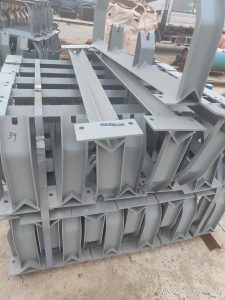
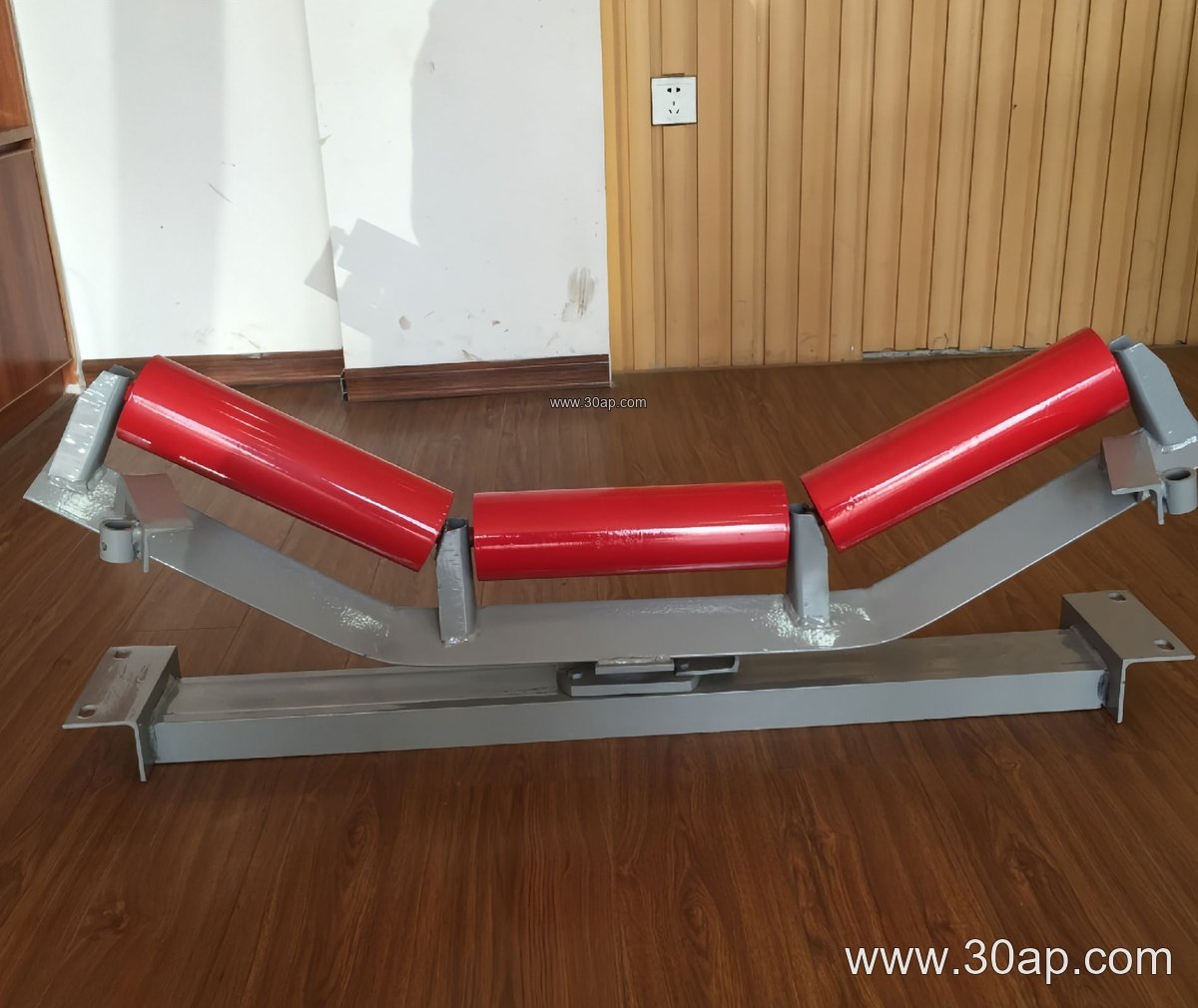
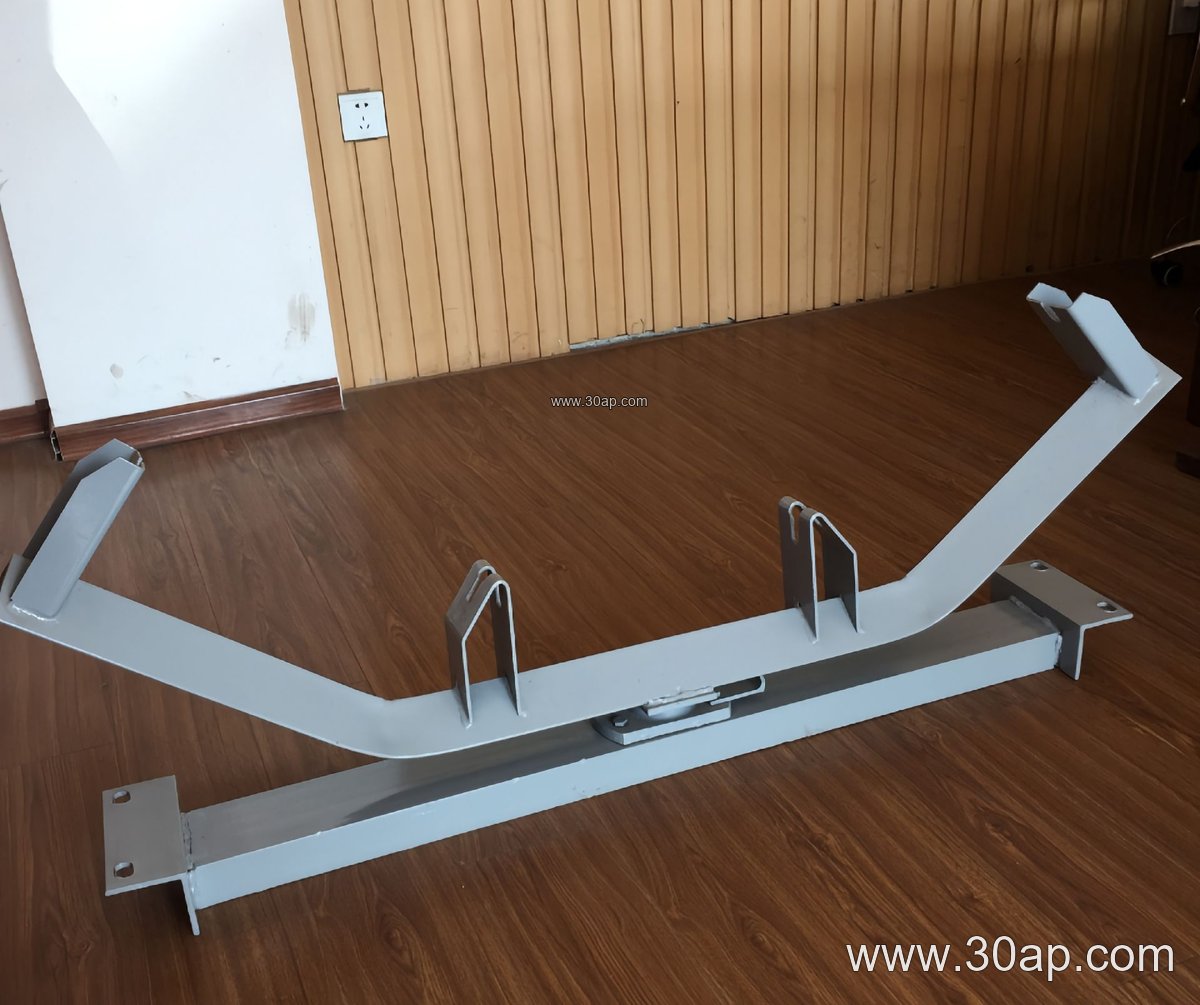
Most brackets are fabricated from angle steel, channel steel, or bent steel plate. The choice depends on the load and the environment. In a coal mining conveyor belt system, for example, brackets often need extra stiffness and corrosion resistance. Fabricators punch or drill mounting holes to match the idler shaft and the stringer spacing. Because belt widths range from B500 to B2200, the crossbeam length and hole pitch change with each design. A bracket for a B800 conveyor will not fit a B1400 frame, so buyers should always confirm the mounting dimensions rather than assume a universal fit.
Typical bracket forms
- Troughed carrying bracket for the upper run, usually set at 20, 30, 35, or 45 degrees
- Transition bracket near the head or tail pulley to ease the belt from flat to troughed
- Return bracket or V-return bracket for the lower run
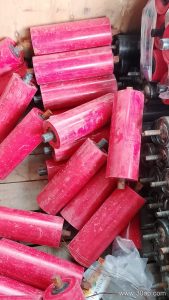
- Impact bracket under the loading point, often paired with impact idler rollers
- Self-aligning bracket to help correct belt drift
- Adjustable bracket that allows the trough angle to be changed on site
Where It Fits in the Conveyor Line
On a typical conveyor, the belt conveyor bracket sits between the stringer and the idler roller. The upper brackets support the carrying side, while return brackets hold the belt on the way back. In a cement plant or power plant coal yard, you will see rows of these brackets spaced along the conveyor. In a crushing and screening circuit, transition brackets help the belt move from the flat pulley face into a full trough without stressing the edges. The same component also appears in port ship loading conveyors and in tunnel spoil removal lines, where space and dust resistance matter.
Matching Bracket, Belt, and Roller
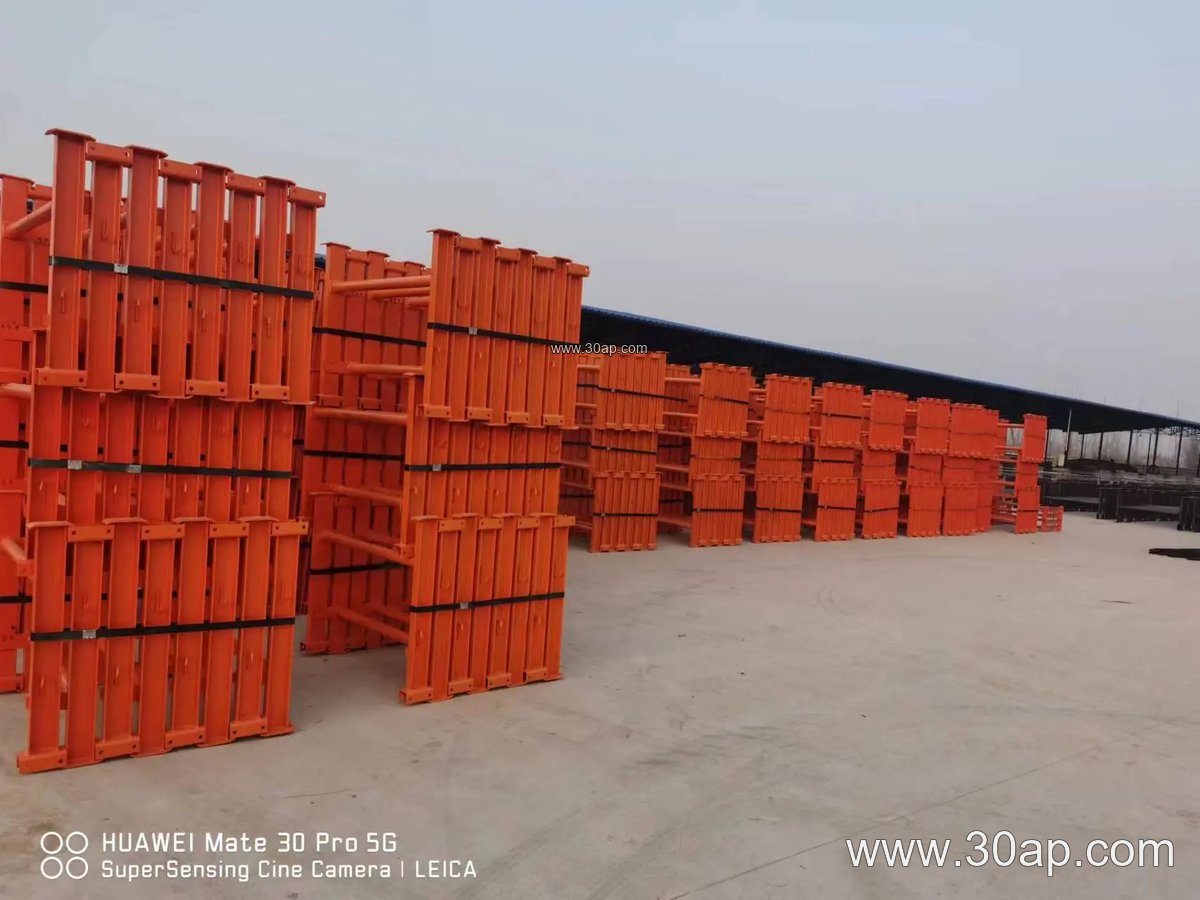
Selection is not about picking one size and applying it everywhere. A B650 conveyor running at 30 degrees with Ø89 idlers has different bracket needs from a B1200 conveyor at 45 degrees with Ø133 rollers. The table below shows example combinations; these are reference points, not fixed rules.
| Belt width | Common trough angle | Typical idler diameter | Bracket note |
|---|---|---|---|
| B500 | 20–30° | Ø89 | Light frame, short crossbeam |
| B800 | 30–35° | Ø108 | Standard carrying bracket |
| B1000 | 35° | Ø108–Ø133 | Reinforced hole spacing |
| B1200 | 35–45° | Ø133 | Heavy stringer connection |
| B1400 | 35–45° | Ø133–Ø159 | Longer crossbeam |
| B1600–B2000 | 35–45° | Ø159–Ø194 | Mining-duty fabrication |
When specifying, tell the supplier the belt width, the desired trough angle, the idler roller diameter, and the stringer hole pattern. Also mention the application: a quarry conveyor belt handling abrasive rock may call for thicker steel, while a food grade conveyor belt line may need a smooth, easy-clean bracket surface.
Adjustable vs Fixed Brackets
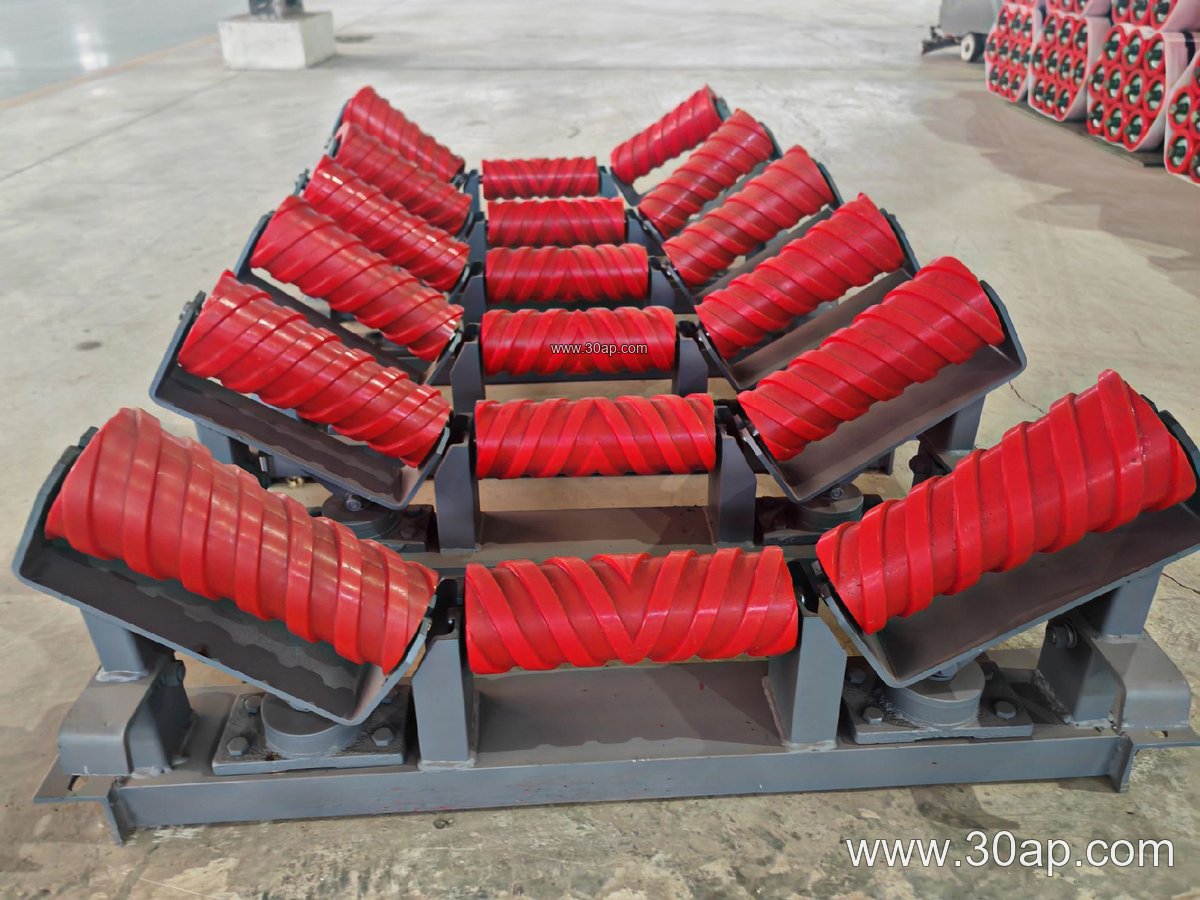
Fixed brackets are simple and rigid, which suits long straight runs with stable loading. Adjustable brackets cost a little more but let maintenance teams fine-tune the trough angle or compensate for belt wear. In a coal mining conveyor belt system that moves between seams, an adjustable bracket can be useful. For most aggregate conveyor belt installations, fixed brackets at 35 degrees are common, but the final choice should follow the conveyor designer’s recommendation. Avoid mixing bracket types without checking that the idler roller still sits at the correct height.
Buyer Checklist
- Confirm belt width and whether the frame is B500, B800, B1000, B1200, or larger
- State the trough angle, such as 30 or 35 degrees, and whether it must be adjustable
- Match the bracket to the idler shaft diameter, for example Ø108 or Ø133
- Ask for the mounting hole pitch and crossbeam length as project-specific data
- Consider the environment: dust, moisture, heat, or oil may affect coating and material choice
- Check compatibility with the conveyor pulley layout, including drive, tail, and bend pulleys
For a dependable conveyor line, the bracket is a small part with a large job. Get it right, and the belt, idler rollers, and pulleys all work together with less wear and fewer stoppages.